Protect Your Wireless Network from Hacking: A Comprehensive Guide
The Risks of a Compromised Wi-Fi Network
In today's digital age, having a strong and secure wireless network is crucial for both personal and professional use. However, with the increasing number of connected devices and the convenience of wireless connectivity, the risk of hacking and unauthorized access also rises. This article will provide you with essential tips on how to protect your wireless network from hacking and keep your devices and information safe.Common Risks and Threats
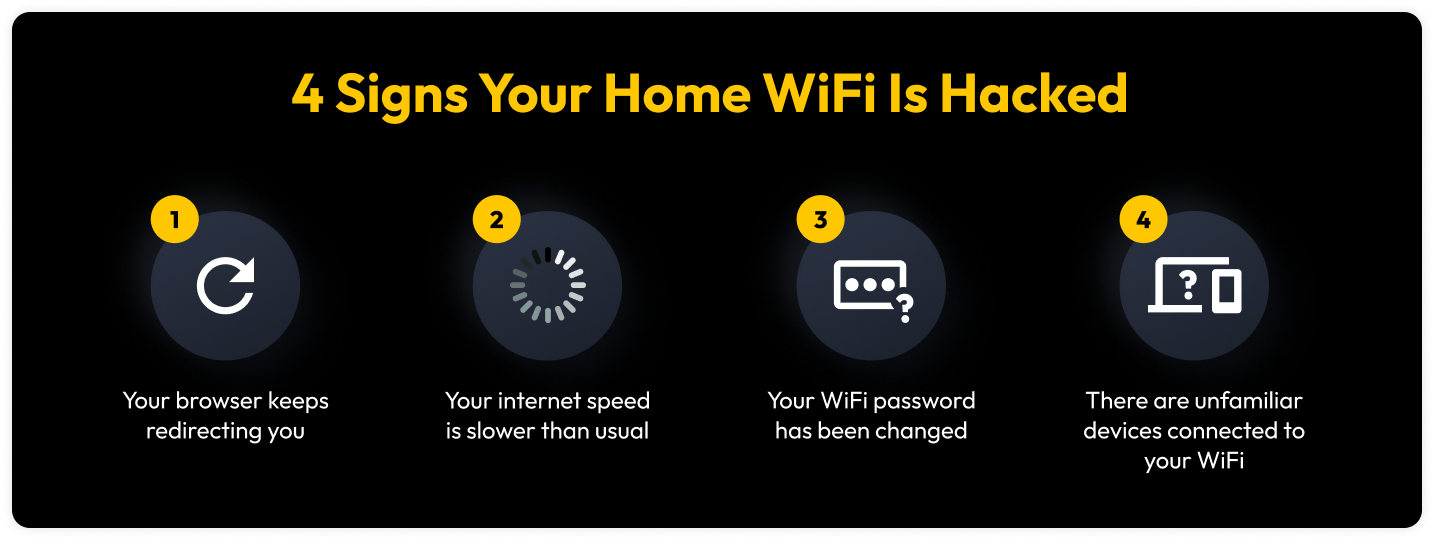
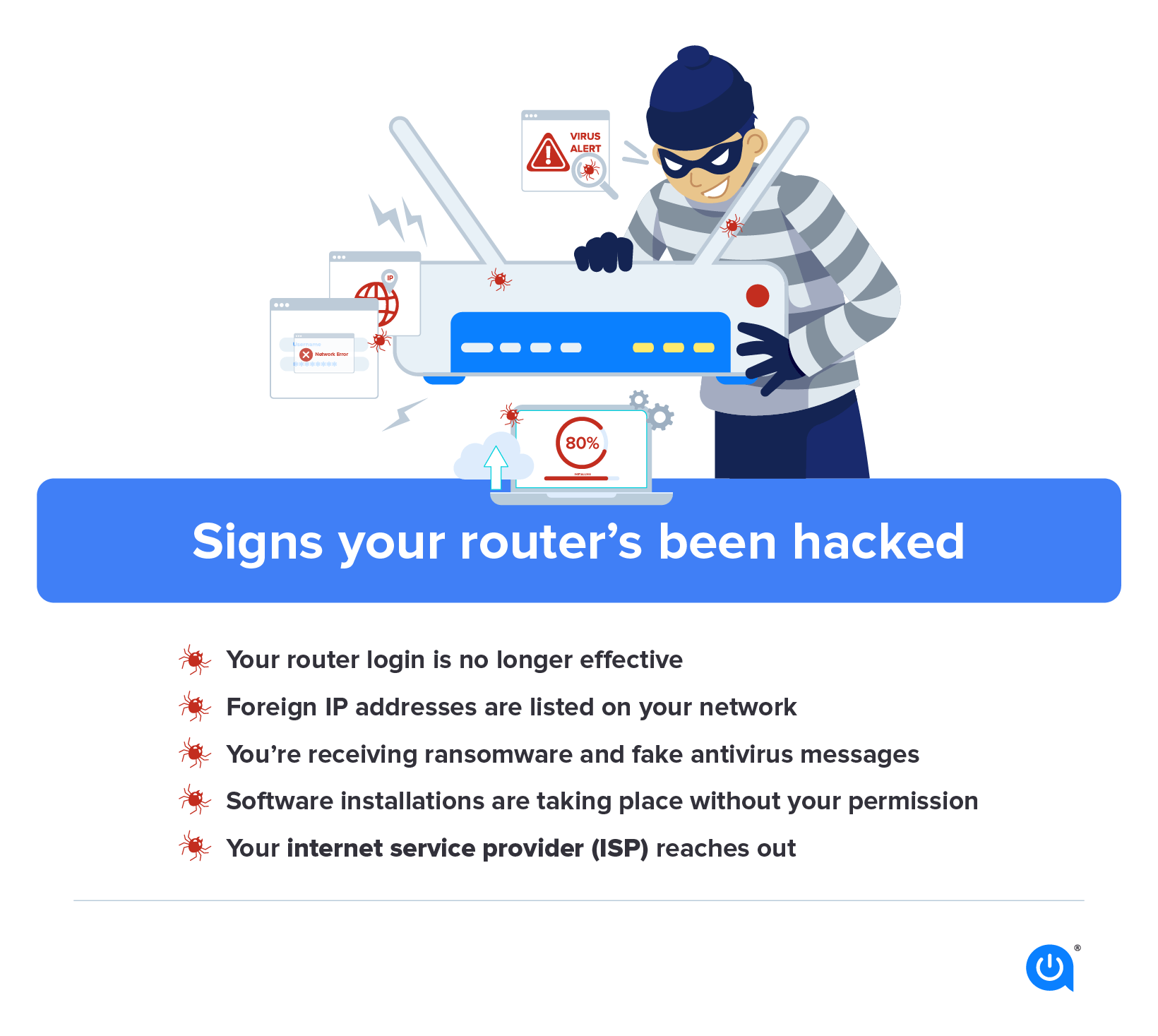
Wi-Fi hacking refers to the unauthorized intrusion into a wireless network by exploiting security vulnerabilities. This can involve bypassing or breaking encryption protocols, such as WEP, WPA, or WPA2, to gain access, intercept data, or control connected devices. According to a recent hack of 14,000 home routers, it's evident that even home internet networks are vulnerable to hacking.Protecting Your Home Wi-Fi Network
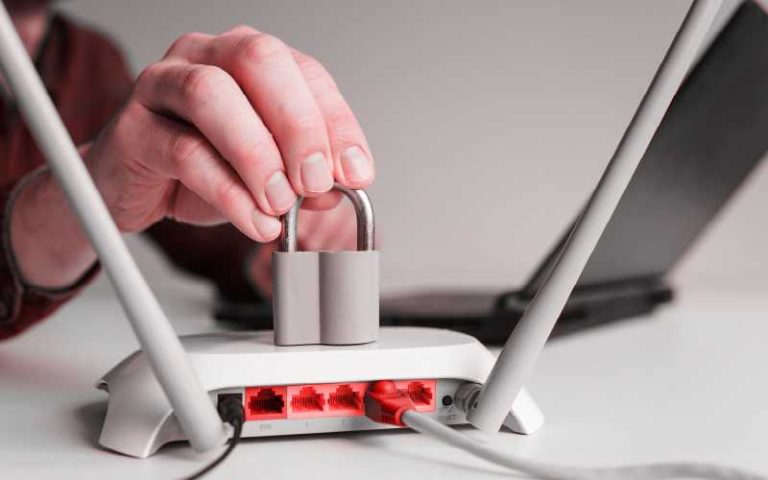
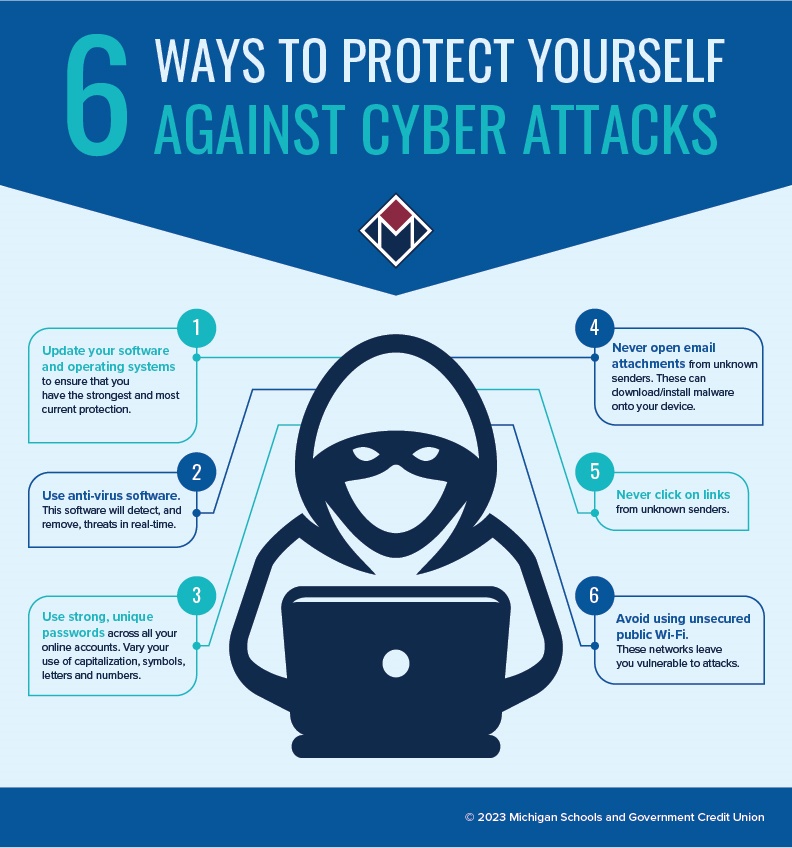
Securing your home Wi-Fi network is essential to prevent hackers and unauthorized access. Here are some simple steps you can take to protect your home wireless network:- Change the Router's Default Password: Most wireless routers come with preset passwords for administering a device's settings. Hackers may be familiar with the default passwords, so it's essential to change the router device's password when you install it.
- Use a Strong and Unique Password: Use a strong, unique password for your Wi-Fi network. Avoid using easily guessable passwords or the same password for multiple devices.
- Enable WPA3 Encryption: WPA3 is the latest encryption standard for Wi-Fi networks. Enable WPA3 encryption on your router to protect your network from vulnerabilities.
- Regularly Update Firmware: Regularly update your router's firmware to ensure you have the latest security patches and features.
- Use a Guest Network: Use a guest network to isolate visitors and prevent them from accessing your main network.
- Limit Device Access: Limit access to your network by only allowing trusted devices to connect.
- Monitor Your Network Activity: Regularly monitor your network activity to detect any suspicious activity.
- Use a Firewall: Use a firewall to block unauthorized access to your network and prevent hacking attempts.
- Disable WPS (Wi-Fi Protected Setup): WPS can make your network vulnerable to hacking. Disable WPS to prevent unauthorized access.
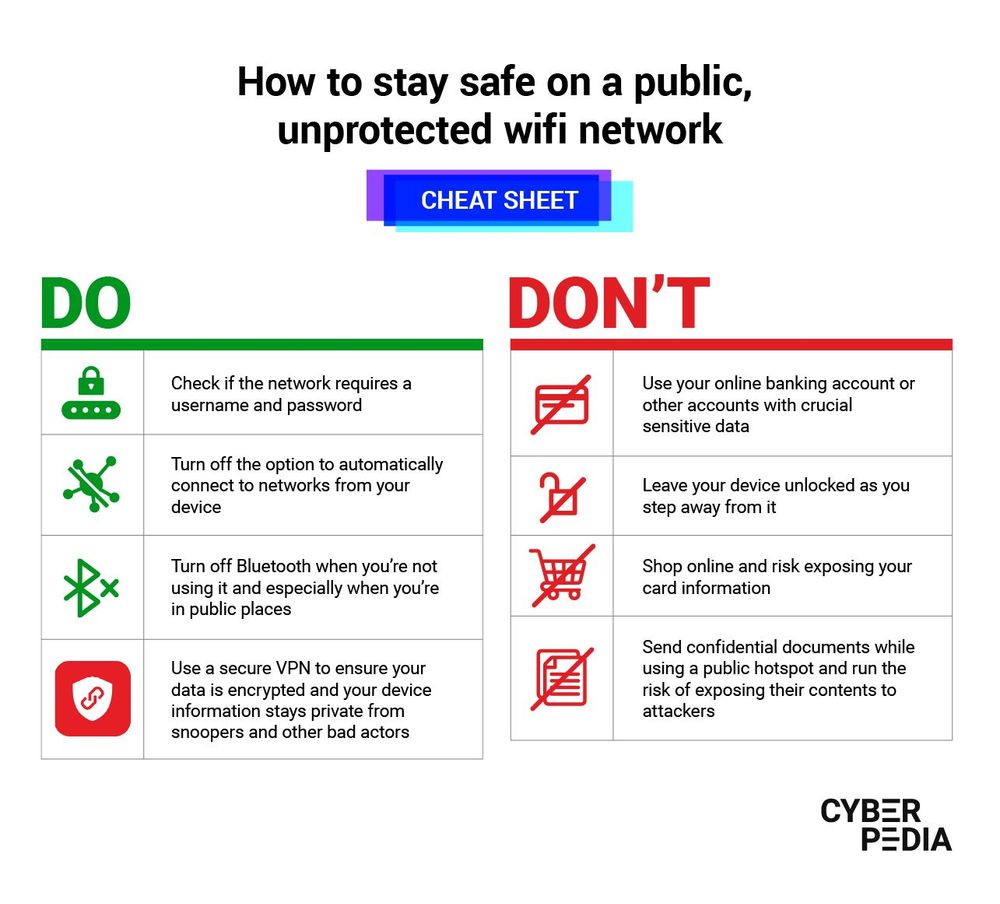
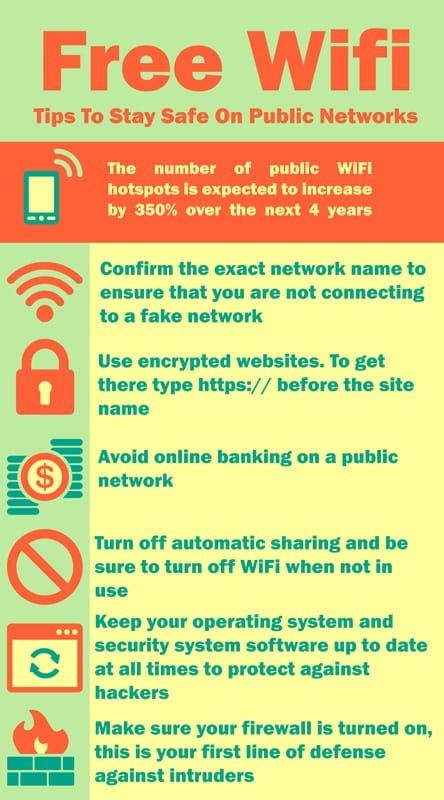
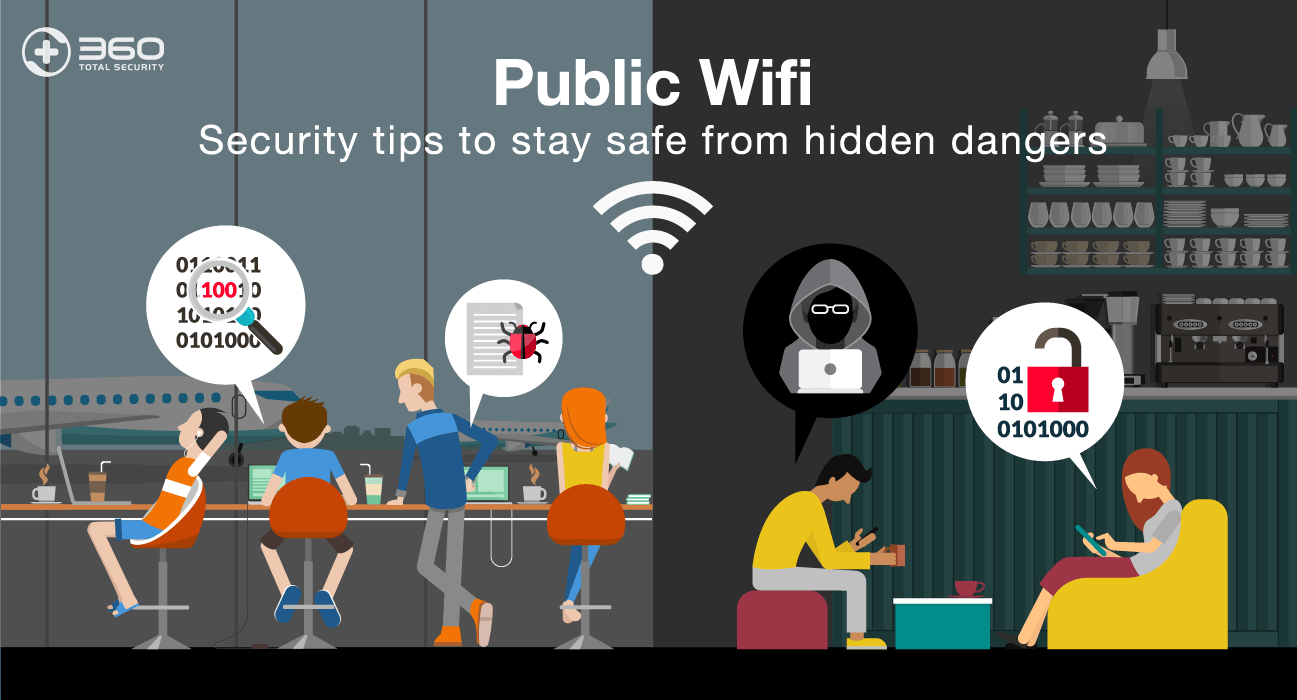
- Use a VPN (Virtual Private Network): Use a VPN to encrypt your internet traffic and protect your data when using public Wi-Fi networks.
Advanced Security Measures

- Implement RADIUS Authentication: Use RADIUS (Remote Authentication Dial-In User Service) to authenticate users and devices before granting access to your network.
- Use 802.1X Authentication: Use 802.1X authentication to ensure that only authorized devices can connect to your network.
- Install an Intrusion Detection System (IDS): Use an IDS to detect and prevent hacking attempts in real-time.
- Use a Web Application Firewall (WAF): Use a WAF to protect your network from web-based attacks and hacking attempts.