Product Design for Sustainability: A Guide for Responsible Product Creators
As consumers increasingly prioritize the environmental and social impact of the products they buy, businesses must adapt to meet their expectations. Product design for sustainability is key to reducing waste, conserving resources, and delivering long-term value. In this comprehensive guide, we'll explore the principles and concepts behind product design for sustainability and provide actionable steps for creating responsible, future-ready products.
The Importance of Sustainable Product Design
Product design has the power to make or break a brand's reputation. A well-designed product not only meets the customer's needs but also minimizes environmental impact. Sustainable product design considers the entire lifecycle of a product, from raw material sourcing to end-of-life disposal or recycling.
The global community is shifting towards a more circular economy, where products are designed to be recycled, refurbished, or reused. This means that manufacturers must rethink traditional design approaches and focus on reducing waste, conserving resources, and minimizing environmental harm throughout the product lifecycle.
Key Principles of Sustainable Product Design
- Design for disassembly: A product that is designed to be disassembled easily at the end of its life reduces the need for costly and resource-intensive end-of-life disposal.
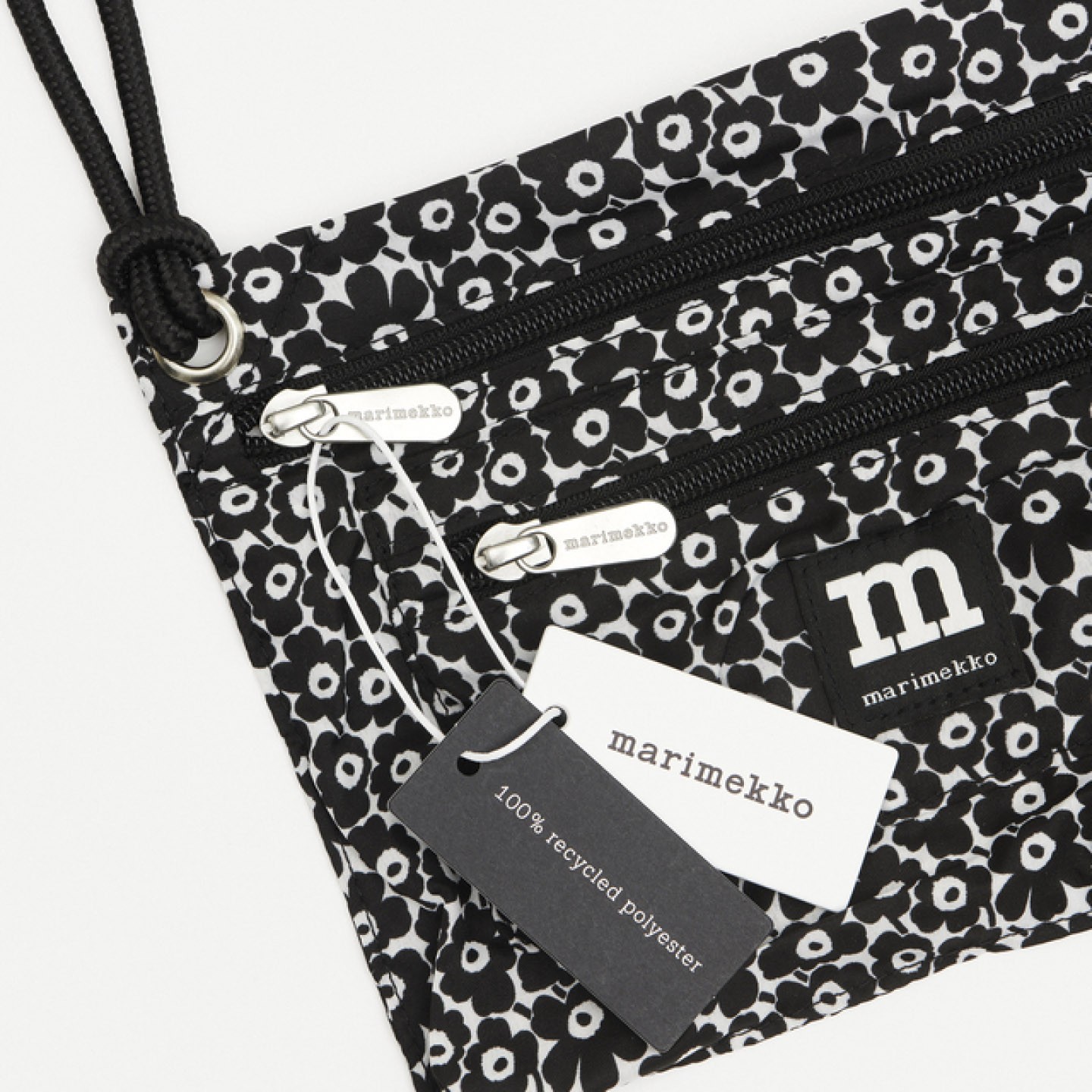
- Use recycled and recyclable materials: Choosing materials that can be recycled or reused minimizes waste and reduces the demand for virgin materials.
- Minimize waste through modular design: Designing products with interchangeable components reduces the frequency of component-specific waste and optimizes the materials used.
- Optimize energy efficiency: Well-designed products minimize energy consumption and optimize energy efficiency, reducing the carbon footprint associated with manufacturing, transportation, and use.
- Encourage reuse and refurbishment: Products designed for reuse and refurbishment can extend their lifespan, reducing the demand for new products and minimizing waste.
Benefits of Sustainable Product Design
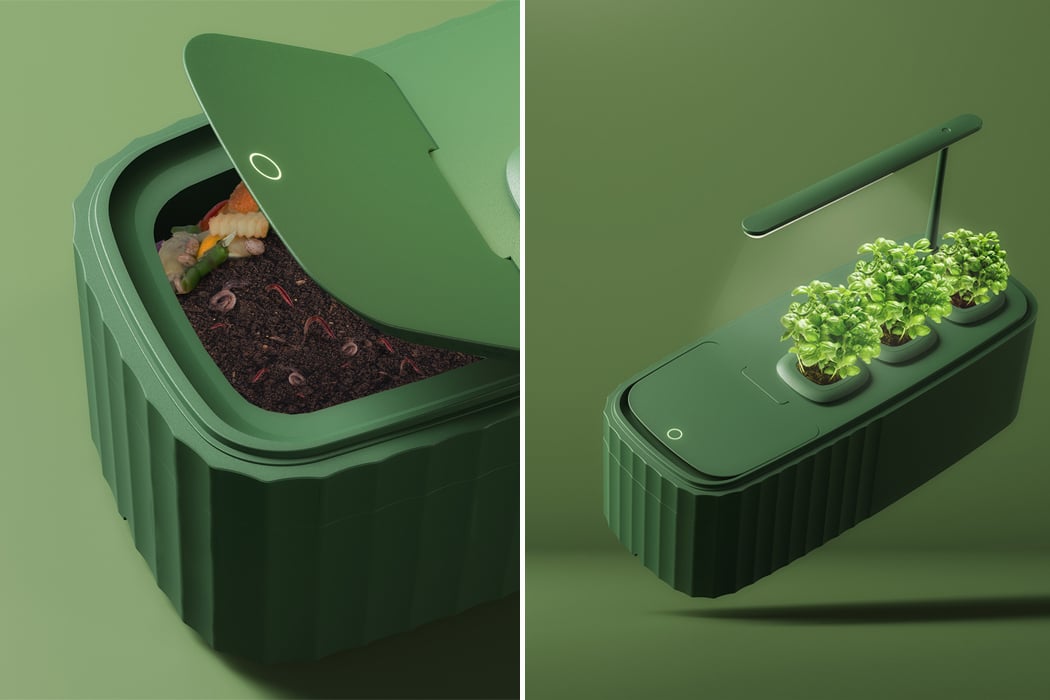
Implementing sustainable product design has numerous benefits for businesses and the environment:
- Improves brand reputation: Demonstrating a commitment to sustainability enhances brand reputation and drives customer loyalty.
- Reduces waste and emissions: Minimizing waste and energy consumption reduces a product's carbon footprint, contributing to a more environmentally sustainable future.
- Increases product longevity: Well-designed products require less frequent replacements, extending their lifespan and reducing waste.
- Supports a circular economy: Sustainable product design encourages the reuse, recycling, and recovery of products, promoting a more circular economy.
Putting Sustainable Product Design into Practice
To integrate sustainability into your product design process, consider the following steps:
- Embed sustainability into your design principles: Incorporate sustainability into the product requirements document and make it a guiding principle from day one.
- Conduct environmental assessments: Analyze the environmental impact of your product, from raw material extraction to end-of-life disposal or recycling.
- Design for recyclability: Choose materials that can be recycled or reused and design products that can be easily disassembled at the end of their life.
- Pilot production with sustainable materials: Test new materials and production processes to minimize waste and energy consumption.
Conclusion
Product design for sustainability is a critical aspect of creating responsible, future-ready products. By embracing sustainable design principles, manufacturers can reduce waste, conserve resources, and minimize environmental harm throughout the product lifecycle. By following the principles outlined in this guide, businesses can create products that not only meet customer needs but also contribute to a more environmentally sustainable future.

![What Is Sustainable Product Design? [With Examples]](https://images.squarespace-cdn.com/content/v1/5c2cd3c49f8770b74f22e01a/da2f1bdf-9dc6-4ad2-b28c-9ef749633589/Material-samples-5.jpg "What Is Sustainable Product Design? [With Examples]")