Understanding Expiration Date and Medication Interactions
The Importance of Expiration Dates
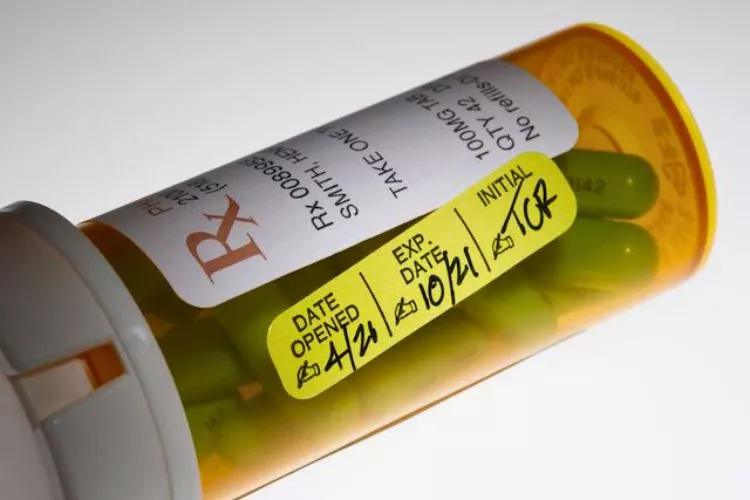
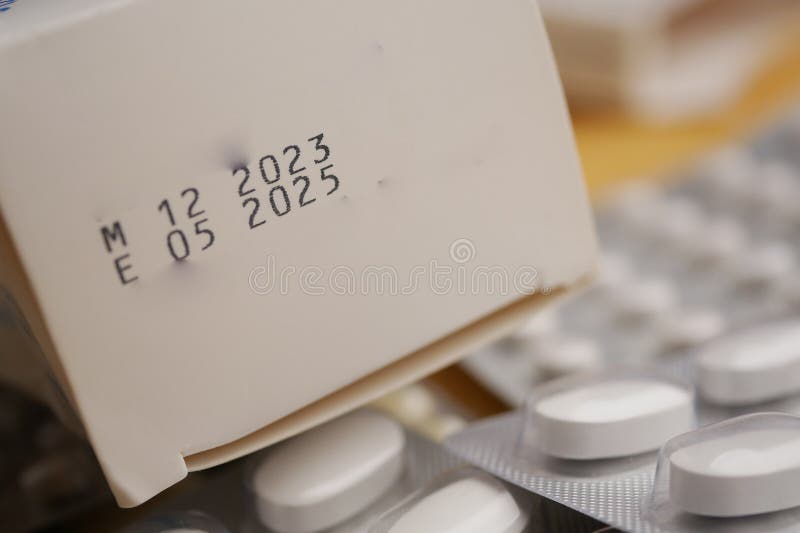
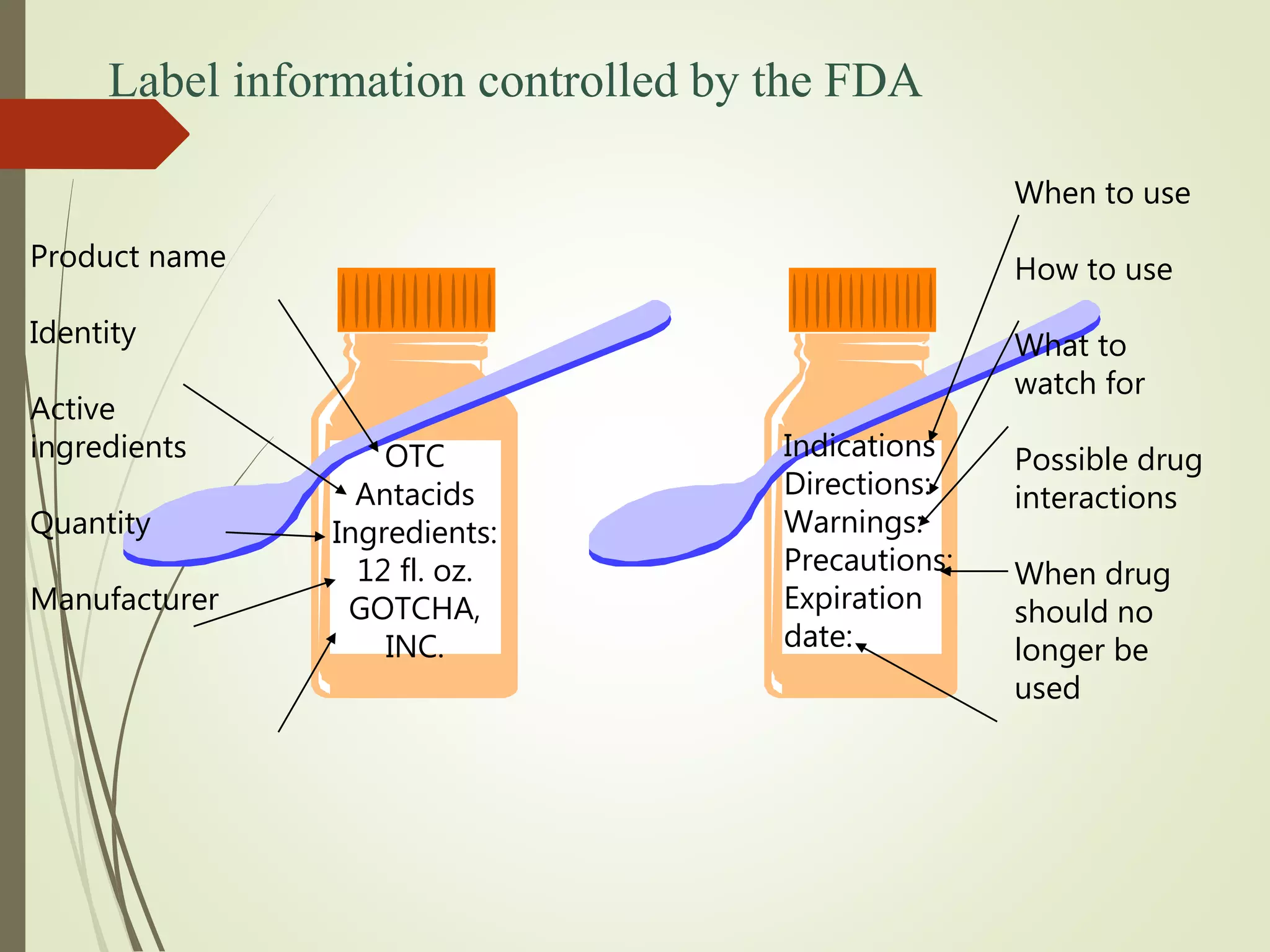
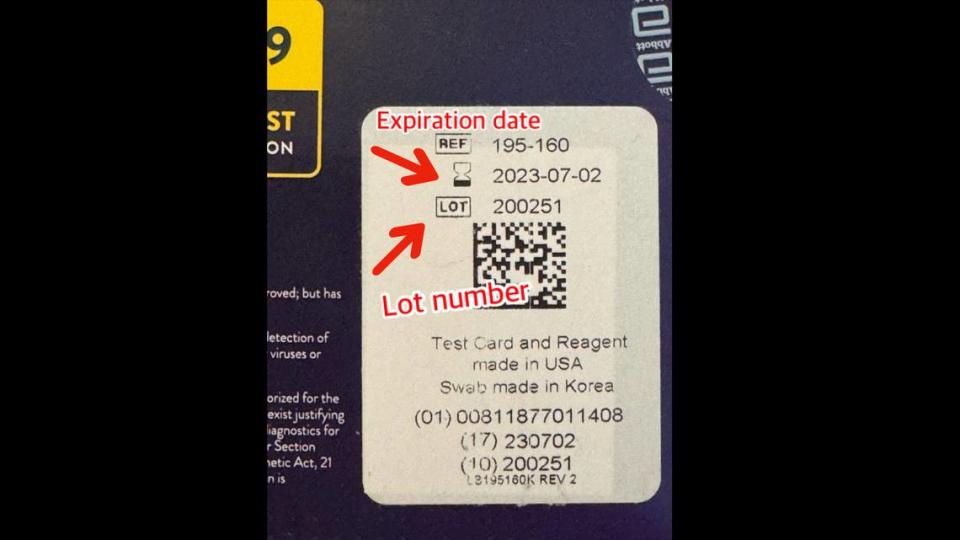
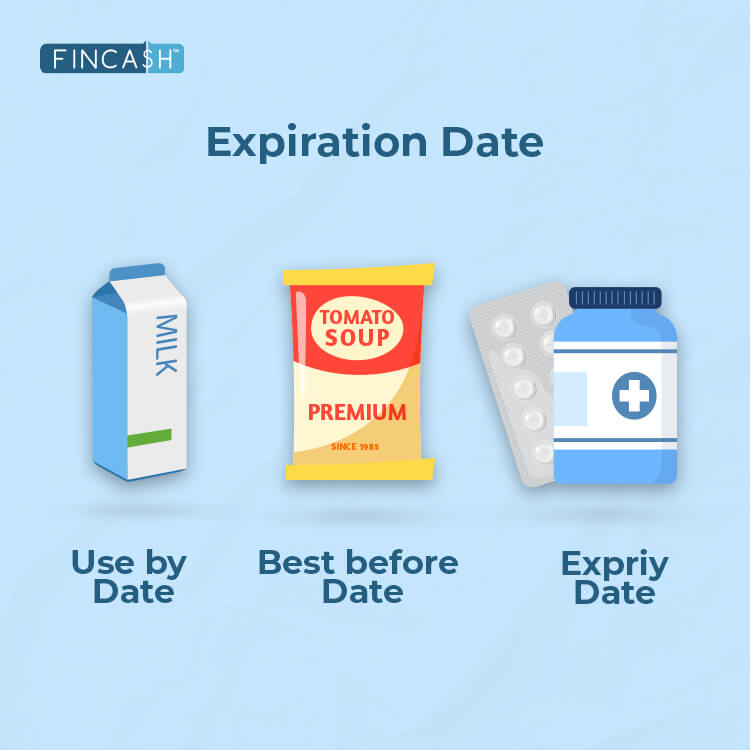
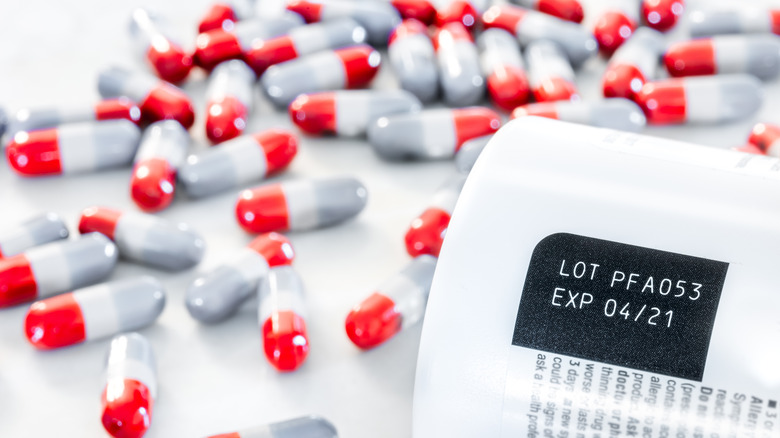
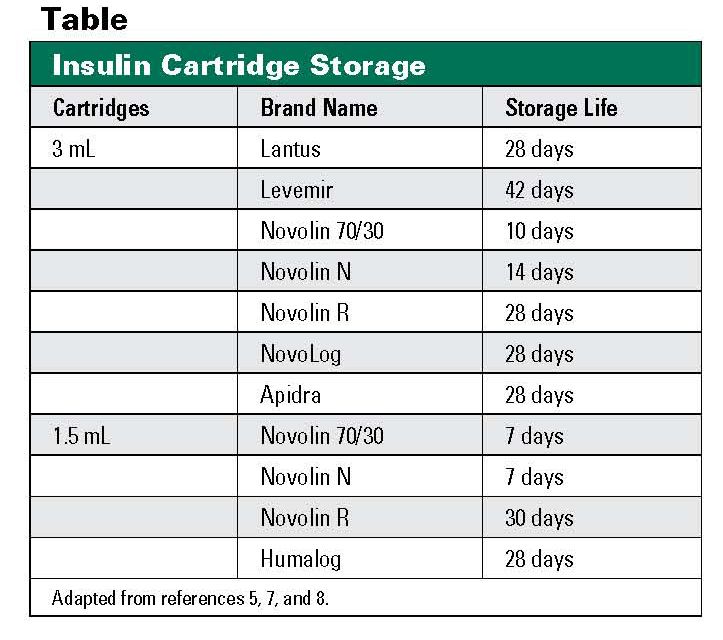
Drug expiration dates exist on most medication labels, including prescription, over-the-counter (OTC) and dietary (herbal) supplements. These dates indicate the period during which the manufacturer guarantees a medicine is safe and has its full potency, or strength. The U.S. Food and Drug Administration (FDA) began requiring drug manufacturers to include an expiration date on products in 1979, applying to both prescription and over-the-counter (OTC) drugs.
Do Expired Meds Lose Their Potency?
The expiration date is the date up until which the manufacturer guarantees a medicine is safe and has its full potency. However, it's not a guarantee that the medicine will lose its potency immediately after the expiration date. In fact, most medications can be used safely after their expiration date, but their effectiveness may decrease over time.
How is the Expiration Date Determined?
Manufacturers determine the expiration date based on stability studies that show how long a medication remains effective when stored in various environmental conditions. While it's ideal to have long-term stability data, the FDA allows manufacturers to estimate the expiration date based on a shorter period of study, which can be as short as 6-12 months.
Consequences of Taking Expired Medications
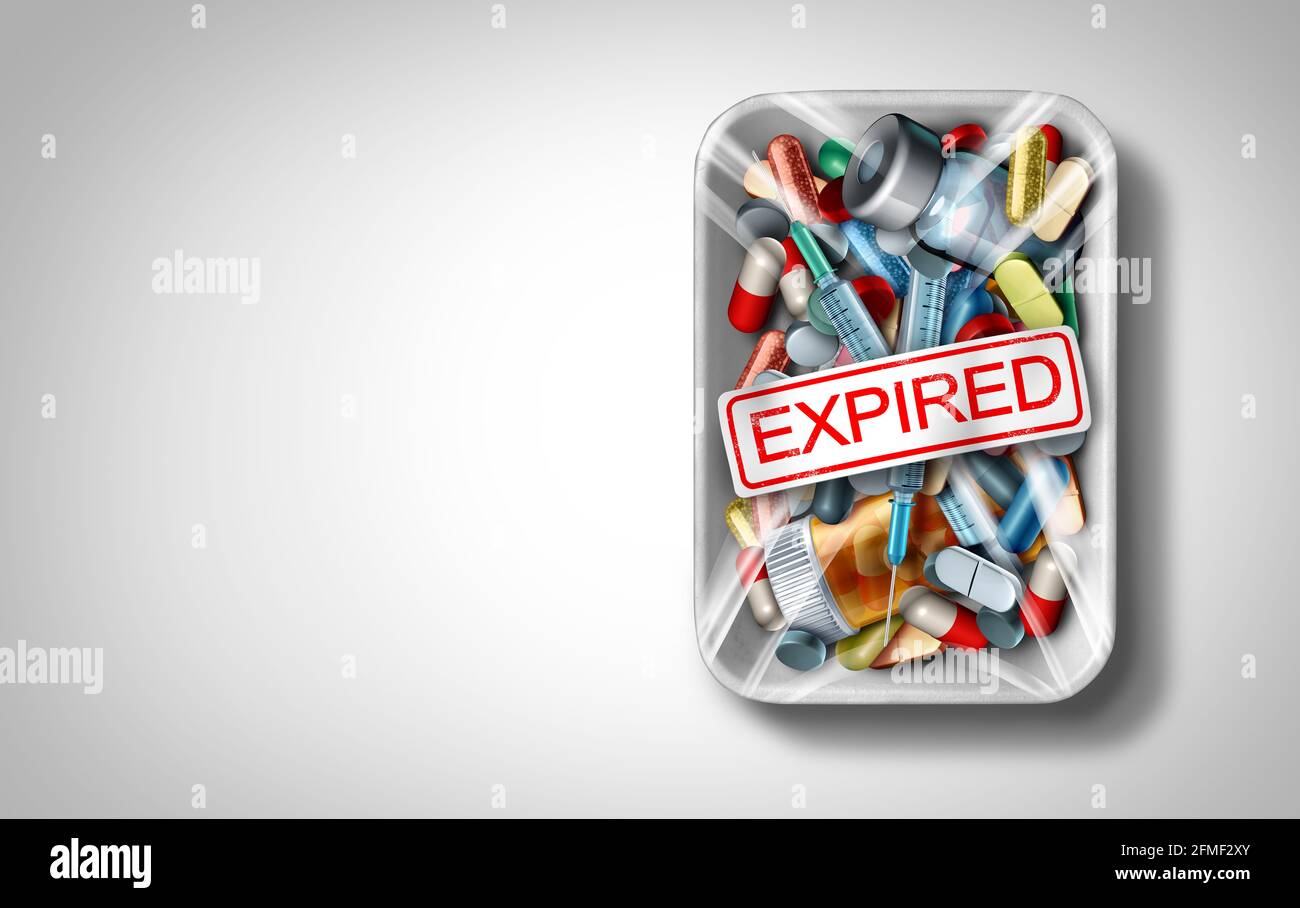
While it's unlikely that expired medications will harm you, taking them after their expiration date can lead to reduced effectiveness or even negative interactions with other medications. Expired medications may lose their potency, and their quality may decrease over time, potentially leading to adverse effects or interactions with other medications.

Common Medications with Potential Interactions
- Modafinil (Provigil) - interacts with: amphetamines, SSRIs, and MAOIs
- Pantoprazole (Protonix) - interacts with: antacids, H2 blockers, and other medications that affect acid production
- Topiramate - interacts with: birth control pills, blood thinners, and other medications that increase the risk of bleeding
- Methylprednisolone - interacts with: other corticosteroids, medications that lower blood sugar, and NSAIDs
Safe Use of Expired Medications
While expired medications are unlikely to cause harm, it's essential to use them safely and judiciously. Proper storage and handling of medications can help extend their potency. It's always best to consult with a pharmacist or doctor before taking expired medications, especially if you have questions about their effectiveness or potential interactions with other medications.
Expiration Date Monitoring
Monitoring expiration dates is crucial to prevent the dispensing of expired medications. Inventory management software with checklists can help identify approaching expiration dates, allowing for timely redistribution or disposal. Proper storage and handling of medications can help extend their potency and ensure safe use.
Conclusion
The expiration date of a medication is a critical factor in determining its effectiveness and safety. While expired medications may not immediately lose their potency, their quality may decrease over time, potentially leading to adverse effects or interactions with other medications. Proper storage and handling of medications, along with timely monitoring of expiration dates, can help ensure safe and effective use of medications.