Overcoming a Dopamine Loop: Breaking Free from the Rollercoaster of Nicotine Addiction
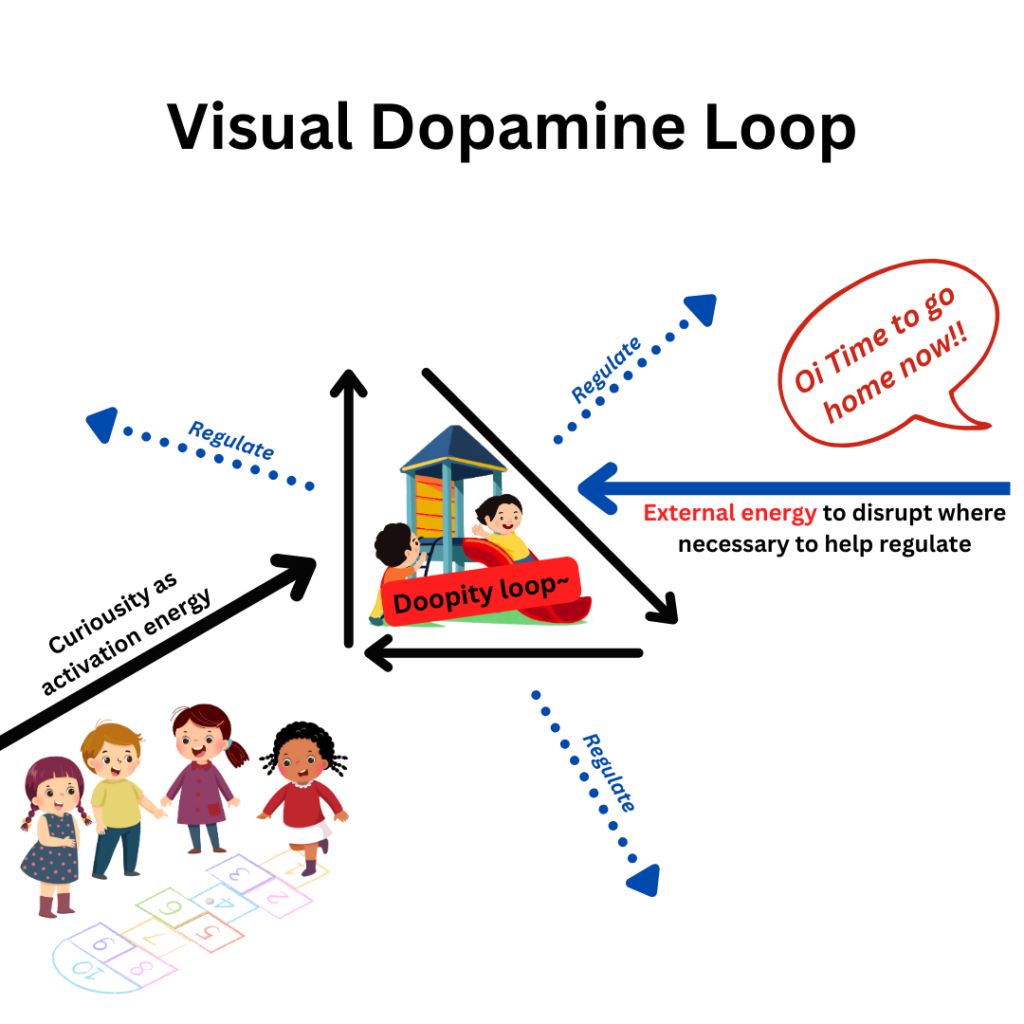
The concept of a dopamine loop, also known as an addiction cycle, is a phenomenon that has been observed in individuals suffering from nicotine addiction. It refers to the continuous activation of the brain's reward system, which leads to a cycle of craving, nicotine use, and withdrawal. In this article, we will explore the complexities of the dopamine loop and provide strategies to help individuals overcome it.
Understanding the Dopamine Loop
Dopamine is a neurotransmitter that plays a crucial role in the brain's reward system, governing feelings of pleasure, motivation, and reinforcement of behaviors. When we engage in a rewarding behavior, such as smoking, our brain releases dopamine, creating a feeling of pleasure and satisfaction. However, with repeated exposure, the brain adapts by reducing the sensitivity of dopamine receptors, leading to a decrease in the pleasurable feelings.
This is where the dopamine loop comes in. As the body becomes tolerant to nicotine, individuals may experience withdrawal symptoms, such as irritability, anxiety, and restlessness. These symptoms prompt the individual to smoke again, releasing more dopamine and perpetuating the cycle.
Breaking the Cycle
Phase 1: Identify Your Biggest Dopamine Drains
The first step in breaking the cycle is to identify the activities that trigger the release of dopamine in your brain. For individuals struggling with nicotine addiction, common dopamine drains include:
- Smoking or vaping
- Other nicotine-based products, such as e-cigarettes or nicotine patches
- Activities related to smoking, such as going to a bar or hanging out with friends who smoke
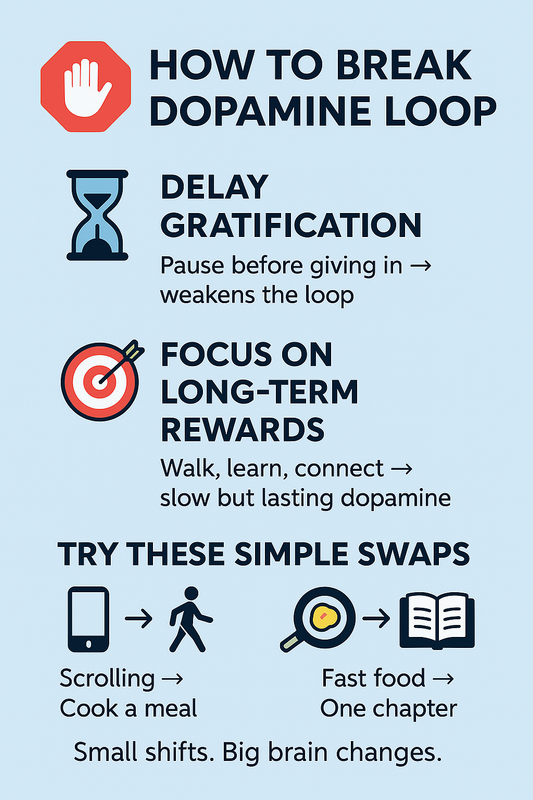
Phase 2: Replace Dopamine Drains with Healthy Alternatives
Once you have identified your biggest dopamine drains, it's essential to replace them with healthy alternatives that stimulate the brain's reward system without activating the addiction cycle. This can include:

- Physical activity, such as exercise or sports
- Leisure activities, such as hobbies or creative pursuits
- Social connections, such as spending time with friends or family
Phase 3: Develop a Support System
Breaking a dopamine loop requires a support system to help you stay on track. This can include:
- Seeking professional help, such as counseling or therapy
- Joining a support group, such as Nicotine Anonymous
- Connecting with friends and family who support your journey
Phase 4: Practice Mindfulness and Self-Care
Finally, it's essential to practice mindfulness and self-care to help manage cravings and reduce stress. This can include:
- Meditation or yoga
- Deep breathing exercises
- Keeping a journal or writing down thoughts and feelings
Conclusion
Breaking a dopamine loop requires a comprehensive approach that addresses the physical, emotional, and psychological aspects of addiction. By identifying and replacing dopamine drains with healthy alternatives, developing a support system, and practicing mindfulness and self-care, individuals can overcome the cycle of nicotine addiction and achieve a healthier, more balanced life.