Melatonin Overdose Risk Management: A Comprehensive Guide
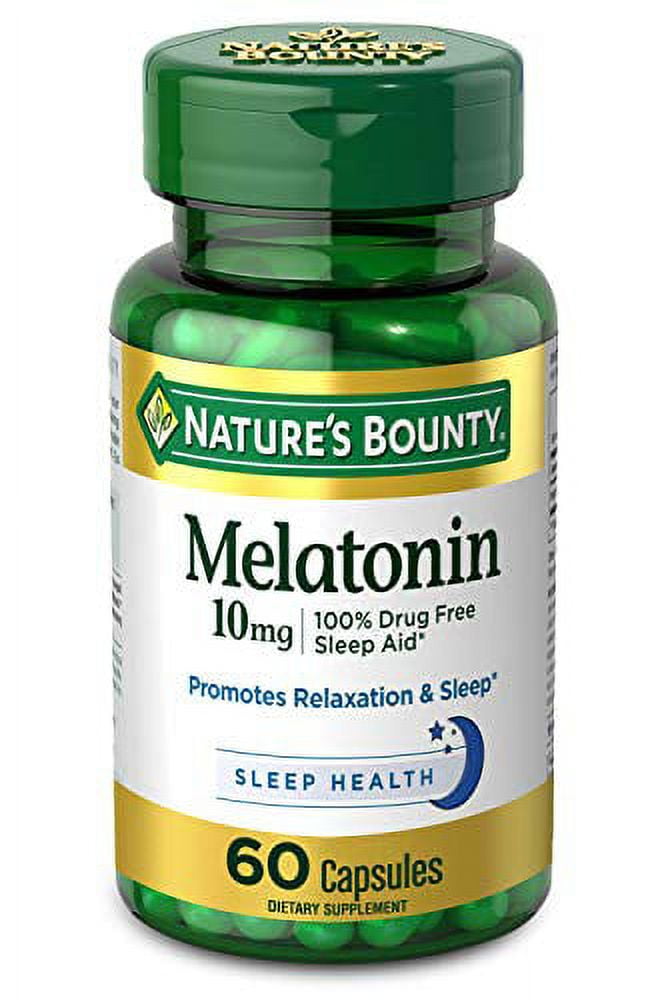
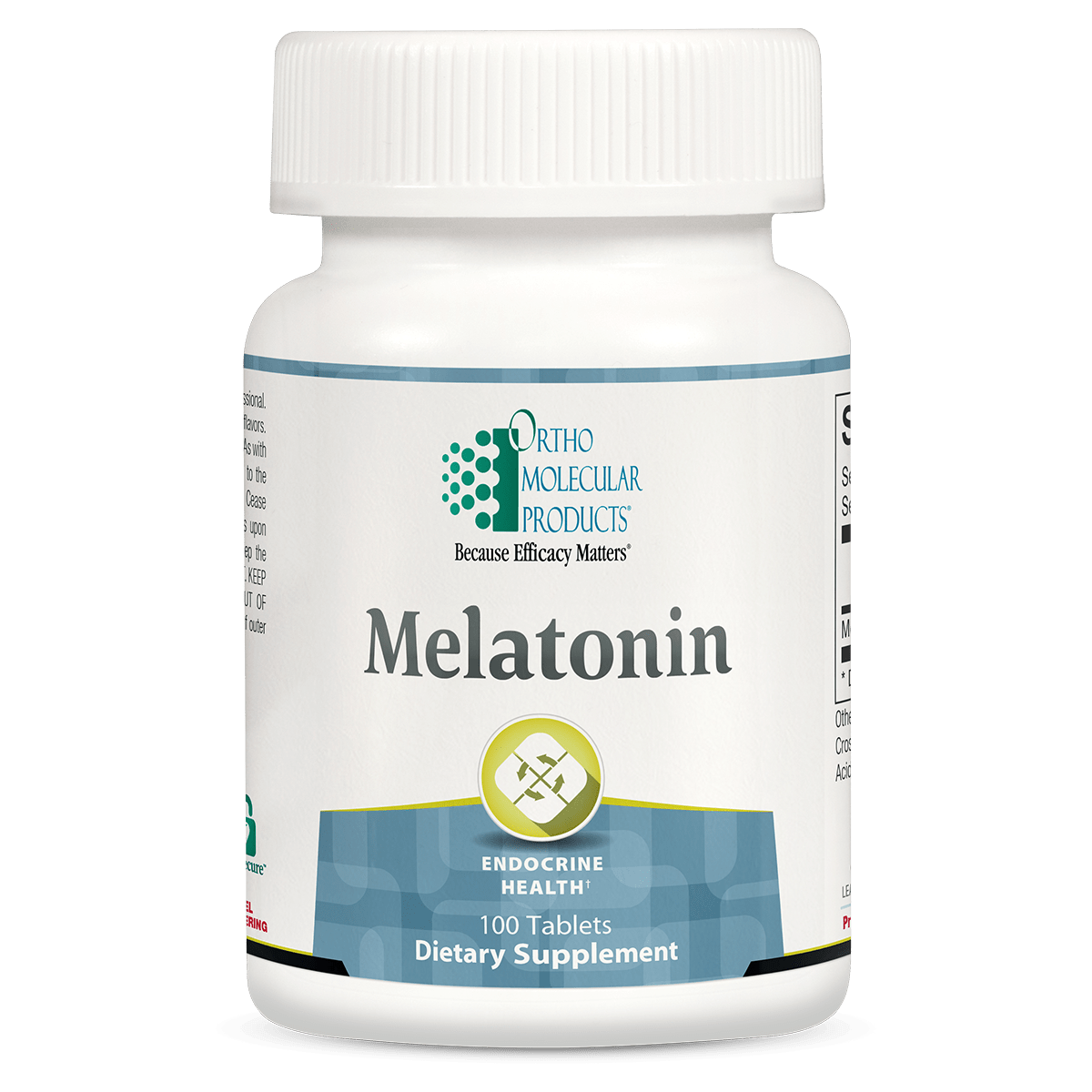
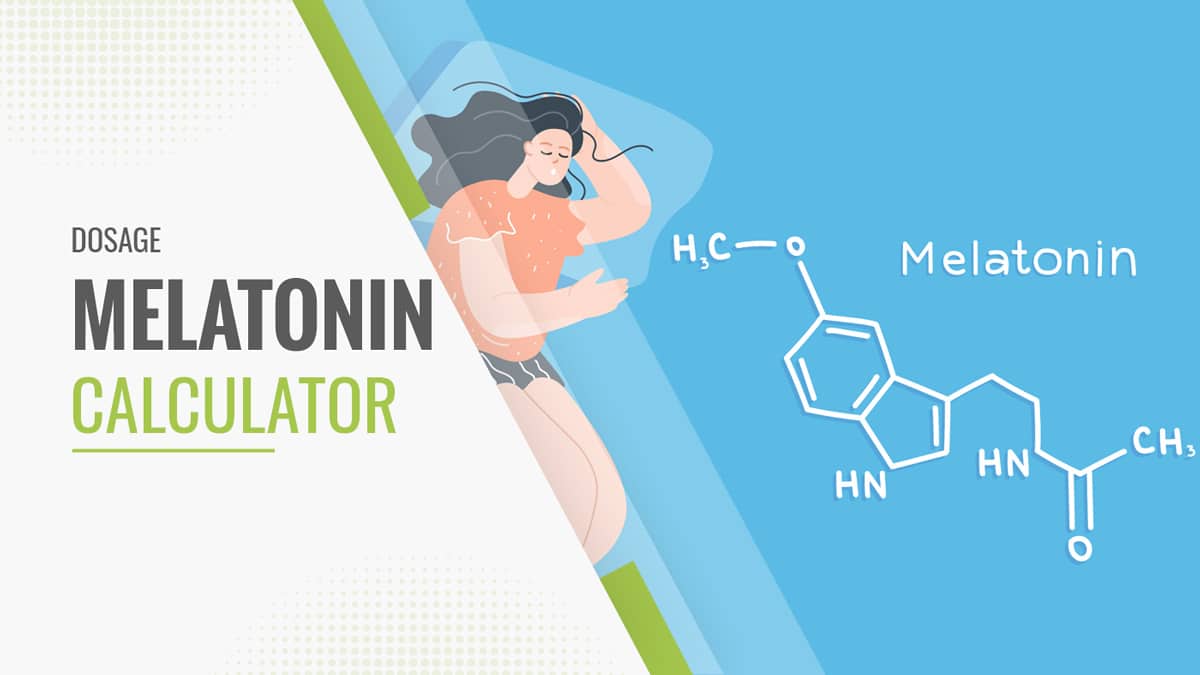
Melatonin is a popular dietary supplement used to promote relaxation and improve sleep quality. However, taking high doses of melatonin can lead to overdose, which may cause a range of symptoms and complications. In this article, we will discuss the risks and effects of melatonin overdose, as well as provide guidance on how to manage and prevent overdose.
Risks and Effects of Melatonin Overdose
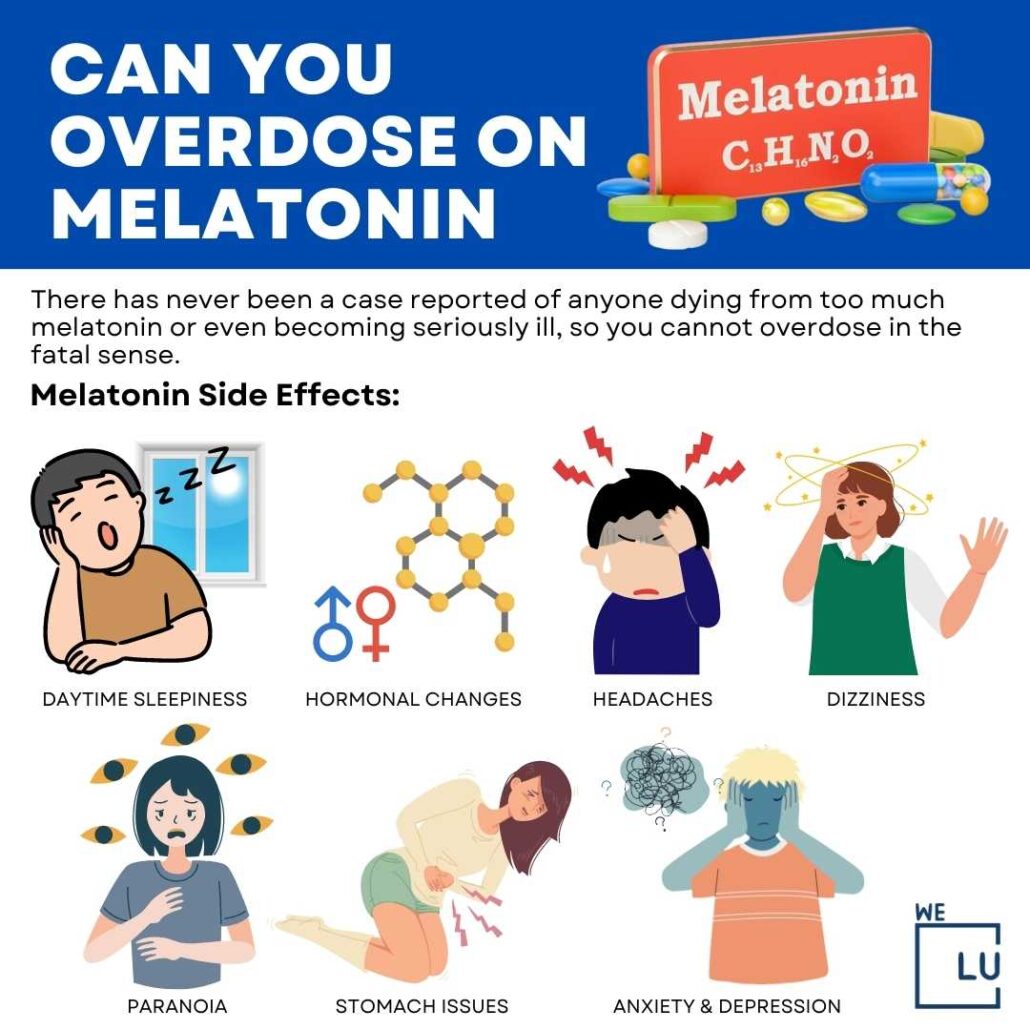
The most common side effects of melatonin overdose include drowsiness, dizziness, fatigue, headache, confusion, nightmares, hypotension, tachycardia, and hypothermia. In severe cases, melatonin overdose can lead to more serious complications, such as seizures, coma, and even death.
Children and Melatonin Overdose
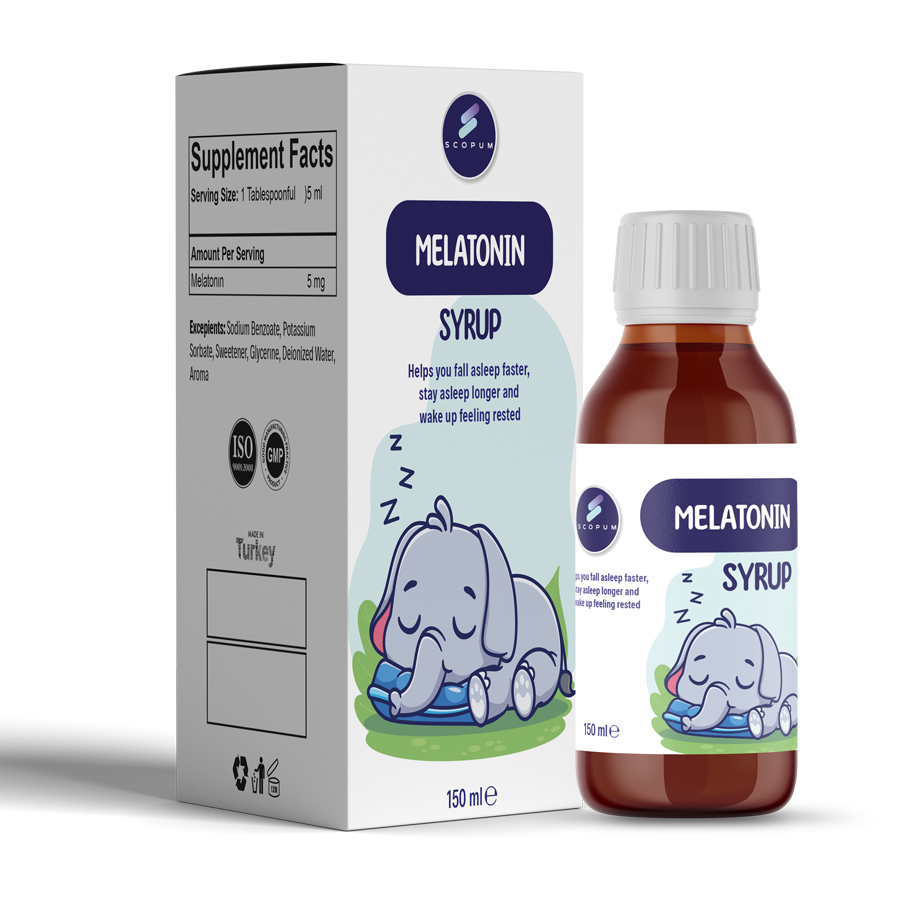
Children are at increased risk for melatonin exposure due to the supplement's widespread use and growing popularity as a sleep aid. In 2020, melatonin became the most frequently ingested substance among children reported to national poison control centers. It is essential for parents and caregivers to exercise caution when giving melatonin to children and to seek medical attention immediately if they suspect an overdose.
Symptoms of Melatonin Overdose
The symptoms of melatonin overdose may include:
- Sleepiness
- Dizziness
- Upset stomach
- Headache
- Confusion
- Nightmares
- Hypotension
- Tachycardia
- Hypothermia
Preventing Melatonin Overdose
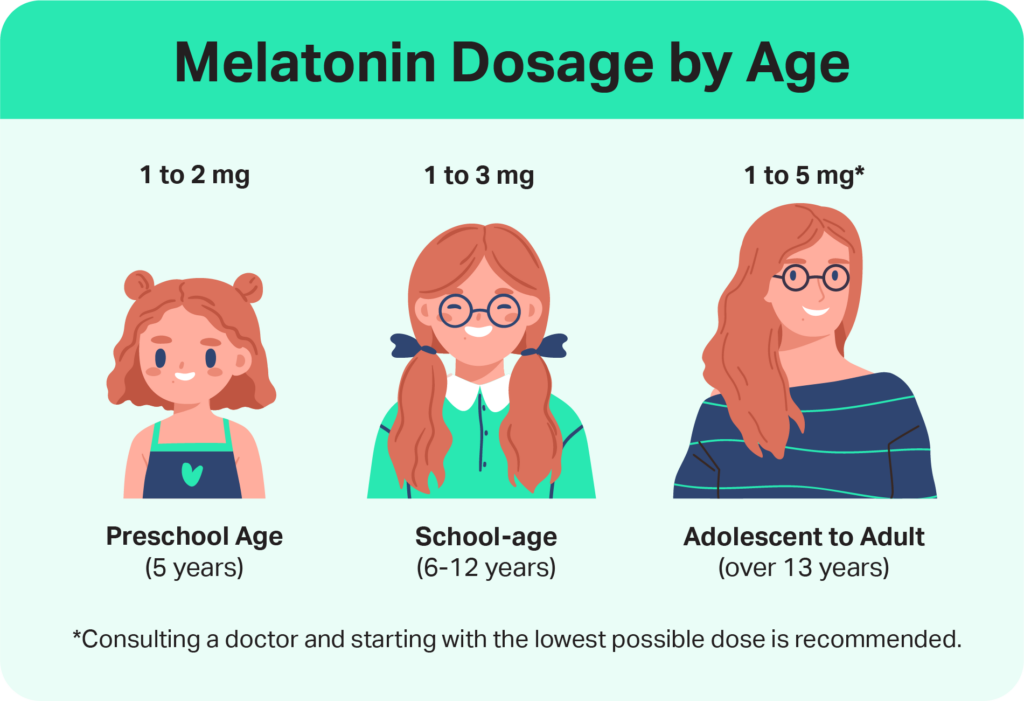
To prevent melatonin overdose, it is essential to follow the recommended dosing guidelines and to consult with a healthcare professional before taking melatonin. The suggested starting dose for adults is 0.5 to 1 milligram, taken 30 to 60 minutes before bedtime. It is also crucial to keep melatonin out of reach of children and to monitor their use of the supplement.
Managing Melatonin Overdose
If you or someone you know has taken too much melatonin, it is essential to seek medical attention immediately. In most cases, melatonin overdose can be managed with supportive care, including monitoring of vital signs, airway protection if consciousness is impaired, and observation until symptoms resolve.
Conclusion
Melatonin overdose is a rare but potentially serious condition that can cause a range of symptoms and complications. By understanding the risks and effects of melatonin overdose, as well as taking steps to prevent and manage overdose, individuals can enjoy the benefits of melatonin while minimizing the risks. If you have any concerns about melatonin or suspect an overdose, consult with a healthcare professional for guidance.
Additional Resources
- National Poison Control Center: 1-800-222-1222
- Melatonin dosing guidelines: Consult with a healthcare professional
- Over-the-counter melatonin products: Use with caution and follow instructions carefully
:max_bytes(150000):strip_icc()/Melatonin-side-effects-7068990_txt_final-29e3d836062d4aed9a5fdaff03dfdc61.png "Attempted suicide by Melatonin overdose: Case report and literature ...")