FOMO and Its Impact on Business
The Fear of Missing Out (FOMO) has become a significant phenomenon in the 21st century, particularly in the business world. It is the anxiety that others are experiencing something enjoyable or thrilling, leading to a sense of urgency and pressure to participate. The impact of FOMO on business is multifaceted, and understanding it can help companies create more effective marketing strategies.Defining FOMO
FOMO is often associated with excessive consumer behaviors, such as bandwagon consumption behavior, conspicuous consumption, and conformity consumption. According to a study by Kang & Ma (2020), FOMO can lead to impulsive buying decisions, where individuals feel pressured to make purchases because others are doing so.The Impact of FOMO on Consumer Behavior
FOMO has a significant impact on consumer behavior, leading to increased anxiety and stress. This anxiety can lead to poor decision-making, as individuals feel compelled to make purchases or participate in certain activities without fully considering the consequences. Research has shown that FOMO can result in impulsive spending, enabling impulse buying behaviors, leading to excessive consumption and waste. A study published in the Journal of Consumer Research (2019) found that FOMO can lead to purchases that individuals later regret, resulting in feelings of guilt and shame.Impact on Small Businesses
FOMO can have a profound impact on small businesses, as it can create a sense of urgency and pressure to adopt new trends or technologies. According to a study by the American Psychological Association, 43% of adults feel pressured by FOMO to make purchases, which can lead to hurried decisions.Impact on Marketing Strategy
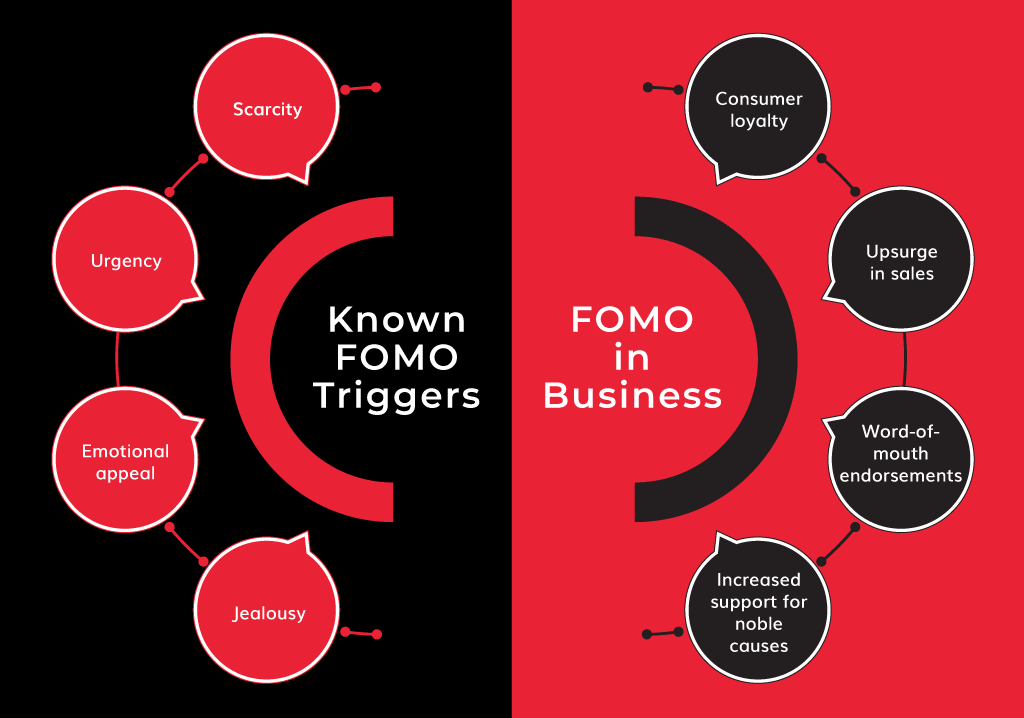
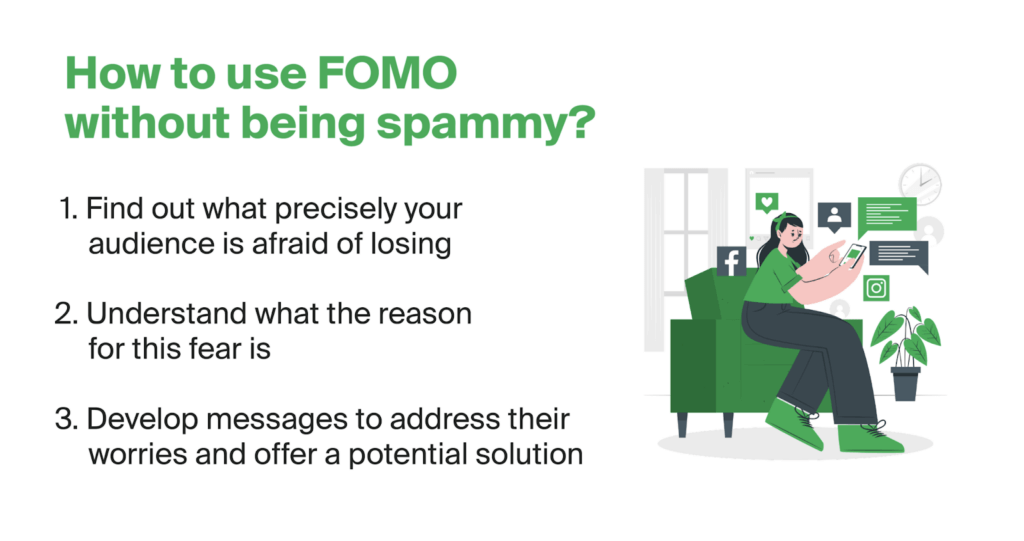
Understanding FOMO can help businesses create more effective marketing strategies that leverage urgency and exclusivity. By creating a sense of FOMO, businesses can guide customer perceptions and decision-making towards more immediate engagement and purchases.Benefits of FOMO in Marketing