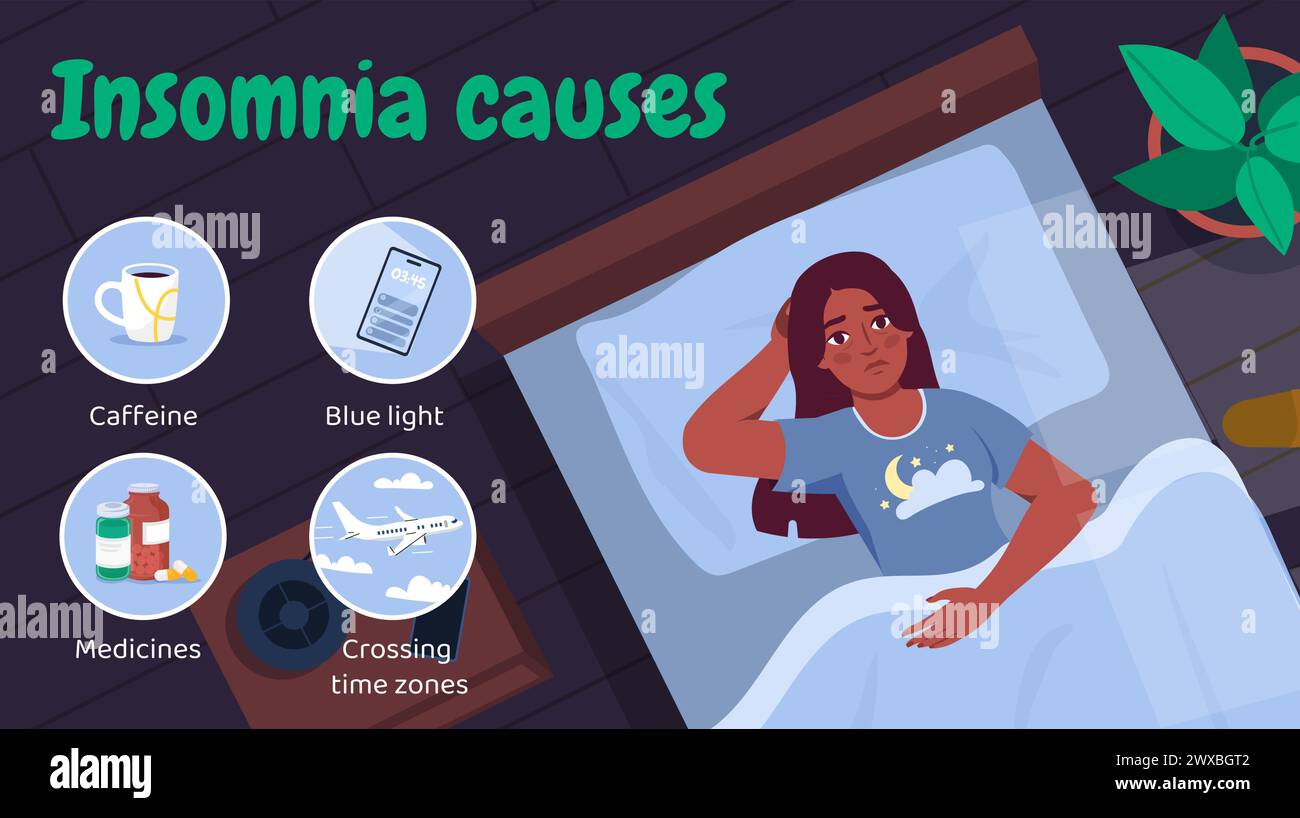
Causes of Insomnia: Understanding the Root of Sleep Disorders
Insomnia, a sleep disorder that affects millions of people worldwide, is characterized by difficulty falling asleep or staying asleep for as long as desired. While it may seem like a simple problem, insomnia can have a significant impact on daily life, leading to fatigue, mood disturbances, and reduced productivity. In this article, we will delve into the causes of insomnia, exploring the various factors that contribute to this sleep disorder.
Stress and Anxiety: Common Causes of Insomnia
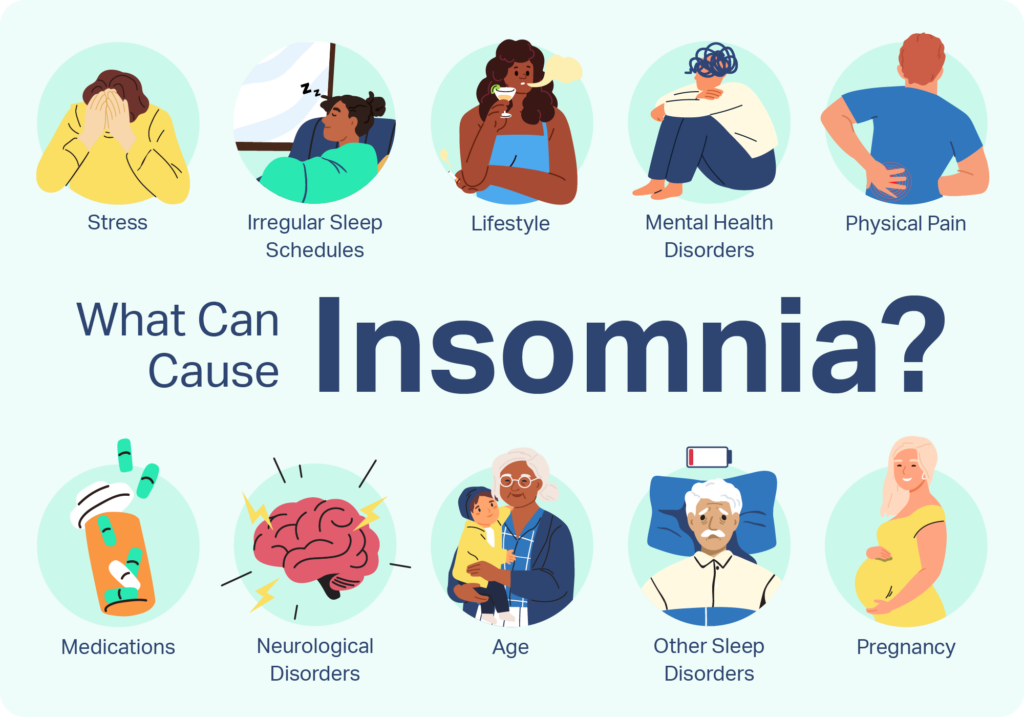
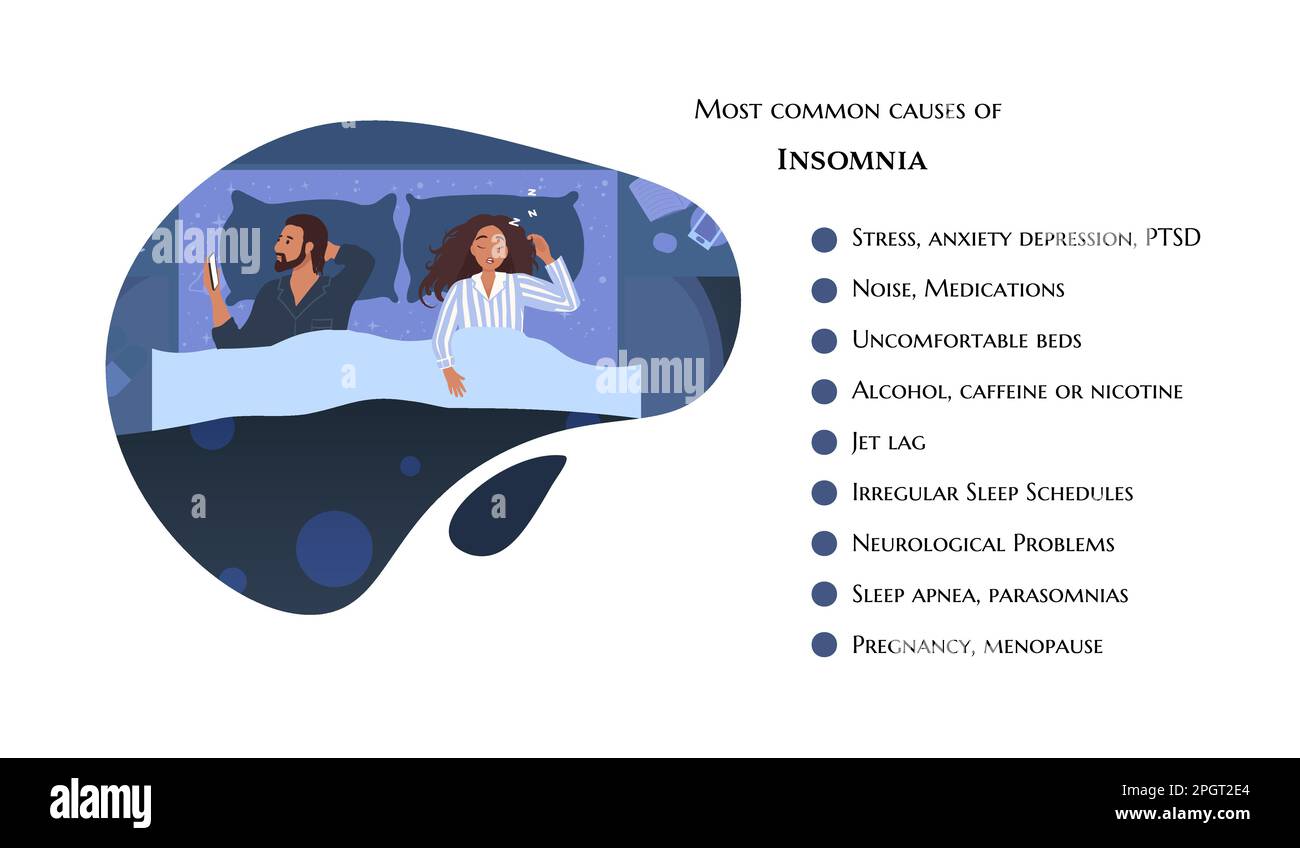
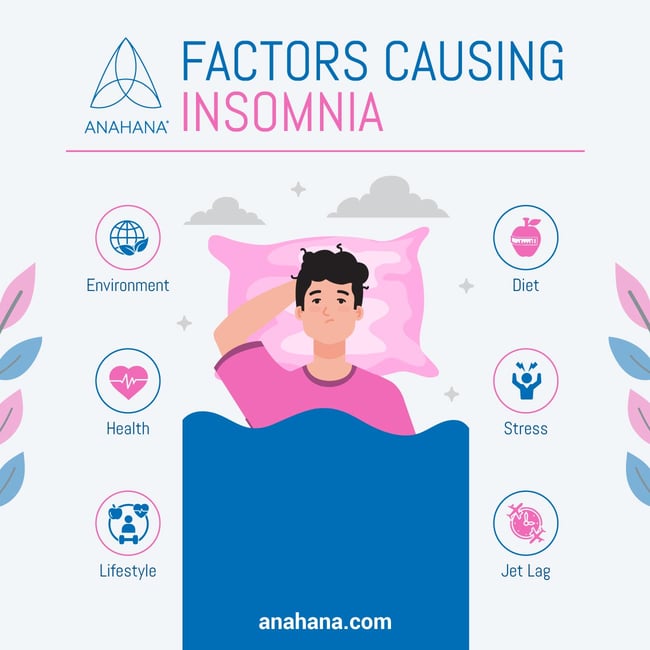
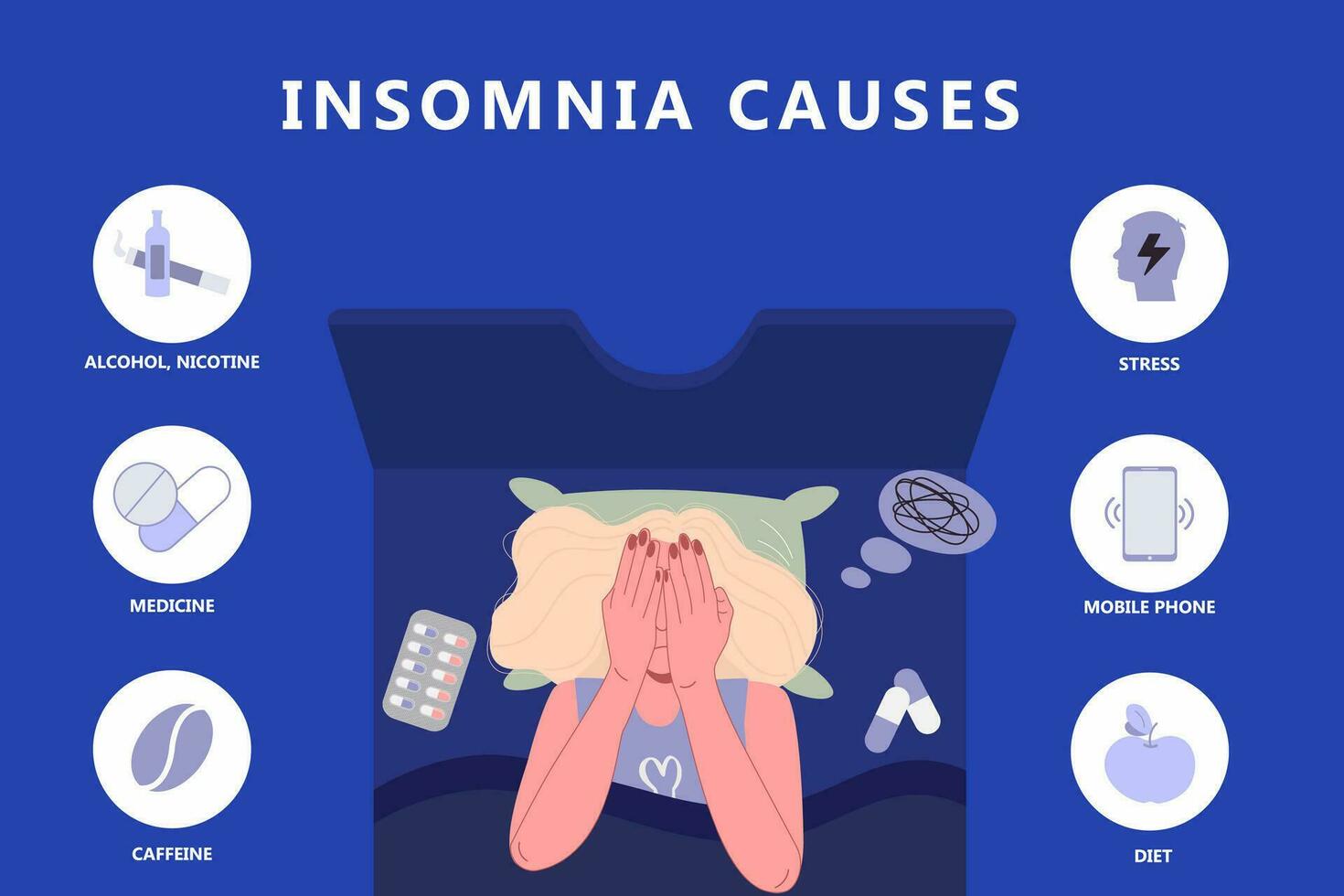
One of the most common causes of insomnia is stress and anxiety. Whether it's work-related stress, financial worries, or family issues, chronic stress can keep your mind active at night, making it difficult to fall asleep. Anxiety disorders, such as generalized anxiety disorder or post-traumatic stress disorder (PTSD), can also contribute to insomnia. According to the National Institute of Mental Health, anxiety disorders are a major risk factor for insomnia.
- Work-related stress: Long working hours, job insecurity, or a demanding workload can lead to stress and anxiety.
- Financial worries: Money problems or debt can cause significant stress and anxiety.
- Family issues: Conflicts with family members or relationship problems can lead to stress and anxiety.
- Anxiety disorders: Conditions like generalized anxiety disorder or PTSD can contribute to insomnia.
Medical Conditions: A Common Cause of Insomnia
Medical conditions, such as chronic pain, sleep apnea, and restless leg syndrome, can also cause insomnia. These conditions can disrupt sleep patterns, leading to difficulty falling asleep or staying asleep. Additionally, certain medications, such as those used to treat depression, ADHD, or high blood pressure, can interfere with sleep.
- Chronic pain: Conditions like fibromyalgia or arthritis can cause chronic pain, leading to insomnia.
- Sleep apnea: A sleep disorder that causes pauses in breathing during sleep, leading to insomnia.
- Restless leg syndrome: A condition that causes an uncontrollable urge to move the legs, leading to insomnia.
- Medications: Certain medications, such as those used to treat depression or ADHD, can interfere with sleep.
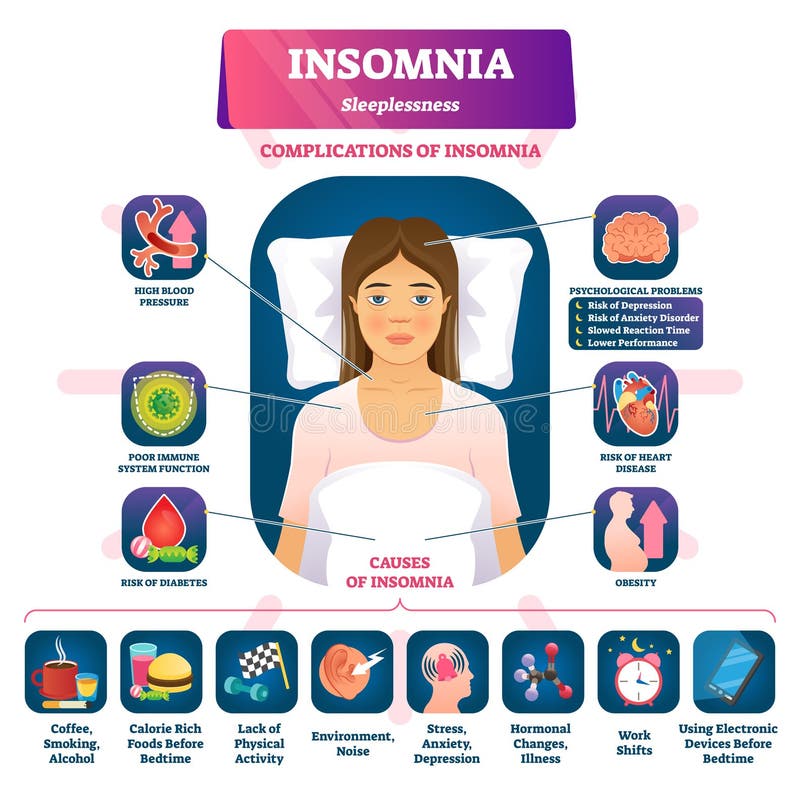
Lifestyle Factors: Contributing to Insomnia
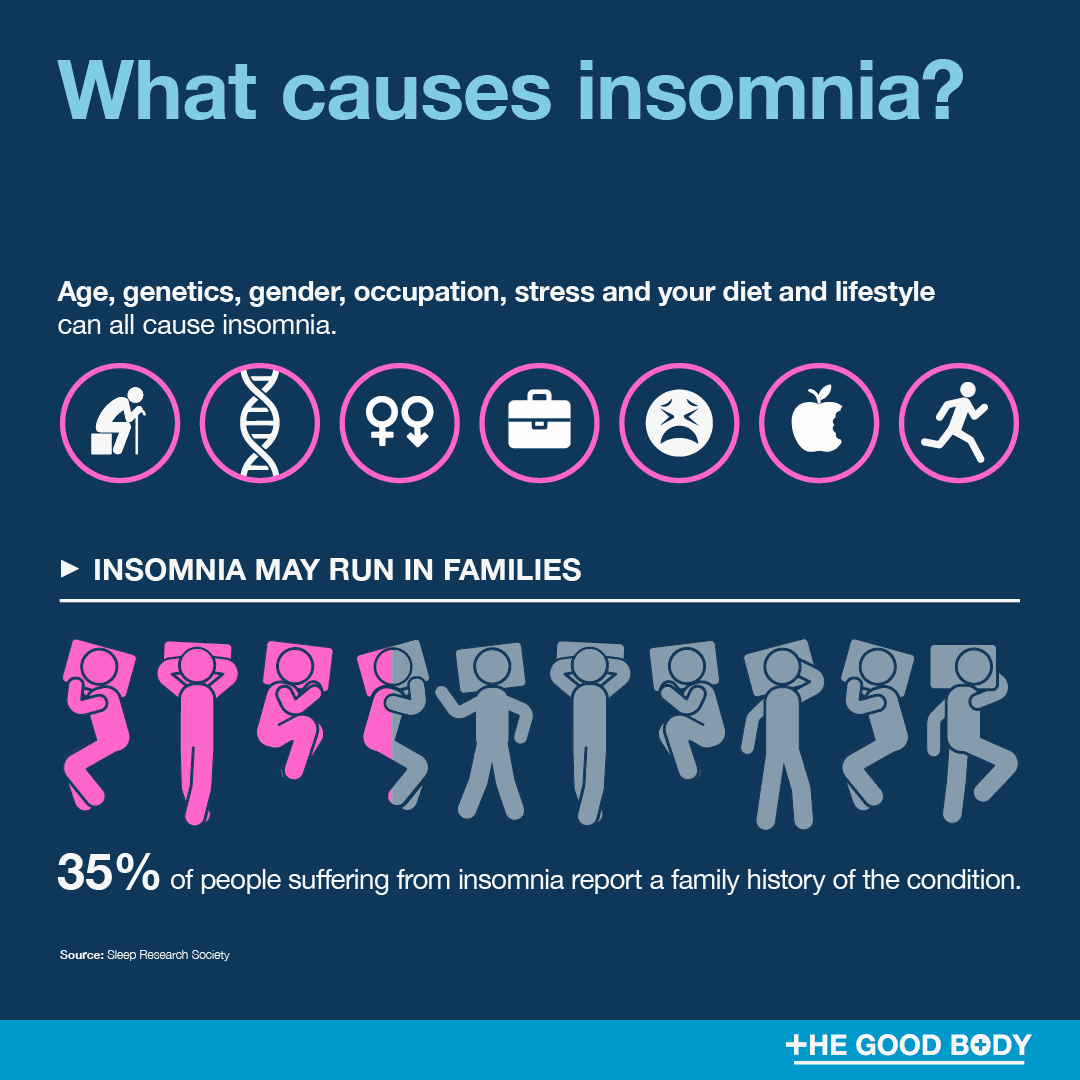
Lifestyle factors, such as irregular sleep schedules, poor sleeping habits, and excessive caffeine or nicotine consumption, can also contribute to insomnia. Additionally, a lack of physical activity, a poor diet, or exposure to screens before bedtime can disrupt sleep patterns.
- Irregular sleep schedules: Working non-traditional hours or traveling across time zones can disrupt sleep patterns.
- Poor sleeping habits: Factors like poor sleep hygiene, such as consuming heavy meals or exercising before bedtime, can contribute to insomnia.
- Excessive caffeine or nicotine: Consuming high amounts of caffeine or nicotine can interfere with sleep.
- Lack of physical activity: A sedentary lifestyle can contribute to insomnia.
Diagnosis and Treatment: Finding the Cause of Insomnia
If you are experiencing insomnia, it's essential to consult a healthcare professional to determine the underlying cause. A diagnosis may involve a physical exam, sleep study, or psychological evaluation. Treatment options may include lifestyle changes, cognitive behavioral therapy for insomnia (CBT-I), or medication. In some cases, treating an underlying medical condition or addressing a sleep-related disorder may resolve insomnia.
Conclusion
Insomnia is a complex sleep disorder that can be caused by a variety of factors, including stress, anxiety, medical conditions, and lifestyle factors. By understanding the causes of insomnia, individuals can take steps to prevent or alleviate this condition. If you are experiencing insomnia, consult a healthcare professional to determine the underlying cause and develop a treatment plan.