Managing Hyperconnectivity in a Healthy Way
In today's digital age, we are constantly connected to a network of digital communication tools that have revolutionized the way we live, work, and interact with each other. However, this hyperconnectivity has also led to a range of negative consequences, including information overload, mental health issues, and decreased productivity. In this article, we will explore the impact of hyperconnectivity on our mental health and provide practical strategies for managing it in a healthy way.
The Impact of Hyperconnectivity on Mental Health
Hyperconnectivity refers to the constant and immediate access to a network of digital communication tools that connect people to each other and the world at large. The invention of the smartphone and the rise of social media platforms have led to a culture of perpetual online presence. People are no longer just connected to their friends and family, but also to a vast network of strangers, news outlets, and information sources. This constant stream of information can be overwhelming, leading to feelings of anxiety, stress, and depression.
According to a study by the American Psychological Association, more than 60% of individuals report feeling overwhelmed by the amount of information they receive on a daily basis. This can lead to a state of hyperarousal, where individuals are constantly "on the go" and unable to disconnect from their devices. This can have serious consequences for mental health, including increased stress levels, decreased sleep quality, and a weakened immune system.
Strategies for Managing Hyperconnectivity
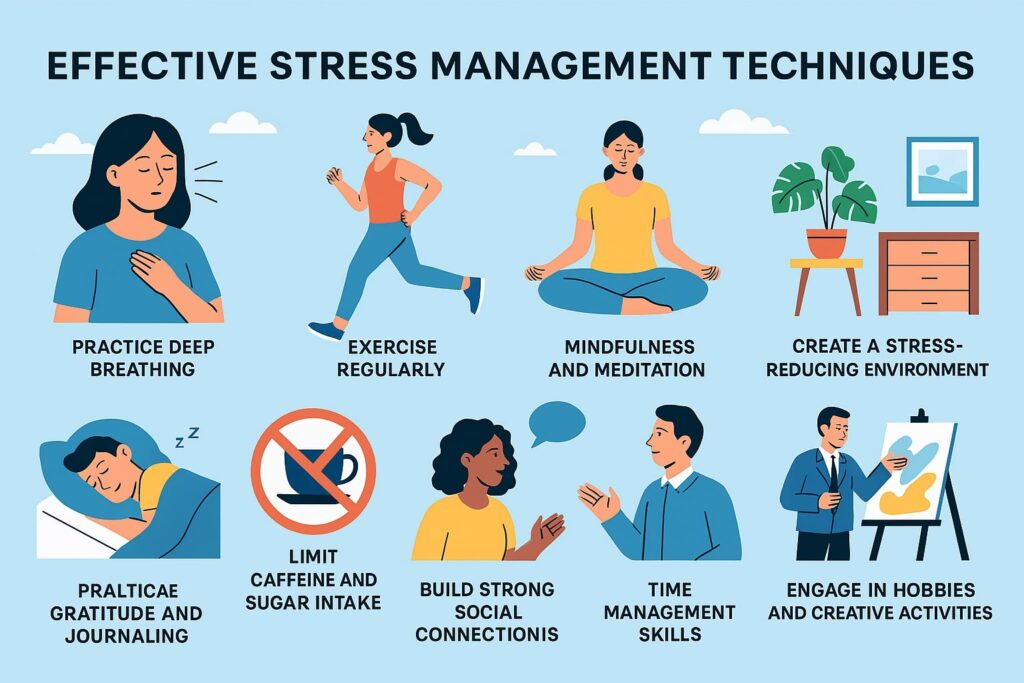
So, how can we manage hyperconnectivity in a healthy way? Here are some practical strategies to help you reduce the negative impacts of hyperconnectivity and maintain a healthy work-life balance:

- Set boundaries**: Establish clear boundaries around your digital use, such as not checking work emails or social media outside of work hours.
- Practice digital detox**: Regularly disconnect from your devices and engage in activities that promote relaxation and stress reduction, such as meditation, yoga, or reading.
- Use technology wisely**: Use digital tools to streamline communication and optimize your workflow, but avoid overusing them.
- Prioritize face-to-face interaction**: Make time for in-person interactions with friends, family, and colleagues to maintain strong social connections.
- Seek professional help**: If you're struggling with the mental health impacts of hyperconnectivity, consider seeking help from a therapist or counselor.
Benefits of Managing Hyperconnectivity
By managing hyperconnectivity in a healthy way, you can experience a range of benefits, including:
- Improved mental health**: Reduced stress levels, improved mood, and enhanced overall well-being.
- Increased productivity**: By setting boundaries and using technology wisely, you can stay focused and productive without feeling overwhelmed.
- Better work-life balance**: By disconnecting from work-related tasks outside of work hours, you can maintain a healthy balance between your personal and professional life.
- Stronger relationships**: By prioritizing face-to-face interaction, you can build stronger, more meaningful relationships with friends, family, and colleagues.
Conclusion
Hyperconnectivity is a double-edged sword – while it has revolutionized the way we live and work, it also poses significant risks to our mental health. By understanding the impact of hyperconnectivity and implementing strategies to manage it, we can reduce the negative consequences and maintain a healthy work-life balance. By prioritizing face-to-face interaction, setting boundaries, and using technology wisely, we can harness the benefits of hyperconnectivity while minimizing its risks.