Improving Attention Span through Mindfulness and Self-Awareness
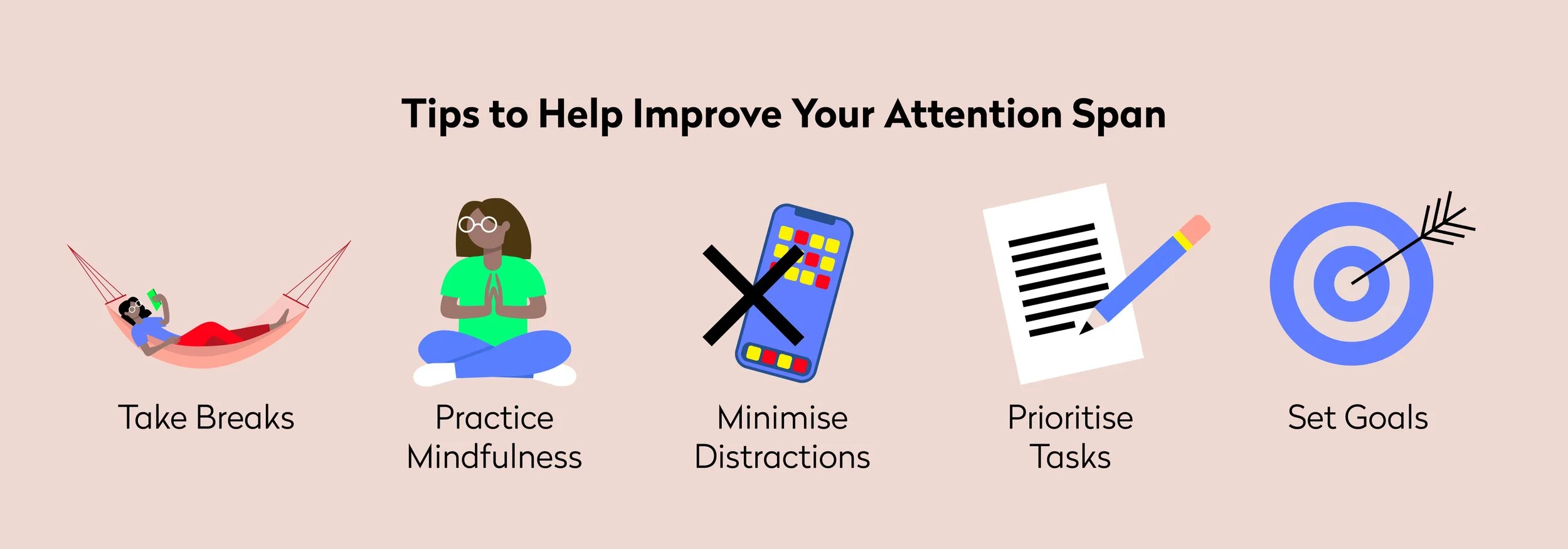
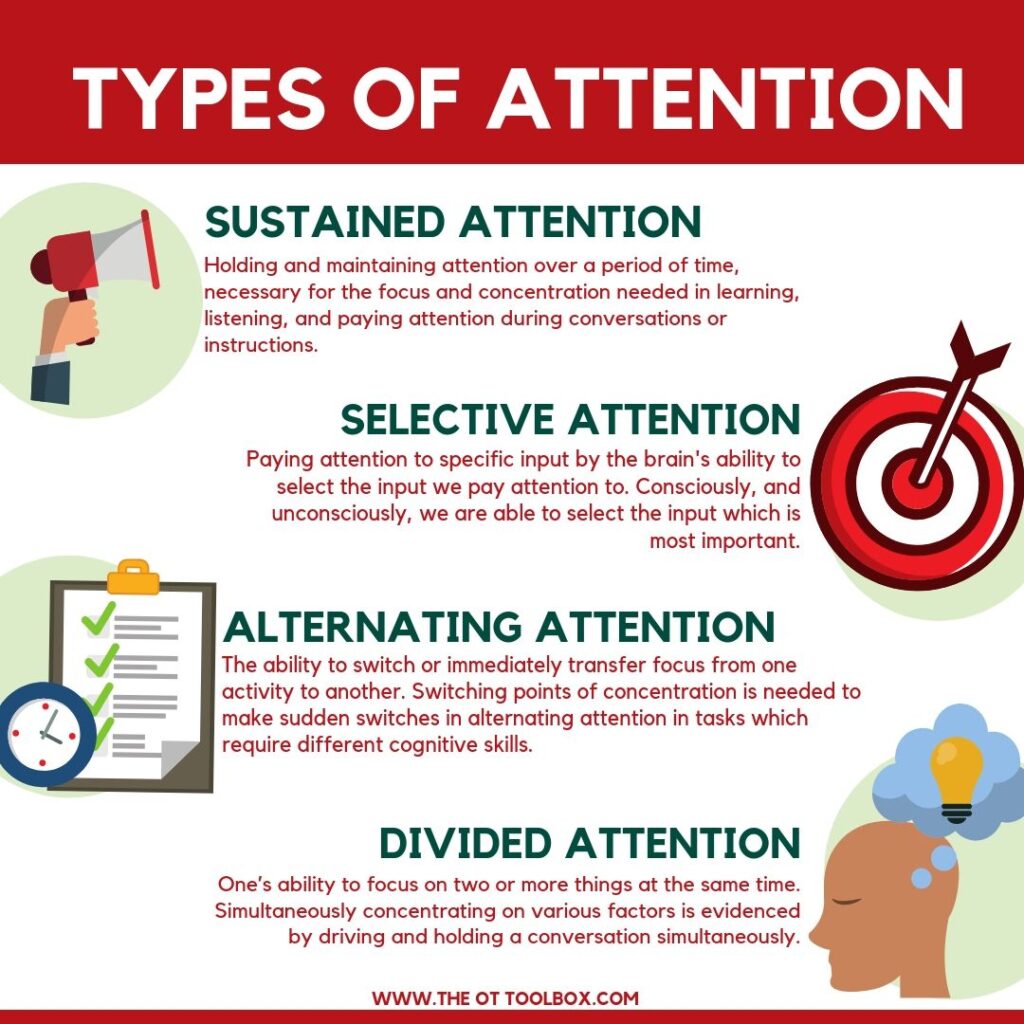
In today's fast-paced world, maintaining a strong attention span is essential for both personal and professional success. With the constant distraction of social media, email, and text notifications, it's easy to get sidetracked and struggle to focus on a single task. However, there is a way to improve your attention span and overcome distractions – through the practice of mindfulness and self-awareness.
The Benefits of Mindfulness
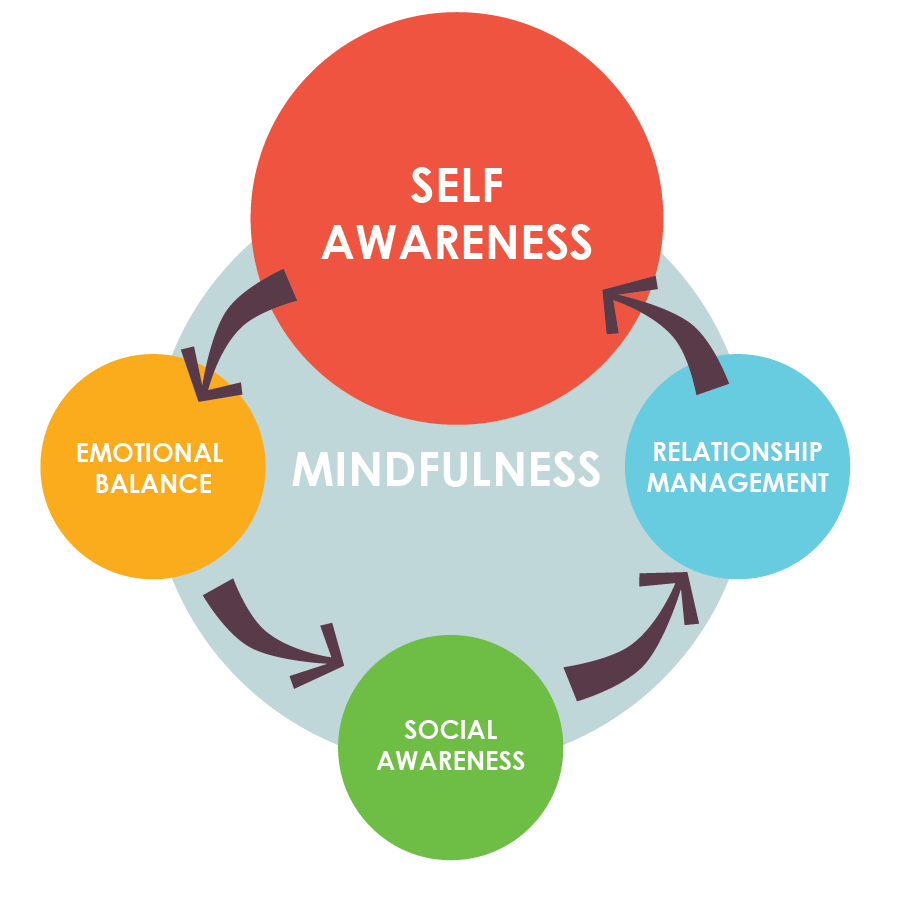
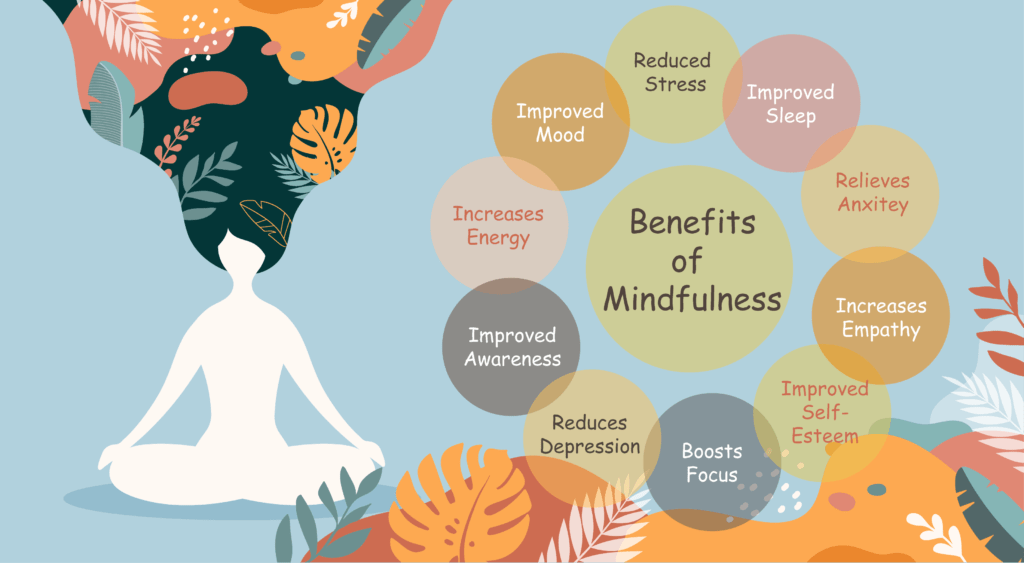
Mindfulness is the practice of being fully present and engaged in the moment, without judgment or distraction. Regular mindfulness practice has been shown to improve attention span, memory, mood, and emotional regulation. By cultivating mindfulness, you can increase your ability to focus, stay concentrated, and navigate distractions more effectively.
What is Self-Awareness?
Self-awareness refers to the perception of our emotions, behaviors, and motivations. It's the ability to recognize and understand our thoughts, feelings, and actions, and to develop an awareness of our strengths and weaknesses. Self-awareness is essential for improving attention span, as it helps us to identify and manage distractions, stay focused, and maintain motivation.
Mindfulness Exercises for Improved Focus
Mindfulness exercises can be incredibly beneficial for enhancing focus and attention. These exercises, which are rooted in meditation practices, can help you overcome distractions and cultivate a state of focused awareness. By incorporating these mindfulness exercises into your daily routine, you can experience a significant improvement in your attention span and ability to stay focused.
Seven Mindfulness Practices for Increasing Self-Awareness and Personal Growth
- Body Scan Meditation: Lie down or sit comfortably, and bring your attention to different parts of your body, starting from your toes and moving up to the top of your head.
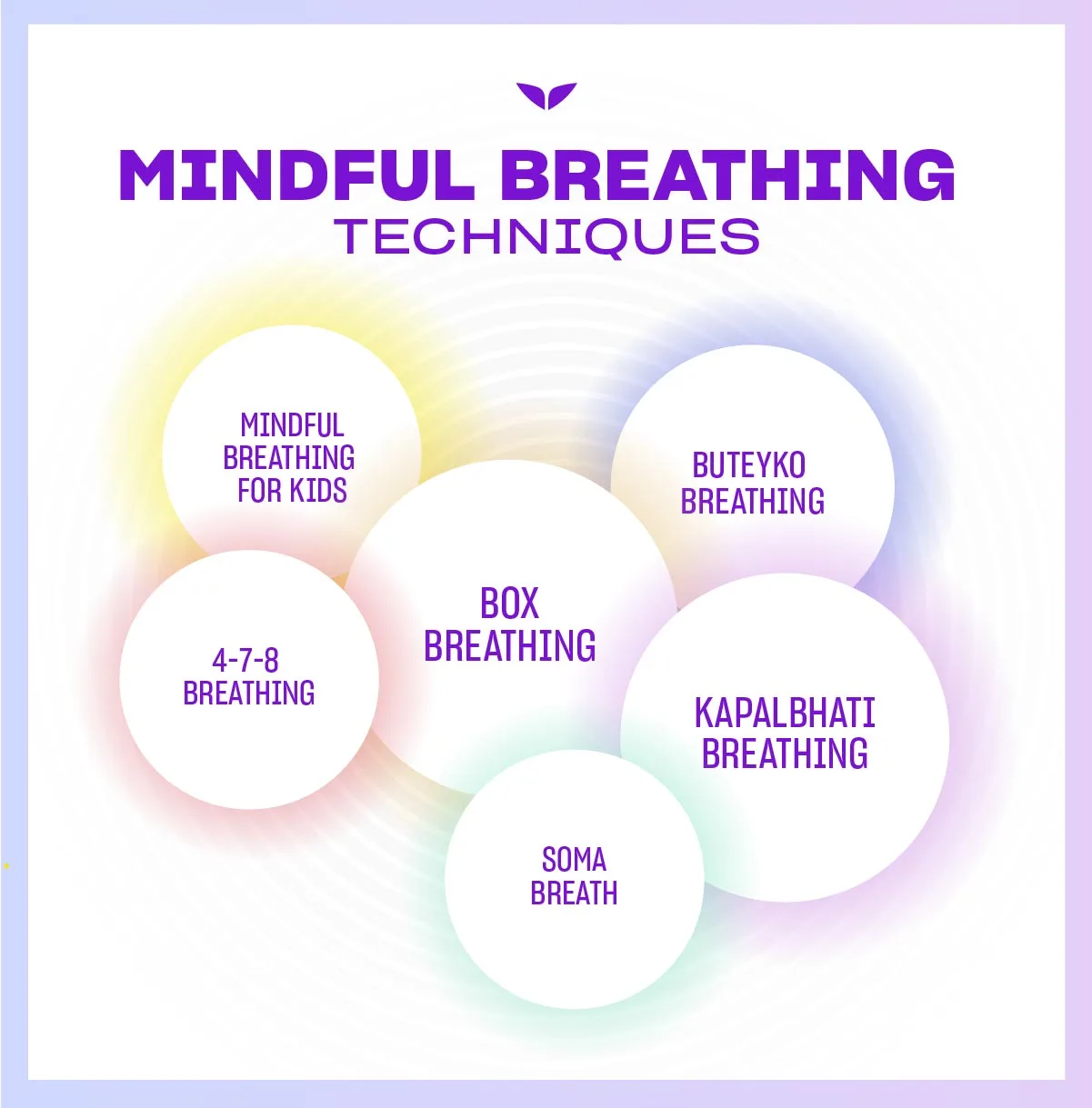
- Mindful Breathing: Focus your attention on your breath, feeling the sensation of the air entering and leaving your nostrils.
- Mindful Walking: Pay attention to your walking, noticing the sensation of your feet touching the ground, the movement of your legs, and the rhythm of your breath.
- Loving-Kindness Meditation: Focus your attention on sending kindness and compassion to yourself and others.
- Gratitude Practice: Reflect on the things you are grateful for, no matter how small they may seem.
- Self-Inquiry: Ask yourself questions like "What am I thinking?" "What am I feeling?" and "What am I doing?" to increase your self-awareness.
- Mindful Movement: Engage in physical activities like yoga or tai chi with a mindful attitude, paying attention to your breath, posture, and movements.
How to Practice Mindfulness in Daily Life
Practicing mindfulness in daily life can be as simple as paying attention to your breath, noticing your thoughts and emotions, and engaging in activities with a mindful attitude. Here are some tips to help you get started:
- Start small: Begin with short mindfulness exercises, such as taking a few deep breaths or noticing your thoughts and emotions for a minute or two.
- Be consistent: Try to practice mindfulness at the same time every day, such as first thing in the morning or before bed.
- Find a quiet space: Identify a quiet and comfortable space where you can practice mindfulness without distractions.
- Be gentle with yourself: Remember that mindfulness is a practice, and it's okay if your mind wanders or you feel distracted.
- Seek guidance: Consider working with a mindfulness teacher or using guided mindfulness apps to help you get started.
Conclusion
Improving attention span through mindfulness and self-awareness requires practice, patience, and dedication. By incorporating mindfulness exercises into your daily routine and cultivating self-awareness, you can enhance your ability to focus, stay concentrated, and navigate distractions more effectively. Remember, the key to mindfulness is to approach it with an open and non-judgmental attitude, and to be gentle with yourself as you develop this skill.