Improving Attention Span in Individuals with Autism: Strategies and Techniques
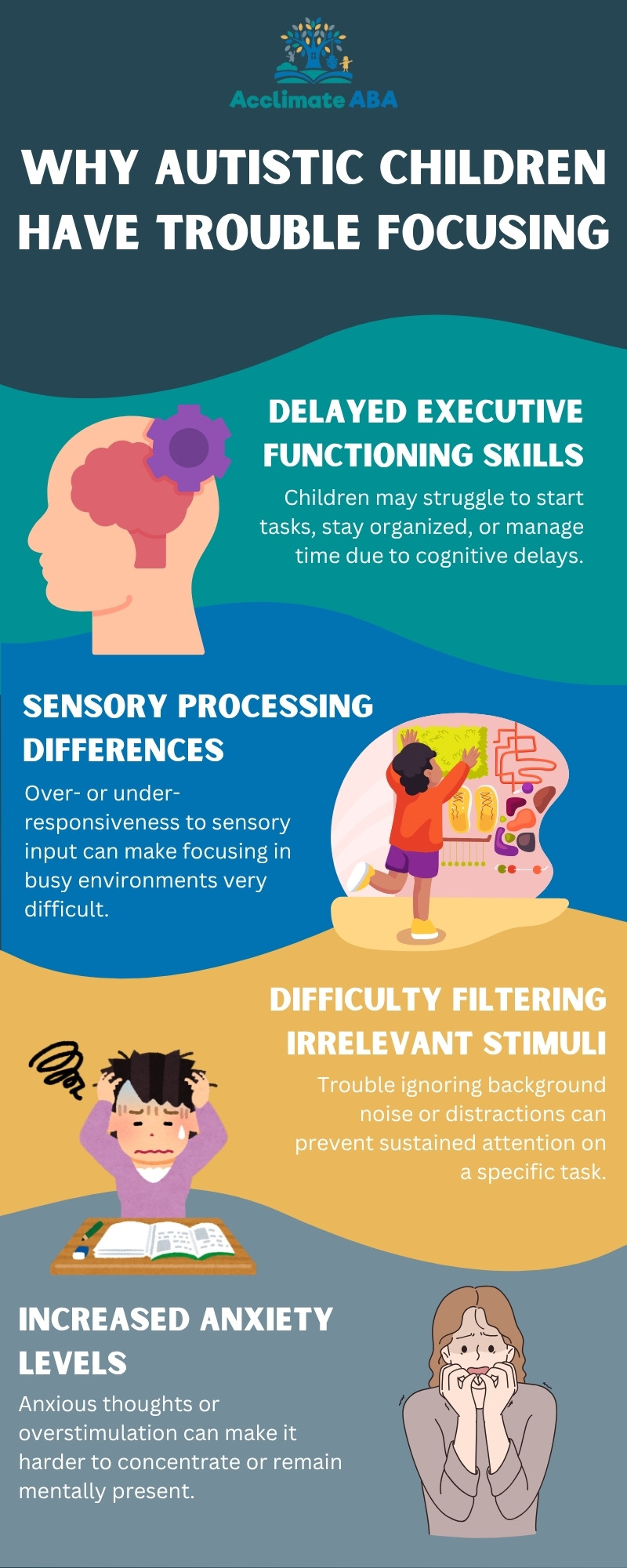
Improving attention span in individuals with autism is a common challenge, with research showing that up to 70% of individuals with autism also meet criteria for ADHD, a condition closely tied to focus and impulse control difficulties. This overlap means many autistic children experience struggles with sustaining attention, especially in noisy or unstructured settings.
Sensory-Friendly Techniques and Physical Activity
Lots of individuals with autism respond well to sensory-friendly techniques, such as providing a comfortable environment, using visual schedules, and engaging in physical activities. Physical activity is a vital element in improving attention span. Exercise can enhance cognitive development, build self-confidence, and promote social skills. Activities like music, dance, and sports can help autistic children channel their excess energy and improve attention to specific tasks.
ABA Therapy and Practical At-Home Strategies
Applied Behavior Analysis (ABA) therapy is a well-established treatment for autism. ABA involves breaking down skills and behaviors into manageable components, with the aim of building new skills. Practitioners use rewards or positive reinforcement to encourage desired behaviors. At home, parents can implement similar strategies, such as using visual timers, creating a routine, and engaging in activities that stimulate social interaction.
Interactive Media and Technology
Interactive media can be a powerful tool in improving attention span in individuals with autism. Audiovisual books and learning apps that capture their interest can help them focus for longer periods of time. For instance, interactive stories, videos, and games can stimulate their minds and encourage engagement. This innovative technology is often used in schools and home-based therapy to improve attention, cognitive development, and communication skills.
Structured Interventions and Supportive Professionals
Research indicates that structured interventions, combined with individual evaluations, significantly enhance attention spans and cognitive function in children with autism. Supportive professionals help implement routines and strategies that can lead to improved engagement in social and educational contexts.
Misconceptions and Myths about Attention Span and Autism
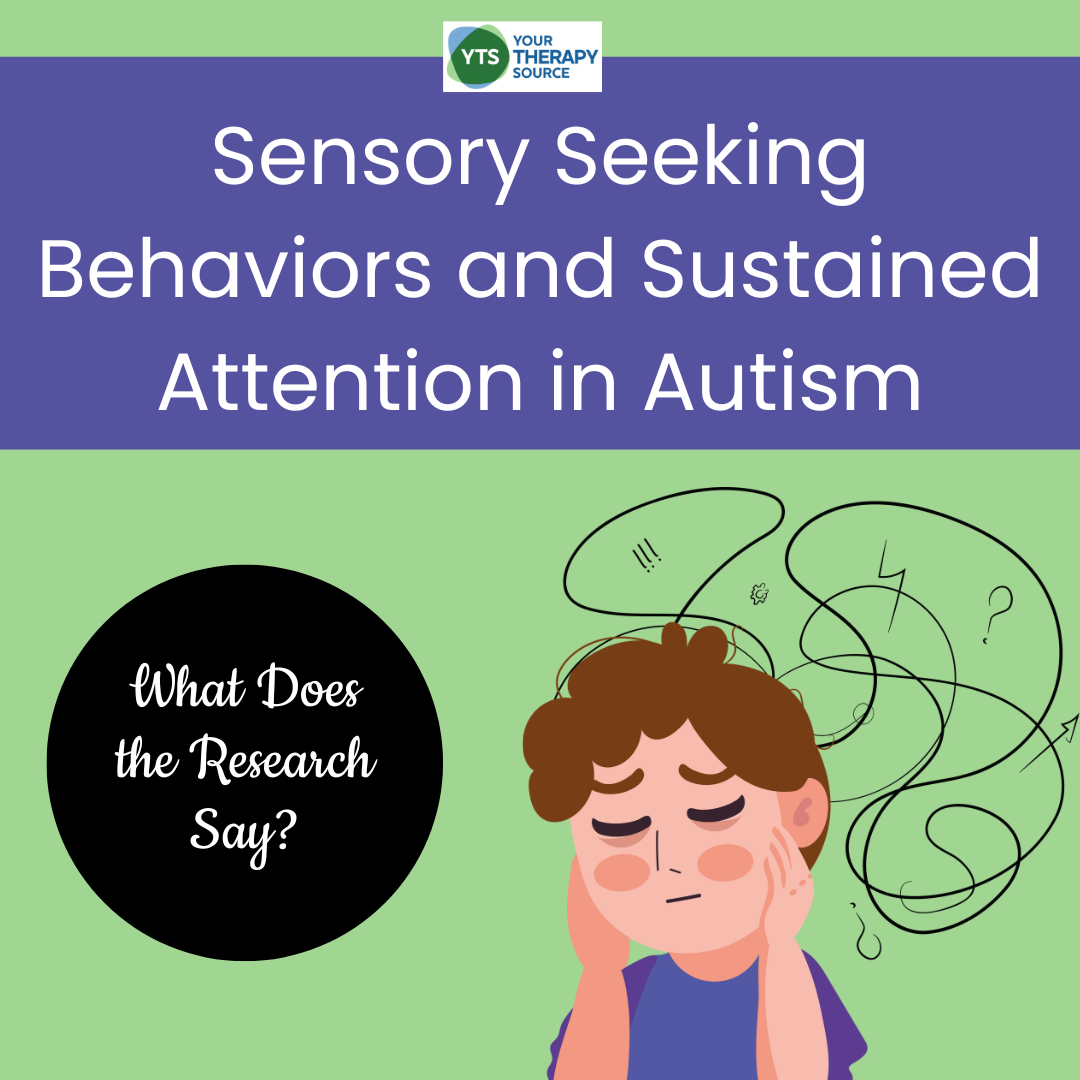
Myths surrounding attention span in autism can have detrimental effects on how individuals with autism are perceived and supported. Misconceptions such as short attention spans equating to disinterest or the belief that attention spans can't improve can lead to misguided interventions and lowered expectations for individuals with autism. It's essential to debunk these myths and promote an understanding of the complex nature of autism and attention.
Attention Autism Approach for Supporting Children with Autism
The Attention Autism Approach is a practical and engaging way to support children with autism. This structured program emphasizes early focus development, engagement, and turn-taking skills. Practitioners have adopted this approach in various settings to improve attention, social interaction, and communication skills in young people with autism.
Creating an Optimal Workspace for Individuals with Autism
Enhancing attention and concentration in individuals with autism requires creating an environment that supports their specific needs. Parents and caregivers can provide an optimal workspace for kids with autism by minimizing distractions, reducing background noise, and utilizing physical activity to promote focus. This can be achieved by incorporating sensory-friendly elements and using strategies like providing frequent breaks and visual reminders.
Early Signs of Autism and Early Intervention
Early intervention plays a vital role in addressing attention-related challenges in autism. Identifying early signs of autism, such as behavioral and developmental indicators, can enable parents and caregivers to provide targeted support and treatment. The Jewel Autism Centre UAE offers early intervention programs and assessments for young individuals with autism.
Understanding Attention Deficits and Hyperactivity Disorder (ADHD)
Understanding the complexities of attention deficit hyperactivity disorder (ADHD) is crucial for addressing attention span challenges in individuals with autism. ADHD is characterized by symptoms of inattention, hyperactivity, impulsivity, and emotional dysregulation, impairing multiple contexts and developmentally inappropriate. ADHD symptoms arise from executive dysfunction, necessitating tailored strategies and interventions to enhance focus and attention.