Expired Seizure Medication Safety: What You Need to Know
As a person with epilepsy, managing your seizures effectively is crucial to maintaining a healthy and active lifestyle. However, what happens when your seizure medication expires? Can you still use it safely, or is it best to dispose of it and get a new prescription?
Understanding Drug Expiration Dates
Before we dive into the specifics of expired seizure medication safety, it's essential to understand the concept of drug expiration dates. The expiration date on a medication label is the final day that the manufacturer guarantees the full potency and safety of the medicine. After this date, the medication may still be usable, but its effectiveness and safety cannot be guaranteed.
Expired Medications: A Guide to Safety
- Most solid medications, including many over-the-counter (OTC) and prescription medications, generally lose potency over time but remain safe to use.
- Certain medications, however, such as seizure medications, insulin, epinephrine pens, and thyroid medications, should never be used past their expiration date due to potential risks and complications.
- Expired medications may lose their potency, but they can still pose health risks if they are contaminated or have undergone changes in their composition.
- It's essential to note that expired medications are not always dangerous; however, it's challenging to know which ones are safe to use without consulting a healthcare professional.
Factors Affecting Expiration Date Safety
The safety and efficacy of a medication depend on various factors, including its potency, stability, and shelf life. Here are some key factors that influence the safety of expired medications:
- Storage conditions: Heat, moisture, and light exposure can affect the stability and potency of medications. Proper storage conditions can extend the shelf life of medications.
- Handling and packaging: Improper packaging or handling can lead to contamination, spoilage, or degradation of medications.
- Manufacturing quality: The quality of the manufacturing process, including the use of high-quality raw materials and adherence to Good Manufacturing Practices (GMPs), can significantly impact the safety and efficacy of medications.

Seizure Medication Expiration Safety
Seizure medications are a critical aspect of epilepsy management. However, the safety of expired seizure medications is a topic of concern. Here are some key takeaways:
- Keppra, a commonly used anti-epileptic drug, has a short shelf life and should not be used past its expiration date.
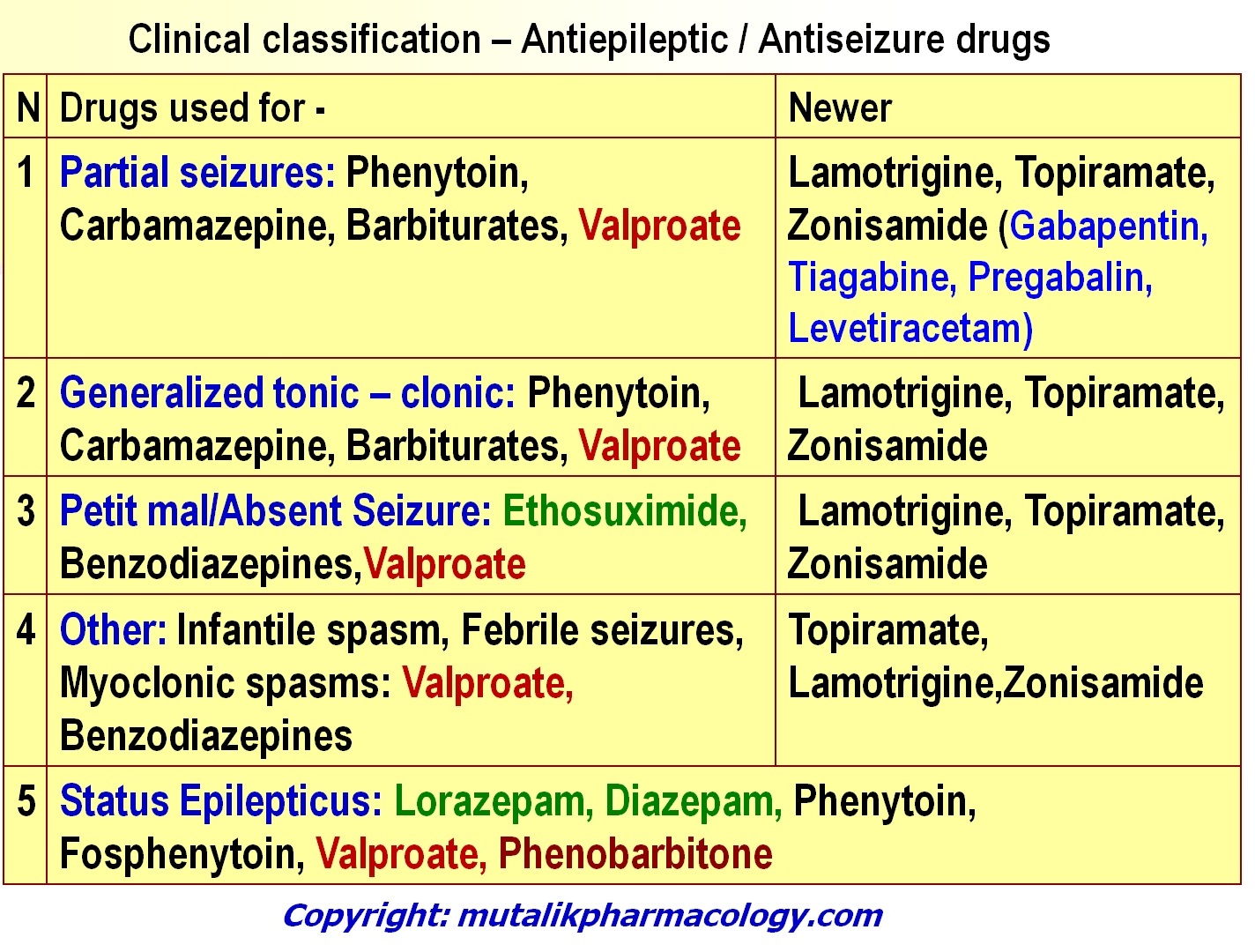
- Other seizure medications, such as valproate and lamotrigine, may still be usable past their expiration date but may have reduced potency or stability. It's essential to consult a healthcare professional before using expired seizure medications.
- Expired seizure medications may not be effective, which can lead to breakthrough seizures and other complications.
Proper Storage and Disposal of Medications
Storing and disposing of medications properly is crucial to ensuring their safety and efficacy. Here are some tips:
- Store medications in a cool, dry place, away from direct sunlight and heat sources.
- Keep medications in their original packaging, and do not crush or break tablets.
- Do not dispose of medications in the trash or down the drain. Instead, use a medication take-back program or dispose of them in a secure and confidential manner.
- Check with your healthcare professional or local pharmacy for guidance on medication storage and disposal.
Conclusion
Expired seizure medication safety is a complex issue, and it's essential to consult a healthcare professional before using medications past their expiration date. By understanding the factors that affect medication potency and safety, you can make informed decisions about your epilepsy management and medication storage and disposal. Remember, the mandated expiration date is in place to ensure the safety and effectiveness of medications, so it's best to err on the side of caution when it comes to expired medications.