How to Secure WiFi Network Using DNS: A Comprehensive Guide
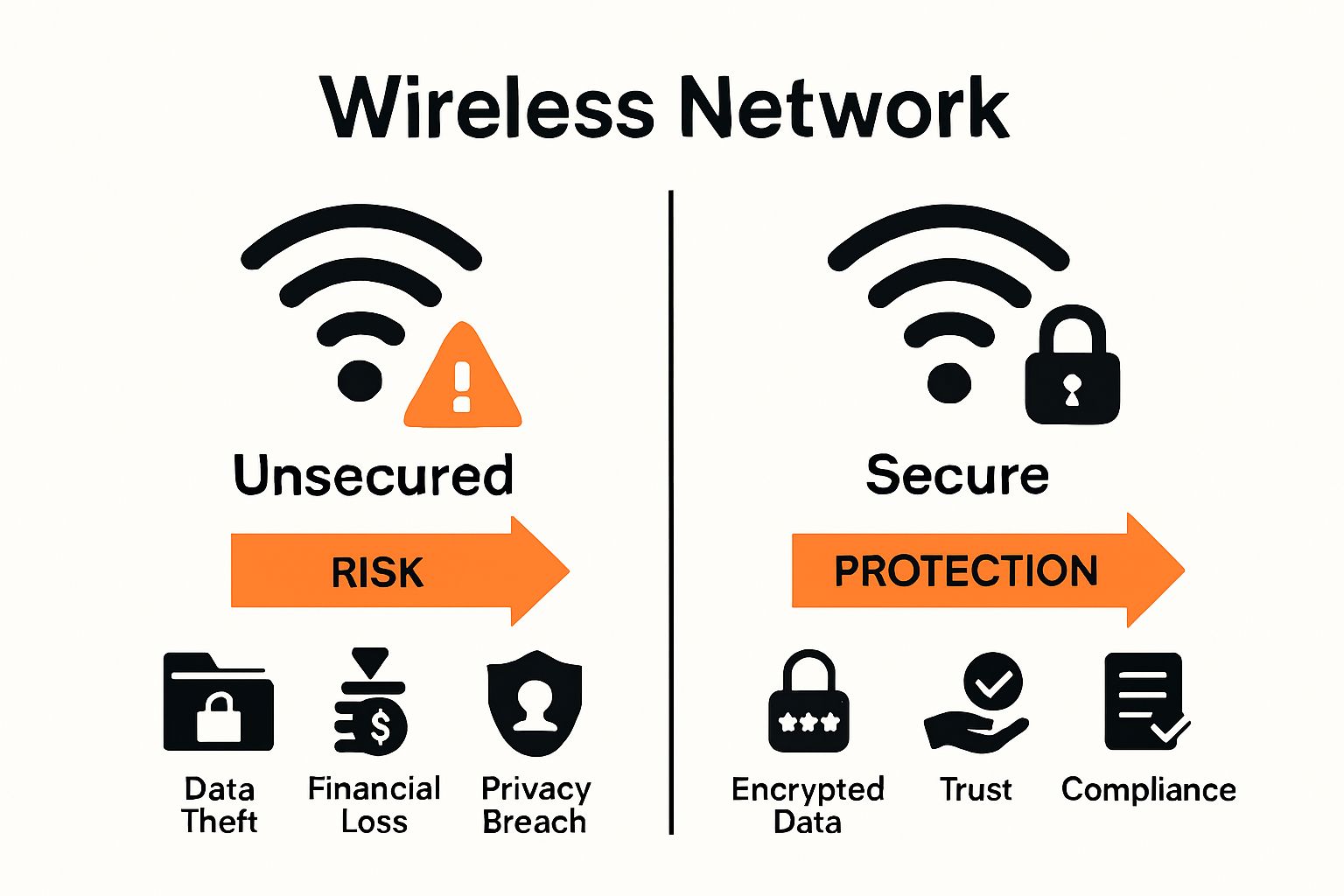
Securing a WiFi network is crucial in today's digital age, where cyber threats are becoming increasingly sophisticated. One of the most effective ways to protect your network is by using DNS (Domain Name System) filtering, segmentation, captive portals, and encrypted traffic. In this article, we will explore the best DNS practices and security measures to keep your WiFi network safe and secure.
The Importance of DNS in WiFi Networks
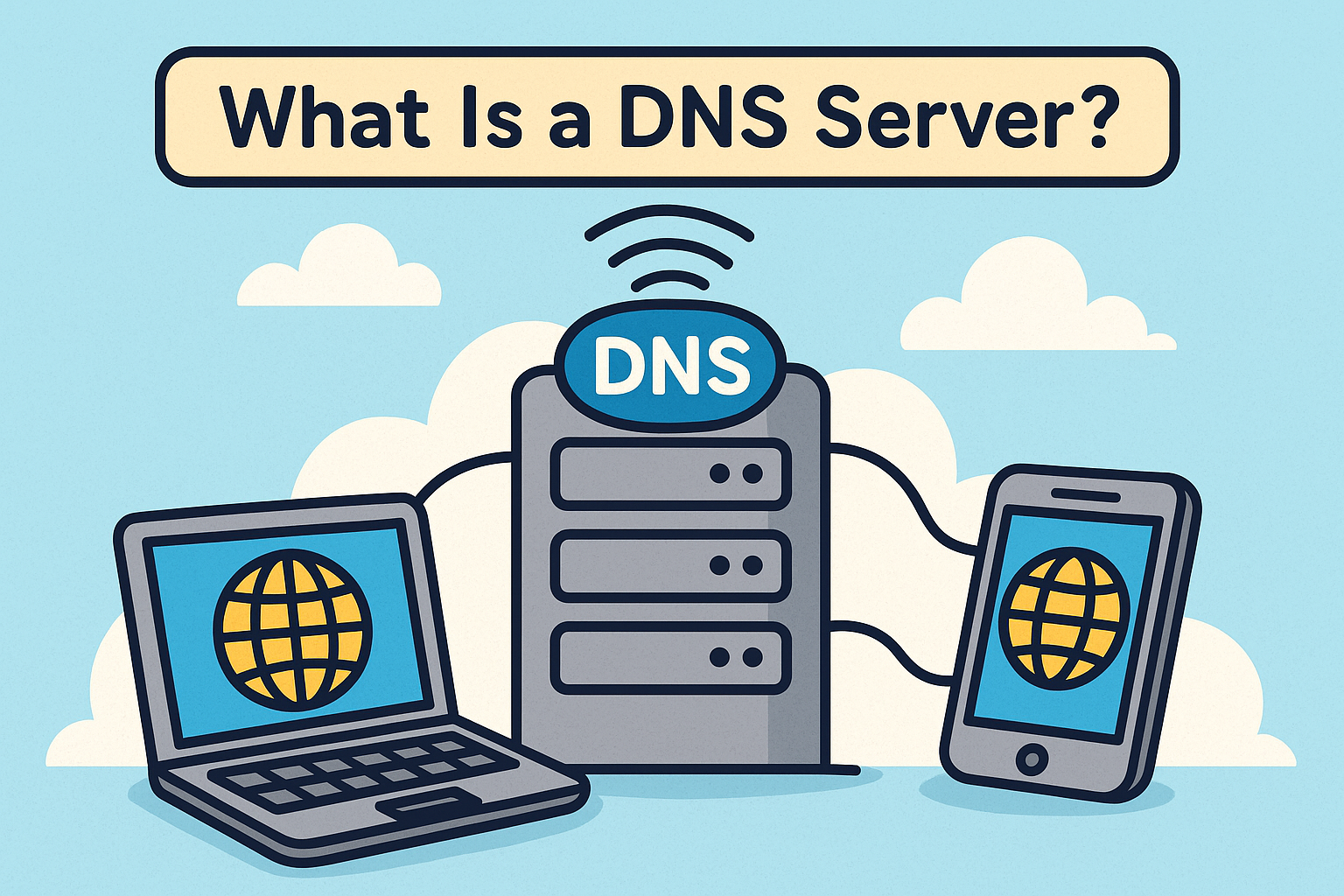
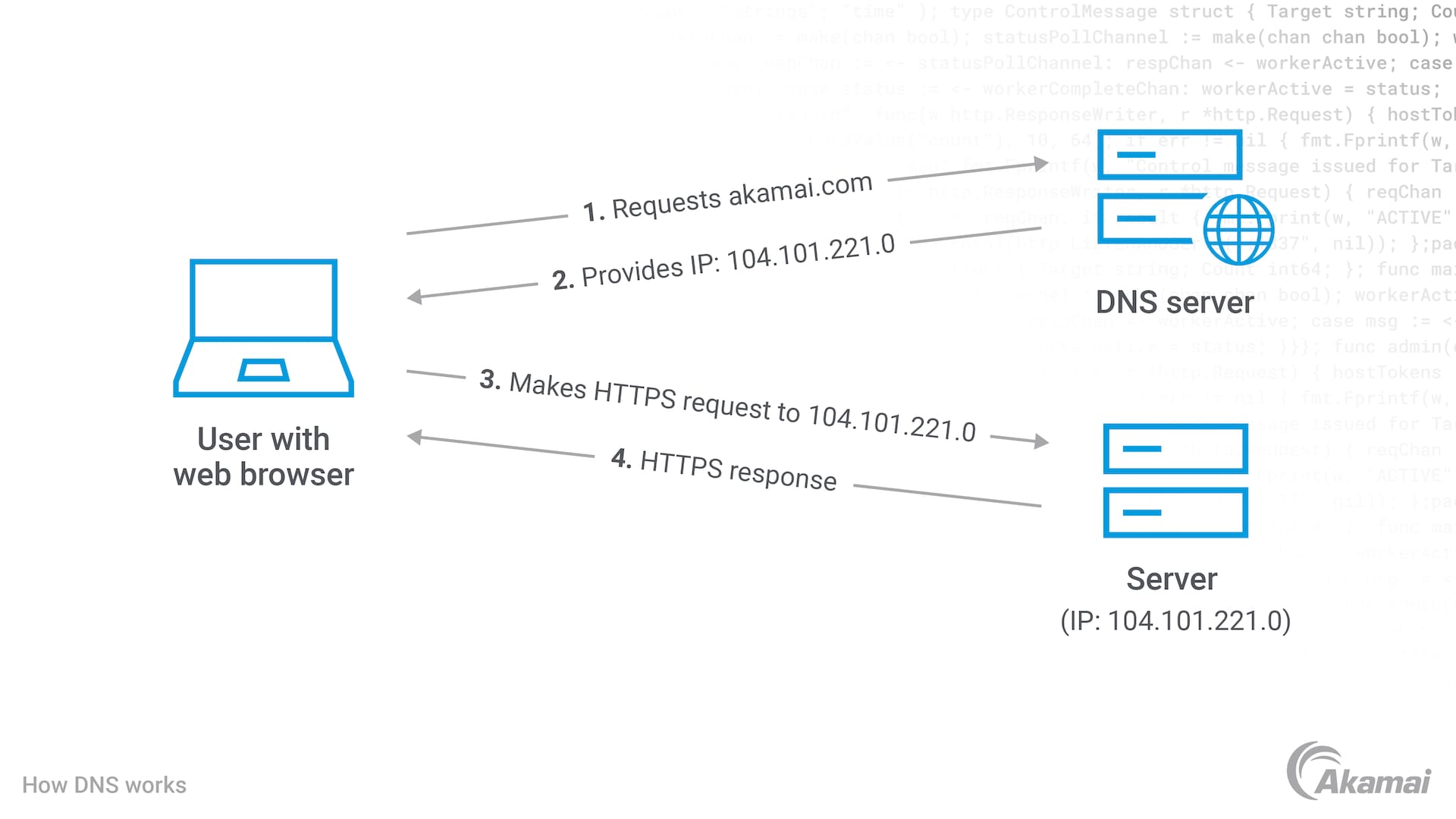
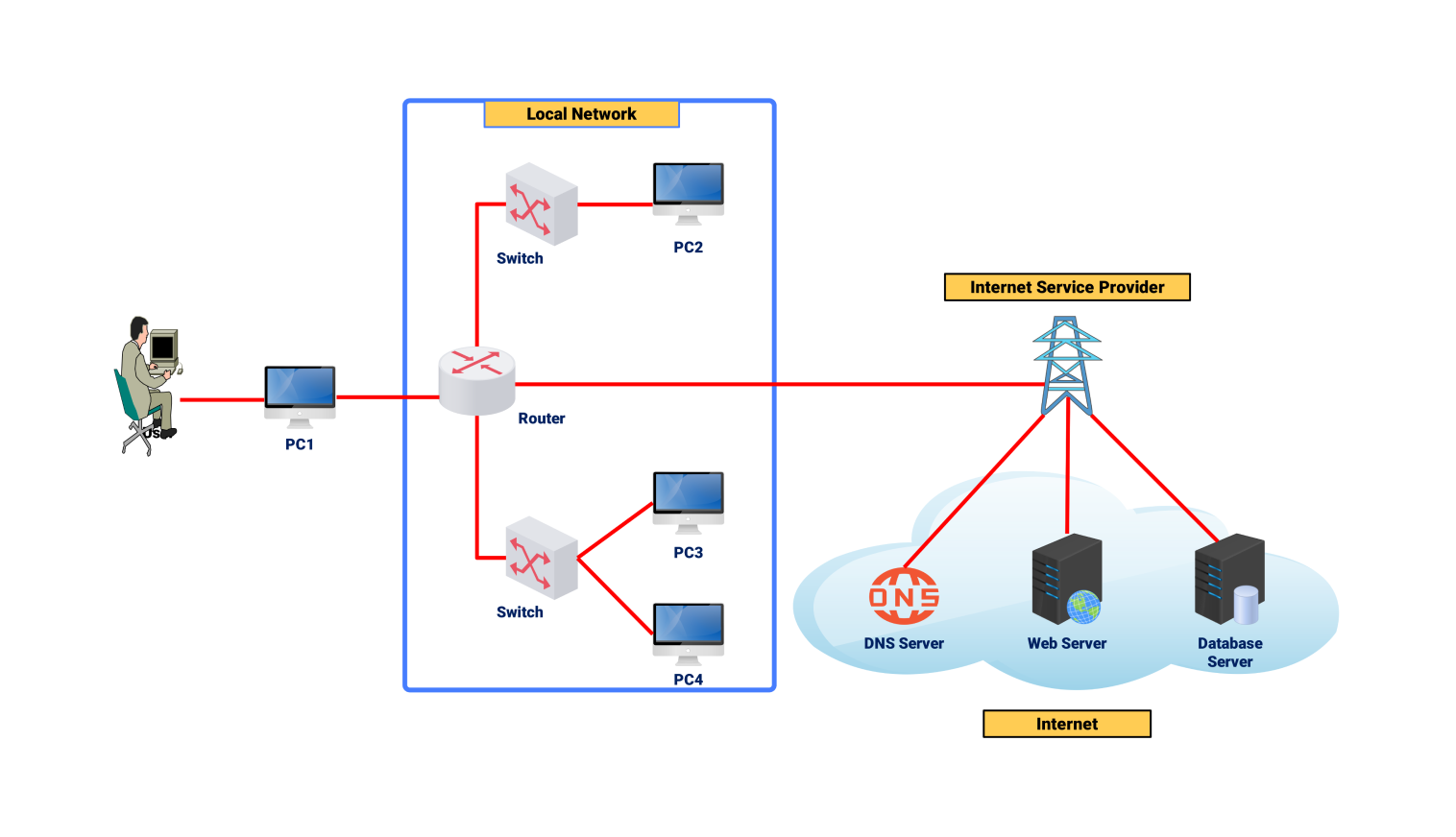
The DNS is a critical component of every organization's security posture, translating domain names into IP addresses that enable devices to communicate with each other. However, DNS vulnerabilities can lead to various cyber threats, including malware, phishing, and DNS spoofing. By implementing DNS filtering and segmentation, you can improve your network's overall security and performance.
How to Secure WiFi Network Using DNS
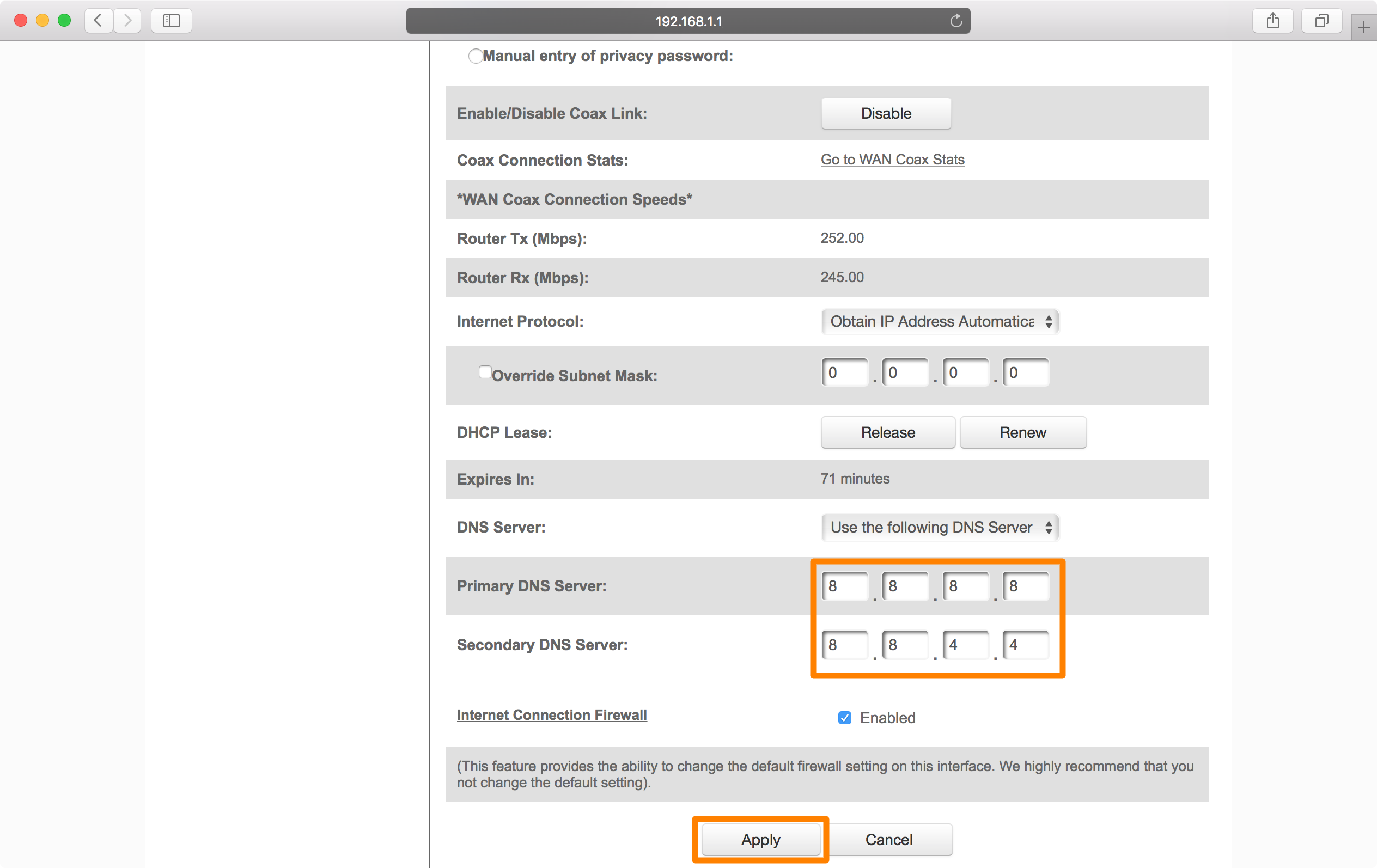
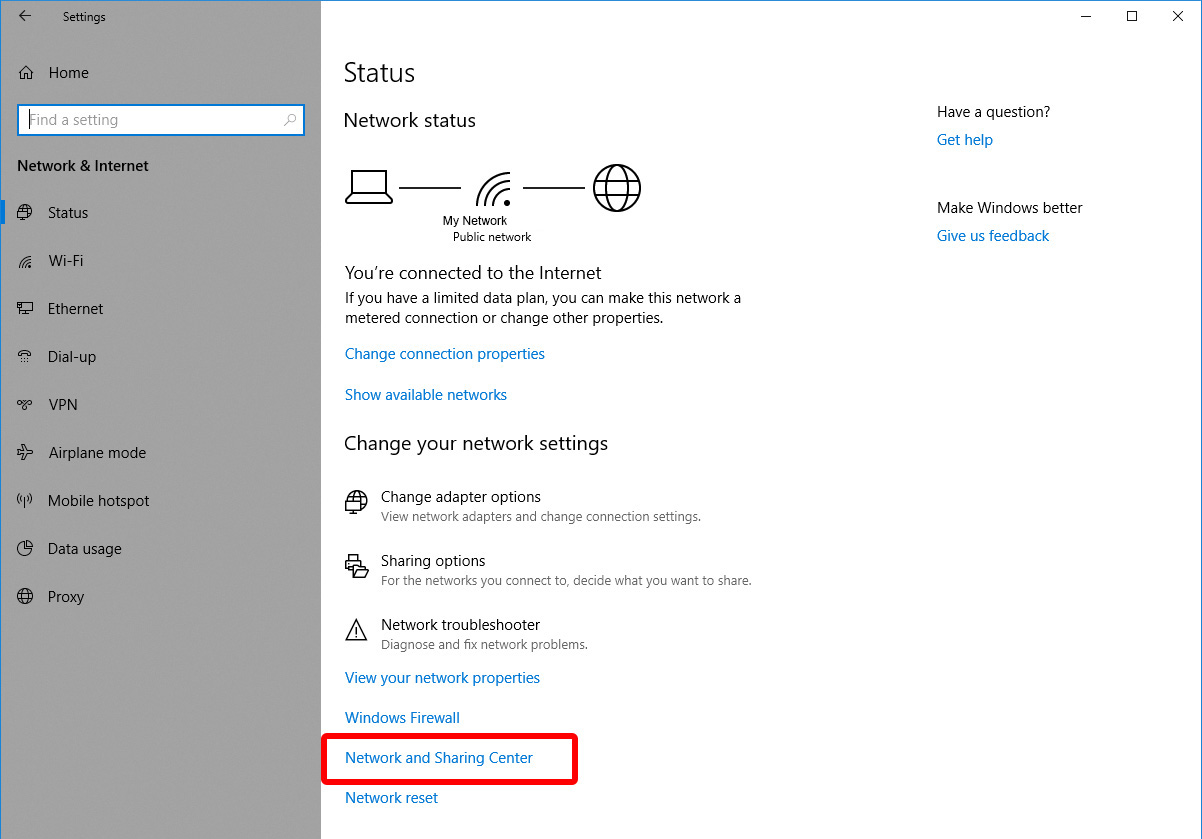
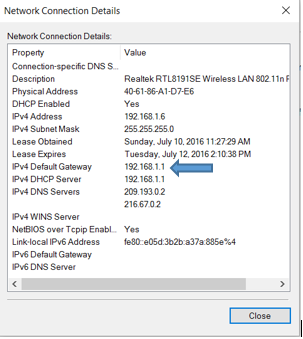
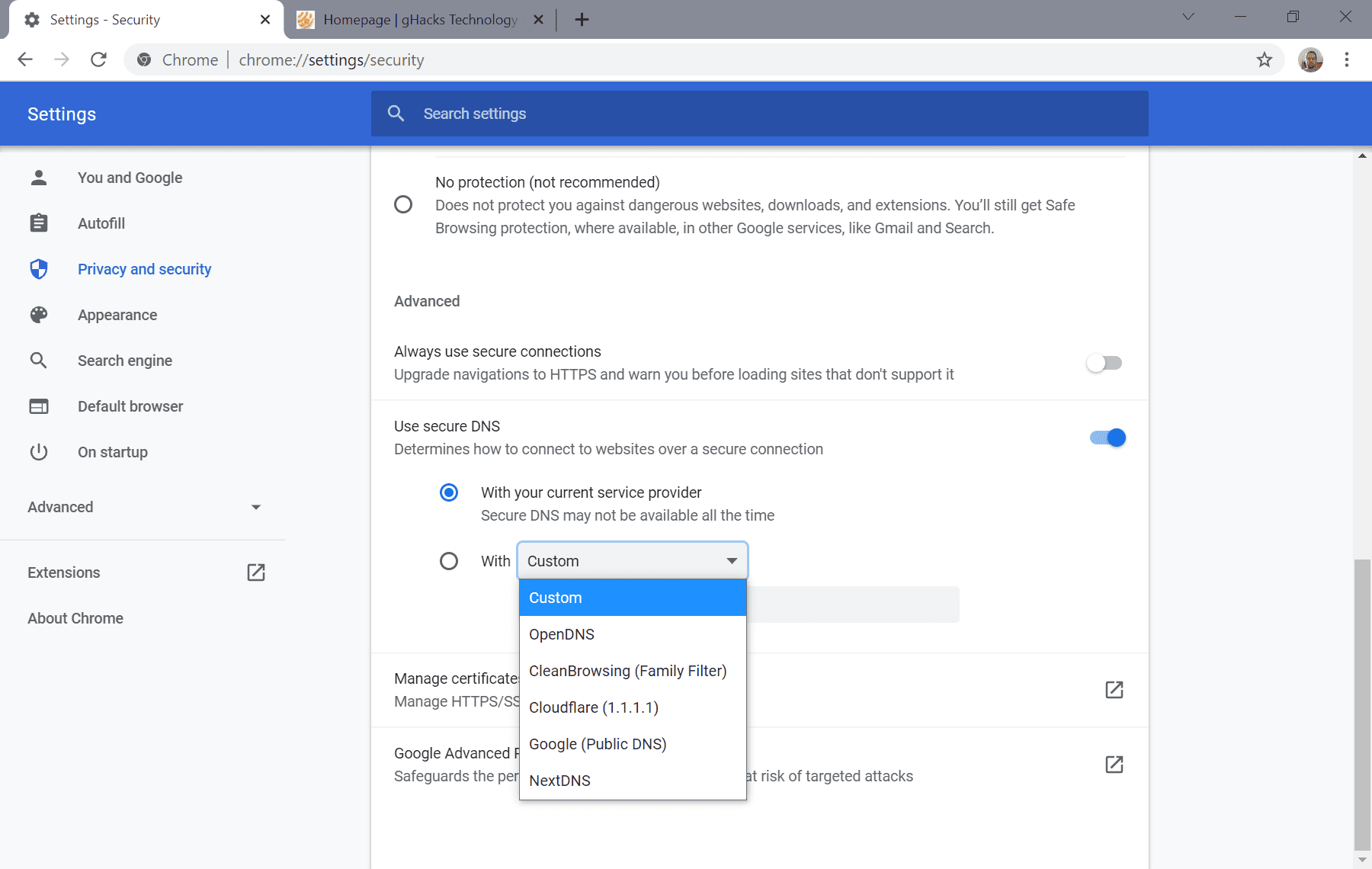
- Use Secure DNS Resolvers: Choose trusted DNS services with strong security measures, such as Google Public DNS or OpenDNS. To change your DNS, go to your network settings and enter your new DNS server's IP (for Google DNS: 8.8.8.8 and 8.8.4.4; for Cloudflare DNS: 1.1.1.1).
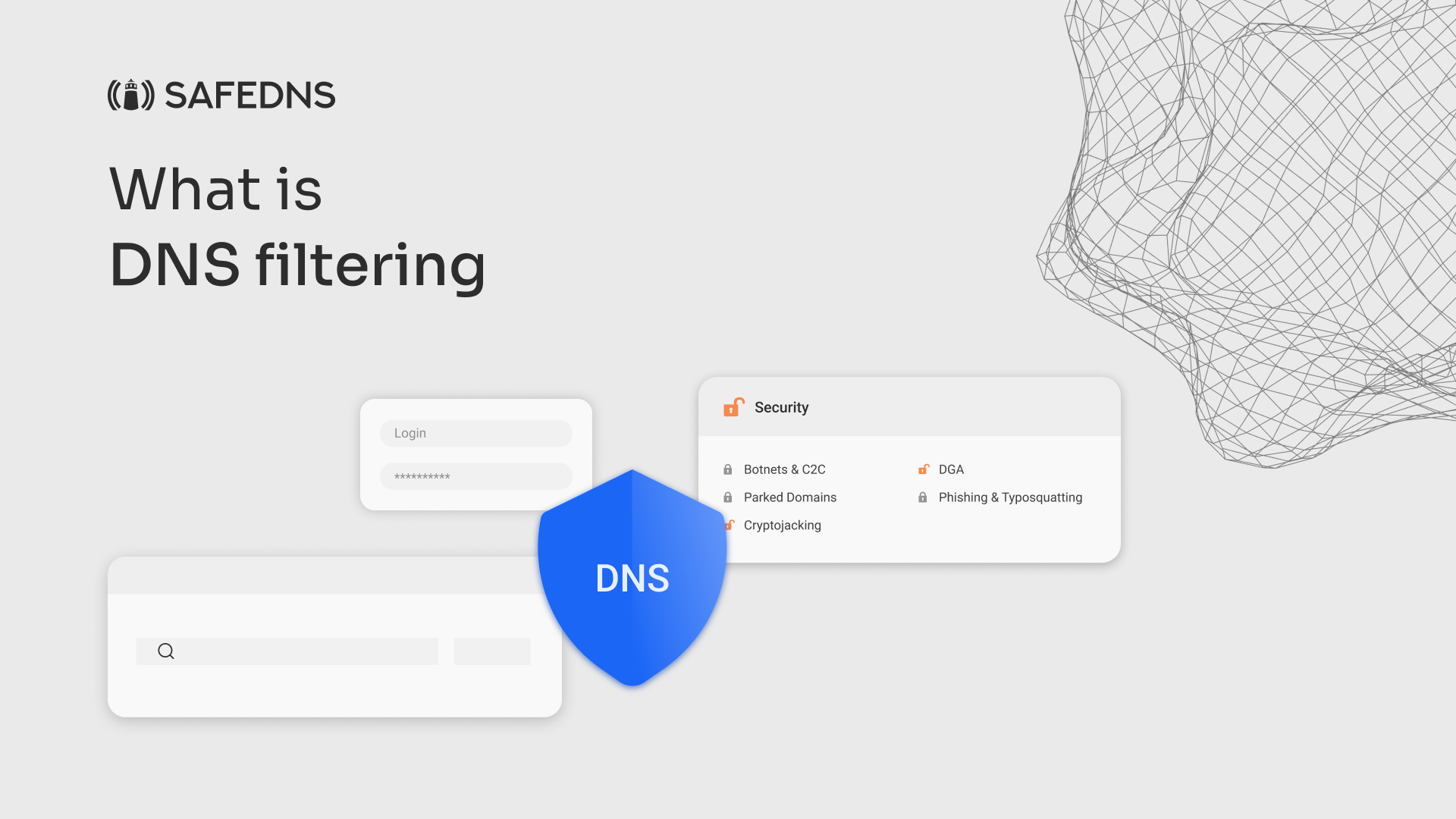
- Implement DNS Filtering: Configure your DNS service to block malicious domains and filter out unwanted content. This can include phishing sites, malware hosts, and adult content.
- Use Split DNS for Internal Resources: Deploy split-DNS for internal resources, which allows you to control access to internal IP addresses and prevent DNS leaks.
- Set Primary/Secondary DNS Server Settings: Configure your primary and secondary DNS server settings that are distributed to WiFi clients via DHCP.
- Configure DNS Redirection: Implement DNS redirection using firewall rules to ensure your content filtering stays in place.
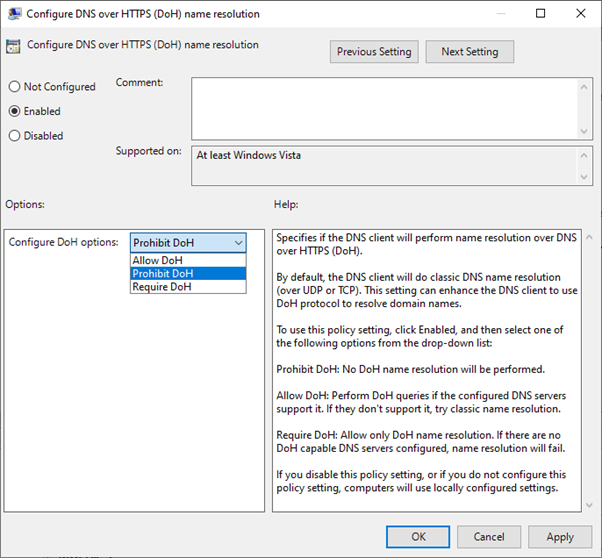
- Use Private DNS: Enable private DNS on your devices to encrypt DNS lookups and prevent DNS spoofing on public WiFi networks.
Best Practices for Secure DNS Configuration
To ensure your WiFi network is secure, follow these best practices for secure DNS configuration:
- Regularly Update DNS Software: Keep your DNS software up to date to ensure you have the latest security patches and features.
- Monitor DNS Activity: Monitor DNS activity to detect and respond to potential security threats.
- Use DNSSEC: Implement DNS Security Extensions (DNSSEC) to ensure the integrity and authenticity of DNS data.
- Implement DNS Firewall: Configure a DNS firewall to block malicious DNS traffic and prevent DNS-related attacks.
Conclusion
Securing a WiFi network is a critical aspect of protecting your organization's online assets. By implementing DNS filtering, segmentation, captive portals, and encrypted traffic, you can significantly improve your network's security and performance. By following the best practices outlined in this article, you can ensure your WiFi network is protected against various cyber threats and stay ahead of emerging security threats.
Additional Resources
For further information on securing your WiFi network using DNS, consider the following resources:
- NIST SP 800-81r3: Secure Domain Name System (DNS) Deployment Guide
- Private DNS adds encryption to DNS lookups, making connections more secure on public WiFi networks
- OpenDNS: The easiest way to make your Internet safer, faster and more reliable
- LevelBlue: A leading cybersecurity and managed security services provider delivering stronger defense, faster response, and business continuity