How To Protect Against Ransomware Virus
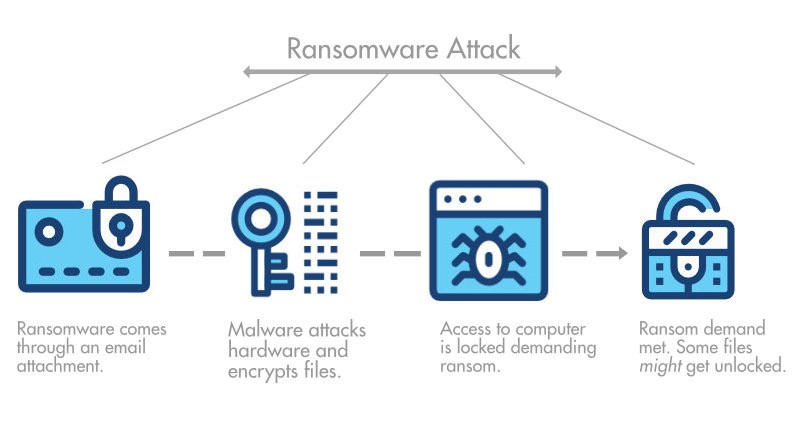
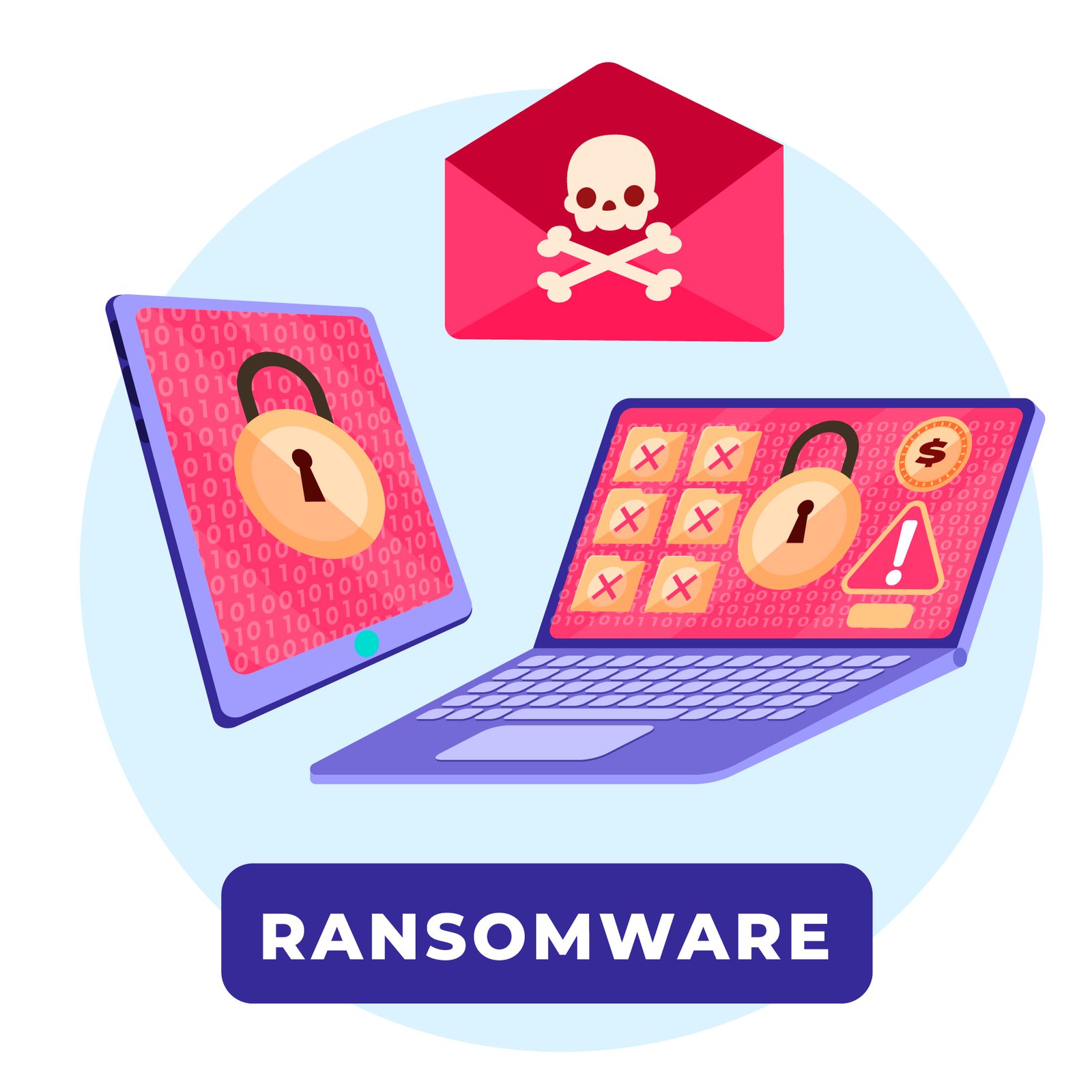
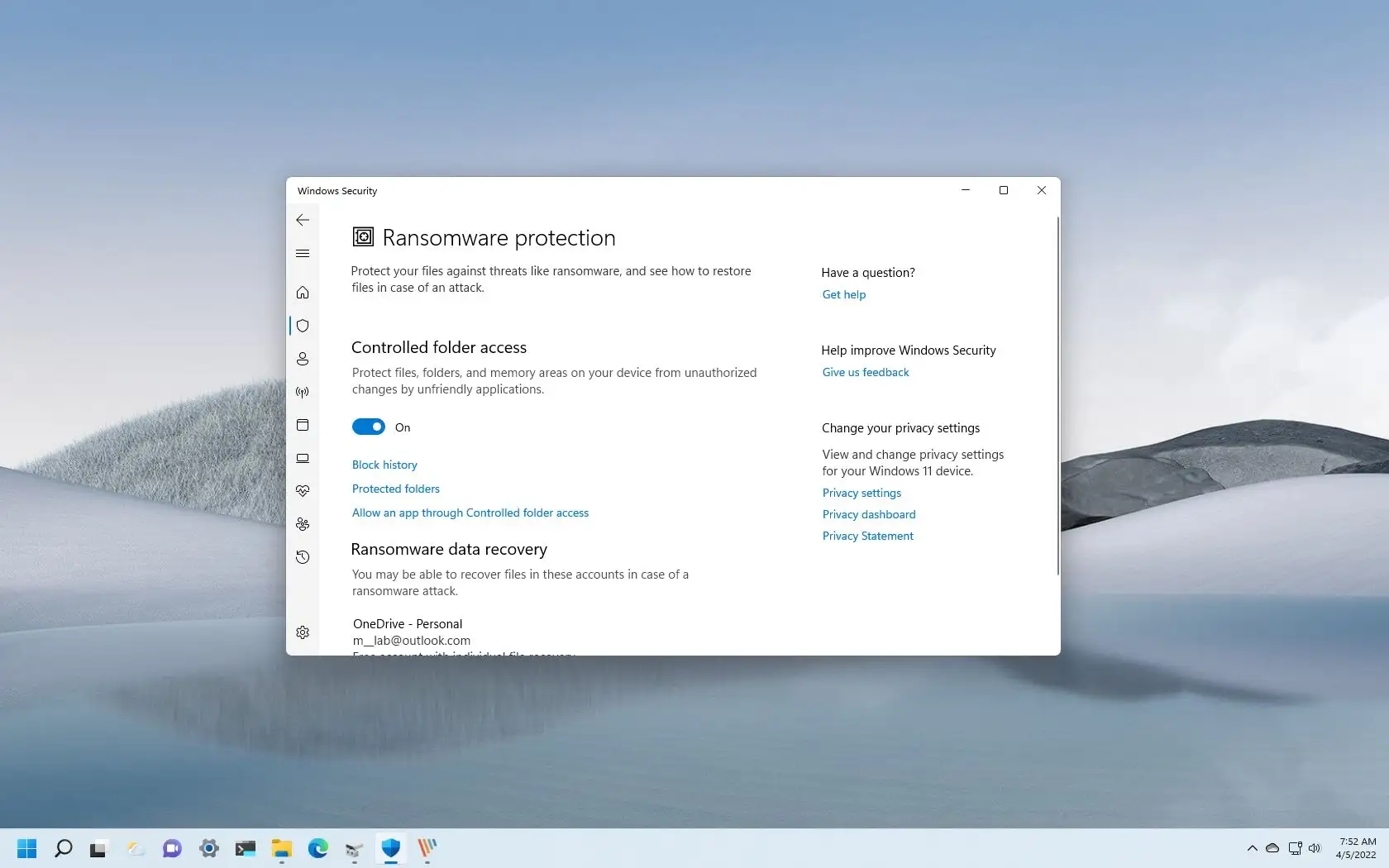
Ransomware is a type of malicious software, or malware, that locks up files and data and holds them for ransom. It usually does this by encrypting the files, making them inaccessible, and demanding payment in exchange for the decryption key. In this article, we will discuss how to protect against ransomware virus and keep your files and data safe.
Understand Ransomware
Ransomware can affect anyone, from individual users to large corporations. This type of malware can lock up individual files, like documents or images, to entire databases, leading to huge data breaches or exposure of sensitive, personal information. It's essential to learn about ransomware, its types, and how it works to protect against it effectively.
Types of Ransomware
Ransomware is a broad term that describes various types of malware, including:
- File-based ransomware: This type of malware targets individual files, locking them with encryption and demanding payment for the decryption key.
- Ransomware as a Service (RaaS): This type of ransomware allows hackers to spread malicious code and create their own ransomware attacks.
- Fileless ransomware: This type of malware doesn't require the use of files and can infect a system through vulnerabilities in the operating system.
- Blockchain ransomware: This type of ransomware uses blockchain technology to track the payment and encrypt the files.
How to Protect Against Ransomware Virus
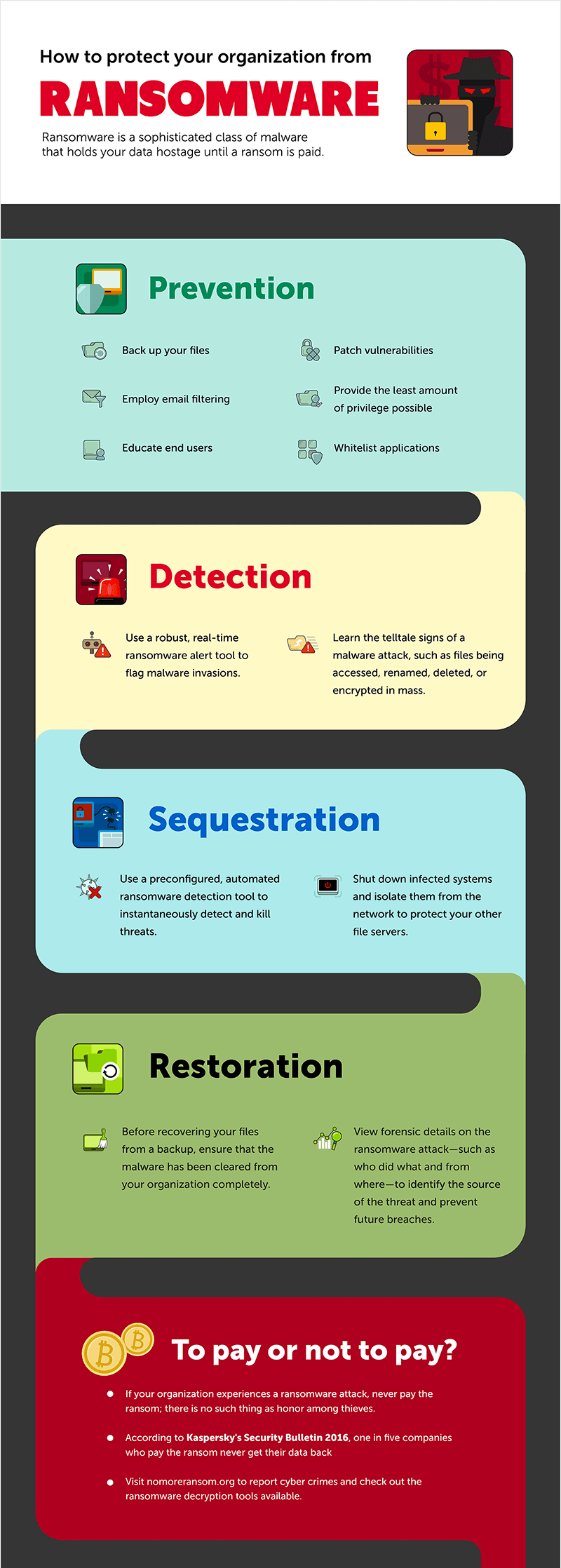
Protecting against ransomware virus requires a multi-layered approach. Here are some effective ways to prevent and mitigate ransomware attacks:
Back up Your Data
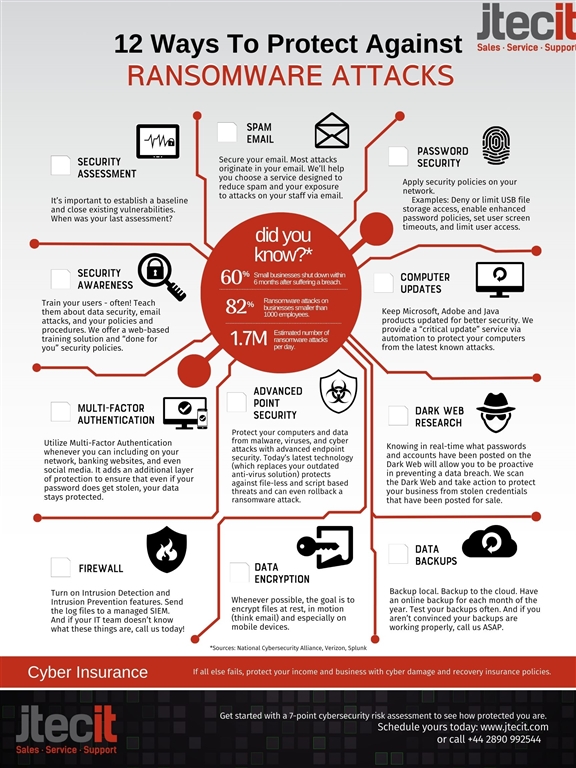
Regular backups of your data are crucial in case of a ransomware attack. Ensure that your backups are stored in a secure location, such as an external hard drive or cloud storage service, that is not connected to your main computer network.
Install Antivirus Software
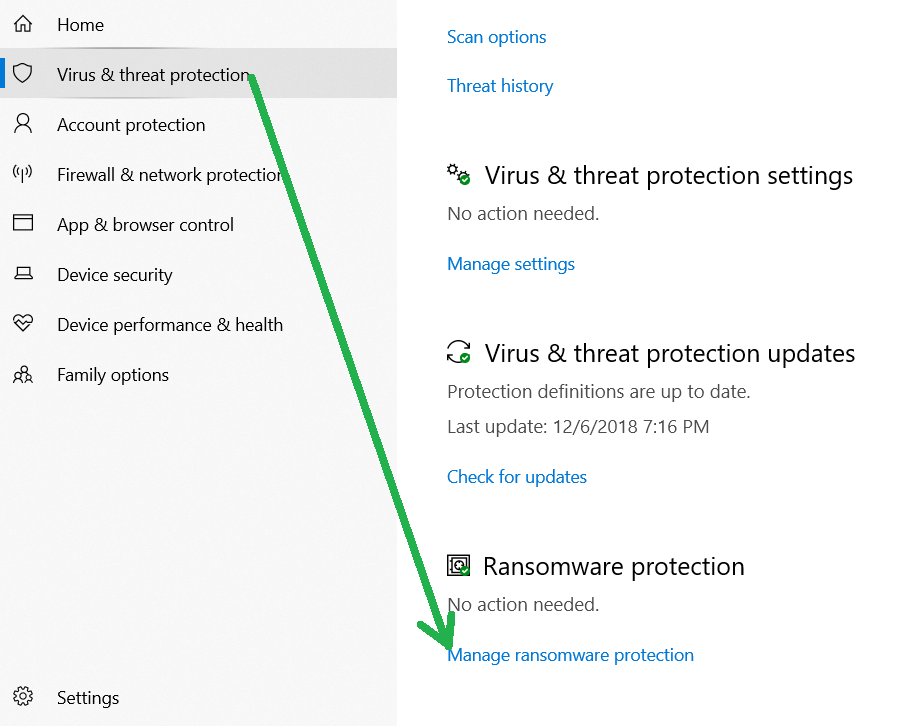
Install reputable antivirus software that includes anti-ransomware features. Some popular options include Avast, Norton, and Kaspersky. Ensure that your antivirus software is updated regularly to detect the latest ransomware variants.
Keep Your Operating System and Software Up-to-Date
Regularly update your operating system and software, including your web browser, to ensure you have the latest security patches and features.
Use Strong Passwords and Enable Two-Factor Authentication
Use strong, unique passwords for all accounts, and enable two-factor authentication (2FA) to add an extra layer of security. 2FA requires a second form of verification, such as a code sent to your phone or a fingerprint scan.
Be Cautious with Email and Email Attachments
Be wary of suspicious emails, attachments, and links. Avoid opening email attachments from unknown senders, and never click on links from untrusted sources. Ransomware can be spread through phishing emails and infected attachments.
Use a Firewall and Disable Macros
Enable the firewall on your computer and disable macros in Microsoft Office to prevent ransomware from spreading.
Use a Secure Network and Encryption
Use a secure network and consider using encryption to protect your files and data. This will make it difficult for hackers to access your files, even if they do get infected with ransomware.
How to Respond to a Ransomware Attack
If you fall victim to a ransomware attack, here's what to do:
Stop the Attack
Disconnect your computer from the internet to prevent the ransomware from spreading to other devices on the network.
Restore Your Files
Try to restore your files from backups if you have them. If not, you may need to rely on the decryption key provided by the attacker or third-party decryption tools.
Report the Attack
Notify your IT department, law enforcement, and cybersecurity teams about the attack. This will help in preventing further spread and aid in the recovery process.
Conclusion
Protecting against ransomware virus requires vigilance and a multi-layered approach. By understanding the types of ransomware, implementing security measures, and responding to an attack effectively, you can minimize the damage and keep your files and data safe.