Fast Sleep Methods for Insomnia: Ways to Fall Asleep Quickly
If you're one of the millions of people worldwide struggling with insomnia, you understand the frustration and exhaustion that comes with it. Insomnia can affect anyone, regardless of age or background, and can significantly impair daily life. The good news is that there are proven fast sleep methods for insomnia that can help you fall asleep quickly and improve sleep quality.
Understanding Insomnia
Insomnia is a common sleep disorder characterized by difficulty falling asleep or staying asleep. According to the National Sleep Foundation, approximately 30% of adults experience short-term insomnia, while 10% suffer from chronic insomnia. Insomnia can be caused by various factors, including stress, anxiety, depression, sleep disorders, and lifestyle habits.
Fast Sleep Methods for Insomnia
Fortunately, there are many fast sleep methods for insomnia that can help you fall asleep quickly. Here are some effective techniques:
- Exercise**: Regular physical activity can help regulate sleep patterns. Engage in moderate-intensity exercise, such as brisk walking, cycling, or swimming, for at least 30 minutes a day. Avoid vigorous exercise within 2 hours of bedtime.
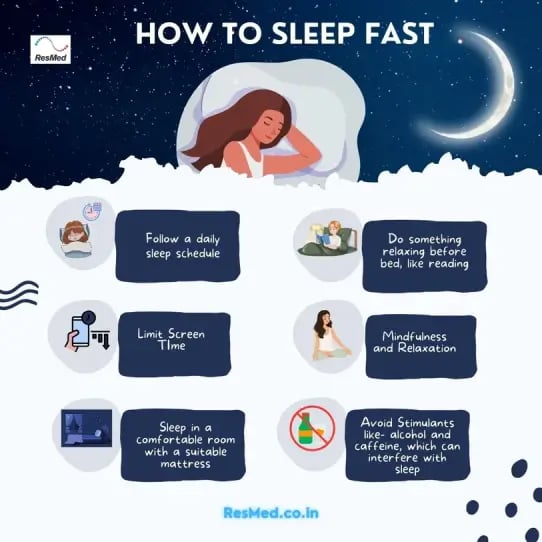
- Relaxation Techniques**: Deep breathing, progressive muscle relaxation, and visualization can calm your mind and body, preparing you for sleep. Try techniques like meditation, yoga, or tai chi to reduce stress and anxiety.
- Sleep Hygiene**: Establish a consistent sleep schedule, avoid caffeine and nicotine close to bedtime, and create a dark, quiet sleep environment. Avoid screens (phones, TVs, or tablets) for at least an hour before bedtime.
- Melatonin Supplements**: If you have trouble falling asleep or staying asleep due to insomnia, take a melatonin supplement 30-60 minutes before bedtime. However, consult with a healthcare professional before using any sleep aids.
- Counting Breaths**: Focus on slow, steady breathing to calm your mind and body. Start with four counts in, four counts hold, four counts out, and four counts hold.
- Guided Meditation**: Listen to a guided meditation recording to help you relax and fall asleep quickly. You can find guided meditation recordings online or through mobile apps like Calm or Headspace.
- 4-7-8 Breathing**: Also known as the "Relaxation Breath," this technique involves breathing in through the nose for a count of four, holding the breath for a count of seven, and exhaling through the mouth for a count of eight.
- Temperature Control**: Maintain a comfortable room temperature (between 60-67°F) to promote better sleep.
- Cognitive Behavioral Therapy for Insomnia (CBT-I)**: CBT-I is a non-pharmacological approach that addresses underlying sleep patterns and behaviors. It involves a series of tools and techniques to help you overcome insomnia.
Additional Tips for Insomnia Relief

In addition to these fast sleep methods for insomnia, try the following to enhance your sleep experience:
- Keep a Sleep Diary**: Record your sleep patterns to identify potential factors contributing to insomnia.
- Limit Naps**: Avoid napping during the day, as it can interfere with nighttime sleep. If you must nap, keep it short (under 30 minutes).
- Get Morning Sunlight**: Exposure to natural light in the morning helps regulate your circadian rhythms, which can improve sleep quality.
- Avoid Stimulating Activities Before Bed**: Finish any intense tasks or activities at least an hour before bedtime.
- Consider Sleep Aids**: If you've tried the above methods and still experience insomnia, consult with a healthcare professional about prescribed sleep aids or over-the-counter medications.
Conclusion
Insomnia is a common sleep disorder, but there are many effective fast sleep methods for insomnia to help you fall asleep quickly and improve sleep quality. By incorporating relaxation techniques, sleep hygiene, and cognitive behavioral therapy, you can overcome insomnia and enjoy a restful, rejuvenating sleep. Remember to consult with a healthcare professional if you continue to struggle with insomnia.
Recommended Resources
- National Sleep Foundation: A trusted resource for sleep education and advocacy.
- American Academy of Sleep Medicine: Provides guidelines for sleep disorders, including insomnia.
- National Institute of Mental Health: Offers information on sleep disorders and treatment options.