Understanding Blue Light Emission from Smartphones: A Comprehensive Guide to Eye Health and Digital Well-being
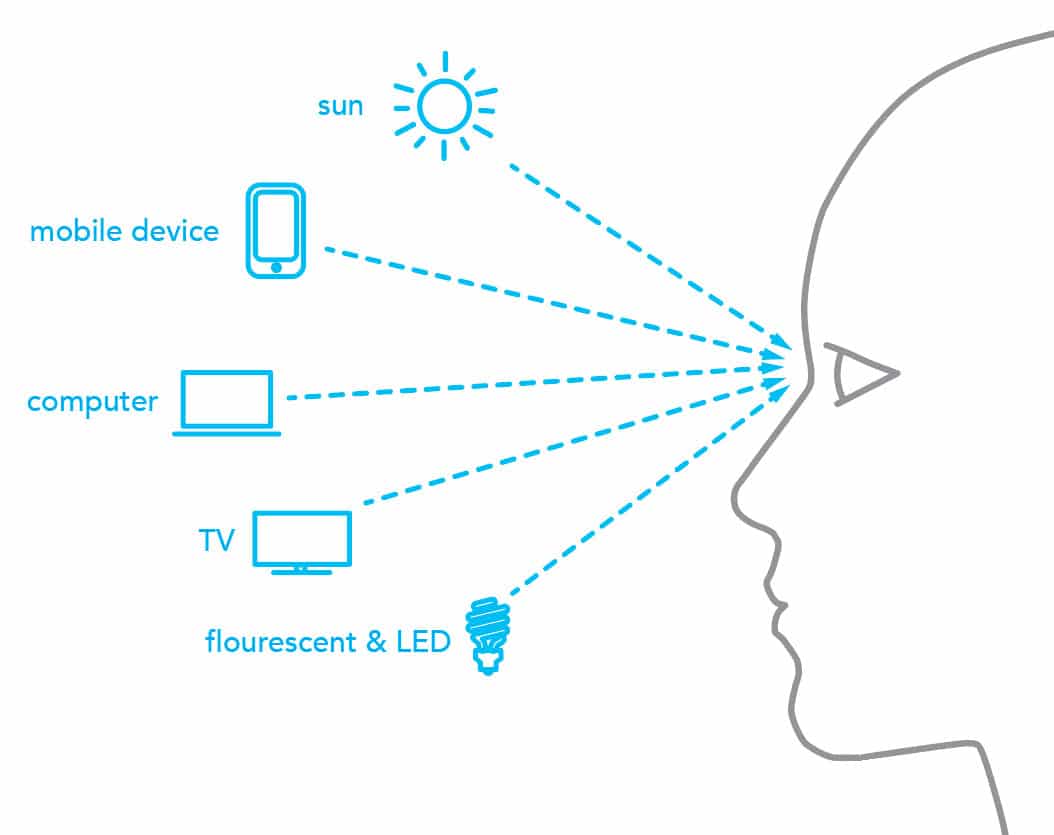
As we continue to be increasingly dependent on our smartphones and digital devices, a growing concern has been raised about the potential health risks associated with blue light emission from these devices. Blue light, a high-energy visible (HEV) light with wavelengths ranging from 380 to 500 nanometers, is emitted by digital screens, including smartphones, computers, and televisions. This article delves into the nature of blue light emission from smartphones, its potential effects on our health and eye well-being, and practical strategies for minimizing exposure to reduce the risks.
What is Blue Light Emission from Smartphones?
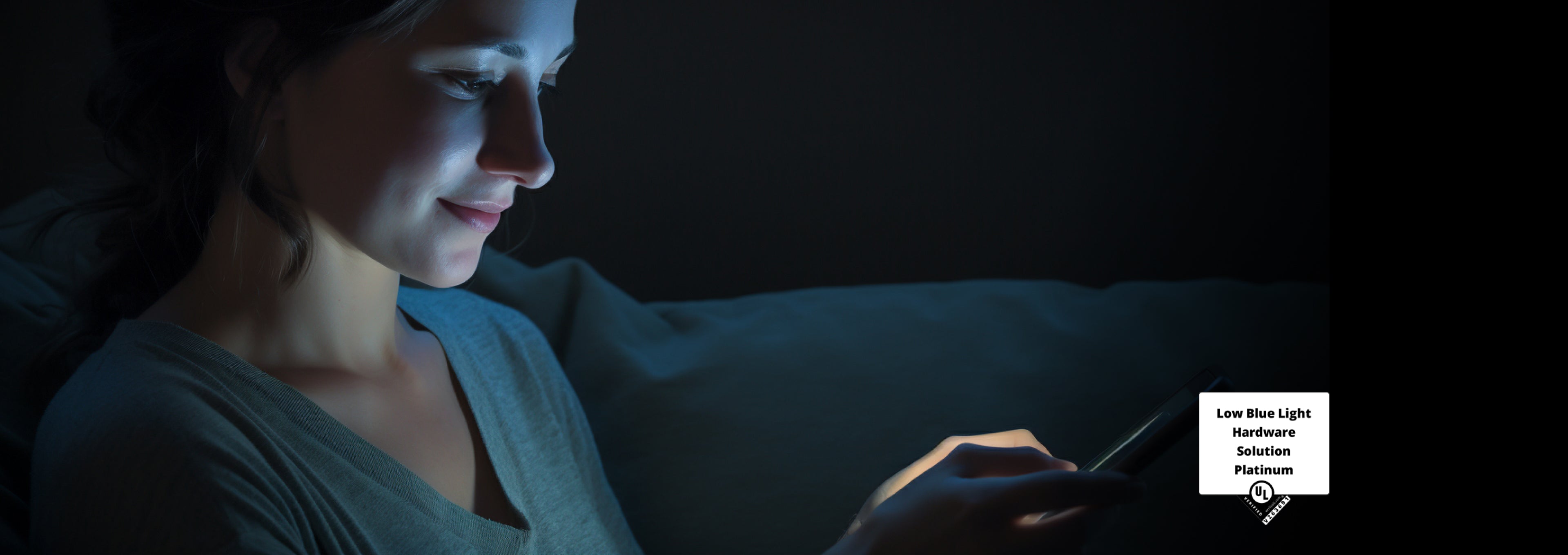
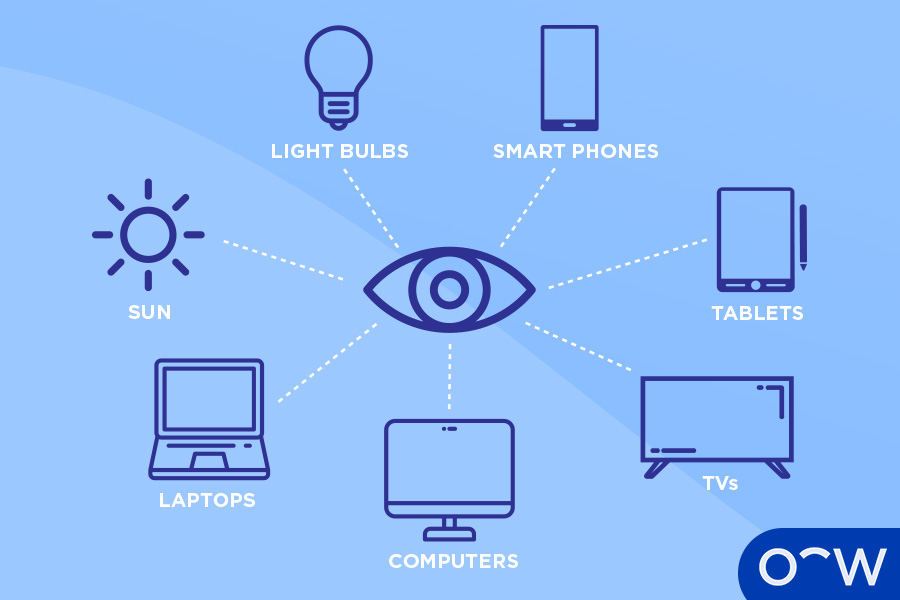
Blue light is a type of light emitted by digital screens, including smartphones, which is often perceived as blue in color. It is also emitted by natural sources like the sun, but the duration and intensity of exposure to digital blue light is cause for concern. Smartphones produce blue light through their LED backlighting system, which helps create bright, vibrant colors on the screen. The close proximity and extended use of smartphones mean that we are exposed to high levels of blue light, which can have detrimental effects on our eye health and overall well-being.
The Potential Effects of Blue Light Emission from Smartphones on Eye Health
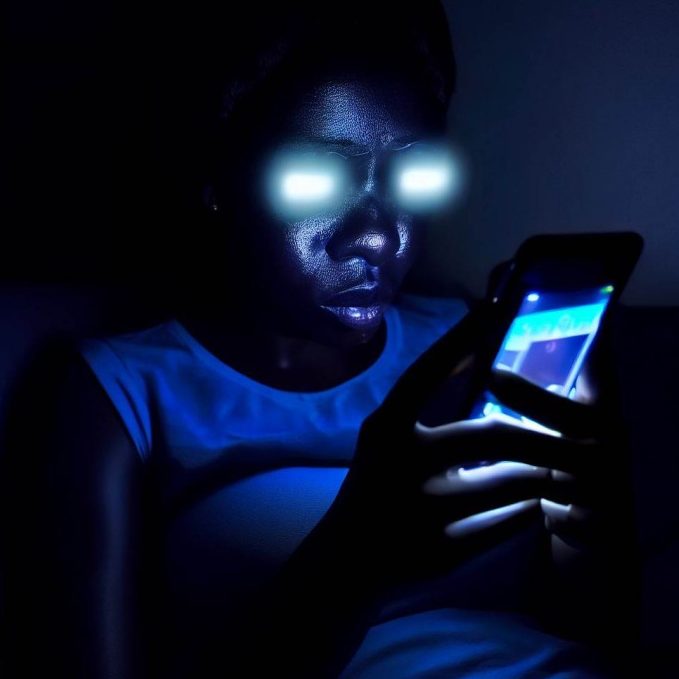
Research has shown that prolonged exposure to blue light emission from smartphones and other digital devices can lead to various eye-related issues, including eye strain, fatigue, and dryness. It can also disrupt our circadian rhythms, affecting our sleep patterns. The increased risk of melatonin suppression at night further exacerbates the issue, leading to poor sleep quality and related health problems. Furthermore, studies suggest that exposure to blue light from smartphones can cause permanent damage to our eyes, particularly the retina.
The Relation between Blue Light Emission and Eye Health
The relationship between blue light emission and eye health is complex. Blue light is not directly harmful to the retina or any other part of our eyes, but the prolonged exposure can cause eye strain and fatigue. The energy and wavelength of blue light determine its potential impact on our eyes. As blue light is a high-energy visible light, it can interact with the retina, potentially leading to damage over time. However, the amount of blue light emitted by smartphones and other digital devices is still debated, and more research is needed to fully understand its effects.
Practical Strategies for Minimizing Blue Light Emission Exposure
Limiting blue light emission exposure is crucial to protect our eye health and sleep quality. Some practical strategies include:
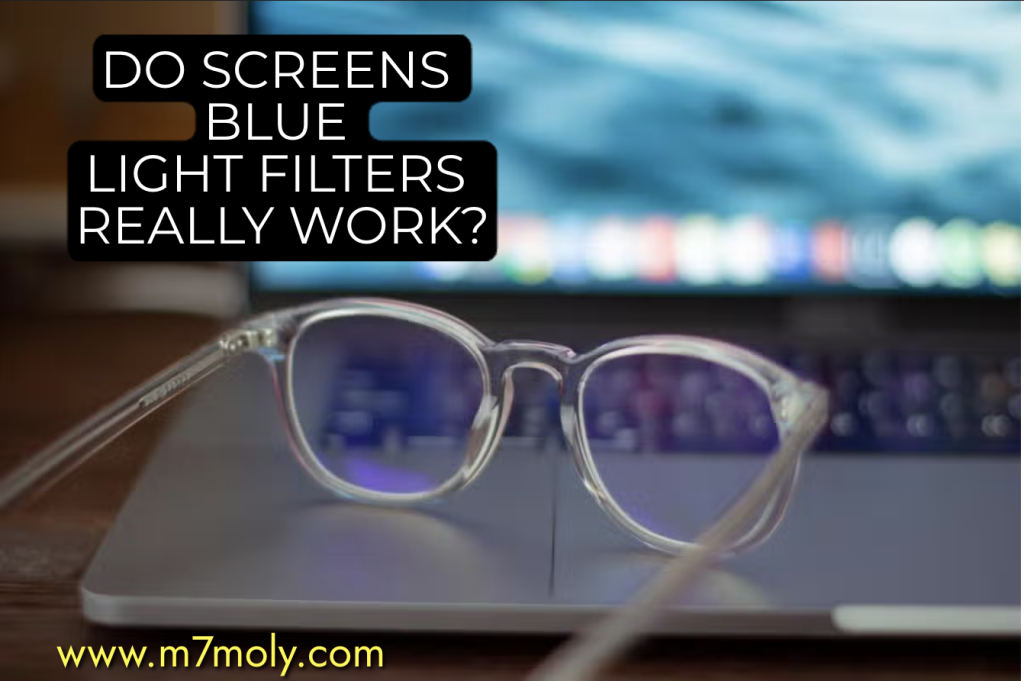
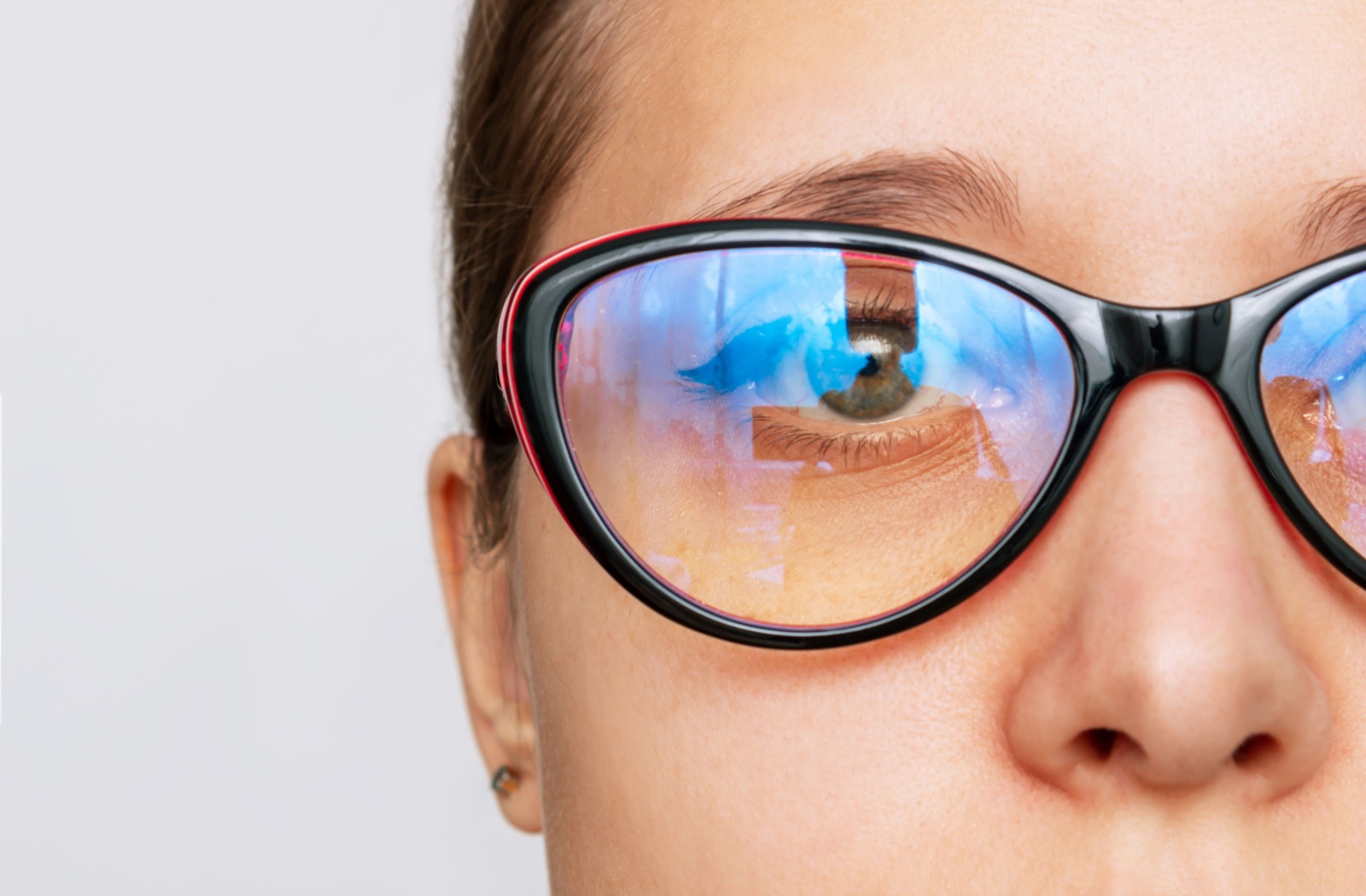
- Using blue light filtering glasses or screen protectors to reduce the amount of blue light emitted by the screen.
- Adjusting the screen brightness and color temperature of our smartphones to reduce blue light levels.
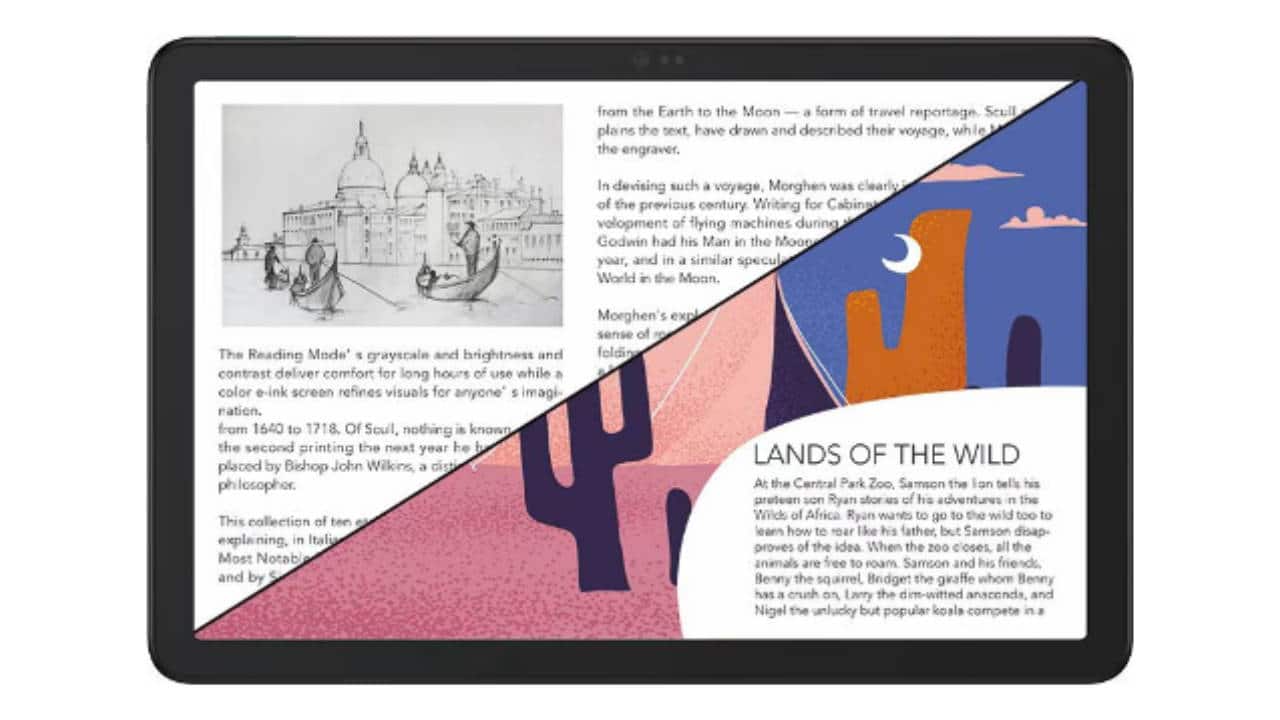
- Using apps that filter out blue light or provide a reading mode with warmer tones.
- Practicing good sleep hygiene, such as maintaining a screen-free bedtime routine and timing.
- Choosing smartphones and other devices with blue light-free or low-blue-light-emission settings.
Conclusion
Understanding the blue light emission from smartphones and its potential effects on our eye health and well-being is essential for maintaining our digital hygiene. By adopting practical strategies to minimize blue light exposure and being aware of the risks associated with prolonged use of smartphones, we can take steps to protect our eye health and sleep quality. As technology continues to evolve, it is crucial to consider the impact of blue light emission on our health and develop innovative solutions to mitigate its effects.
Further Reading and Resources:
- Discover the relationship between blue light emission and eye health.
- Explore the benefits of blue light-free or low-blue-light-emission settings on smartphones and other devices.
- Learn about the effects of blue light on our sleep patterns.