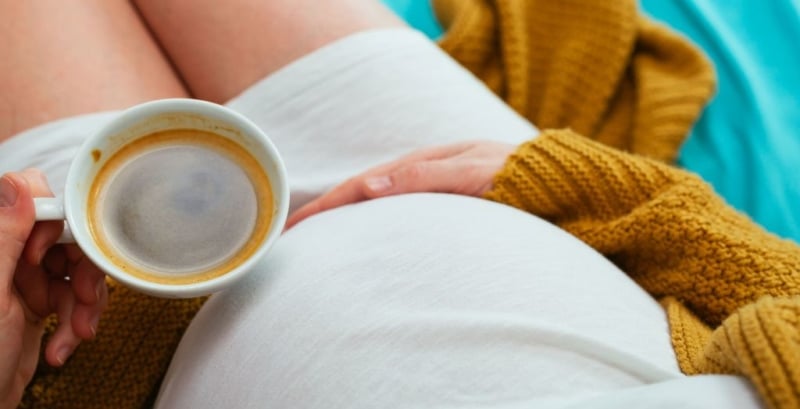
Drinking Coffee While Pregnant and Health Risks: A Comprehensive Guide
Caffeine is a stimulant found in a variety of foods and beverages, including coffee, tea, and chocolate. While moderate caffeine intake is generally considered safe for most adults, the effects of caffeine on pregnant women and their unborn babies are not yet fully understood. In this article, we will explore the potential risks associated with drinking coffee while pregnant and provide guidance on how to consume caffeine responsibly during pregnancy.
The Risks of Caffeine Consumption During Pregnancy
Drinking coffee and other caffeinated beverages during pregnancy has been linked to several potential health risks, including:
- Low birth weight: Excessive caffeine consumption during pregnancy has been associated with an increased risk of low birth weight, which can lead to health problems for the baby, such as delayed development and increased risk of disease.
- Miscarriage: Drinking lots of caffeine during pregnancy has been linked to an increased risk of miscarriage.
- Birth defects: Some studies have suggested that high levels of caffeine consumption during pregnancy may be associated with an increased risk of birth defects, such as heart defects and cleft palate.
- Premature birth: Excessive caffeine consumption during pregnancy may also increase the risk of premature birth.
How Much Caffeine is Safe During Pregnancy?
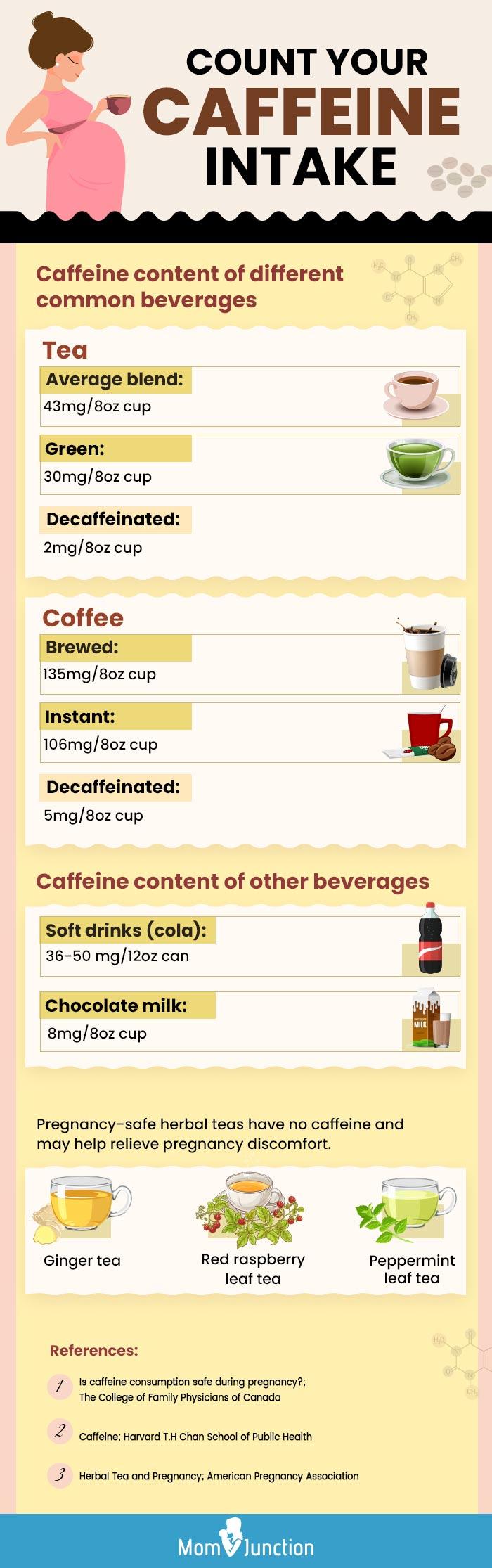
The American College of Obstetricians and Gynecologists (ACOG) recommends that pregnant women limit their caffeine intake to less than 200 milligrams per day, which is approximately the amount found in one 12-ounce cup of coffee. However, some studies suggest that even moderate caffeine intake may be associated with an increased risk of pregnancy complications, such as miscarriage and low birth weight.
Benefits of Caffeine Consumption During Pregnancy

While the risks of caffeine consumption during pregnancy are well-documented, some studies suggest that moderate caffeine intake may also have some benefits for pregnant women and their babies, including:
- Improved fetal growth: Some studies have suggested that moderate caffeine intake may be associated with improved fetal growth and development.
- Reduced risk of preeclampsia: Drinking moderate amounts of coffee during pregnancy may reduce the risk of preeclampsia, a condition characterized by high blood pressure and protein in the urine.
- Improved mood and cognitive function: Caffeine can help improve mood and cognitive function in pregnant women, which may reduce the risk of depression and anxiety.
Guidelines for Safe Caffeine Consumption During Pregnancy
To minimize the risks associated with caffeine consumption during pregnancy, follow these guidelines:
- Limit caffeine intake to less than 200 milligrams per day: This is approximately the amount found in one 12-ounce cup of coffee.
- Avoid caffeine in the second and third trimesters: Caffeine clearance from the mother's blood slows down significantly during pregnancy, which may increase the risk of caffeine-related complications.
- Choose decaf or half-caf options: If you're sensitive to caffeine or prefer to minimize your intake, consider choosing decaf or half-caf coffee and tea options.
- Be mindful of caffeine content in other foods and beverages: Caffeine is found in a variety of foods and beverages, including chocolate, some medications, and energy drinks. Be sure to read labels carefully and ask your healthcare provider about any concerns.
Conclusion
Drinking coffee and other caffeinated beverages during pregnancy can pose several health risks, including low birth weight, miscarriage, birth defects, and premature birth. However, moderate caffeine intake may also have some benefits for pregnant women and their babies, including improved fetal growth, reduced risk of preeclampsia, and improved mood and cognitive function. To minimize the risks associated with caffeine consumption during pregnancy, follow the guidelines outlined above and consult with your healthcare provider if you have any concerns.