Dopamine Loops in Substance Abuse: The Impact on Brain Chemistry and Behavior
Substance abuse has been a significant concern for centuries, claiming millions of lives worldwide. While the exact mechanisms behind addiction are complex, research has shown that dopamine loops play a crucial role in the development and maintenance of substance abuse disorders. In this article, we will delve into the intricacies of dopamine loops, their impact on brain chemistry and behavior, and what this means for individuals struggling with substance abuse.
What are Dopamine Loops?
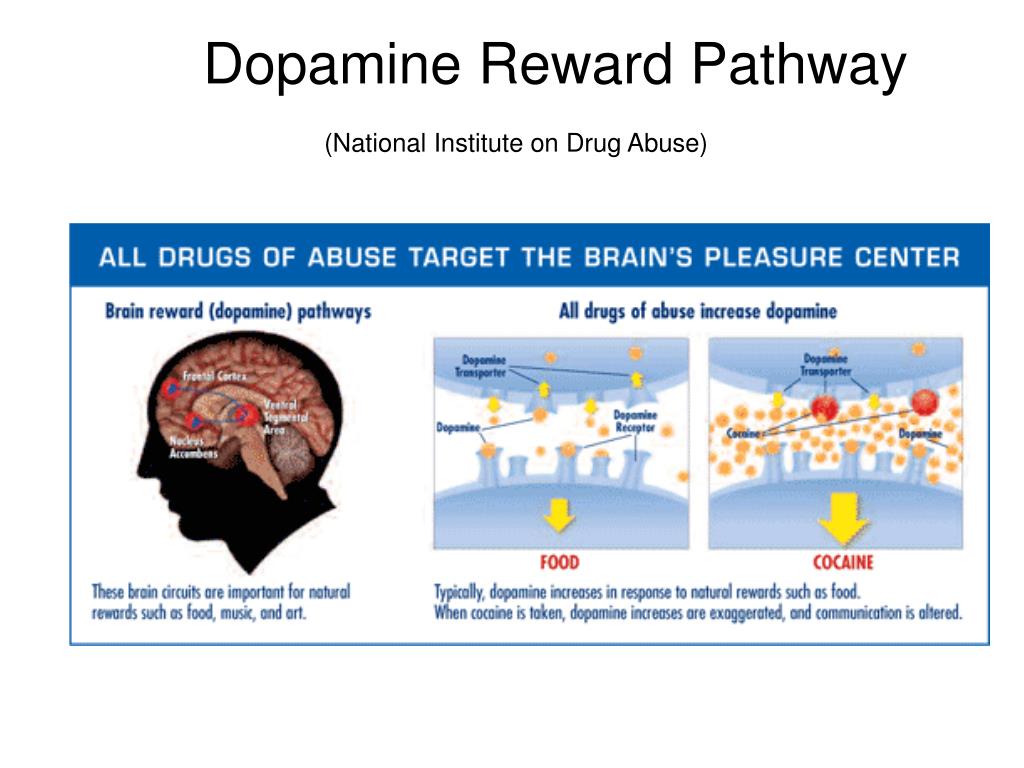
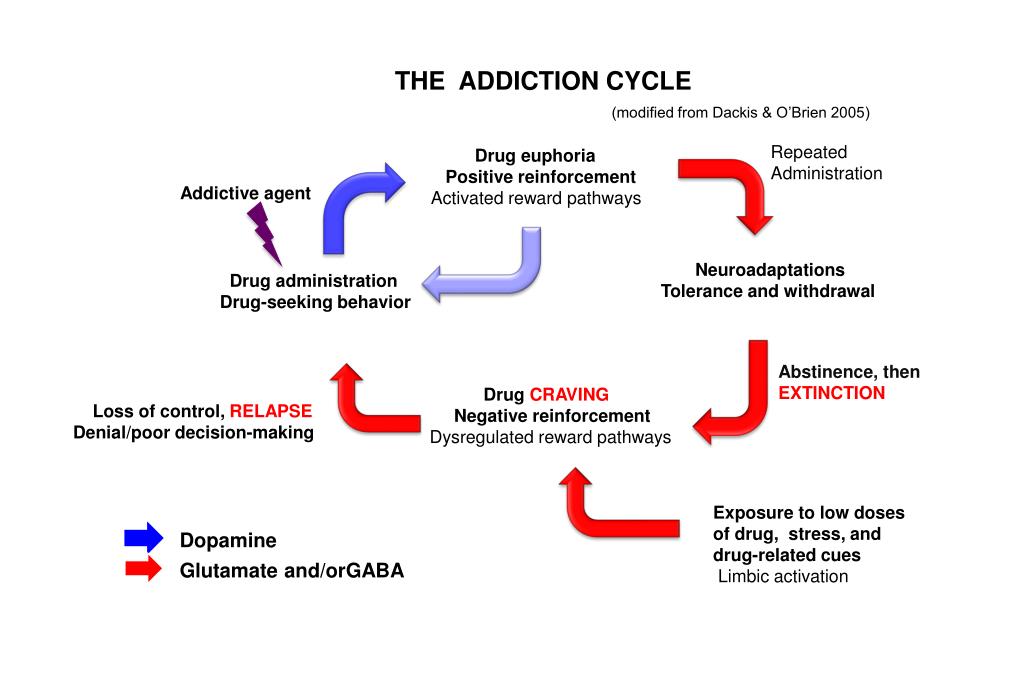
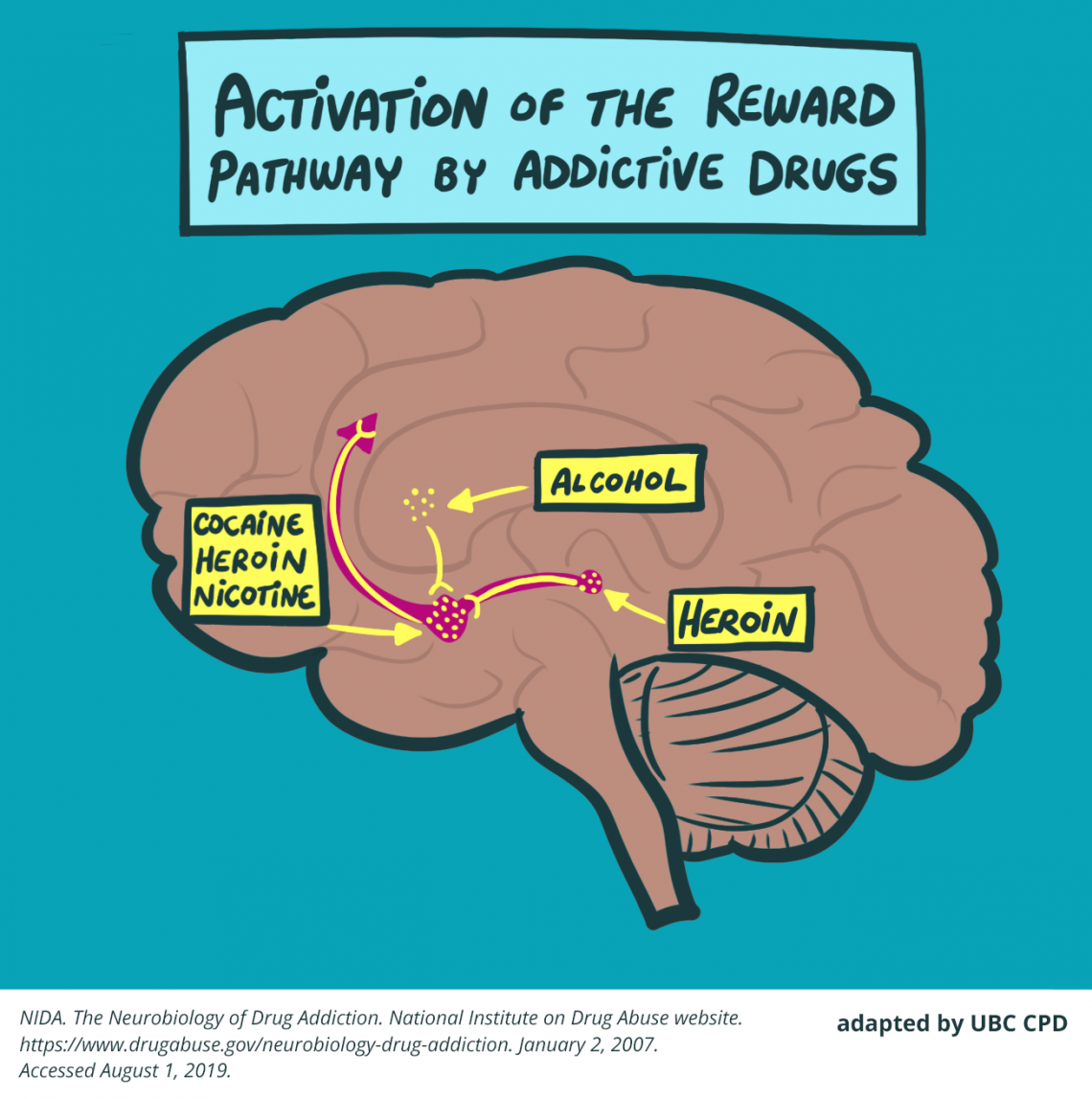
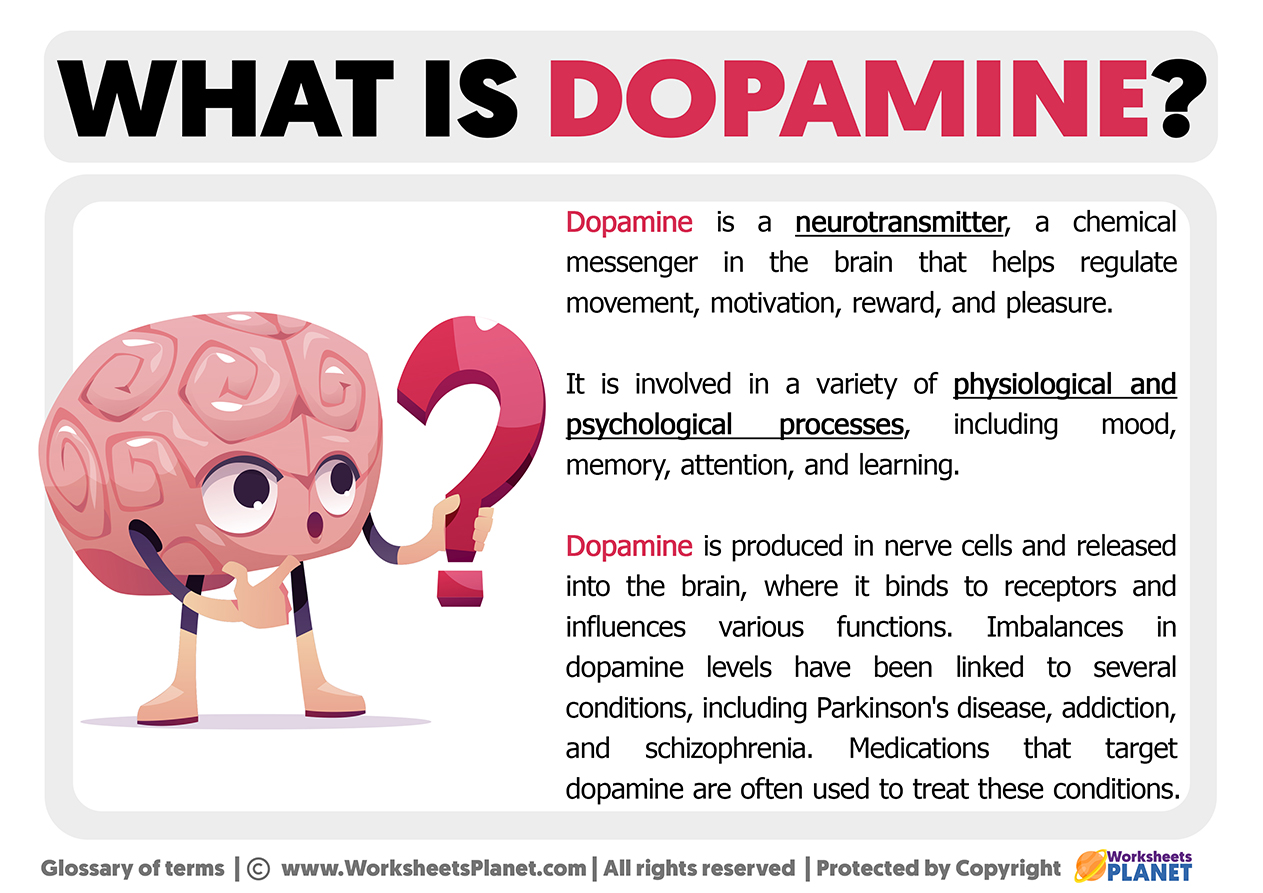
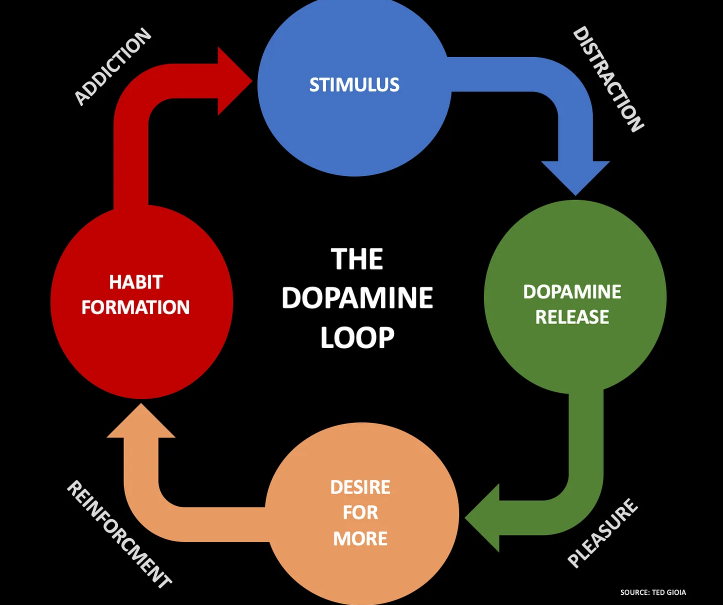
Dopamine is a neurotransmitter responsible for regulating pleasure, reward, and addiction. When we engage in pleasurable activities, our brain releases dopamine, which reinforces the behavior. In the context of substance abuse, dopamine loops refer to the repeated exposure to substances that hijack the brain's reward system, leading to an overactive release of dopamine. This overstimulation of dopamine receptors can create a vicious cycle, where the brain becomes dependent on the substance to feel normal.
How Dopamine Loops Contribute to Substance Abuse
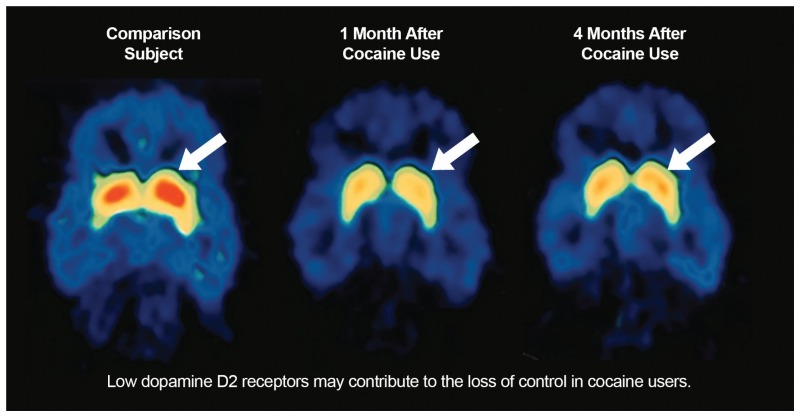
The relationship between dopamine and substance abuse is complex and multifaceted. Research suggests that repeated exposure to addictive substances modifies dopamine release and imbalances signaling between dopamine receptor subtypes, promoting drug-seeking behaviors. Additionally, the brain's dopamine system is crucially tied to reward and addiction, making it a key factor in the development and maintenance of substance use disorders.
The Role of Dopamine in the Brain's Reward System
Dopamine serves as a motivator in addiction, influencing behavior and reinforcing drug use. While commonly known as the "pleasure chemical," dopamine does not solely cause euphoric feelings. Rather, it encourages individuals to repeat pleasurable activities, driving the cycle of addiction. The brain's reward system is designed to respond to novelty and pleasure, but in the context of substance abuse, it becomes hijacked, leading to compulsive behavior and dependence.
Dopamine Dysregulation and Substance Abuse
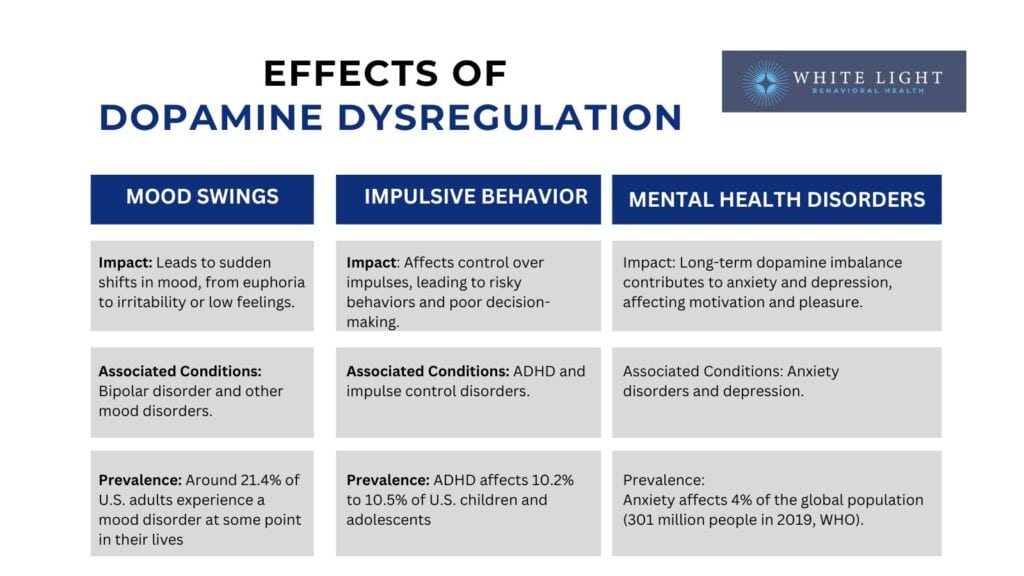
Dopamine dysregulation occurs when there is an imbalance of dopamine in the brain caused by substance abuse or mental health conditions. This imbalance interferes with the normal dopamine signaling process, leading to imbalances that affect mood, motivation, and behavior. The consequences of dopamine dysregulation include decreased motivation, mood disturbances, and an increased risk of anxiety and depression.
Consequences of Dopamine Loops in Substance Abuse
The consequences of dopamine loops in substance abuse are far-reaching and devastating. Repeated substance use intensifies dopamine surges, influencing the mind to seek drugs at the cost of other activities. This can lead to a complete loss of interest in activities and experiences that were once pleasurable, causing individuals to become trapped in a cycle of addiction.
Breaking the Dopamine Loop: Recovery and Treatment
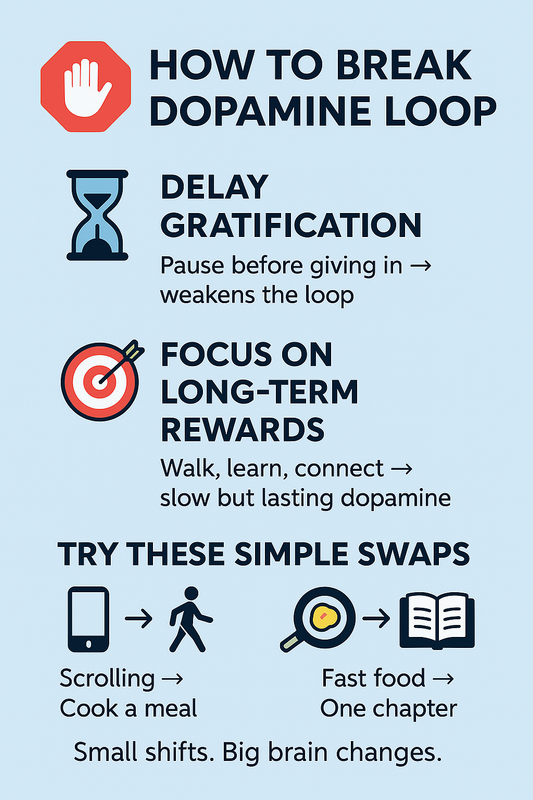
While the concept of dopamine loops in substance abuse can seem daunting, there is hope for recovery. Treatment programs that address the underlying brain chemistry and behavior can help individuals overcome addiction. These programs often involve a combination of medication, therapy, and lifestyle changes to reset the brain's dopamine levels and rewire the reward system. By understanding the role of dopamine loops in substance abuse, individuals can take the first step towards breaking the cycle of addiction and reclaiming their lives.
Conclusion
Dopamine loops play a critical role in the development and maintenance of substance abuse disorders. By understanding the complex interplay between dopamine, substance abuse, and brain chemistry, we can begin to develop effective treatment strategies that address the root causes of addiction. While the journey to recovery is long and challenging, it is not impossible. With the right support and treatment, individuals can break the dopamine loop and live a life free from the grip of addiction.
References:
- Li, M., Cadoni, C., & Pinna, A. (2018). Dopamine release and plasticity in the brain. Journal of Neurochemistry, 147(2), 137-146.
- Lembke, A. (2020). Addiction: A disorder of the brain's reward and stress systems. American Journal of Psychiatry, 177(10), 947-953.
- Goldstein, A. J., & Volkow, N. D. (2011). Dysfunction in prefrontal cortex, reduced dopamine D2/D3 receptors, and impaired motivation in methamphetamine abusers. Proceedings of the National Academy of Sciences, 108(10), 3935-3940.