Can Dogs Take Tylenol for Back Pain?
Pet owners often seek ways to alleviate their furry friends' pain, especially when it comes to back pain. One common question that arises is whether Tylenol, a popular over-the-counter pain medication, can be used to treat back pain in dogs. The answer is not a straightforward yes or no, and it's essential to understand the risks and alternatives before making a decision.
The Risks of Giving Tylenol to Dogs
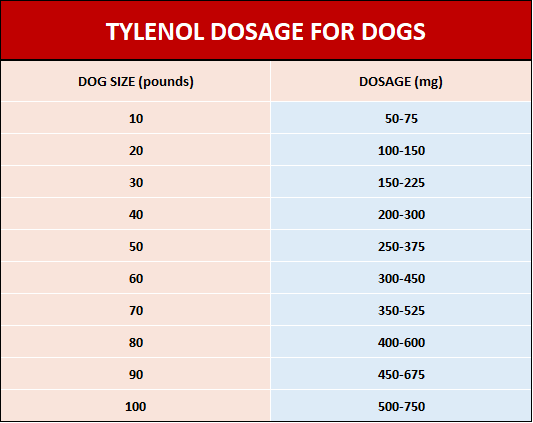
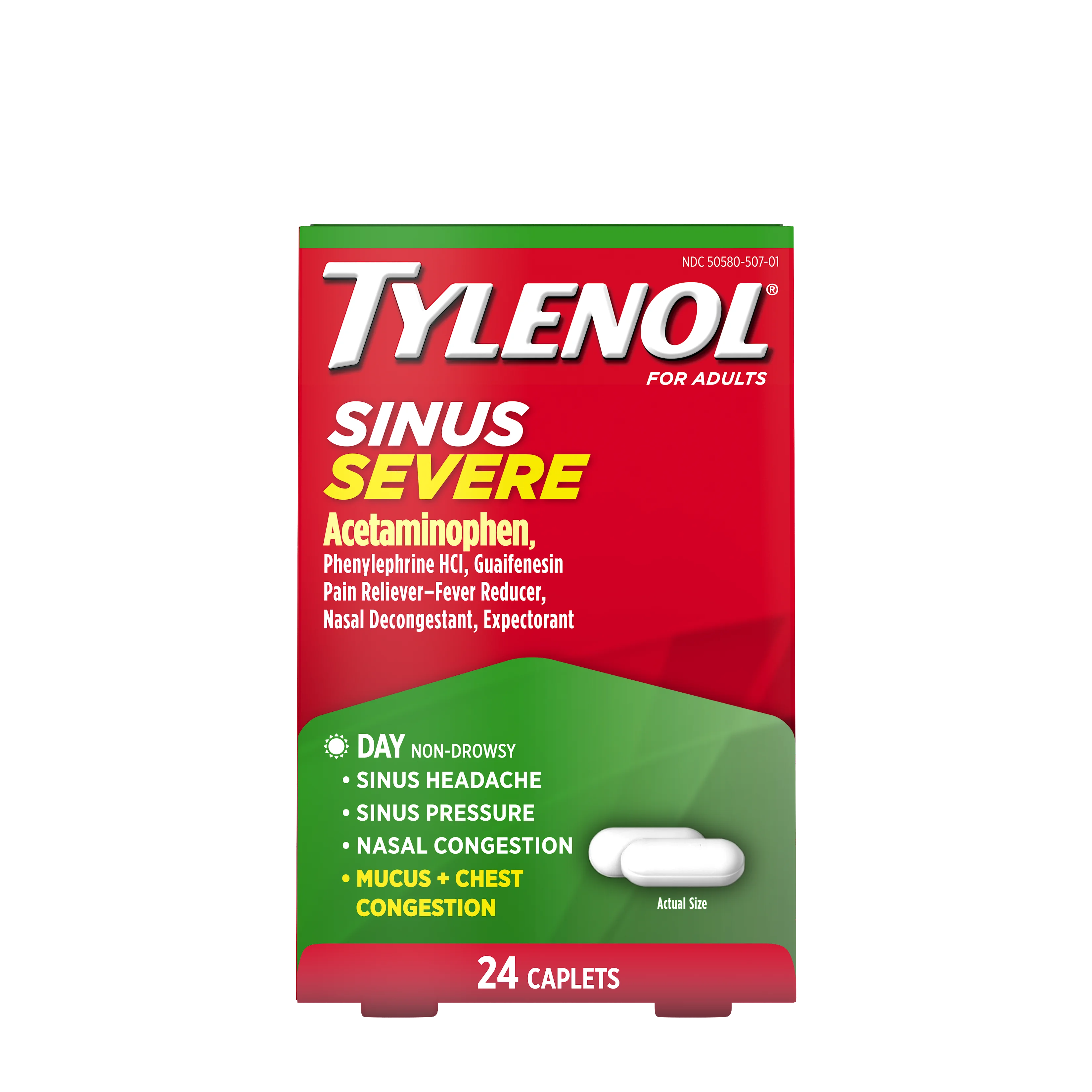
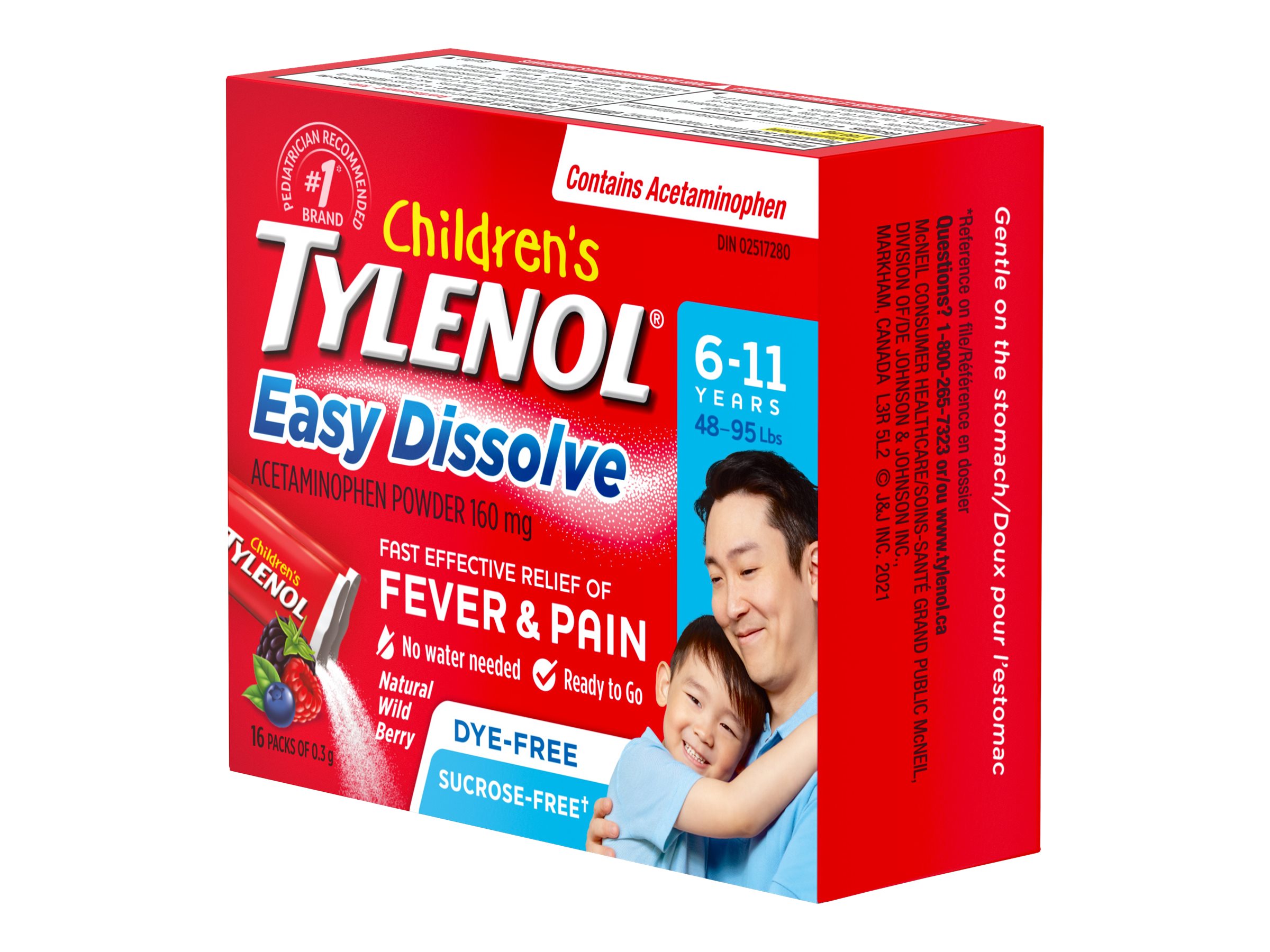
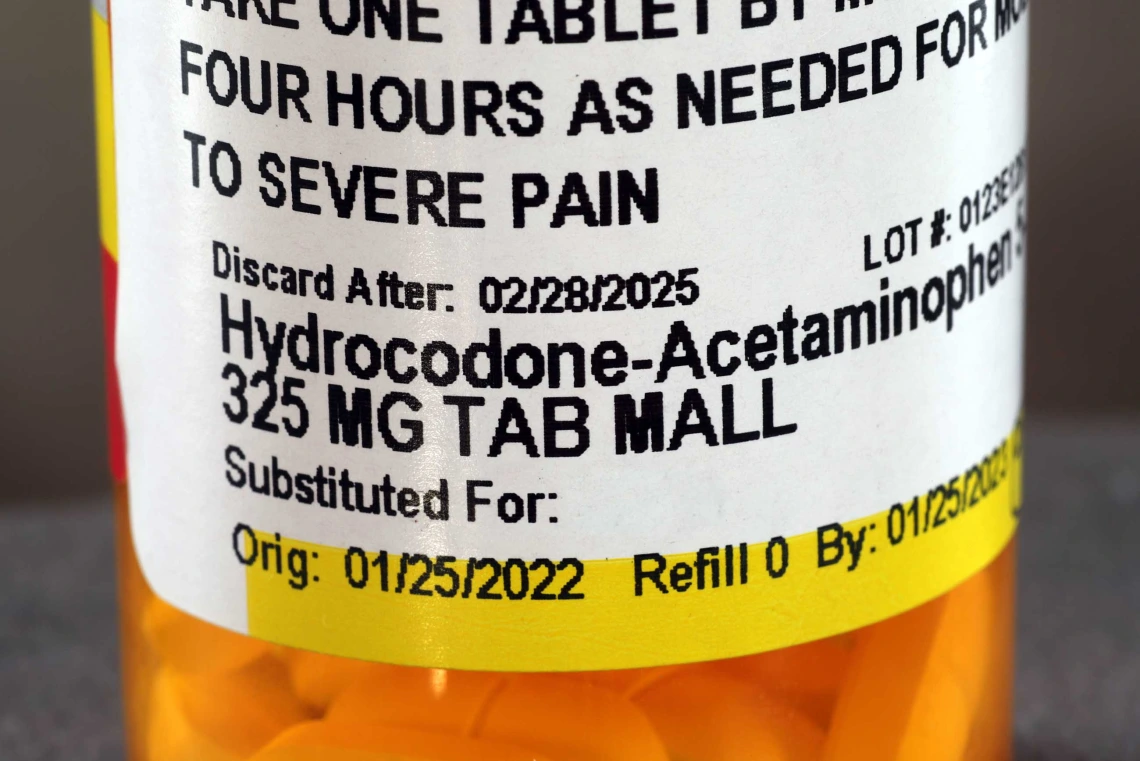
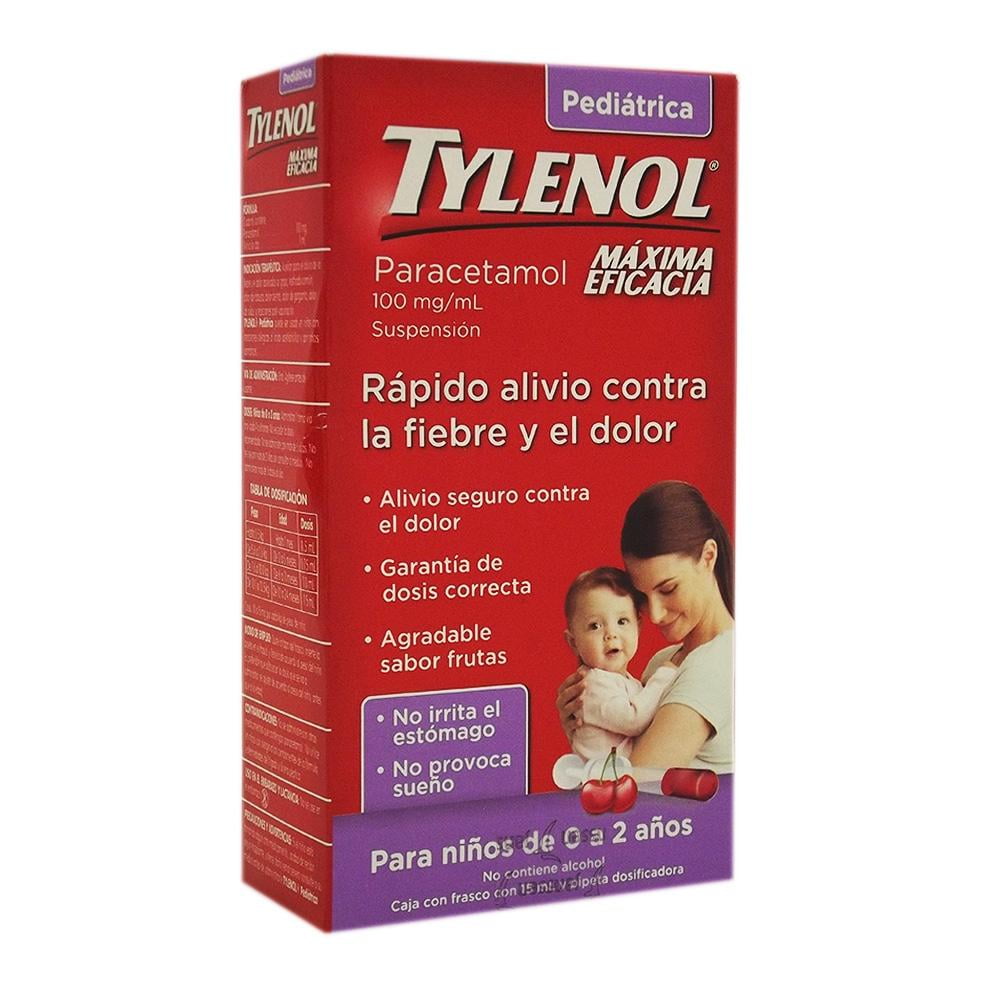
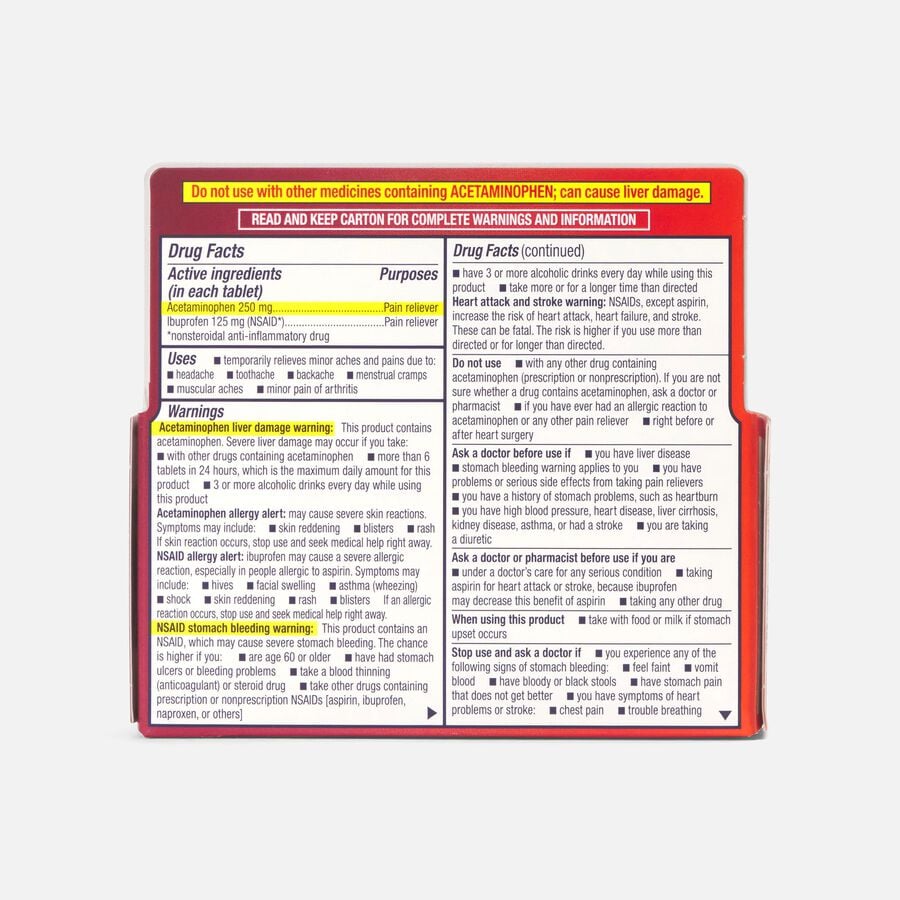
While Tylenol is a widely used medication for humans to treat fever and mild pain, it can be toxic to dogs. The active ingredient, acetaminophen, can cause liver damage, interfere with the blood's ability to carry oxygen, and lead to severe health issues in canine companions. Even small doses of Tylenol can be harmful to dogs, and the risk increases with larger doses or prolonged use.
What Happens If a Dog Takes Tylenol?
If a dog ingests Tylenol, it can experience a range of symptoms, including abdominal pain, vomiting, drooling, panting, and liver damage. In severe cases, acetaminophen poisoning can lead to seizures, coma, or even death. According to VCA Animal Hospitals, dogs who have acetaminophen poisoning may exhibit these symptoms, and prompt veterinary attention is crucial to prevent long-term damage.
Safer Alternatives for Dog Pain Relief
Fortunately, there are safer and more effective alternatives for dog pain relief. Veterinarians can prescribe canine-friendly medications, such as NSAIDs (non-steroidal anti-inflammatory drugs), which are specifically designed for dogs. These medications can help alleviate back pain, arthritis, and other conditions without the risks associated with human pain medications like Tylenol.
What Can Pet Owners Do Instead of Giving Tylenol?

Instead of relying on Tylenol, pet owners can explore various alternatives to alleviate their dog's back pain. These include:
- Consulting with a veterinarian to determine the underlying cause of the back pain
- Using canine-friendly pain medications, such as NSAIDs or nerve pain medications
- Implementing physical therapy or rehabilitation exercises to improve mobility and strength
- Providing a comfortable and supportive environment, such as a orthopedic bed or a warm bath
Conclusion
While it may be tempting to use Tylenol to treat your dog's back pain, it's essential to prioritize their health and safety. By understanding the risks and alternatives, you can make informed decisions to ensure your furry friend receives the best possible care. Always consult with a veterinarian before administering any medication, including Tylenol, to your dog.
Key Takeaways
- Do not give Tylenol to dogs without consulting a veterinarian first.
- Canine-friendly pain medications, such as NSAIDs, are safer and more effective alternatives.
- Prominent signs of acetaminophen poisoning in dogs include abdominal pain, vomiting, drooling, panting, and liver damage.
- Consult with a veterinarian to determine the underlying cause of your dog's back pain and develop a treatment plan.
Resources
For more information on canine pain relief and medication, consult with a veterinarian or explore reputable online resources, such as the American Veterinary Medical Association (AVMA) or the Veterinary Information Network (VIN). Remember, your furry friend's health and well-being depend on informed decision-making and expert guidance.