Dopamine Loops in Goal Achievement: Unlocking Motivation and Success
Goal achievement is a dynamic and adaptive process that relies heavily on the brain's reward system. Central to these neural circuits is dopamine, the neurotransmitter that encodes reward value and sustains motivation. In this article, we'll delve into the concept of dopamine loops in goal achievement and explore how understanding these loops can help you tap into motivation and achieve your goals.
What are Dopamine Loops?
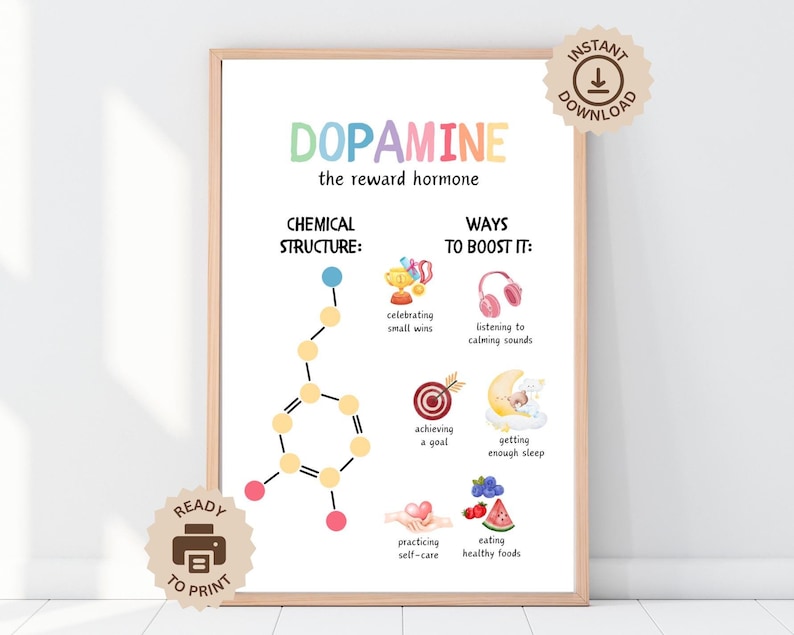
Dopamine loops refer to the positive feedback loops that occur when we make progress toward a goal. When we achieve a small win or make progress toward a goal, our brain releases dopamine, a neurotransmitter associated with pleasure, learning, and motivation. This creates a positive feedback loop, where we feel good when we get closer to our goals, which in turn motivates us to keep going.
The Role of Dopamine in Motivation and Goal Achievement
Dopamine plays a crucial role in motivation and goal achievement by reinforcing behaviors that lead to pleasure or reward. When we set a goal, our brain's mesolimbic dopamine system is activated, releasing neurochemicals like dopamine. This dopamine release reinforces the behavior and motivates us to continue working toward the goal.
The Science Behind Dopamine Loops
Recent advances in neuroscience have shed light on the complex mechanisms underlying dopamine loops. Research suggests that dopamine neurons come in multiple types, each connected to distinct brain networks and playing distinct roles in motivational control. This understanding has significant implications for goal achievement, as it highlights the importance of linking dopamine to meaningful pursuits rather than instant gratification.
Understanding the Dopamine Curve and Its Impact on Goal Achievement
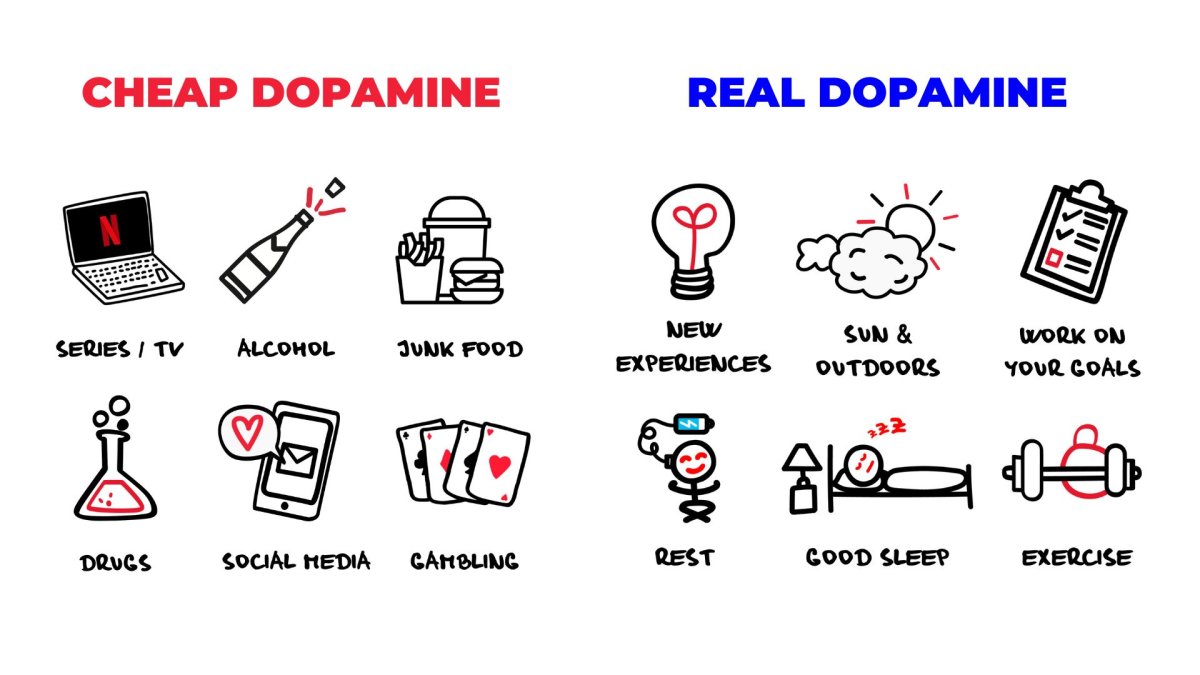
The dopamine curve refers to the impact of dopamine on productivity and goal achievement. While a rapid dopamine rush from immediate rewards can provide a quick motivational boost, it can also distract us from longer-term, more meaningful goals. Understanding the dopamine curve can help us create a more sustainable motivation system that drives us toward long-term goals.

Creating Positive Dopamine Loops
Creating positive dopamine loops involves designing habits and behaviors that trigger regular dopamine releases. This can be achieved by breaking down long-term goals into smaller, measurable components that provide regular dopamine hits. For example, setting a goal to exercise regularly can create a positive feedback loop, where each workout releases dopamine, motivating us to continue exercising.
Overcoming Negative Dopamine Loops
Negative dopamine loops occur when our behaviors and habits trigger negative feedback loops, leading to decreased motivation and goal achievement. Examples of negative dopamine loops include social media addiction, where short-term social media checks lead to long-term distraction and decreased productivity. Identifying and overcoming negative dopamine loops is crucial for achieving success.
Conclusion
Dopamine loops in goal achievement offer a powerful tool for unlocking motivation and success. By understanding the science behind dopamine loops and creating positive feedback loops, we can tap into motivation and achieve our goals. Remember to design habits and behaviors that trigger regular dopamine releases, break down long-term goals into smaller components, and overcome negative dopamine loops to achieve success.
Takeaway Tips
- Set specific, measurable goals that trigger regular dopamine releases.
- Break down long-term goals into smaller components that provide regular dopamine hits.
- Design habits and behaviors that trigger positive feedback loops.
- Identify and overcome negative dopamine loops that lead to decreased motivation and goal achievement.
- Link dopamine to meaningful pursuits rather than instant gratification.