The Digital Overload of Information: A Growing Concern in Our Hyper-Connected World
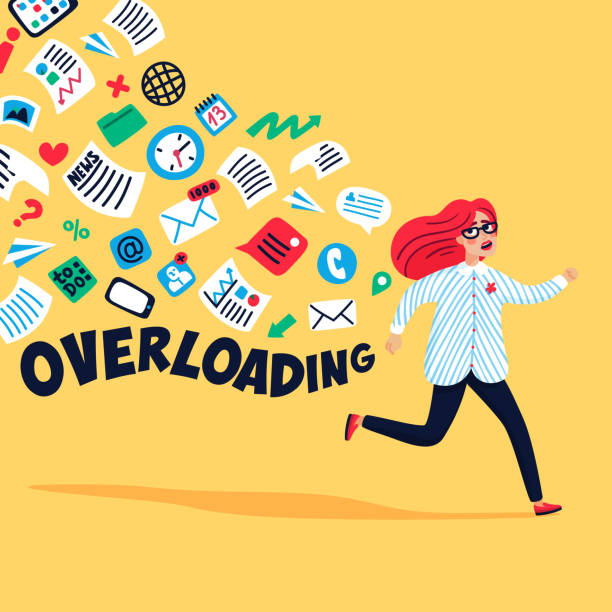
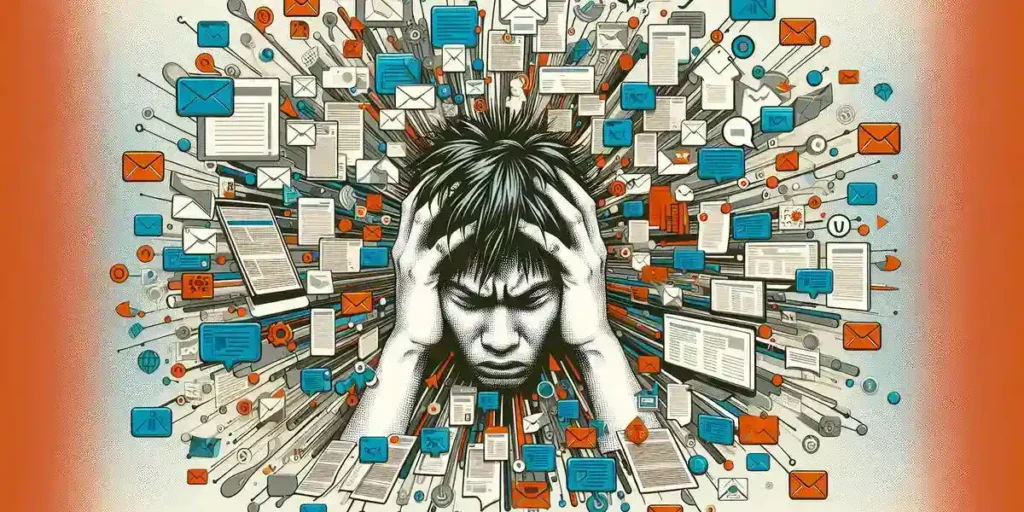
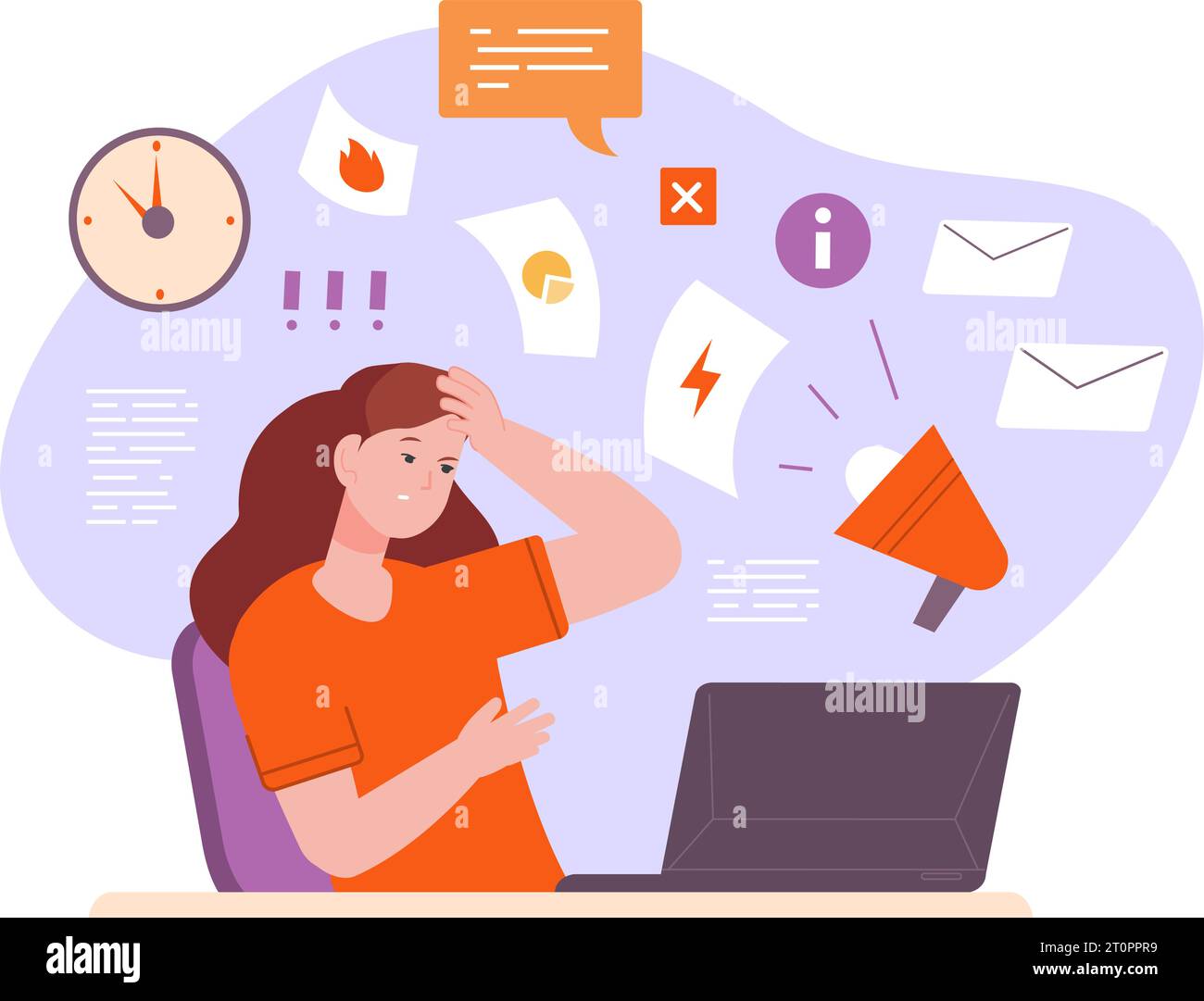
In today's fast-paced digital world, it's easy to feel overwhelmed by the constant flood of information coming from every direction. Excessive screen time can lead to digital overload, leaving your brain fatigued and overstimulated. In this article, we'll explore what digital overload is, its impact on your well-being, and practical strategies to help you regain control of your screen time and reduce the risk of digital overload.
What is Digital Overload?
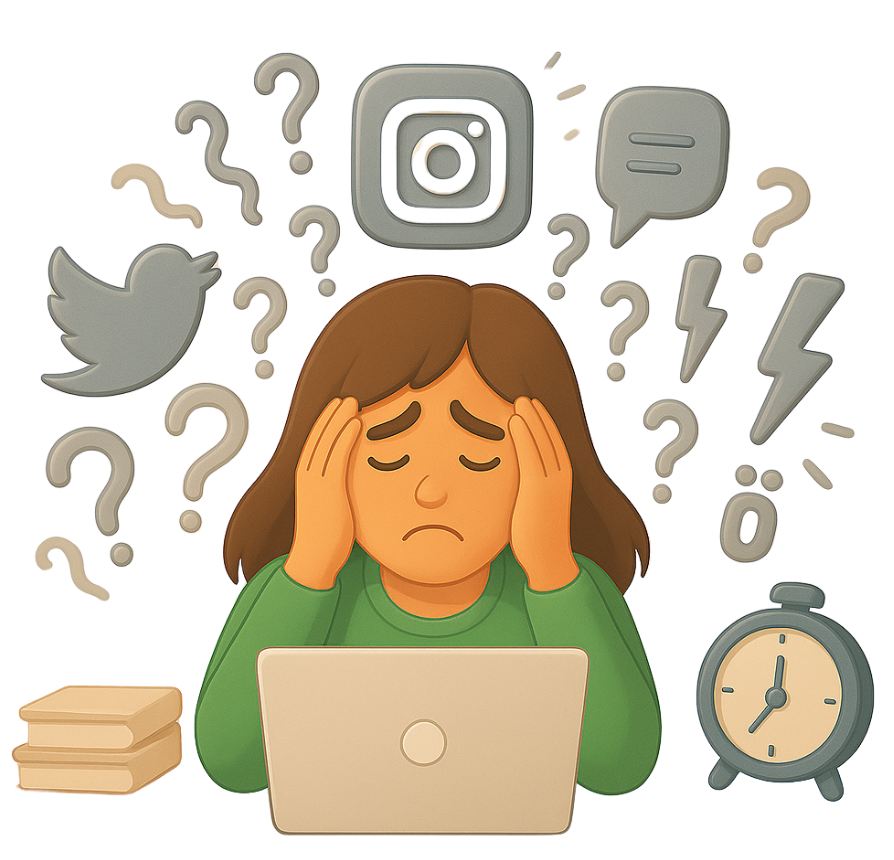
Digital overload is a state of information overload that occurs when your brain receives more information than it can process comfortably. This can lead to feelings of irritability, anxiety, vision problems, difficulty sleeping, and mood swings. Digital overload is not just about the volume of content, but also the relentless pace and emotional intensity of the information we're exposed to.
Signs of Digital Overload
- Irritability and anxiety
- Vision problems and eye strain
- Difficulty sleeping
- Mood swings and emotional instability
- Decreased productivity and focus
The Impact of Digital Overload on Our Well-being
Digital overload can have a significant impact on our mental and physical health. Chronic exposure to excessive information can lead to cognitive fatigue, decreased attention span, and increased stress levels. This can also lead to physical symptoms such as headaches, back pain, and eye strain. Moreover, digital overload can negatively impact our relationships, work performance, and overall quality of life.
Practical Strategies to Reduce Digital Overload
Fortunately, there are several strategies you can implement to reduce your risk of digital overload and regain control of your screen time:
- Limitscreen time to 2 hours per day outside work: Establish a daily limit for your screen time to help you stay focused and avoid excessive exposure to digital information.
- Use screen time tracking tools: Utilize built-in features or apps that track your screen time to monitor your usage and identify areas for improvement.
- Take regular breaks: Take short breaks every hour to stretch, move around, and rest your eyes.
- Implement digital-free zones: Designate digital-free zones in your home or workspace to help you disconnect from screens and reduce exposure to excessive information.
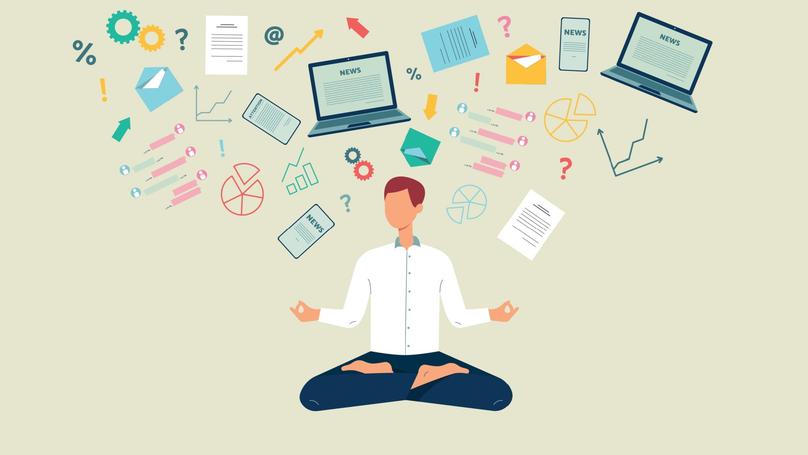
- Practice mindfulness and meditation: Engage in mindfulness and meditation practices to help you stay present and focused in the face of digital overload.
Conclusion
Digital overload is a growing concern in our hyper-connected world. By understanding the signs and impact of digital overload, we can take steps to reduce our risk and regain control of our screen time. By implementing practical strategies such as limiting screen time, taking regular breaks, and practicing mindfulness, we can minimize the negative effects of digital overload and maintain a healthy balance in our digital lives.
References
- A Study on Language Anxiety and Learning Self-Awareness of Vocational College Students Under Digital Information Overload
- Death by Digital Friction: Reclaiming the Digital Workplace in the Age of AI and Information Overload
- The Impact of Digital Overload on Consumer Behavior