Coffee Pregnancy Safety Guidelines: What Pregnant Women Need to Know
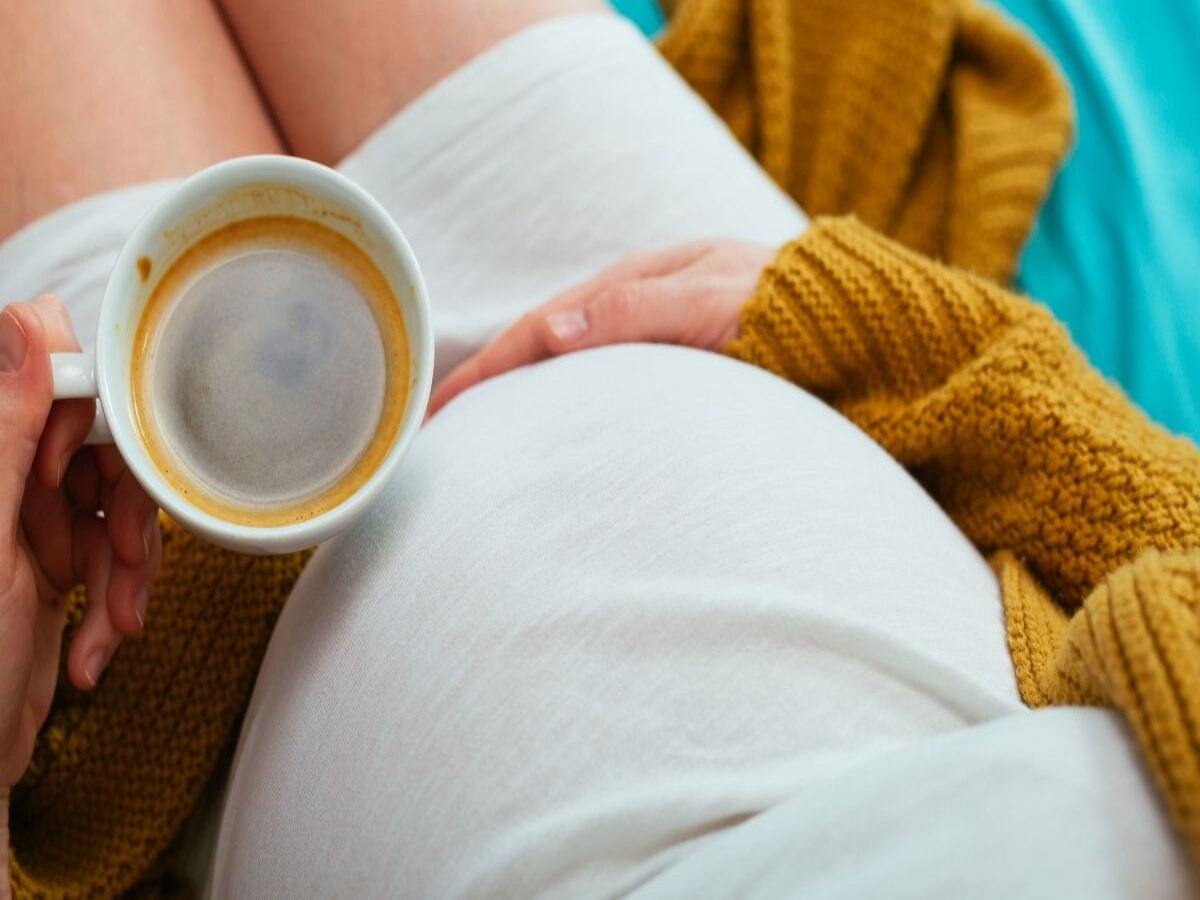
When it comes to caffeine and pregnancy, women often have numerous questions and concerns about their coffee consumption. As a pregnant woman, it's natural to be cautious about what you consume, and for good reason. Caffeine is a stimulant that can have both positive and negative effects on the developing fetus. In this article, we'll delve into the world of coffee pregnancy safety guidelines and explore the nuances of caffeine consumption during pregnancy.
The Risks of Excessive Caffeine Consumption During Pregnancy
While moderate caffeine consumption is unlikely to cause harm to the developing fetus, excessive intake can pose several risks. Research suggests that excessive caffeine consumption may be associated with:
- Increased heart rate and blood pressure in the mother, which can lead to preterm labor and low birth weight.
- Reduced blood flow to the placenta, which can result in fetal growth restriction.
- Increased risks of miscarriage and stillbirth.
However, it's essential to note that not all studies have found a link between caffeine consumption and adverse pregnancy outcomes. In fact, some research suggests that moderate caffeine consumption (less than 200 milligrams per day) does not increase the risk of miscarriage or preterm birth.
A Closer Look at Coffee and Caffeine Pregnancy Safety Guidelines
Caffeine is a stimulant found in a variety of substances, including tea, coffee, soft drinks, chocolate, kola nuts, and energy drinks. Coffee is one of the most common sources of high caffeine intake. During pregnancy, caffeine clearance from the mother's blood slows down significantly, allowing more caffeine to accumulate in the fetus's system.
So, how much coffee can you drink while pregnant? The American College of Obstetricians and Gynecologists (ACOG) and the National Institutes of Health (NIH) have both established guidelines for caffeine intake during pregnancy. According to these recommendations:
- Women should limit their daily caffeine intake to 200 milligrams or less.
- One 12-ounce cup of coffee contains approximately 100-150 milligrams of caffeine.

Conclusion
While moderate coffee consumption is unlikely to cause harm to the developing fetus, excessive caffeine intake can pose several risks. To ensure a healthy pregnancy, it's essential to be mindful of your caffeine intake. If you're a coffee lover, consider these tips to reduce your caffeine consumption:
- Limit your daily coffee intake to one cup or less.
- Switch to decaf or half-caf options.
- Choose teas, which often contain lower amounts of caffeine.
By following these coffee pregnancy safety guidelines, you can enjoy your favorite coffee while minimizing potential risks. Consult with your healthcare provider if you have any concerns about your caffeine intake or pregnancy.
Resources
For more information on caffeine and pregnancy, consult the following resources:
- American College of Obstetricians and Gynecologists (ACOG). (2010). Moderate caffeine consumption during pregnancy. Obstetrics and Gynecology, 116(4), 786-793.
- National Institutes of Health (NIH). (2020). Caffeine and Pregnancy.
- European Food Safety Authority (EFSA). (2016). Caffeine intake by pregnant women and the potential risks to the fetus.
Disclaimer
This article is for informational purposes only and should not be considered as a substitute for medical advice. Pregnant women should consult with their healthcare provider for personalized guidance on caffeine consumption during pregnancy.