Calculate BMI from Weight and Height: A Comprehensive Guide
BMI, or Body Mass Index, is a widely used measurement to assess an individual's weight status based on their height and weight. It's a simple and effective tool for determining whether your weight is in a healthy range for your height. In this article, we'll explain how to calculate BMI from weight and height and provide you with a step-by-step guide on how to use it.
What is Body Mass Index (BMI)?
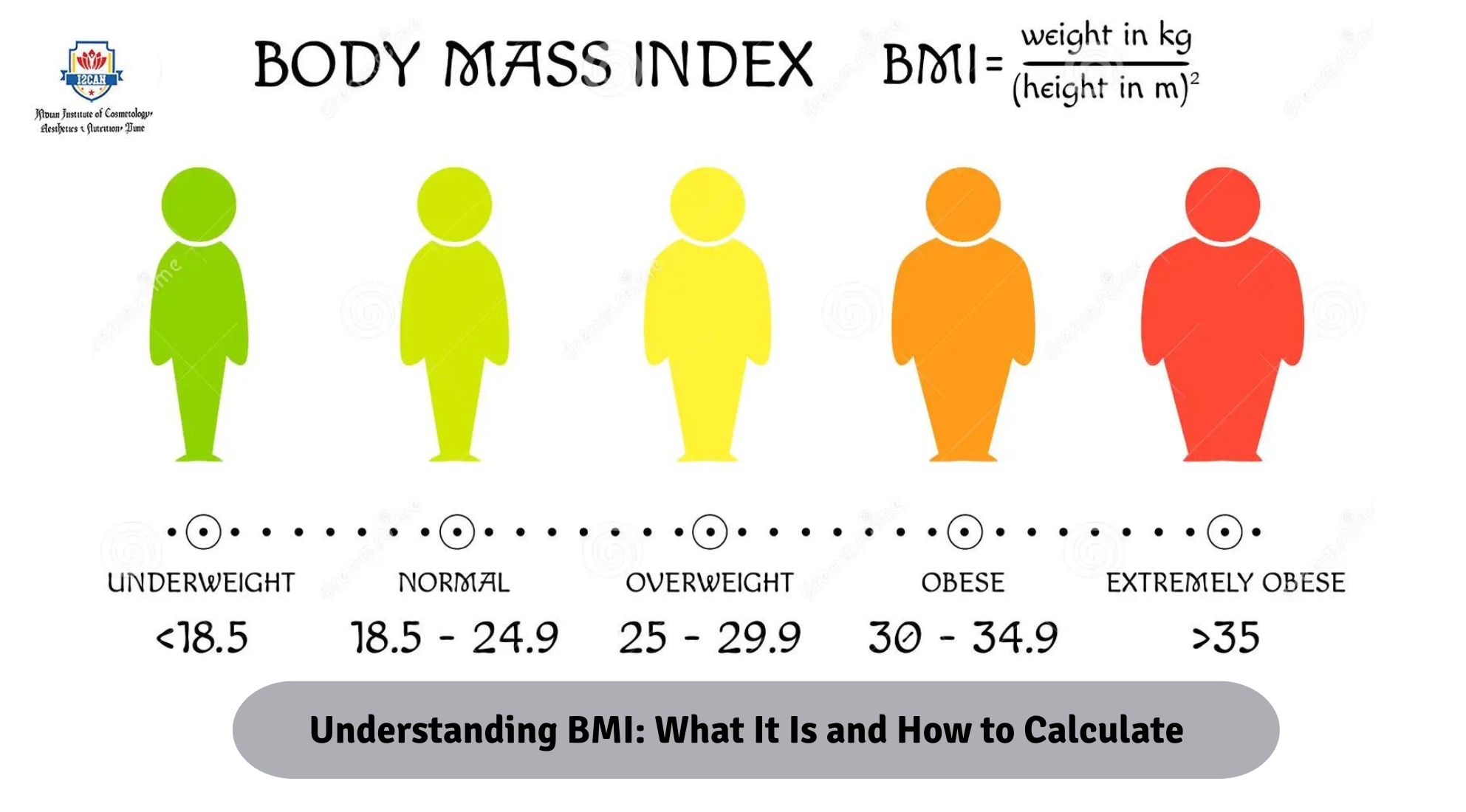
BMI is a calculated measure of body weight relative to height. It's a number that can be used to quickly assess whether a person is at a healthy weight for their height. The BMI calculation is based on the following formula:
- Weight (in kilograms) / Height (in meters) squared
How to Calculate BMI from Weight and Height
To calculate your BMI, you'll need to know your weight in kilograms and your height in meters. You can use a BMI calculator or do the calculation manually. Here's a step-by-step guide on how to do it:
- Measure your weight in kilograms using a digital scale or by converting your weight from pounds to kilograms (1 pound = 0.45 kilograms)
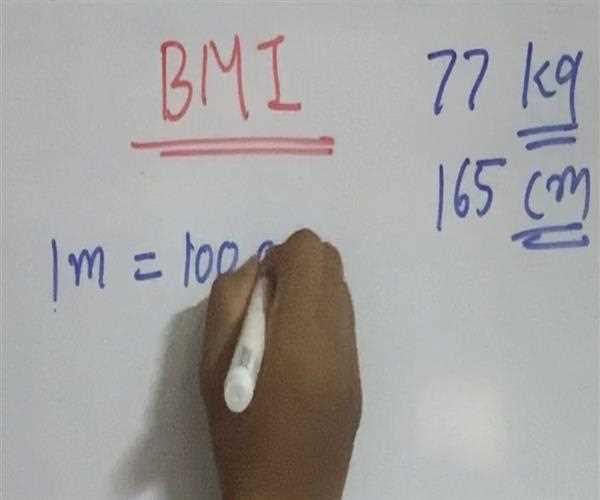
- Measure your height in meters using a tape measure or by converting your height from feet and inches to meters (1 foot = 0.3048 meters)
- Enter your weight and height into the BMI calculation formula: Weight (in kg) / Height (in meters) squared
- Perform the calculation to get your BMI score
Understanding Your BMI Result
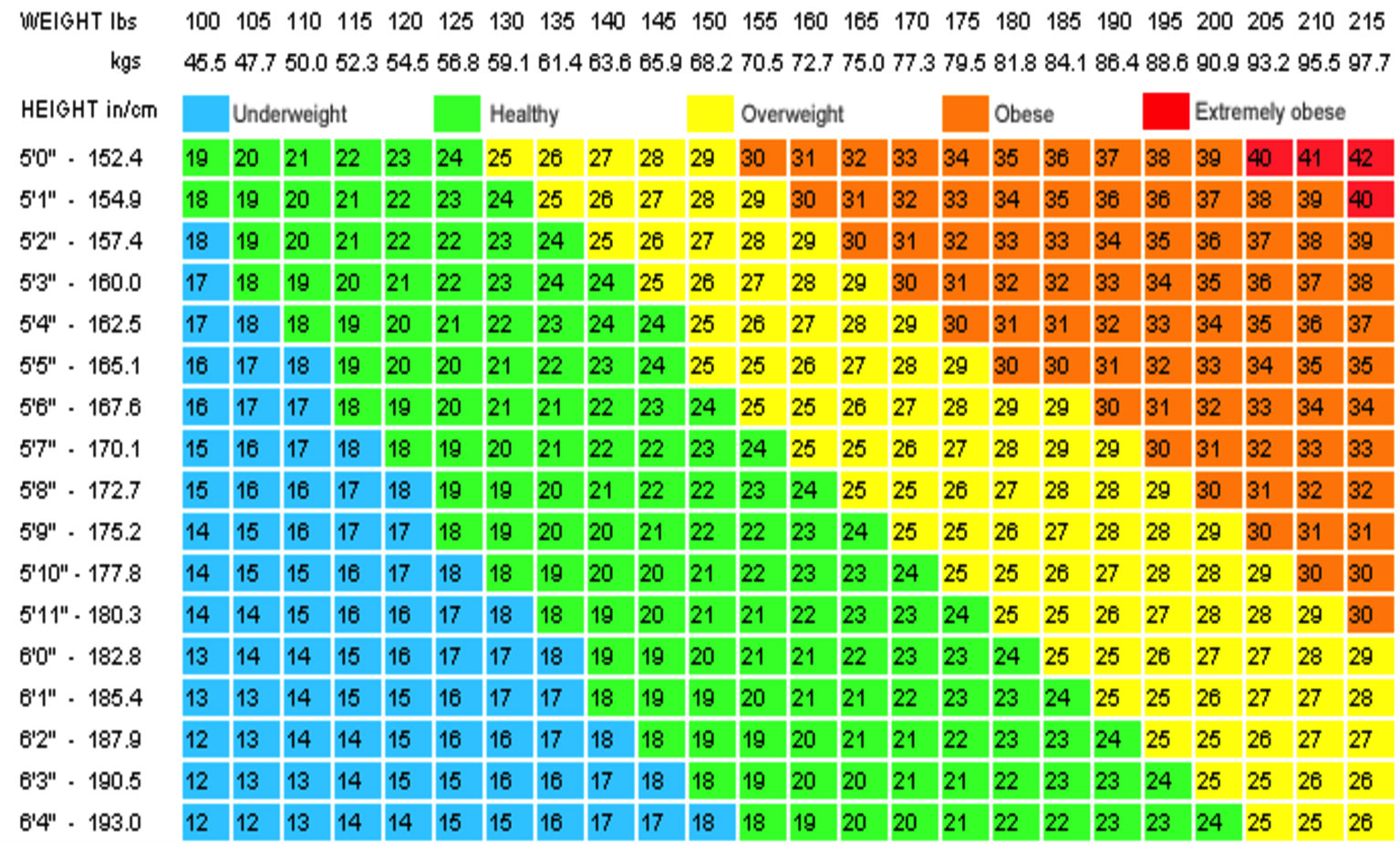
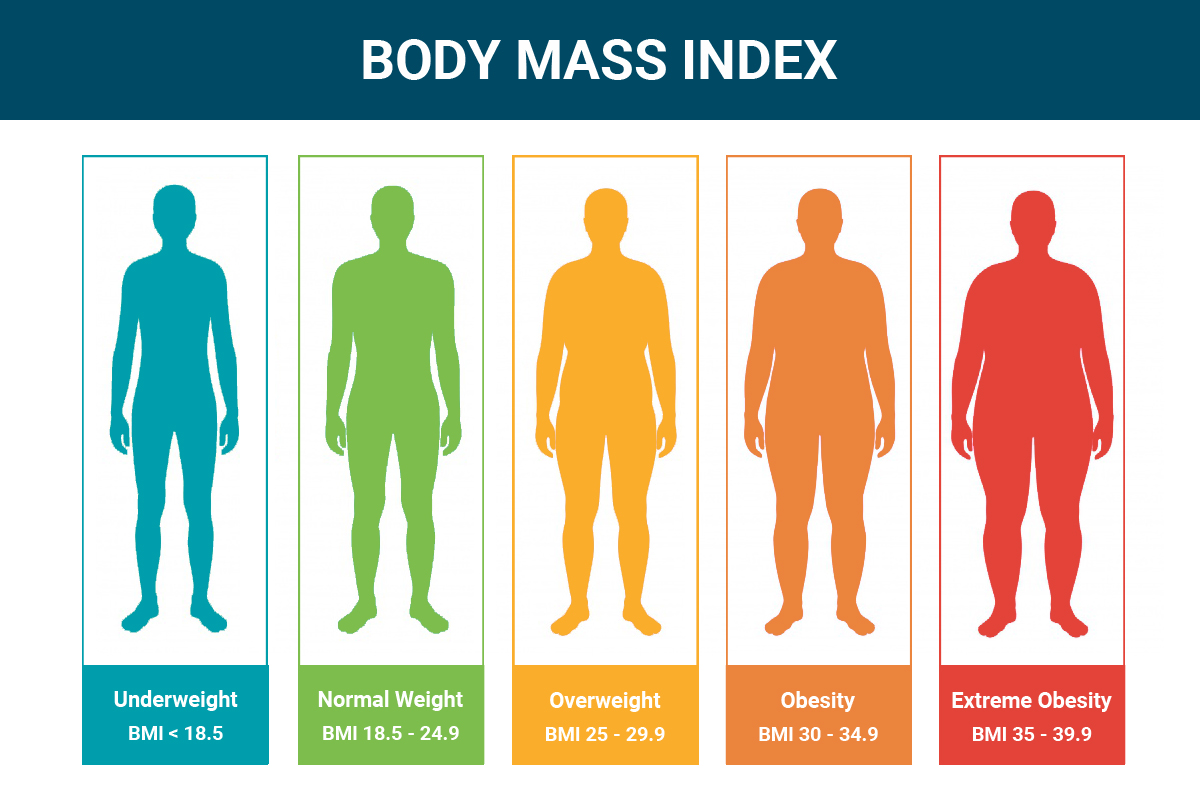
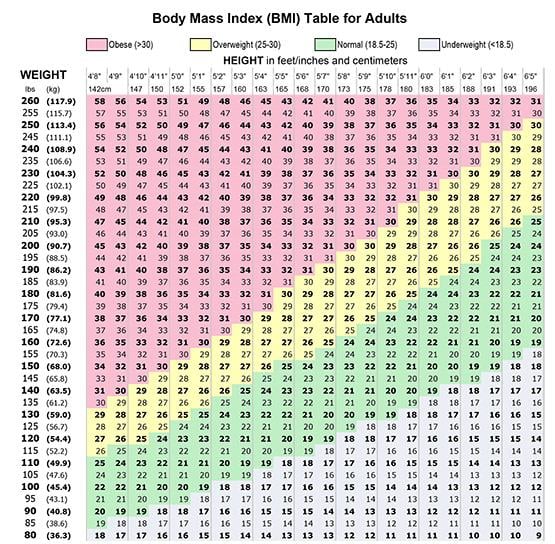
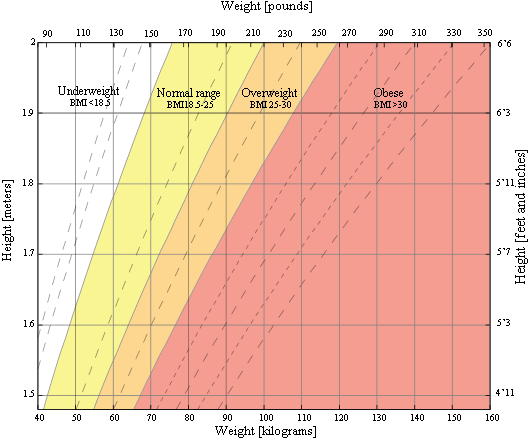
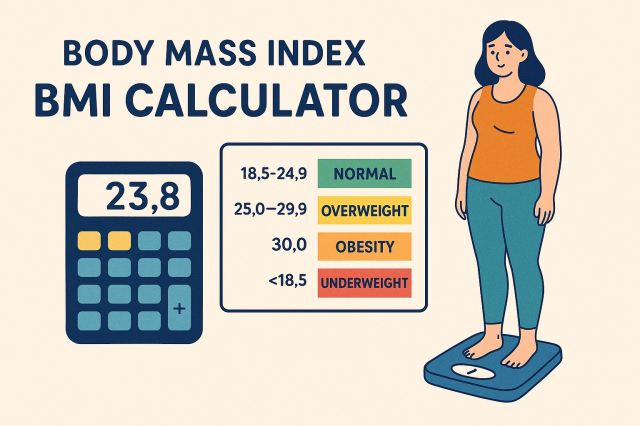
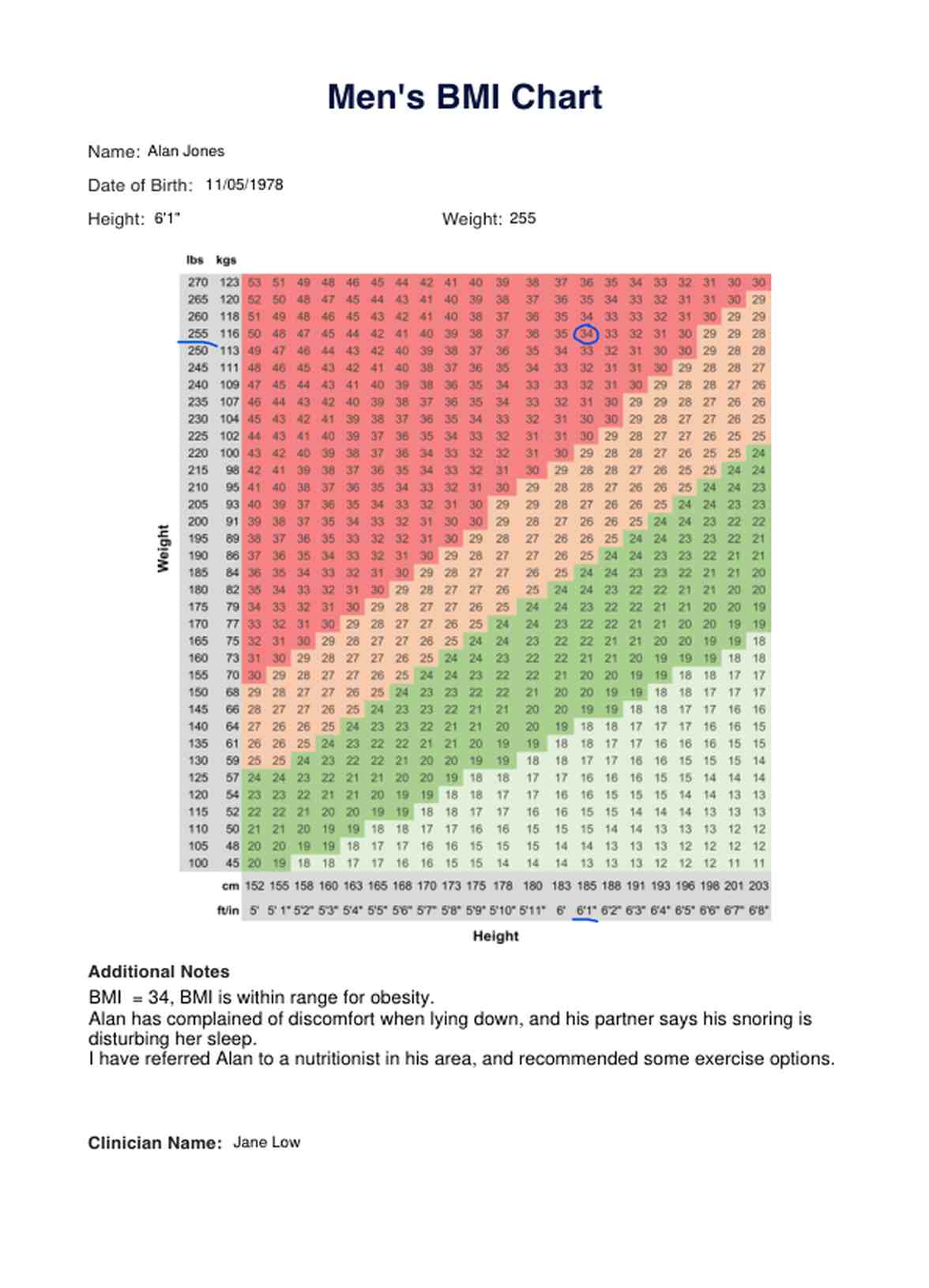
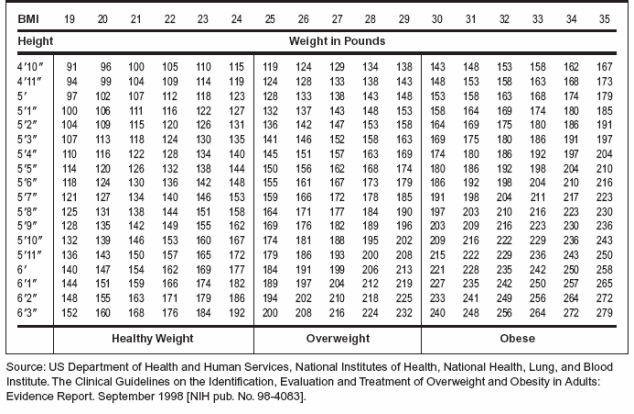
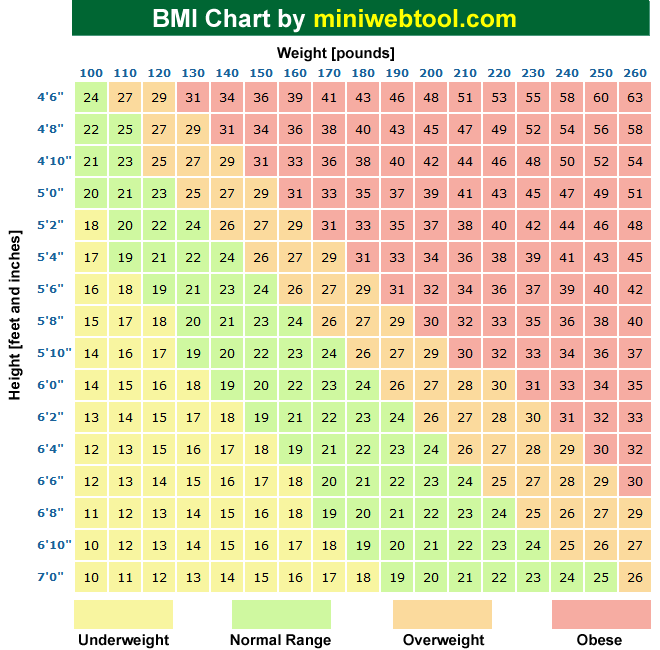
Once you've calculated your BMI, you'll get a score that represents your weight status. The BMI categories are as follows:
- Underweight: BMI < 18.5
- Normal weight: BMI = 18.5-24.9
- Overweight: BMI = 25-29.9
- Obesity: BMI ≥ 30
Limitations of BMI Calculation
While BMI is a useful tool for assessing weight status, it has some limitations. For example:

- BMI doesn't take into account muscle mass or body composition
- BMI doesn't account for variations in body shape or distribution of body fat
- BMI may not be accurate for people with a muscular build or a large bone structure
Conclusion
Calculating BMI from weight and height is a simple and effective way to assess your weight status. However, it's essential to remember that BMI has its limitations and should be used in conjunction with other health metrics, such as waist circumference and body fat percentage, to get a comprehensive picture of your health. By using the BMI calculation and understanding its limitations, you can make informed decisions about your weight and overall health.
Calculate Your BMI Now
Use the BMI calculator below to calculate your BMI and get an instant result. Simply enter your weight and height, and you'll get your BMI score and corresponding weight category.
Frequently Asked Questions
Here are some frequently asked questions about BMI and weight loss:
- What is the ideal BMI for a man by age and height? The ideal BMI for a man varies by age and height. For example, a 5'9" (175 cm) man aged 30-39 should have a BMI of 21.1-24.9.
- How does BMI differ for children and teens? BMI for children and teens is expressed as a percentile, which is a measure of their weight status compared to others of the same sex and age.
- Can I use BMI to track my weight loss progress? Yes, BMI can be used to track your weight loss progress. However, it's essential to remember that BMI has its limitations and should be used in conjunction with other health metrics.


:max_bytes(150000):strip_icc()/VWH_illustration_BAF8FF3-8c364807534d4b52adc4a9d649036dee.png "BMI Calculator - Calculate BMI Based on Weight and Height")