Understanding Blue Light and Diplopia: Causes, Symptoms, and Treatment
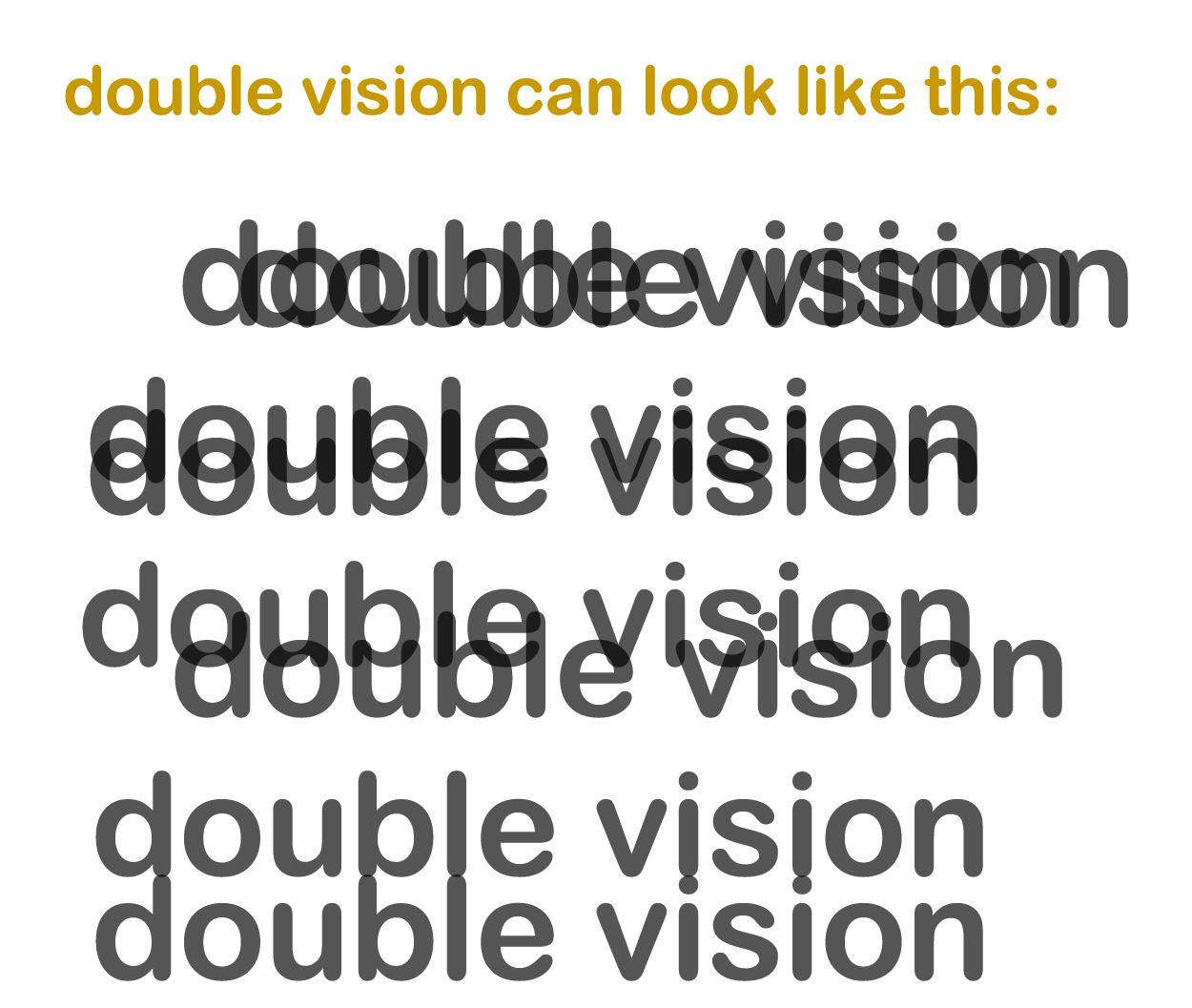
Double vision, also known as diplopia, can be a distressing experience for anyone who experiences it. Suddenly seeing two images of a single object can be unsettling and affect daily life activities. Diplopia can occur due to a minor event or be an indicator of a more serious, even life-threatening, problem.Before we dive into the nuances of blue light and diplopia, let's define what diplopia is.
What is Diplopia?
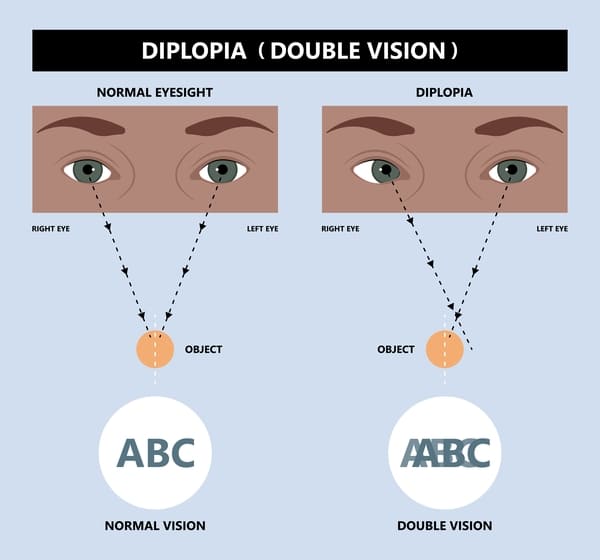
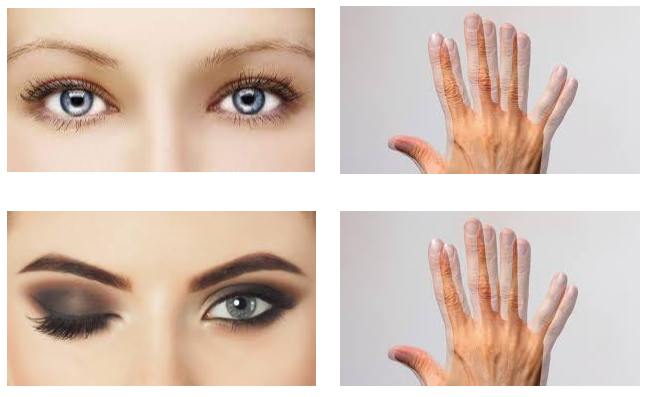
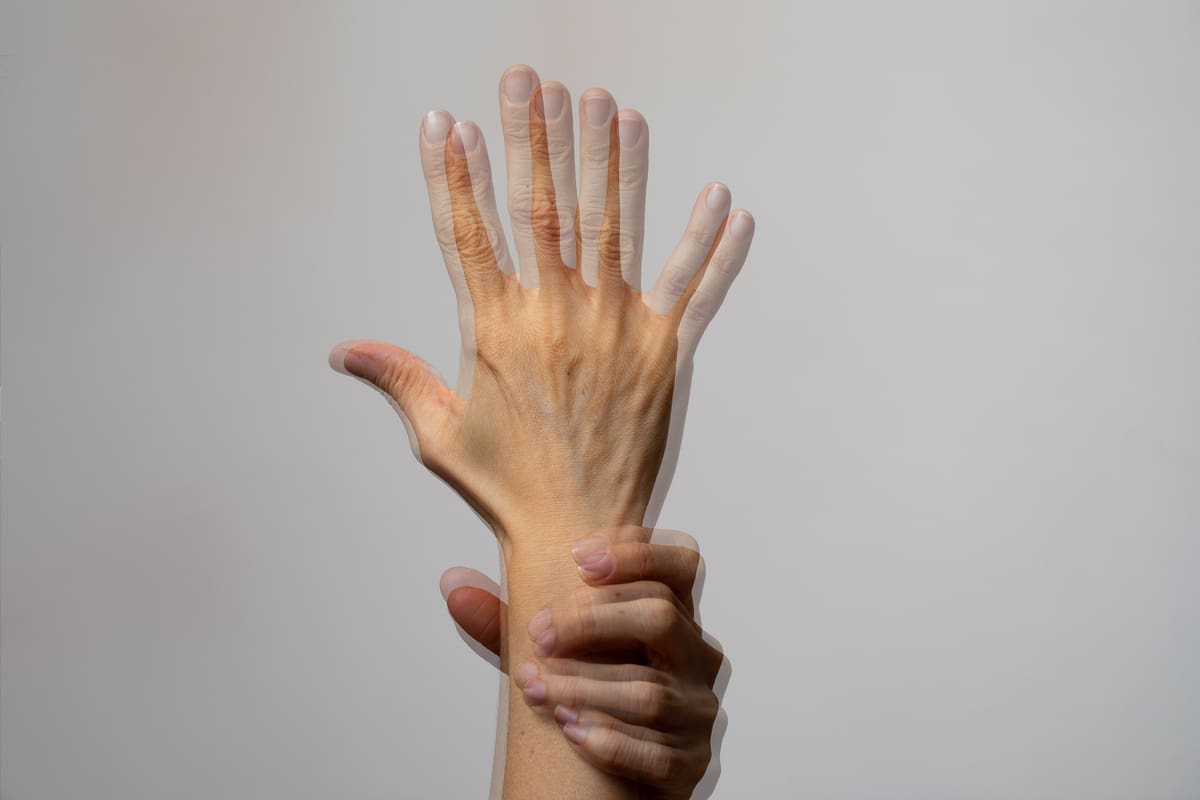
Diplopia, also known as double vision, is the medical term for seeing two objects when looking at only one. This is different from blurred vision, where a person sees one image that appears unclear. Diplopia often occurs when there's a problem in how the eye bends light, but it can also be caused by other factors such as eye alignment, nerve damage, or brain disorders.Types of Diplopia
Monocular Diplopia
Monocular diplopia occurs in only one eye and persists even when the other eye is closed. This can be caused by problems with the eye itself, such as a cataract or astigmatism, and may appear in both eyes.
Binocular Diplopia
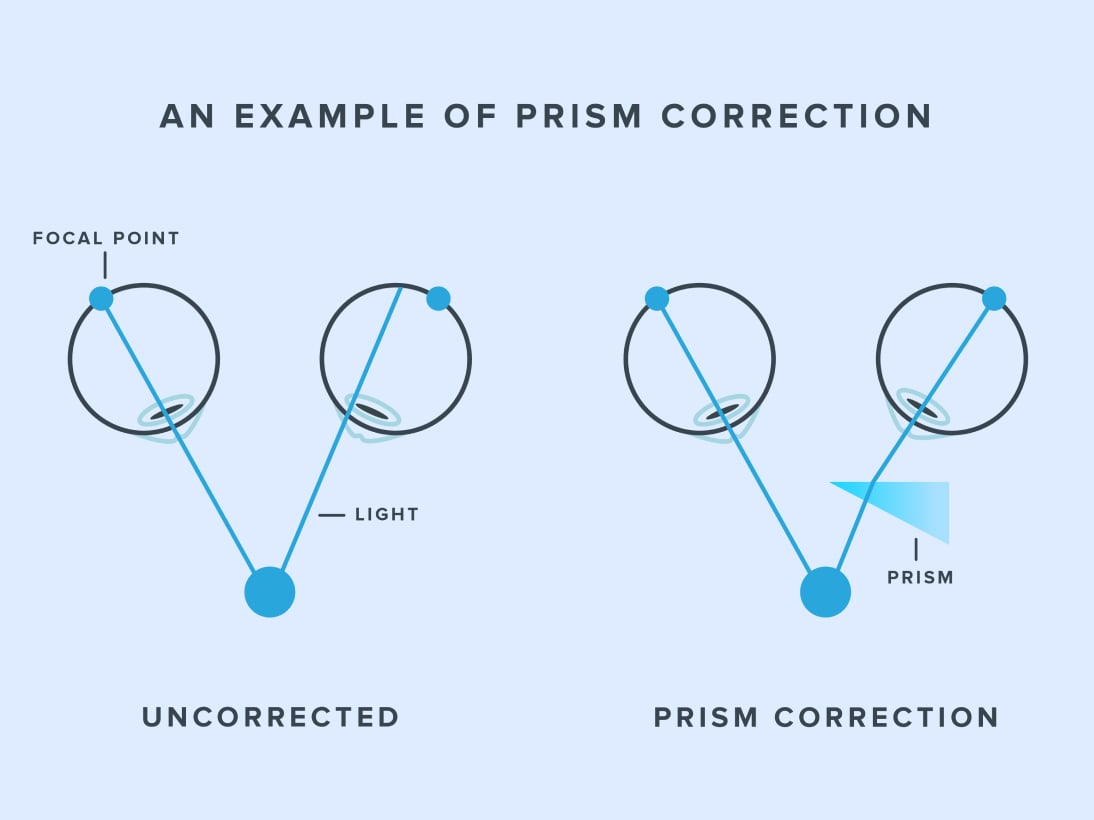
Binocular diplopia, also known as binocular double vision, happens when both eyes are open and can be resolved when either eye is closed. This type of diplopia is often the result of ocular misalignment or nerve damage.
Causes of Diplopia
While diplopia can have minor causes, it can also be a symptom of a more severe condition. Here are some of the possible causes of diplopia:- Eye alignment: Misalignment of the eyes is a common cause of binocular diplopia.
- Eye muscle weakness**: Weakness or paralysis of the extraocular muscles can cause diplopia.
- Corneal or lens problems**: Conditions such as cataracts, astigmatism, and keratoconus can cause diplopia in one eye.
- Diabetes**: Eye damage caused by diabetes can lead to diplopia.
- Stroke or brain tumors**: Brain disorders such as stroke, tumor, or concussions can cause diplopia.

Blue Light and Diplopia
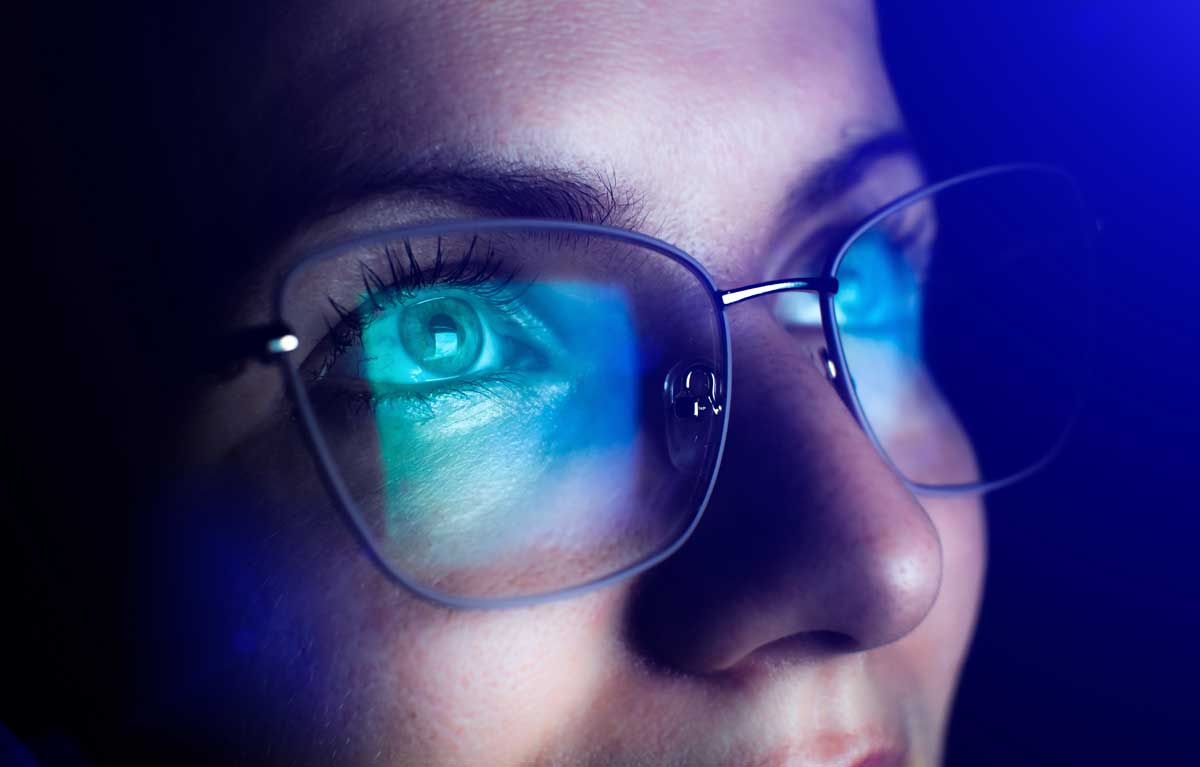
In recent years, the impact of blue light on eye health has gained attention. Blue light, a high-energy portion of the visible light spectrum with a wavelength of 415 nm to 455 nm, is closely related to eye damage. The sun is the largest source of blue light, followed by light-emitting diodes (LEDs) and digital devices such as computers and smartphones. While excessive exposure to blue light can cause eye strain and disrupt sleep patterns, it is unlikely to lead to eye disease.Treatment for Diplopia
The treatment for diplopia depends on the underlying cause and may involve exercises to strengthen eye muscles, glasses or contact lenses, or surgery, depending on the severity of the condition.
Blue Light and Eye Health
While blue light from screens may not be directly linked to eye disease, prolonged exposure can cause eye strain, disrupt sleep patterns, and decrease productivity. Engaging in blue light-free activities before bedtime, using blue light-blocking glasses or software, and following the 20-20-20 rule can help minimize the impact of blue light.Conclusion
Blue light and diplopia are interconnected concepts that can affect eye health. Understanding the causes of diplopia and its types can help identify potential underlying problems. By taking steps to reduce blue light exposure and treating diplopia promptly, you can prevent long-term vision problems and maintain good eye health. If you experience sudden onset of diplopia or binocular diplopia, consult an eye care professional for proper diagnosis and treatment.What to Do if You Experience Diplopia
If you notice any symptoms of diplopia, see an eye care specialist as soon as possible. A comprehensive eye exam can help determine the cause and guide your treatment. In the meantime, try to engage in activities that do not exacerbate the condition and avoid stressed or tight activities that can worsen the symptoms.