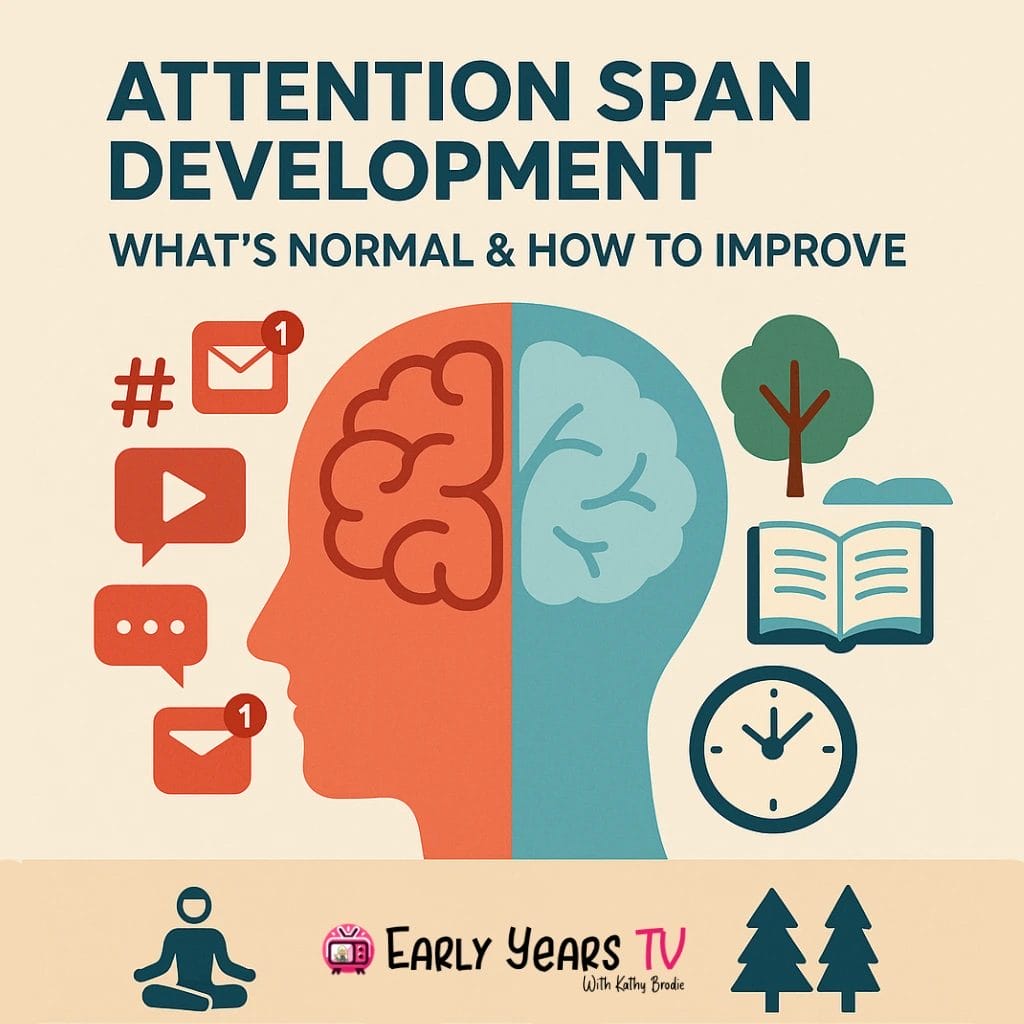
Understanding Attention Span Disorders Treatment
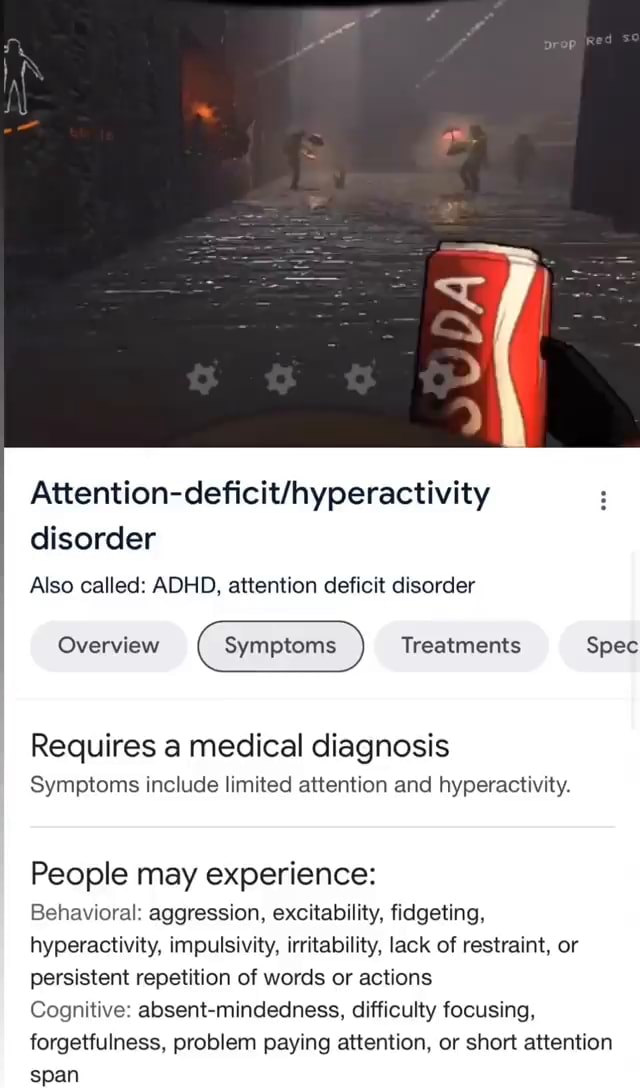
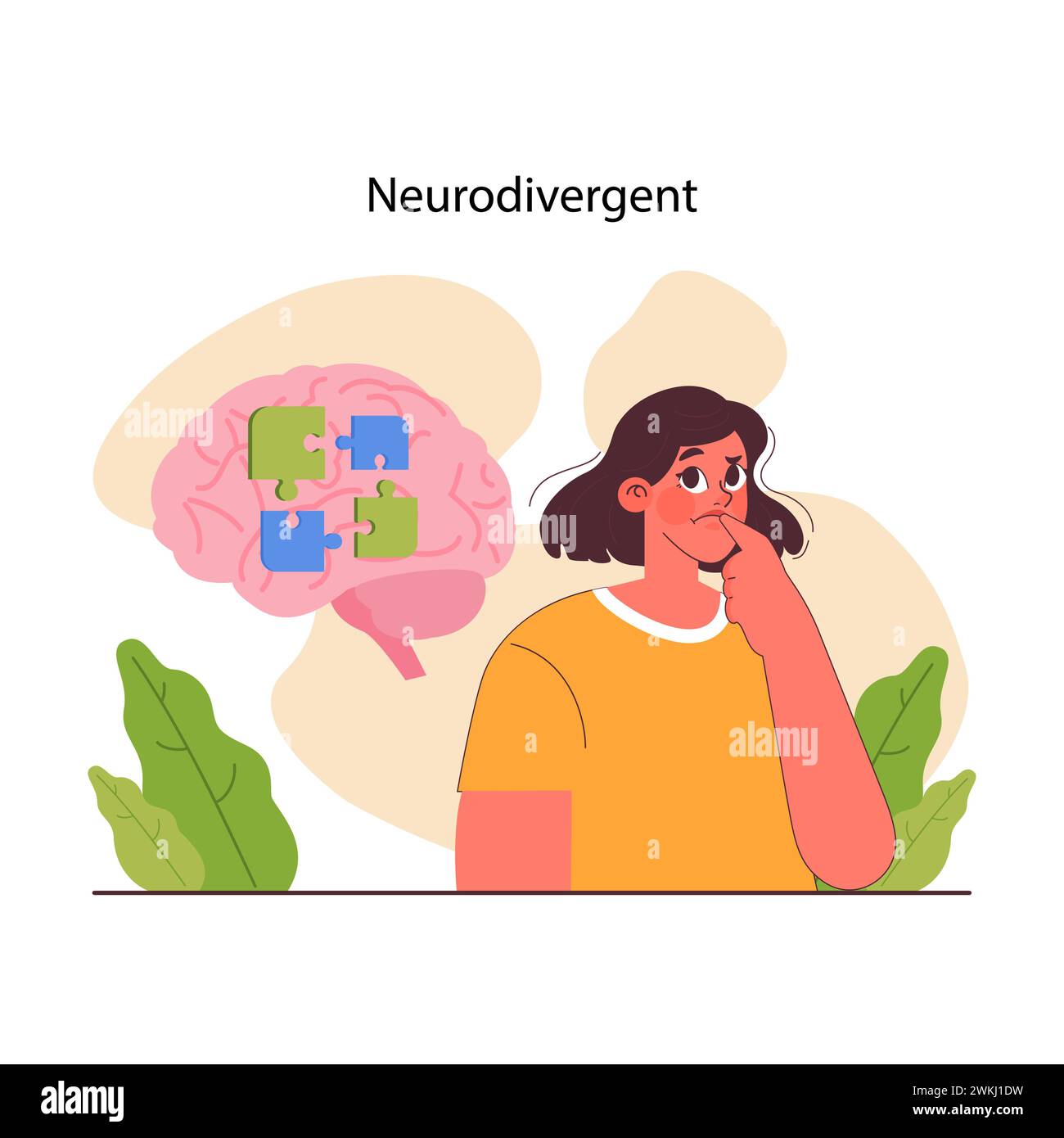
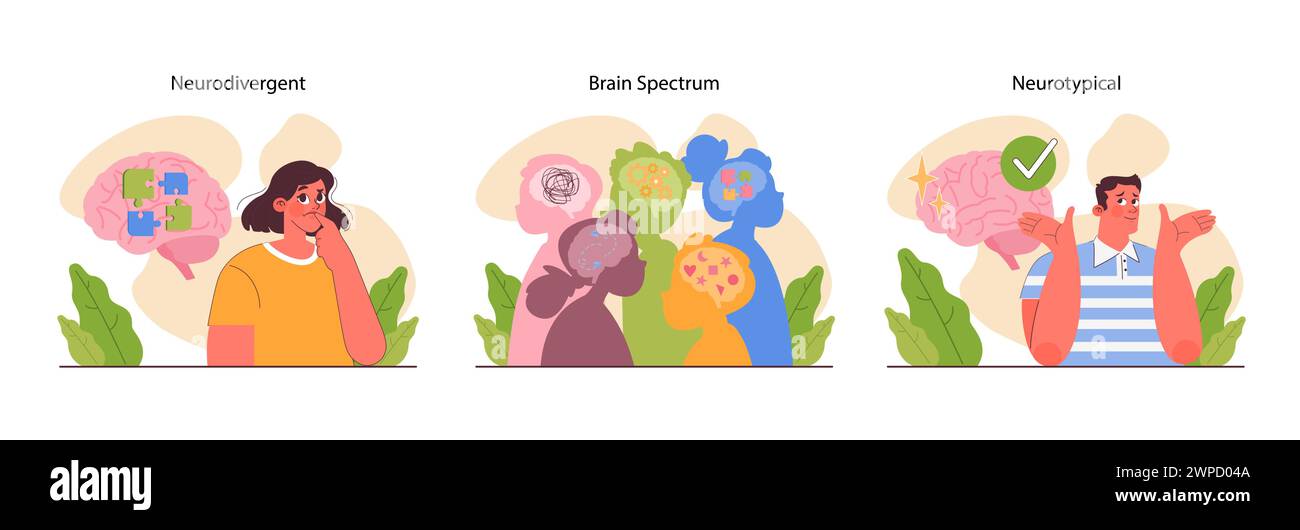
Attention span disorders treatment is a complex and multifaceted topic that requires a comprehensive approach to effectively manage the symptoms of attention deficit hyperactivity disorder (ADHD). Also known as attention deficit disorder (ADD), ADHD is a neurodevelopmental disorder characterized by symptoms of inattention, hyperactivity, and impulsivity that are excessive and pervasive, impairing in multiple contexts and developmentally inappropriate.
Causes of Attention Span Disorders
Attention span disorders can be caused by a range of psychological and physical conditions, including ADHD. The exact cause of ADHD is still not fully understood, but research suggests that it is a complex interaction between genetic, environmental, and neurobiological factors. Some possible causes of a short attention span include:
- ADHD: A neurodevelopmental disorder characterized by symptoms of inattention, hyperactivity, impulsivity, and emotional dysregulation.
- Sleep deprivation: Lack of sleep can affect attention and other cognitive functions.
- Trauma-related conditions: Conditions such as post-traumatic stress disorder (PTSD) can affect attention and impulse control.
- Age: Children and adolescents may have shorter attention spans due to their developing brains.
- Health issues: Certain health issues, such as anxiety, depression, and chronic fatigue syndrome, can also affect attention span.
Types of Attention Span Disorders
There are three main subtypes of ADHD: predominantly inattentive type (ADHD-PI), predominantly hyperactive-impulsive type (ADHD-PH), and combined type (ADHD-C). Each subtype has distinct symptoms and requires different treatment approaches.
Diagnosis of Attention Span Disorders
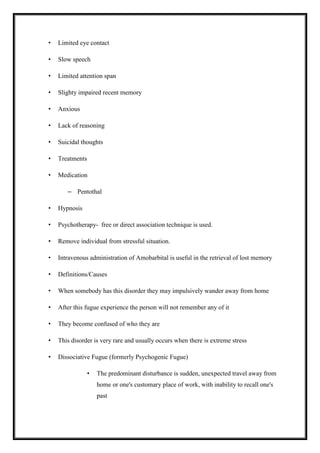
Diagnosing attention span disorders can be challenging, as the symptoms can be similar to other conditions. A comprehensive evaluation by a healthcare professional, including a physical examination, medical history, and psychological assessment, is necessary to determine the presence and severity of attention span disorders.
Attention Span Disorders Treatment
Effective treatment of attention span disorders requires a combination of behavioral therapy, medication, and lifestyle changes. The goal of treatment is to manage symptoms, improve focus, and enhance daily functioning. Treatment options for attention span disorders include:
- Behavioral therapy: Techniques such as cognitive-behavioral therapy (CBT) and behavioral modification can help individuals with ADHD develop strategies to manage symptoms and improve attention.
- Medications: Stimulants and non-stimulants can help regulate attention, impulsivity, and hyperactivity.
- Lifestyle changes: Regular exercise, healthy sleep habits, and a balanced diet can also help improve attention and reduce symptoms of ADHD.
Benefits of Attention Span Disorders Treatment
Effective treatment of attention span disorders can improve daily functioning, increase focus, and enhance overall quality of life. Timely treatment can also prevent long-term consequences, such as educational and occupational underachievement, social difficulties, and mental health issues.
Conclusion
Attention span disorders treatment is a complex and ongoing process that requires a comprehensive approach. By understanding the causes, types, and symptoms of attention span disorders, individuals can seek effective treatment and manage their symptoms to improve attention, impulse control, and overall well-being.