Understanding Anxiety from Phone Vibrations: A Growing Concern
Have you ever felt your phone vibrate, only to reach for it and find out there's no message or call? You're not alone. This phenomenon is called Phantom Vibration Syndrome (PVS), and it's a growing concern for many people. In this article, we'll delve into the psychology behind anxiety from phone vibrations and explore evidence-based strategies to overcome it.
What is Phantom Vibration Syndrome?
Phantom Vibration Syndrome is a neurological disorder in which individuals misinterpret normal sensations as phone vibrations. This can lead to anxiety, especially when a person is expecting a call or message. The condition is also known as ringxiety, fauxcellarm, or phantomringing syndrome.
The Science Behind Phantom Vibration Syndrome
According to researchers, Phantom Vibration Syndrome arises from a combination of neurological, psychological, and behavioral factors. Sensory misinterpretation, conditioned response, and habit expectation are the primary culprits. Frequent phone checking trains the brain to associate any physical sensation near the phone with a vibration. This can lead to feelings of anxiety, stress, and unease.
Causes and Consequences of Phantom Vibration Syndrome
- Sensory Misinterpretation: Muscle spasms, clothing movement, or nerve firings can be misinterpreted as phone vibrations due to habit and expectation.
- Conditioned Response: Frequent phone checking trains the brain to associate any physical sensation near the phone with a vibration.
- Habit Expectation: The brain becomes accustomed to expecting phone notifications, leading to false sensations.
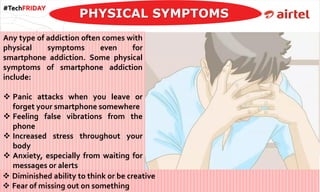
- Stress and Anxiety: Phantom Vibration Syndrome can exacerbate existing anxiety and stress levels.
- Misattribution: Users may attribute their anxiety to being without their phone, leading to Nomophobia, a fear of being without a phone.
Impact on Daily Life
Phantom Vibration Syndrome can have a significant impact on daily life, causing users to experience feelings of anxiety, stress, and unease. This can lead to difficulties in relationships, work, and social interactions. It's essential to address the issue and develop strategies to manage anxiety from phone vibrations.
Strategies to Overcome Phantom Vibration Syndrome
- Phone Habit Breakers: Regularly put your phone on silent mode, turn off notifications, and take breaks from phone use.
- Mindfulness and Meditation: Practice mindfulness and meditation techniques to manage stress and anxiety.
- Self-Regulation: Set boundaries and prioritize phone-free time to reduce anxiety and misattribution.
- Physical Activity: Engage in regular physical activity to reduce stress and anxiety.
- Seek Professional Help: If symptoms persist, consider seeking help from a mental health professional.
Conclusion
Phantom Vibration Syndrome is a common phenomenon that can cause significant anxiety and stress. By understanding the science behind this condition and implementing evidence-based strategies, individuals can overcome anxiety from phone vibrations. Prioritize phone-free time, engage in mindfulness and physical activity, and seek professional help if necessary. With the right mindset and strategies, you can break free from Phantom Vibration Syndrome and cultivate a healthier relationship with your phone.