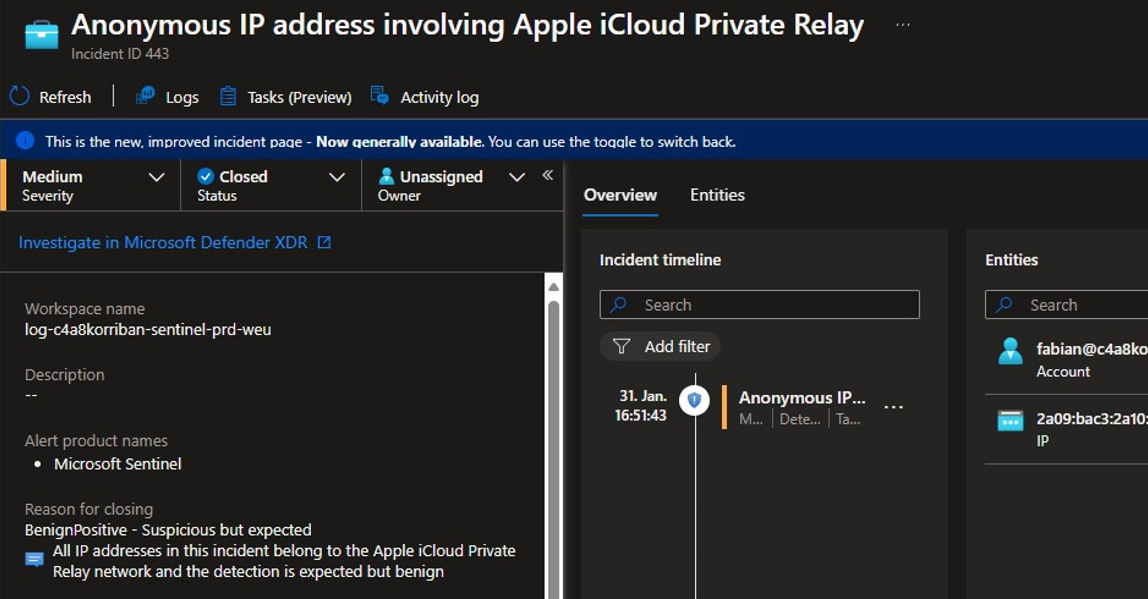
Understanding Anonymous IP Addresses: A Guide to Online Security and Privacy
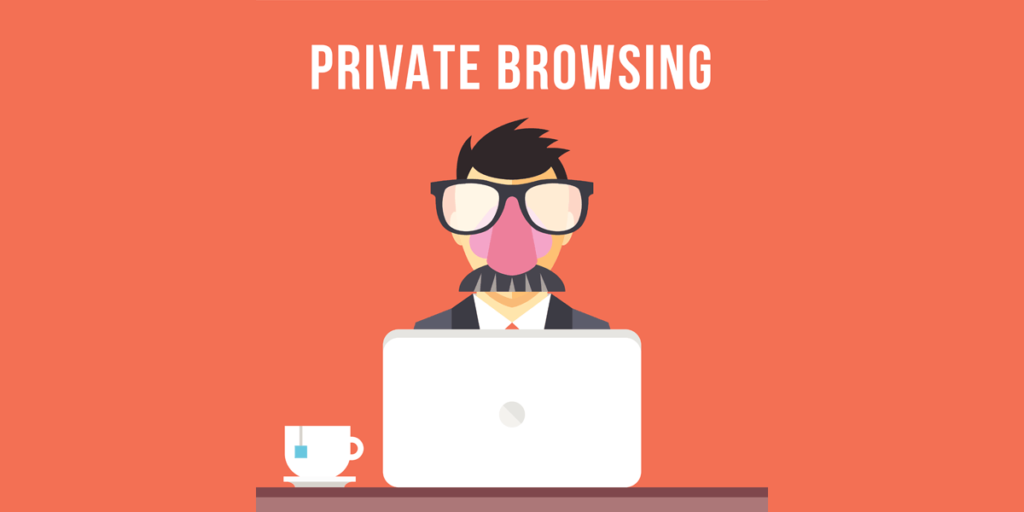
When it comes to online security and privacy, one of the most crucial aspects is the management of IP addresses. An IP address is a unique numerical identifier assigned to every device connected to the internet, serving as a form of digital address that reveals a user's location and device information. However, there are instances where users may opt to conceal their actual IP address, a practice known as anonymous or masked IP addressing.
What is an Anonymous IP Address?
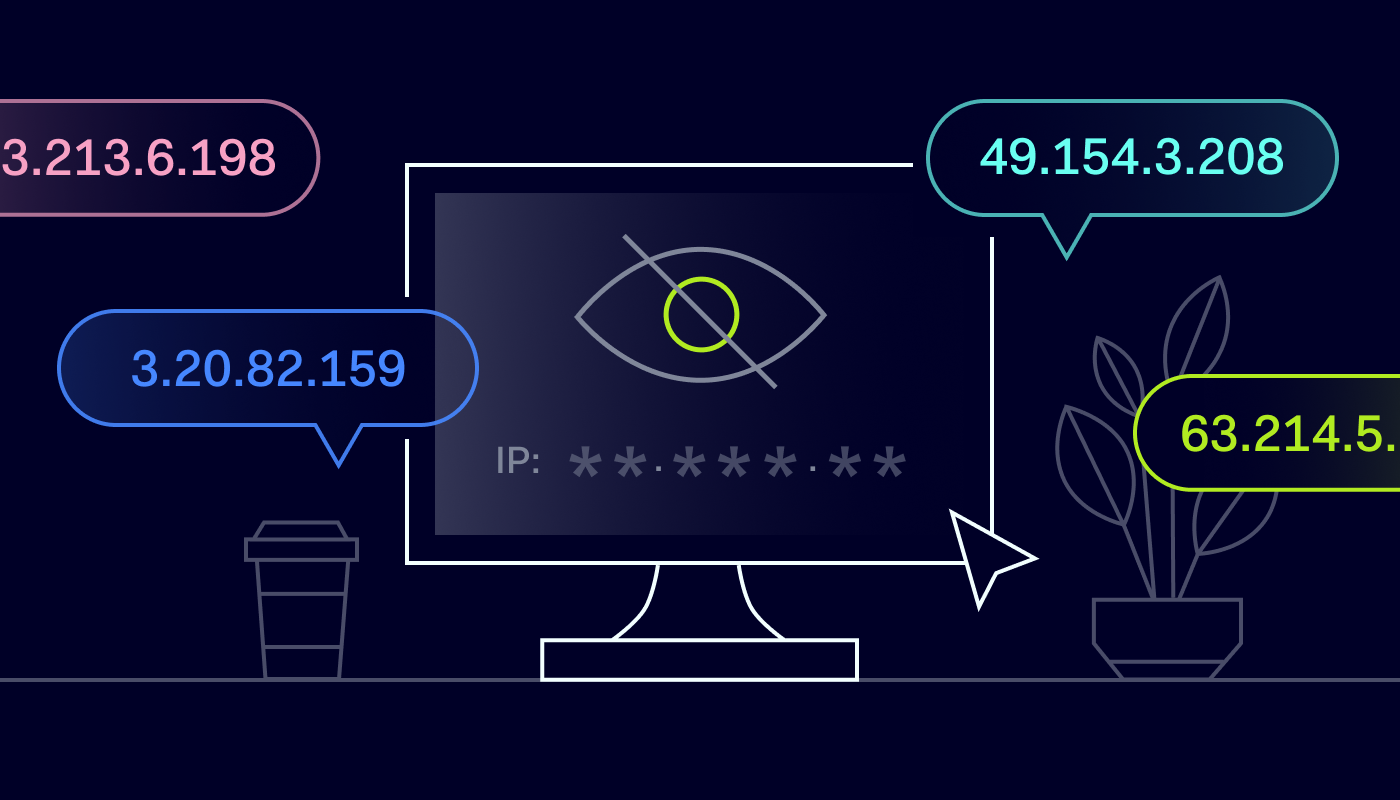
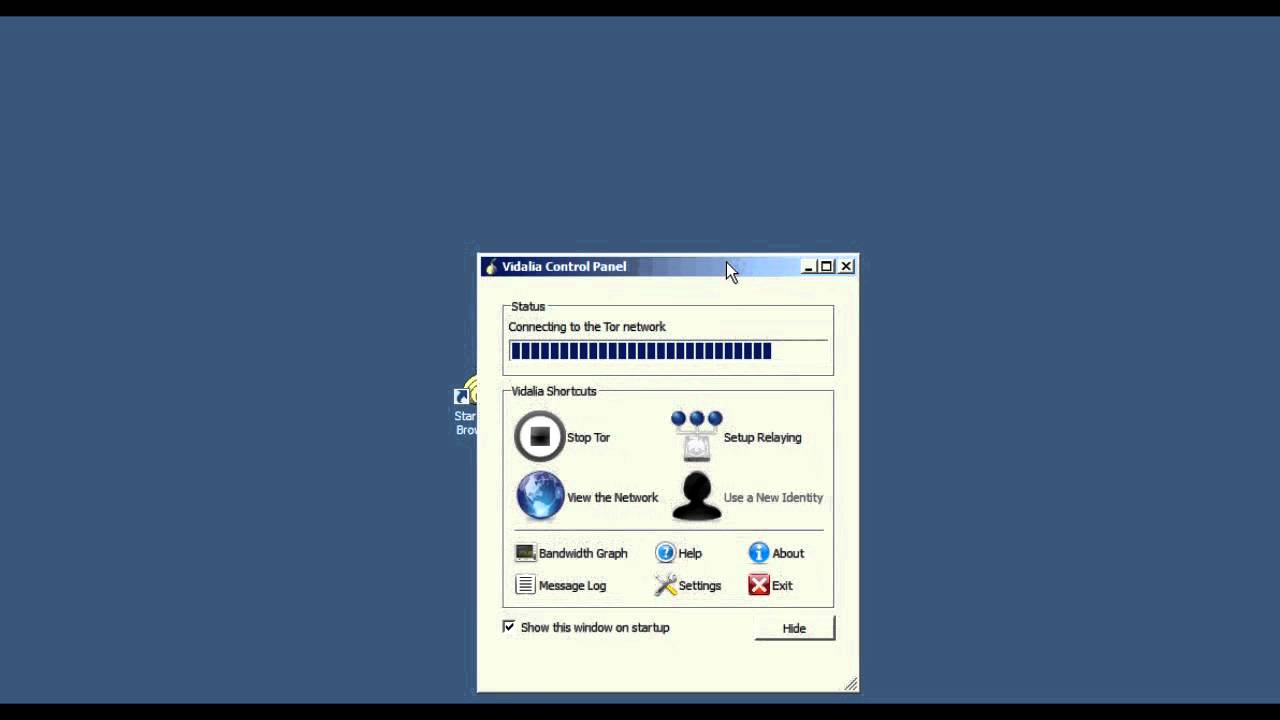
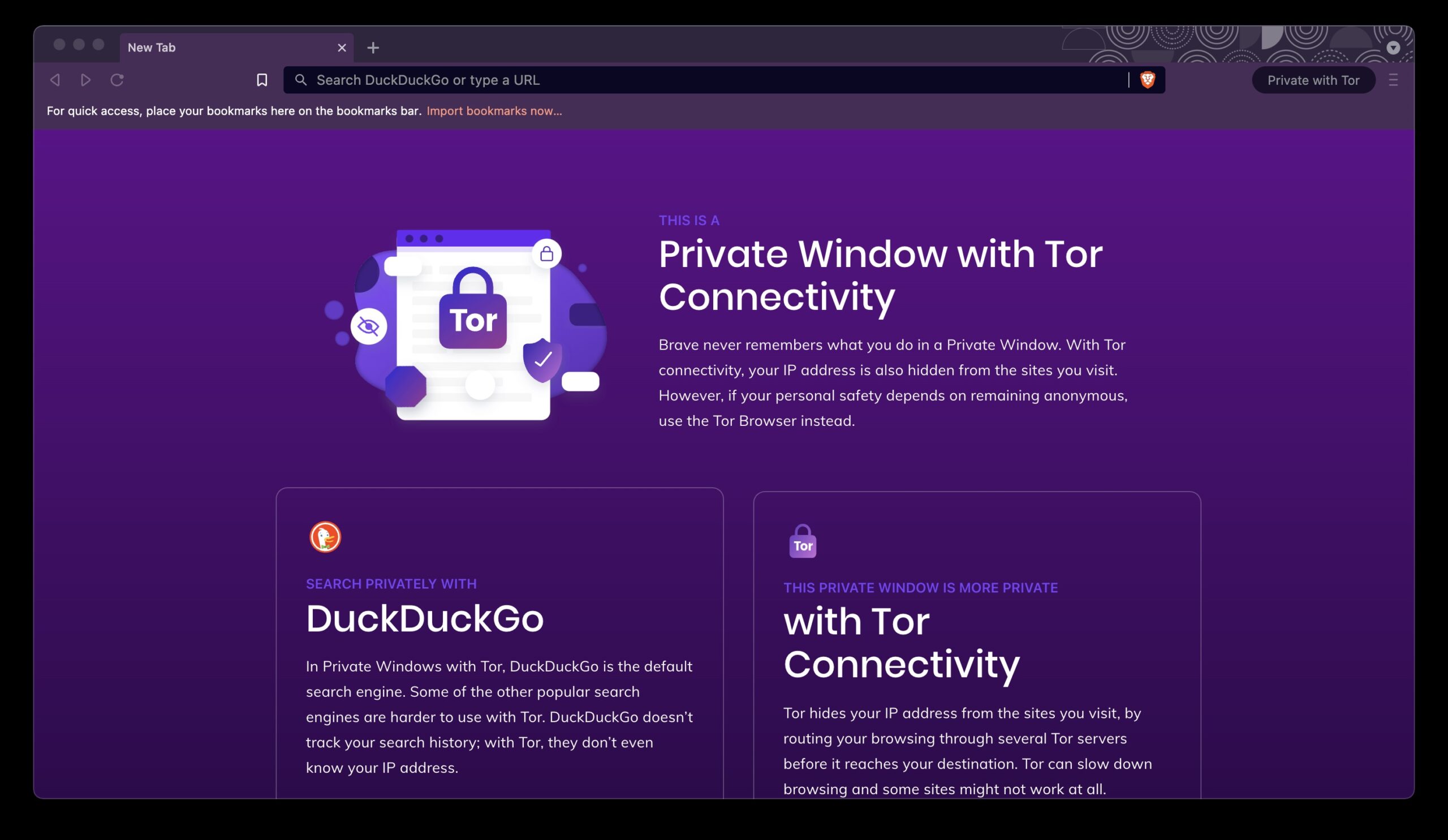
An anonymous IP address is an Internet Protocol address that hides the user's actual IP address and conceals their geolocation, often behind a Virtual Private Network (VPN), proxy server, or the Tor network. This masking of the user's IP address makes it challenging for websites, online services, or malicious actors to trace the user's online activities back to their specific location.
Why Use an Anonymous IP Address?
There are several valid reasons why users might opt to use an anonymous IP address:
- Privacy and Security**: By hiding their IP address, users can protect their personal data from cyber threats, online tracking, and remote access to their devices.
- Location Independence**: Anonymous IP addresses allow users to bypass geographical restrictions on content, which can be beneficial for accessing information not available in their region.
- Enhanced Browsing Experience**: Masking IP addresses can also prevent targeted advertising and improve the overall browsing experience by avoiding invasive tracking practices.
Risks Associated with Anonymous IP Addresses
Despite the benefits of using anonymous IP addresses, there are also risks involved:
- Difficulty in Tracking Online Activity**: Anonymous IP addresses can hinder the ability of security professionals to trace and investigate online activity, which can make it harder to combat cybercrime.
- Malicious Intent**: Anonymous IP addresses are often exploited by malicious actors for nefarious purposes, such as distributing malicious content or committing cyber attacks.
- Regulatory Compliance**: Businesses and organizations may be required to adhere to specific regulations that ensure compliance with anti-money laundering and anti-terrorism laws, making it essential to properly identify and categorize IP addresses.
Tools and Services for Managing IP Addresses
There are various tools and services available to help manage IP addresses and maintain anonymity online:
- Virtual Private Networks (VPNs)**: VPNs encrypt internet traffic, making it secure and difficult to identify the user's IP address.
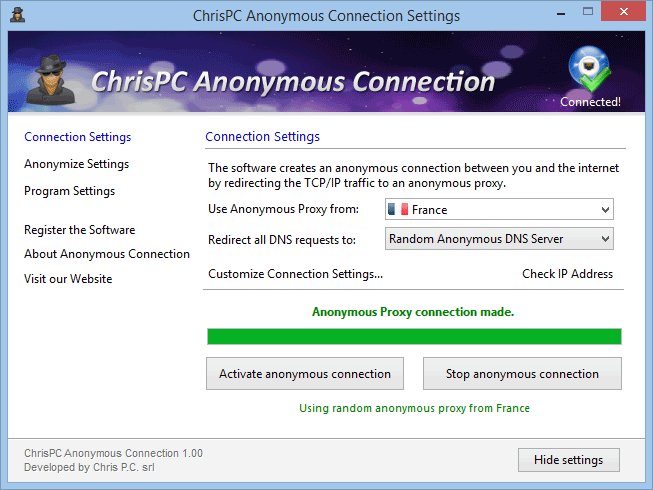
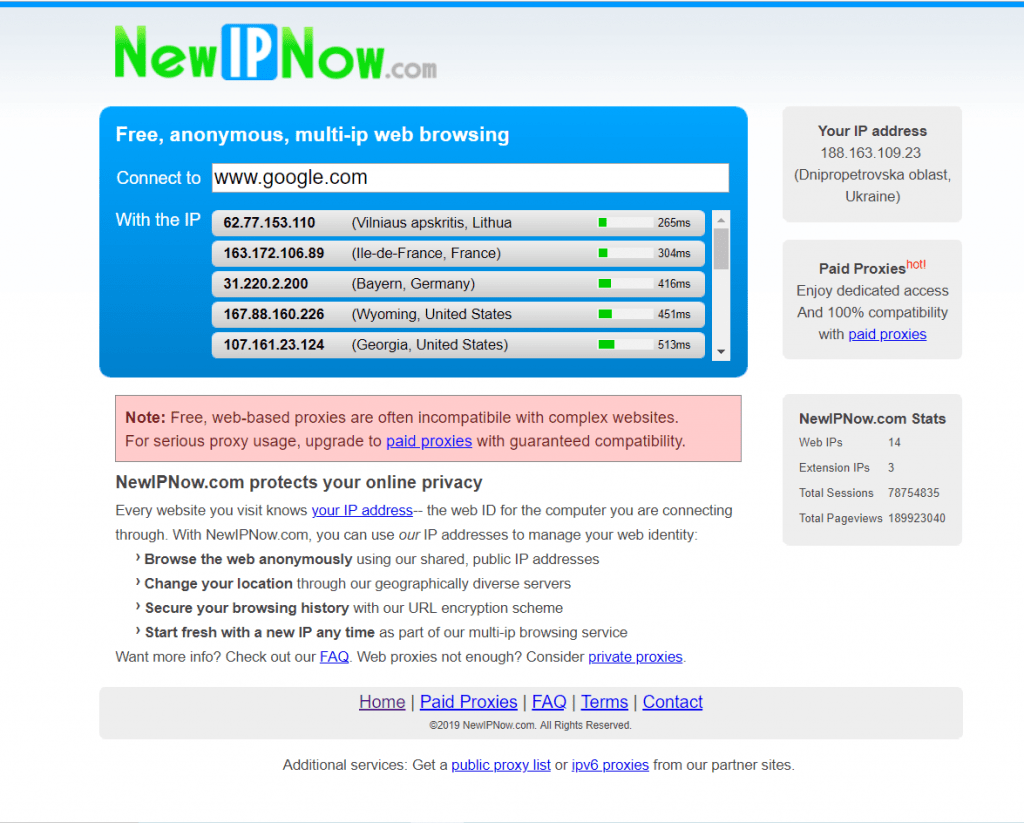
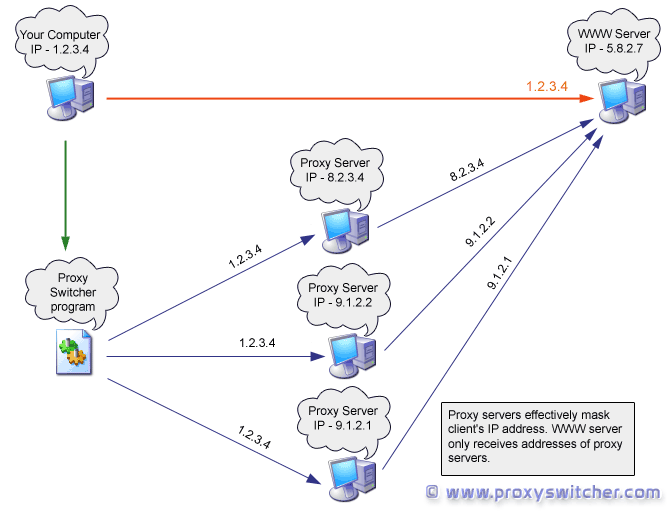
- Proxy Servers**: Proxy servers can hide a user's IP address by routing their online activity through a third-party server.
- IP Address Validation Tools**: These tools can help identify and categorize IP addresses, ensuring that they meet specific security and compliance standards.
Conclusion
In conclusion, anonymous IP addresses serve as a powerful tool for maintaining online security and privacy. While there are valid reasons for using anonymous IP addresses, such as protecting personal data and accessing location-independent content, there are also risks involved, including the potential for malicious use and difficulties in tracking online activity. By understanding the concept of anonymous IP addresses and the tools and services available to manage them, individuals and organizations can make informed decisions about their online presence and ensure compliance with regulatory requirements.