Effective Virtual Communication in the Modern Workplace: Tools, Tips, and Best Practices
In today's fast-paced, interconnected world, virtual communication has become an essential aspect of professional life. With the rise of remote work, team members and leaders must navigate this new reality to ensure seamless communication, collaboration, and productivity.
What is Virtual Communication?
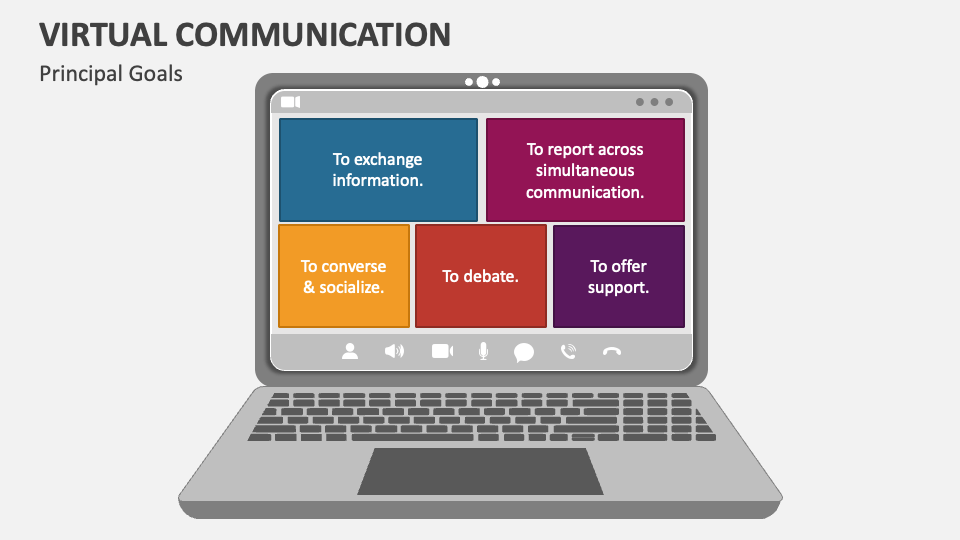
Virtual communication refers to interactions that occur in real-time or asynchronously through digital platforms, such as video conferencing, messaging apps, or virtual collaboration tools. This method of communication allows individuals to connect and collaborate across geographical boundaries, increasing flexibility and reducing costs.
Benefits of Virtual Communication
- Increased productivity: Virtual communication enables employees to work remotely, reducing the need for lengthy commutes and allowing them to manage their work schedules more effectively.
- Reduced business costs: By avoiding the need for physical office space and minimizing the costs associated with travel and meetings, businesses can save a significant amount of money.
- Better work-life balance: Virtual communication allows employees to maintain a healthier work-life balance, as they can more easily manage their personal and professional responsibilities.
Challenges of Virtual Communication
While virtual communication presents numerous benefits, it also poses unique challenges. Some of the key obstacles include:
- Lack of nonverbal cues: Virtual communication can lead to misunderstandings and misinterpretations if nonverbal cues, such as body language and tone of voice, are not explicitly communicated.
- Technical issues: Virtual communication relies heavily on technology, which can be prone to errors, connectivity issues, and other technical problems.
- Distractions: Virtual communication can be interrupted by competing demands on employees' time and attention, such as family or personal responsibilities.

Best Practices for Virtual Communication
To overcome the challenges of virtual communication and maximize its benefits, consider the following best practices:
- Use visual aids: Incorporate visual elements, such as photos, videos, or diagrams, to enhance the clarity and engagement of virtual meetings.
- Set clear expectations: Establish clear goals, objectives, and expectations for virtual communication to avoid misunderstandings and ensure everyone is on the same page.
- Use technology strategically: Leverage technology to facilitate virtual communication, but avoid overreliance on digital platforms, which can lead to isolation and disconnection.
- Encourage feedback: Foster an open and transparent communication culture by soliciting feedback and encouraging team members to speak up.
- Prioritize emotional intelligence: Recognize that virtual communication can amplify emotions and stress; therefore, prioritize emotional intelligence, empathy, and self-awareness in virtual interactions.
Virtual Communication Tools: A Review
With numerous virtual communication tools available, it's essential to select the most effective and user-friendly platforms for your needs. Some popular virtual communication tools include:
- Video conferencing software: Tools like Zoom, Google Meet, and Skype enable real-time video communication and facilitate face-to-face interactions.
- Messaging apps: Messaging platforms, such as Slack, Microsoft Teams, and Asana, provide a centralized hub for team communication and collaboration.
- Virtual collaboration software: Tools like Trello, Basecamp, and Notion facilitate project management, task assignment, and collaboration.
Conclusion
Virtual communication has revolutionized the way we interact and collaborate in the modern workplace. By understanding the benefits and challenges of virtual communication and implementing best practices, businesses can optimize their communication strategies, enhance productivity, and drive success in today's fast-paced, technology-driven world.