Understanding the Risks of Taking Melatonin on Drinking Nights
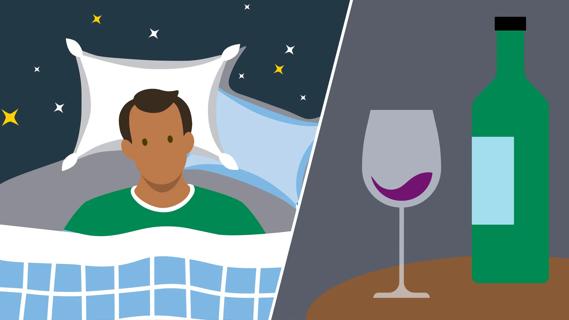
With the increasing popularity of melatonin supplements, many people are turning to them as a natural way to regulate their sleep patterns. However, if you're someone who enjoys a night out with friends or family, you may be wondering if it's safe to take melatonin after a evening of drinking alcohol.
The Science Behind Melatonin and Alcohol
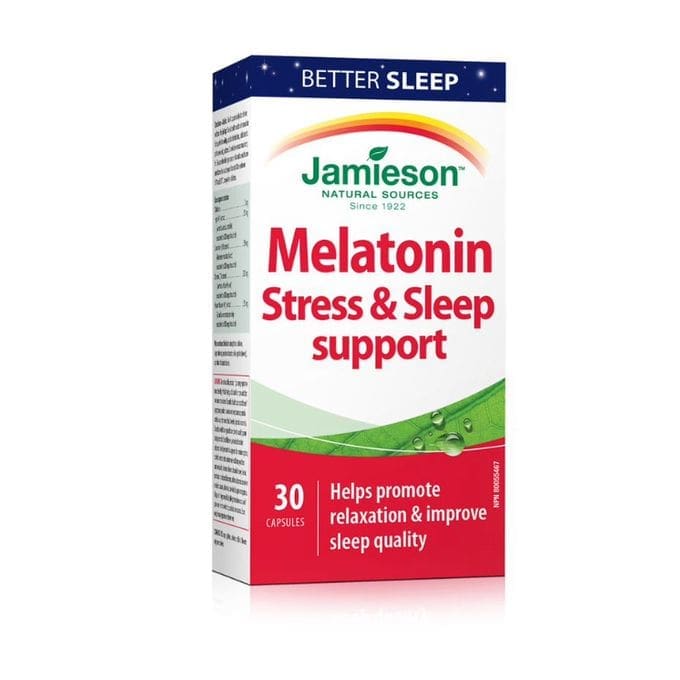
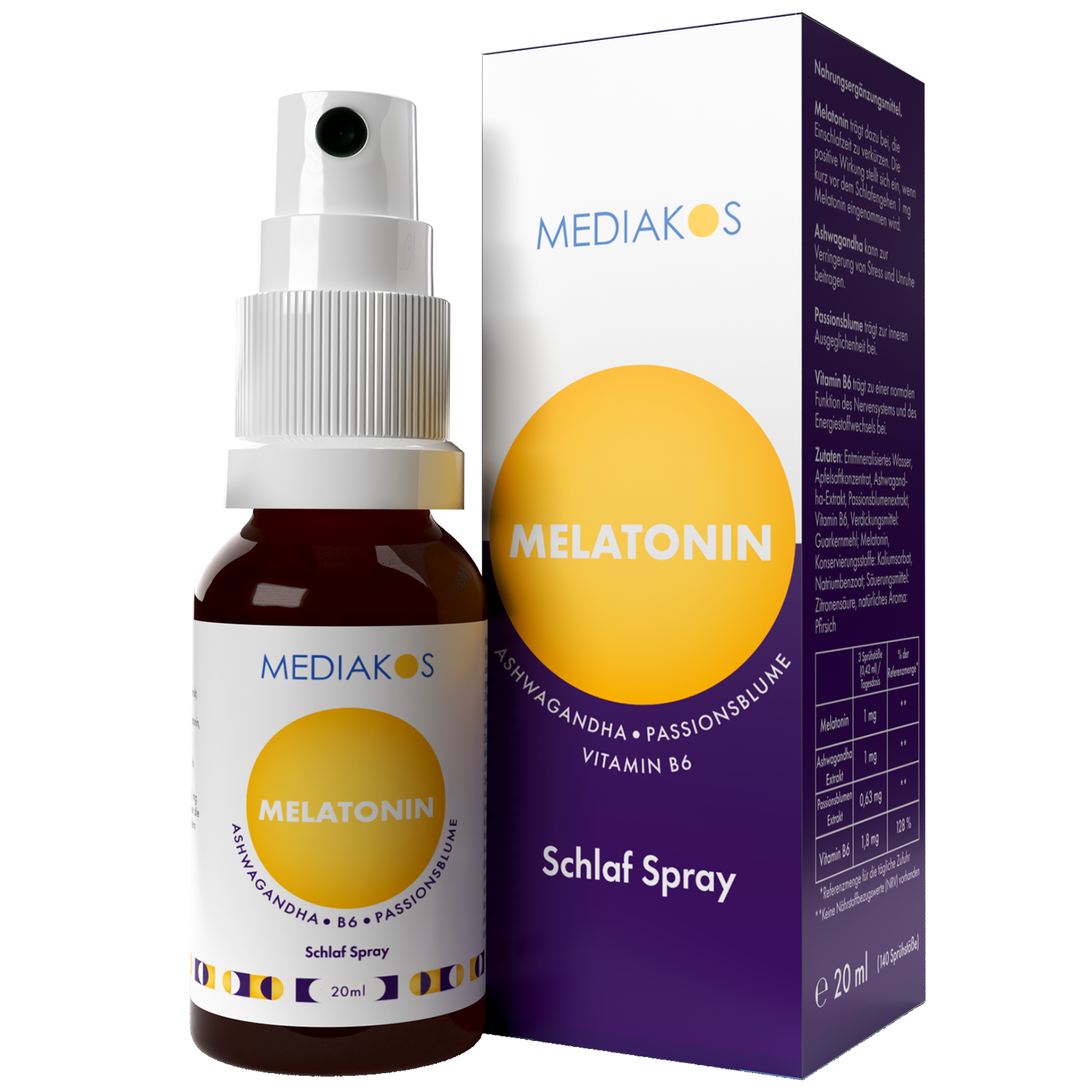
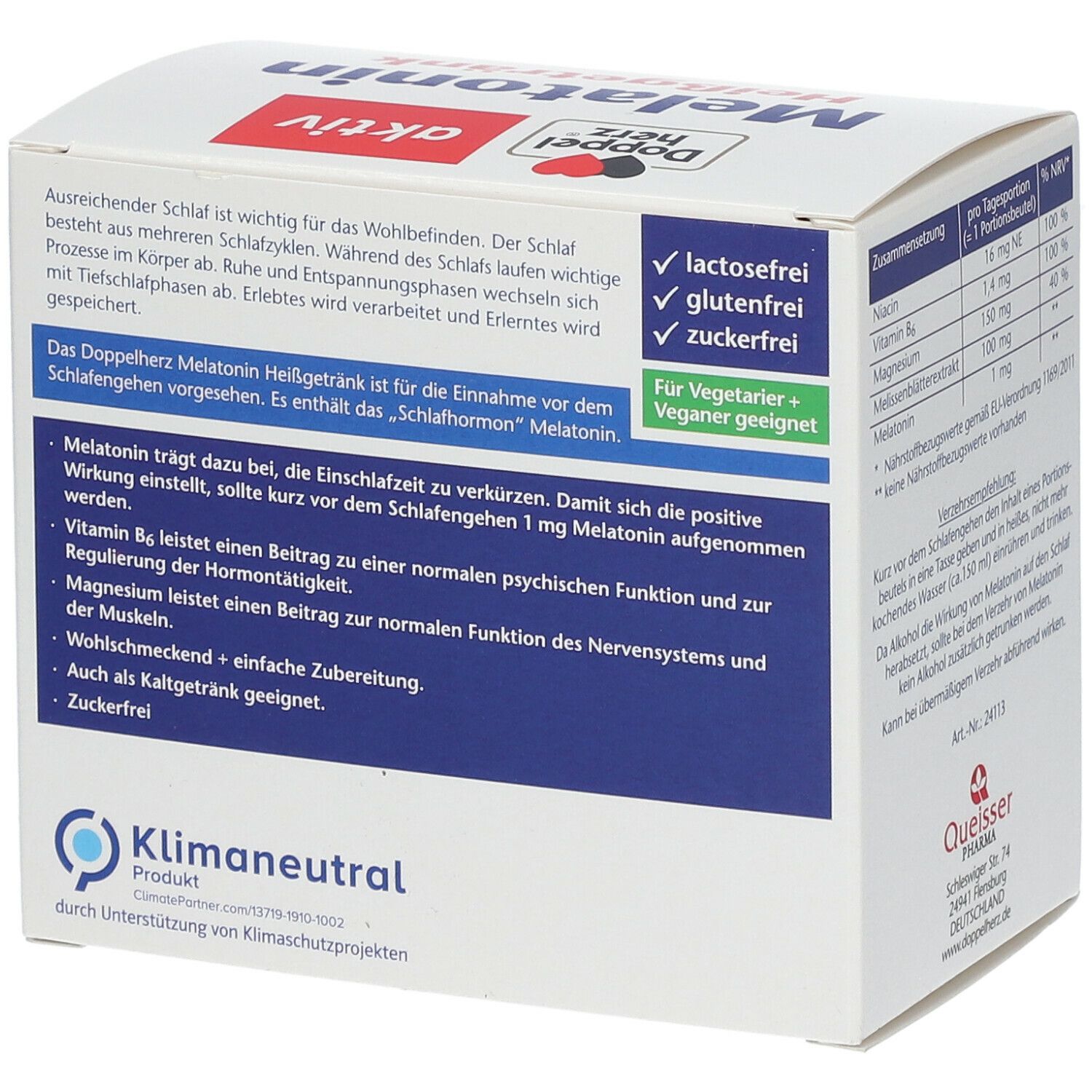
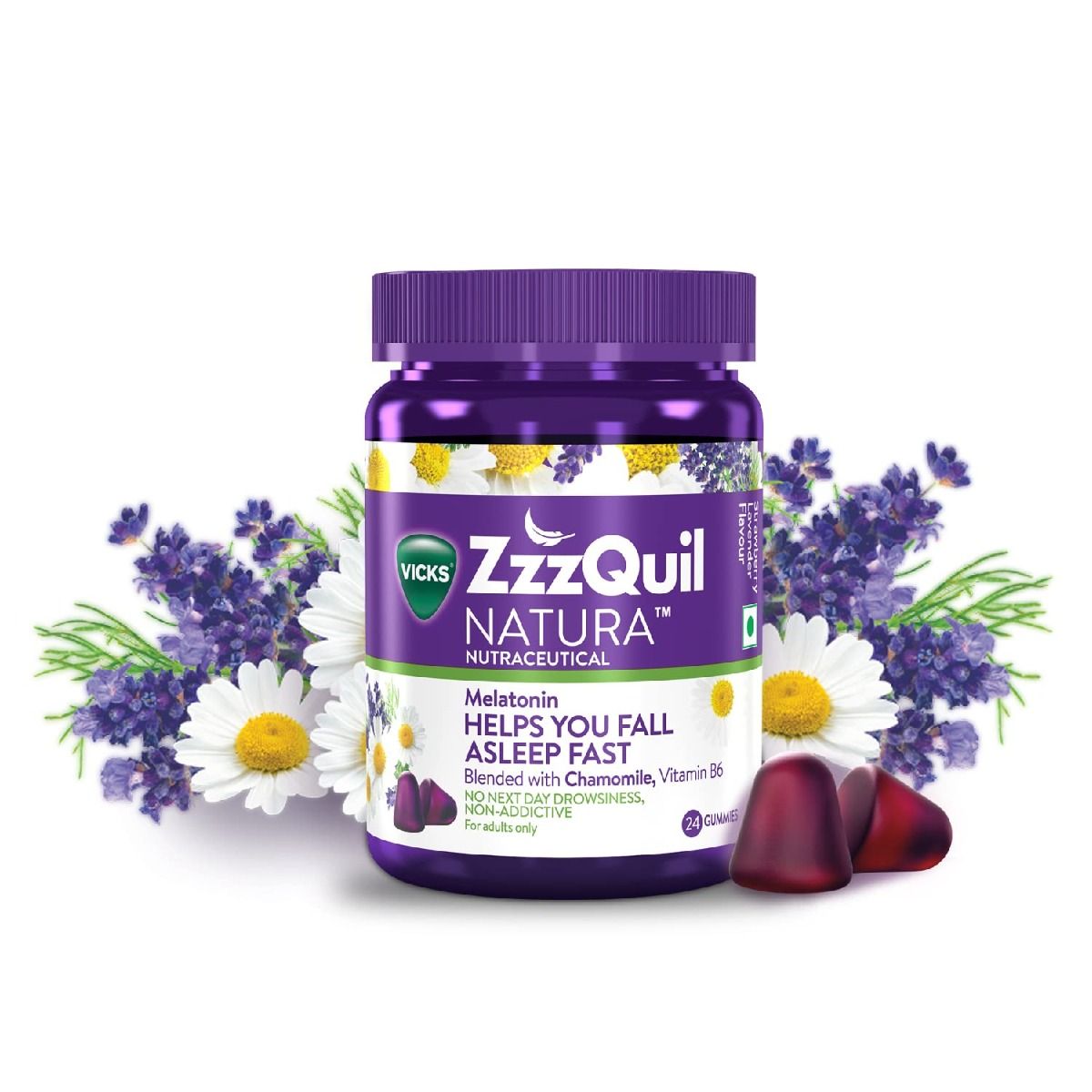
Melatonin is a hormone that plays a crucial role in regulating our sleep-wake cycles. It's produced by the brain and released into the bloodstream, typically when it's dark outside. Melatonin supplements are available over the counter and can be taken to help individuals fall asleep faster and improve the quality of their sleep.
On the other hand, alcohol is a depressant that can have a significant impact on our body's ability to produce melatonin. When we consume alcohol, it can suppress the production of melatonin in the brain, leading to lighter, less restorative sleep.
The Risks of Taking Melatonin on Drinking Nights
Now, when it comes to taking melatonin on drinking nights, there are several risks to be aware of. While melatonin and alcohol do not directly interact in a harmful way, consuming alcohol can reduce the body's own melatonin production.
When you take melatonin, it tells your body that it's time to sleep. However, if you're drinking alcohol, your body is not going to be able to produce the same amount of melatonin as it would if you were not consuming alcohol. This can lead to a few negative side effects, including:
- Extreme drowsiness
- Anxiety
- Injury
- Reduced effectiveness of melatonin

What to Do If You Accidentally Take Melatonin After Drinking
If you accidentally take melatonin after drinking, don't panic. However, you should be aware of the potential side effects that may occur. If you start to feel drowsy, anxious, or experience any other adverse effects, it's best to wait until you've been alcohol-free for 24 hours before taking melatonin again.
Alternatives to Taking Melatonin on Drinking Nights
If you're concerned about the risks of taking melatonin on drinking nights, there are several alternatives you can explore. For example, you could try practicing relaxation techniques, such as meditation or deep breathing, to help you wind down before bed.
Alternatively, you could try taking a magnesium supplement, which can help to regulate your sleep patterns and promote relaxation. Other options include getting regular exercise, limiting caffeine and nicotine intake, and creating a bedtime routine that signals to your body that it's time to sleep.
Conclusion
While melatonin can be an effective sleep aid, it's not worth the risks of taking it on drinking nights. By being aware of the potential side effects and exploring alternative options, you can find a safer and more effective way to regulate your sleep patterns.
Remember, it's always better to err on the side of caution when it comes to our health and well-being. If you're unsure about taking melatonin or any other supplement, it's always best to consult with a healthcare professional for personalized advice.