Spicy Food and Birth Defects Risk: Demystifying the Facts
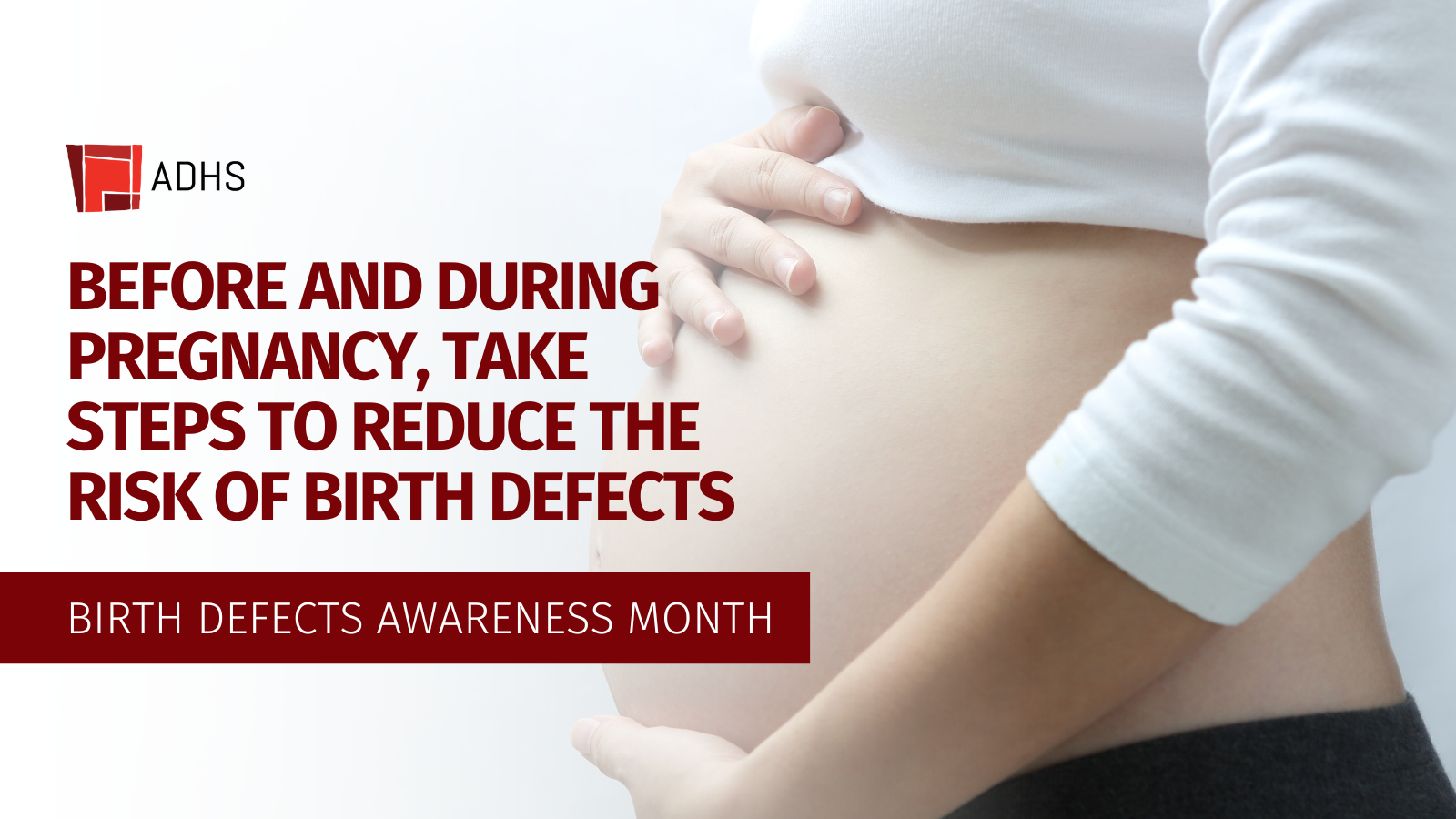
When it comes to pregnancy, expectant mothers often face numerous concerns about the foods they consume and their potential impact on the developing fetus. One popular topic of debate is the risk of consuming spicy food and its connection to birth defects. In this article, we will delve into the facts and uncover the myths surrounding spicy food and birth defects risk.
Can Spicy Food Cause Birth Defects?
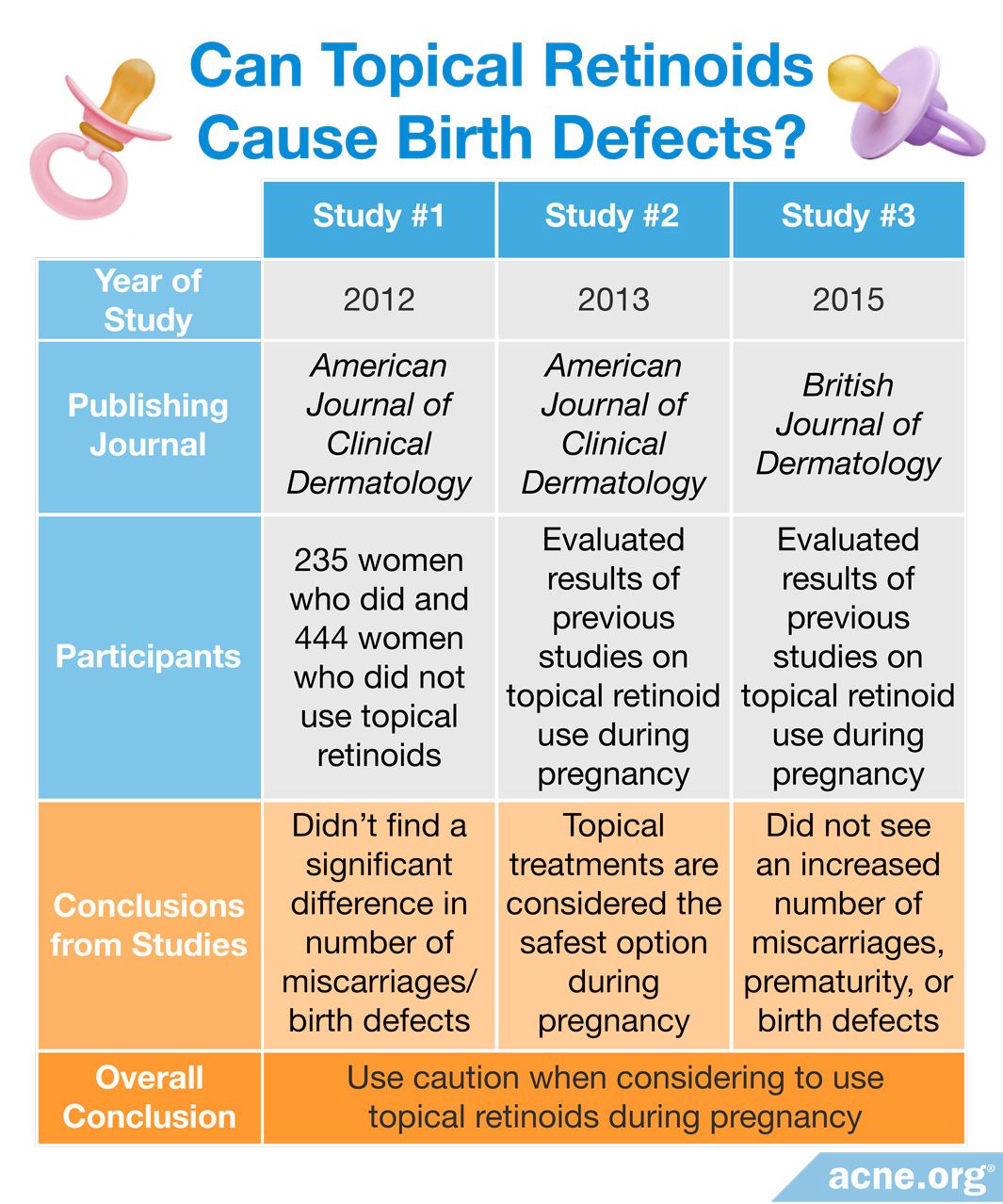
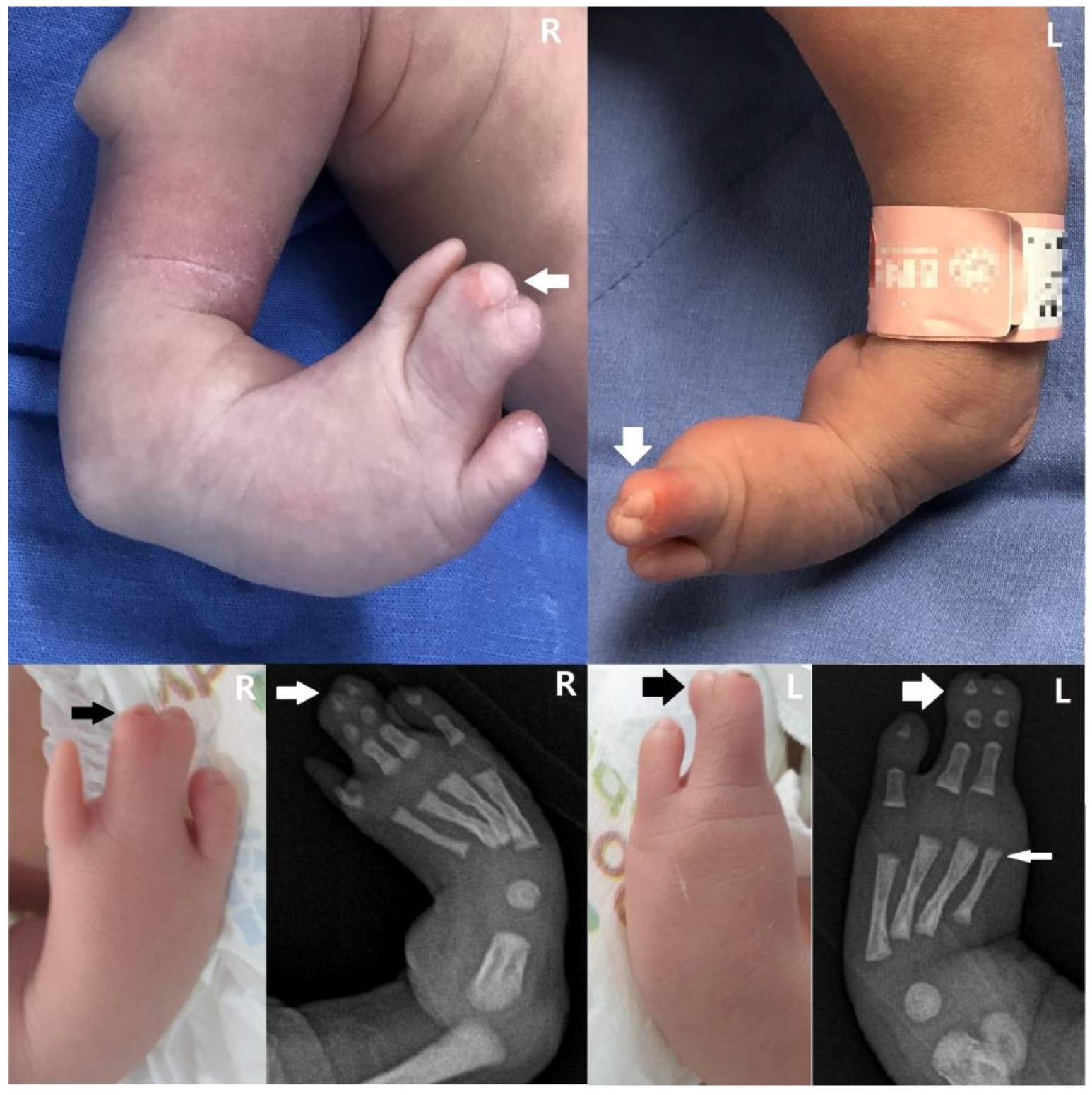
Consuming spicy food during pregnancy is a common concern, but does it really increase the risk of birth defects? The answer is a resounding no. According to various medical sources, there is no conclusive evidence to suggest that eating spicy food causes birth defects. Birth defects are typically caused by genetic factors, exposure to harmful substances, or certain infections during pregnancy, not the spiciness of food.
What Causes Birth Defects?
- Genetic factors: Birth defects can be caused by genetic mutations or chromosomal abnormalities passed down from parents to their offspring.
- Exposure to harmful substances: Exposure to toxins, chemicals, or medications during pregnancy can increase the risk of birth defects.
- Certain infections: Certain infections, such as rubella or Zika virus, can increase the risk of birth defects if contracted during pregnancy.
Spicy Food and Pregnancy: The Facts
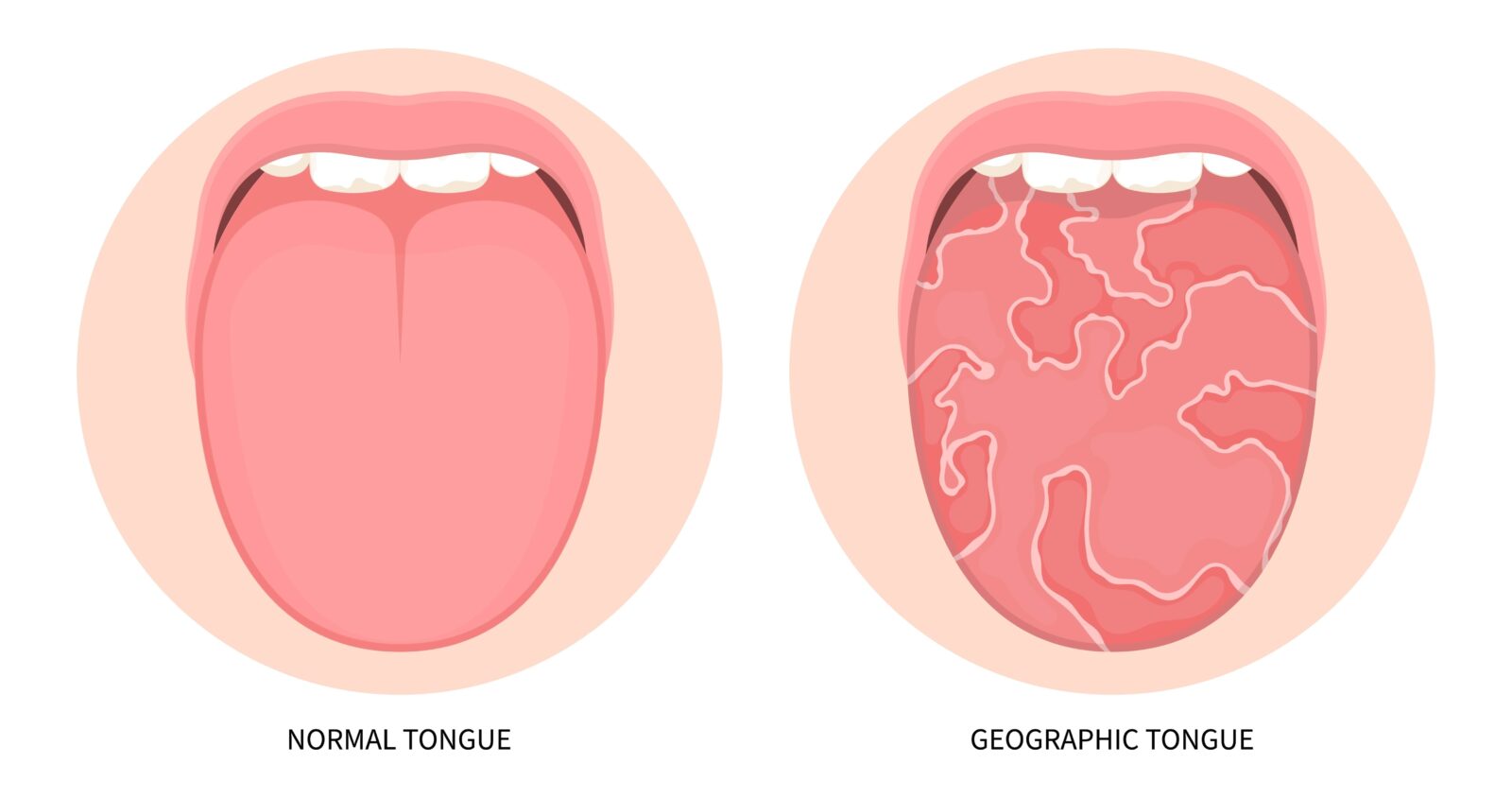
While spicy food consumption during pregnancy does not cause birth defects, it can cause some discomfort, such as heartburn or indigestion, due to the increased stomach acids stimulation. If you experience discomfort after eating spicy food during pregnancy, try drinking plenty of water to help dilute stomach acids and ease heartburn symptoms.
The Benefits of Spicy Food During Pregnancy
While the risk of birth defects associated with spicy food consumption is low, there are potential benefits to enjoying these foods during pregnancy. Some studies suggest that moderate consumption of spicy food may have beneficial effects on digestion and metabolism. Additionally, the antioxidants and anti-inflammatory compounds found in certain spices, such as turmeric and ginger, may have beneficial effects on maternal and fetal health.
What to Eat and Avoid During Pregnancy
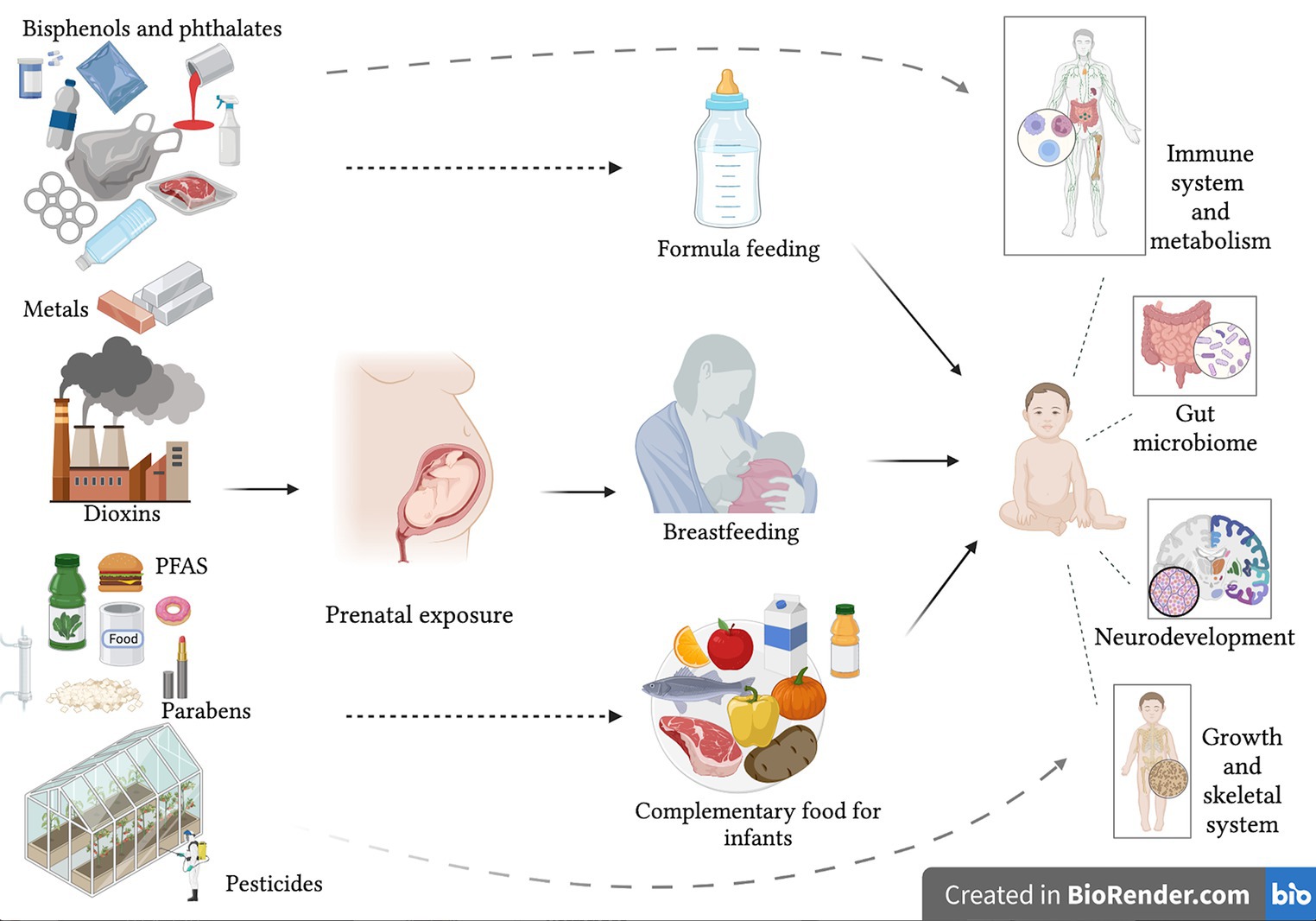
A well-balanced diet rich in essential nutrients, vitamins, and minerals is crucial during pregnancy. To minimize potential birth defects, it is essential to:
- Avoid consuming high-risk foods, such as raw or undercooked meat, seafood, and unpasteurized dairy products.
- Eat foods rich in omega-3 fatty acids, such as salmon and walnuts, which promote fetal brain and eye development.
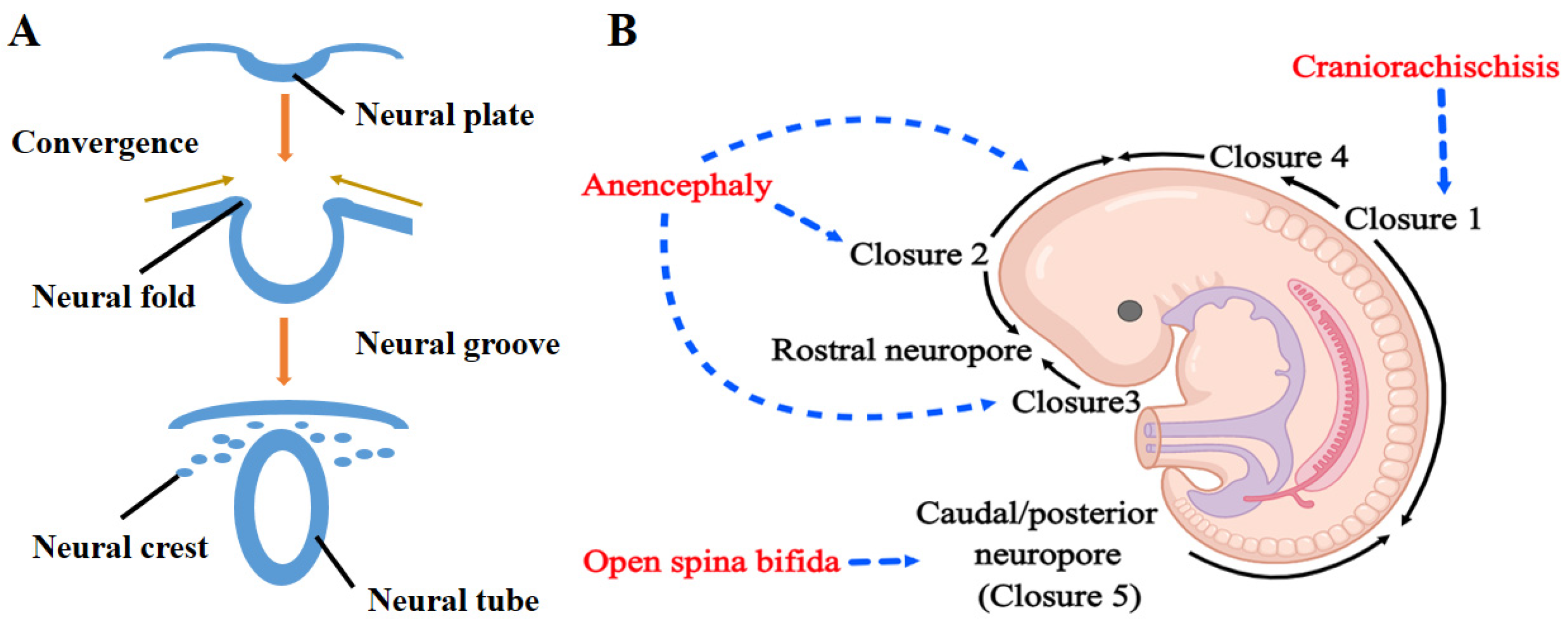
- Take a daily prenatal vitamin with 400 mcg of folic acid to reduce the risk of neural tube defects.
Conclusion
In conclusion, consuming spicy food during pregnancy is unlikely to increase the risk of birth defects. While some discomfort may occur due to heartburn or indigestion, the benefits of spicy food consumption, such as improved digestion and metabolism, may outweigh the potential risks. Always prioritize a well-balanced diet, and consult your healthcare provider if you have any concerns about your diet or potential birth defects.
References
The information provided in this article is based on various reputable sources, including:
- Centers for Disease Control and Prevention (CDC)
- Stanford University School of Medicine
- American College of Obstetricians and Gynecologists (ACOG)
It is essential to consult with your healthcare provider for personalized advice on nutrition and pregnancy.