Small Business LLC Formation: A Comprehensive Guide
Starting a business can be a daunting task, but one crucial step in the process is choosing the right business structure. For entrepreneurs and small business owners, a Limited Liability Company (LLC) is often a popular choice due to its flexibility, tax advantages, and personal liability protection. However, navigating the LLC formation process can be complex, especially with different state regulations to consider. In this article, we will break down the key elements of small business LLC formation and provide a comprehensive guide to help you through the process.
Understanding the Benefits of a Limited Liability Company (LLC)
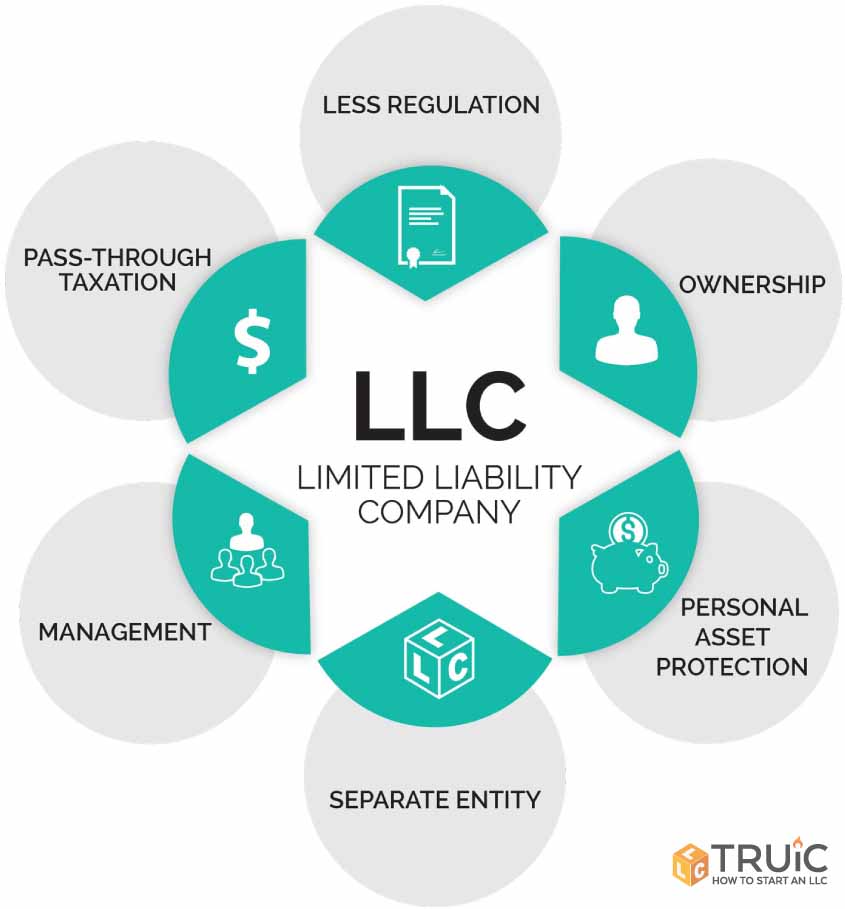
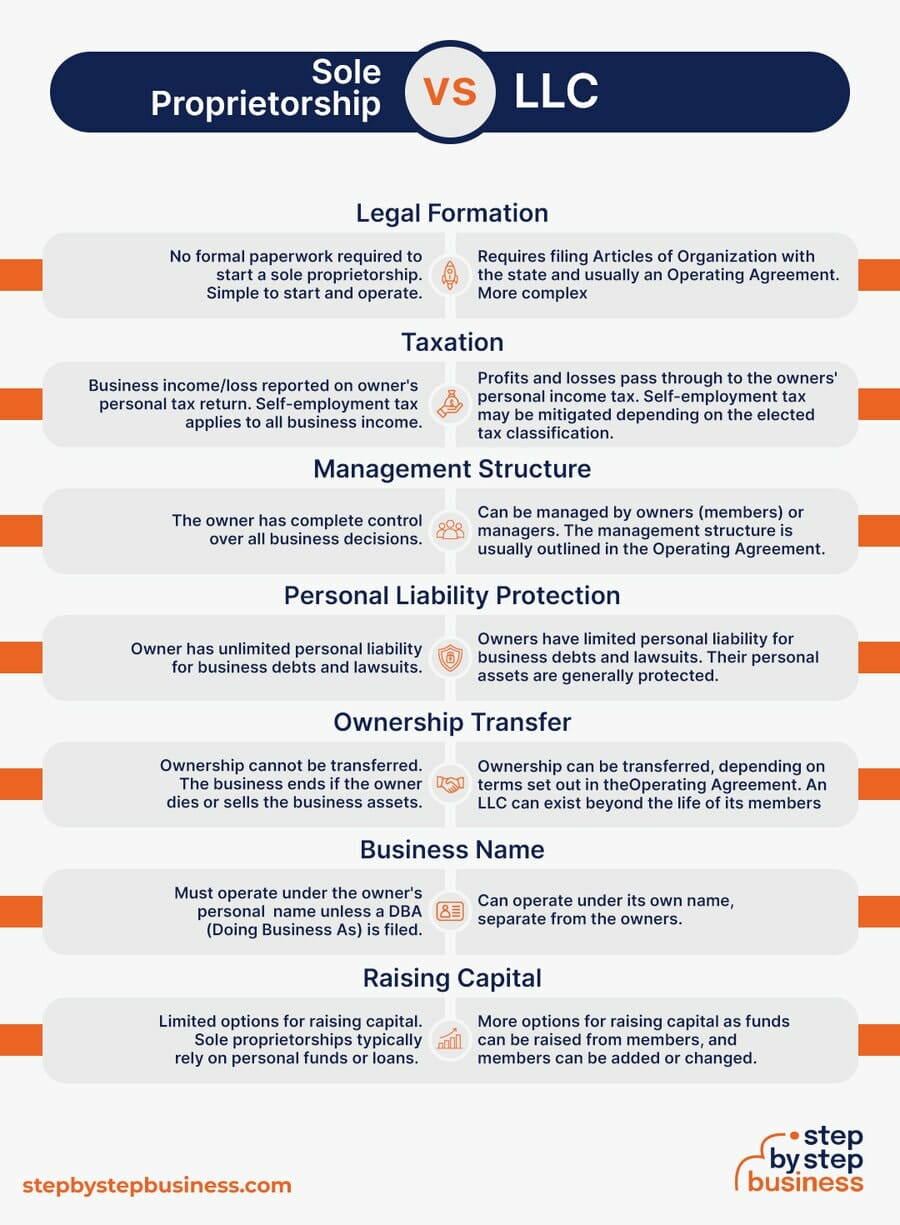
A Limited Liability Company, or LLC, is a hybrid business structure that combines the liability protection of a corporation with the flexibility of a sole proprietorship. By forming an LLC, business owners can enjoy the benefits of personal liability protection, pass-through taxation, and management flexibility. This makes it an ideal choice for many small business owners and entrepreneurs.
Key Steps in Small Business LLC Formation
When it comes to small business LLC formation, there are several key steps to follow:
- Naming Your LLC: Choose a unique and available business name that complies with state regulations. Ensure that your business name is not already in use by searching the database of the Secretary of State.
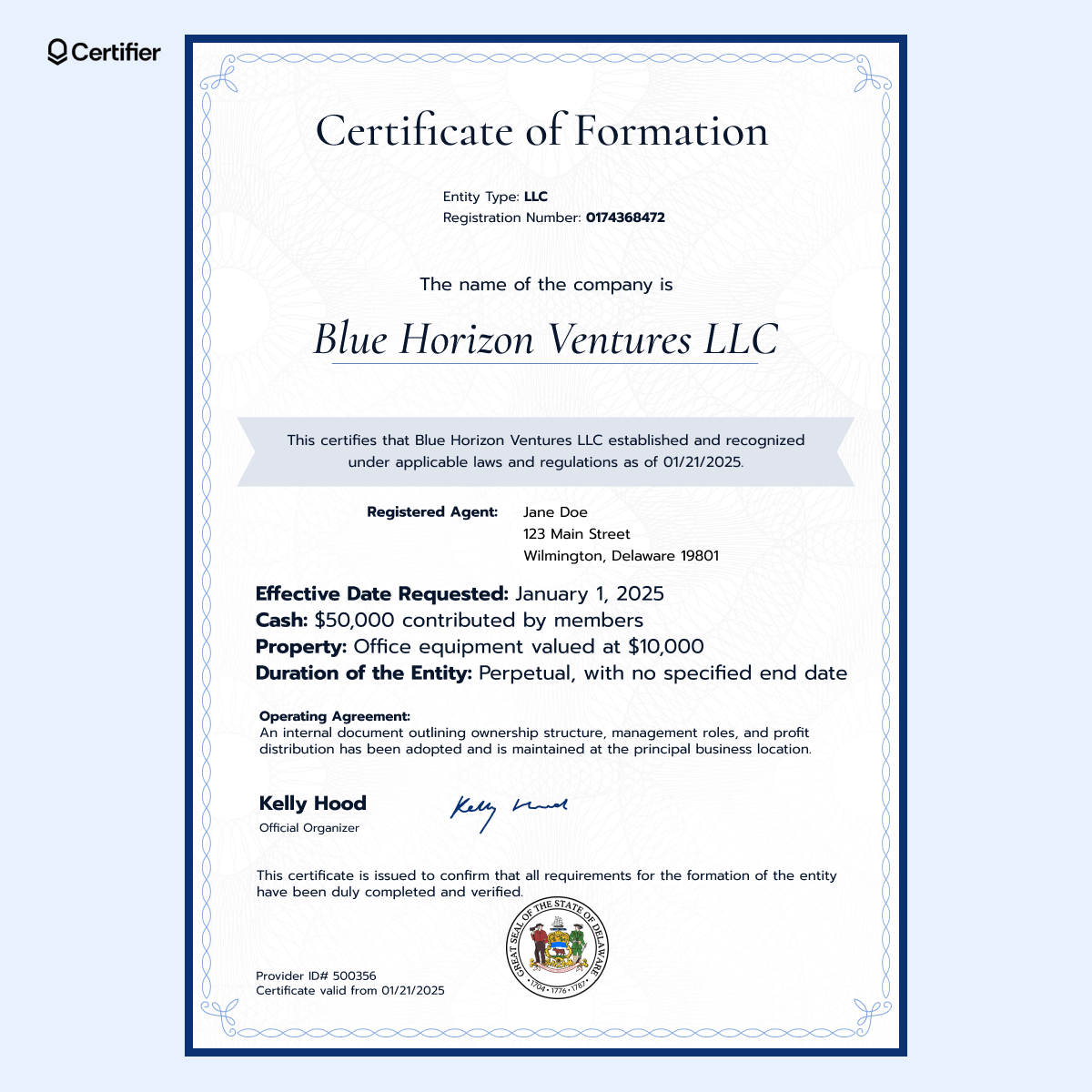
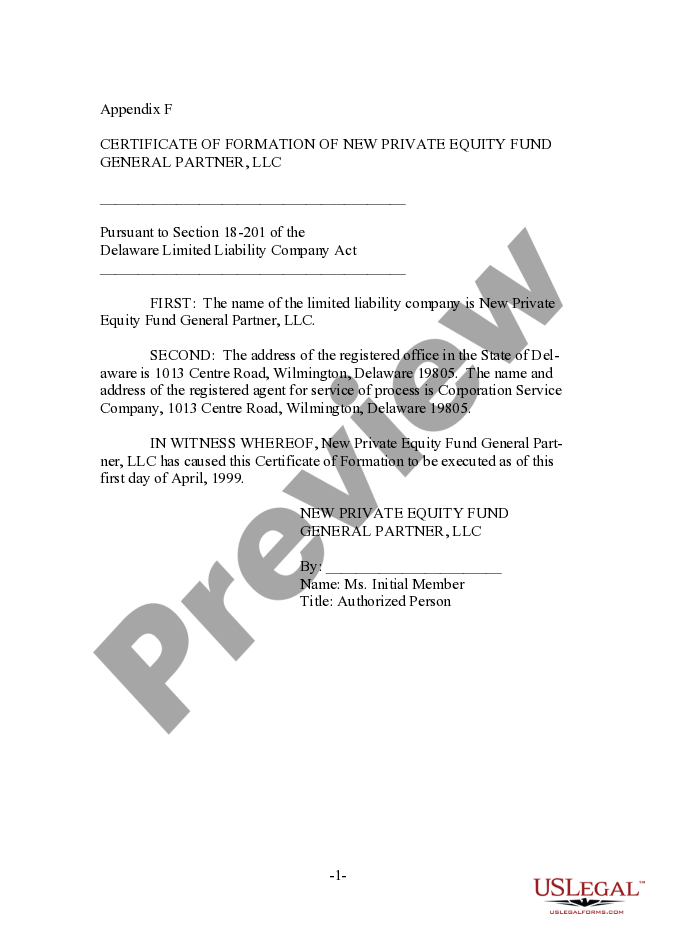
- Filing Your LLC: File the Articles of Organization with the Secretary of State in the state where you plan to operate your business. The Articles of Organization will require your business name, purpose, and registered agent information.
- Obtaining an EIN: Apply for an Employer Identification Number (EIN) from the Internal Revenue Service (IRS) to use for tax purposes.
- Creating an Operating Agreement: Draft and sign an operating agreement outlining the ownership, management, and operational details of your LLC.
- Registering for Licenses and Permits: Obtain any necessary licenses and permits to operate your business legally.
State-Specific Requirements
Each state has its unique regulations and requirements for LLC formation. Before forming your LLC, it is essential to check with your state government for specific requirements, such as filing fees, annual report fees, and any necessary licenses and permits.

Benefits of Hiring a Business Formation Service
While forming an LLC can be a DIY-friendly process, hiring a business formation service can provide several benefits, including:
- Convenience: Business formation services can handle the paperwork and filing process on your behalf, saving you time and effort.
- Accuracy: Services can ensure that all necessary documents are filled out accurately and compliant with state regulations.
- Expertise: Business formation services have extensive knowledge of the LLC formation process and can guide you through any complex issues that may arise.
Resources for Small Business LLC Formation
For those who prefer to form their LLC on their own, there are several resources available, including:
- Nolo's Small Business Products
- LegalZoom
- Block Advisors
- Harvard Business Services
- ZenBusiness
Conclusion
Small business LLC formation can seem daunting, but breaking down the key elements and understanding the benefits and requirements can make the process easier. By following the steps outlined in this article and consulting with a business formation service if needed, you can establish a successful and compliant LLC for your small business.



-copy-(1)-768.webp "How to Start an LLC: Complete Guide | Wolters Kluwer")