Setting Up a Small Food Business: A Comprehensive Guide
Starting a small food business can be a thrilling venture, but it requires careful planning, execution, and compliance with regulations. In this guide, we'll walk you through the steps to set up a successful small food business, from conceptualizing your idea to launching your operations.
3 Reasons for Starting a Small Food Business
1. Turn Your Love for Food into a Career: If you're passionate about food, starting a small food business can be a dream come true. You can turn your love for cooking into a career and share your passion with the community.
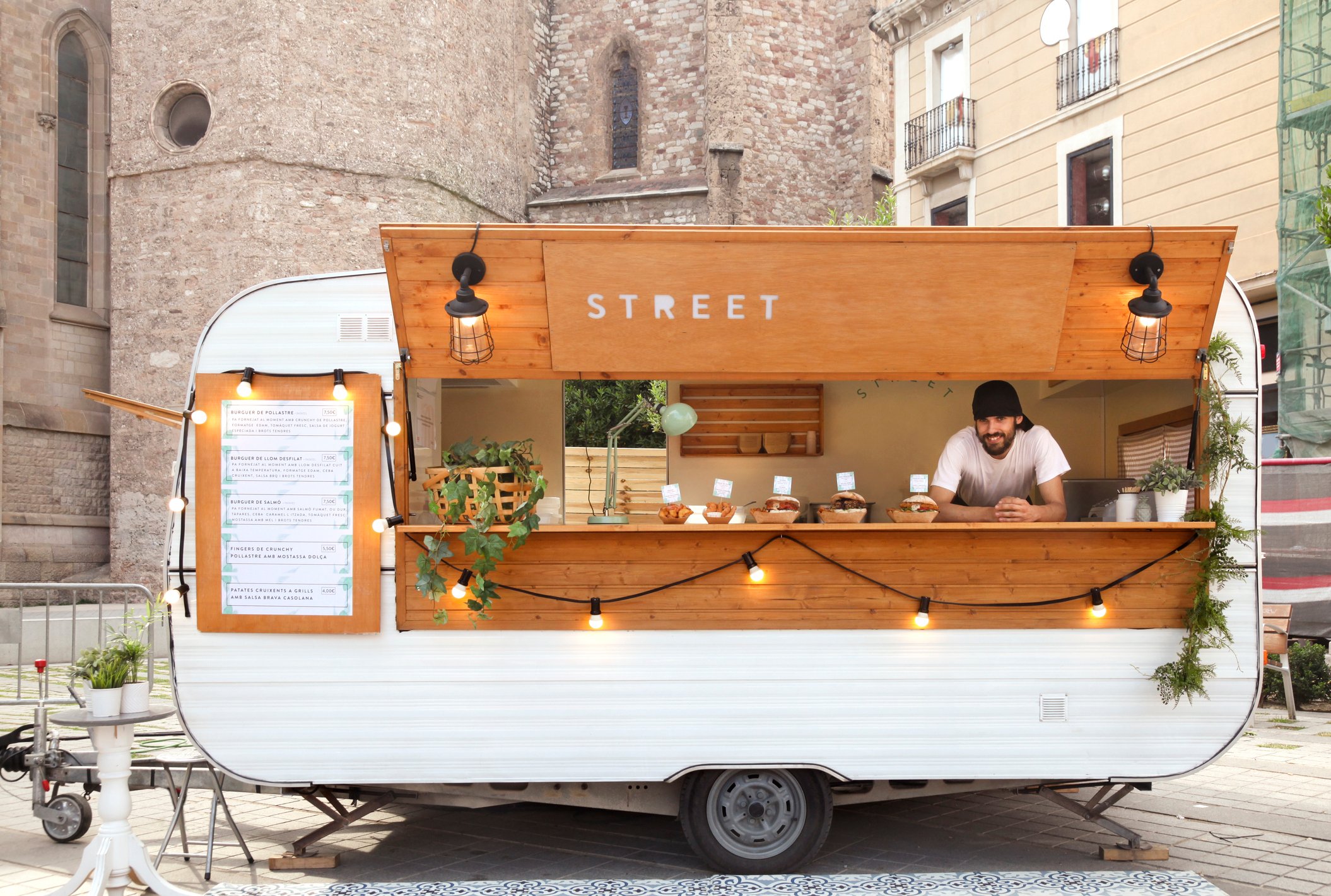
2. Low Start-up Costs: Starting a small food business can be a low-cost venture compared to opening a large restaurant or food establishment. You can start with a small kitchen or a food cart and scale up as your business grows.
3. Flexibility: A small food business offers flexibility in terms of menu, pricing, and operating hours. You can experiment with new recipes, pricing strategies, and operating hours to find what works best for your business.
Setting Up a Small Food Business: Key Steps
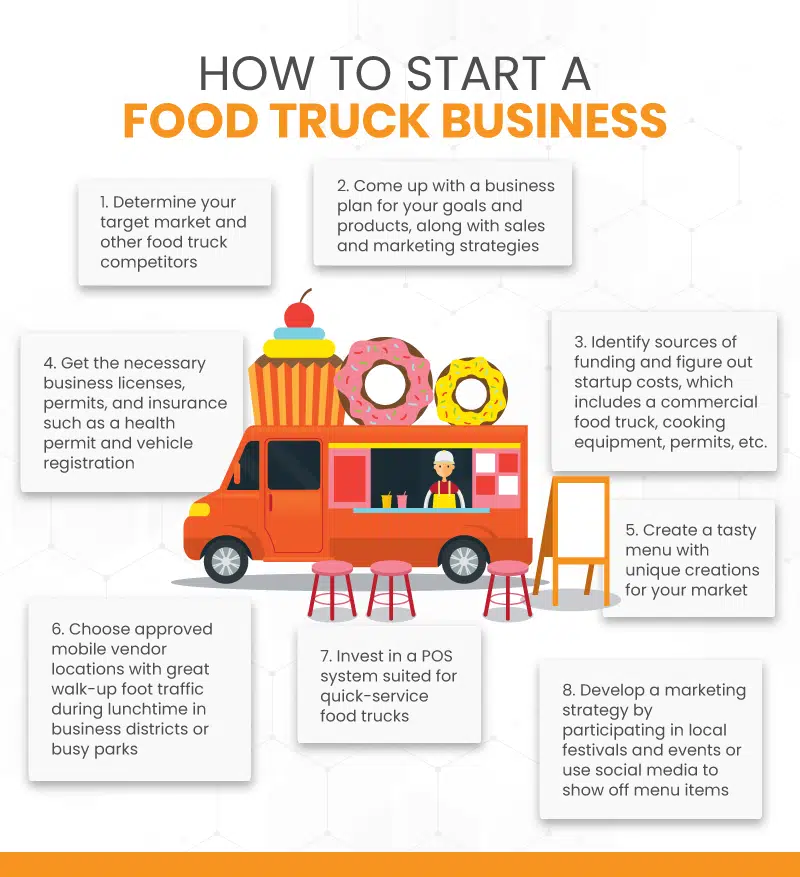
1. Conceptualize Your Food Business: Define your concept, target market, and unique selling proposition (USP). This will help you create a solid business plan and differentiate your business from others in the market.
2. Create a Business Plan: Develop a comprehensive business plan that includes budgeting, forecasting, and marketing strategies. This will help you secure funding, licenses, and permits.
3. Obtain Necessary Licenses and Permits: Research and obtain the necessary licenses and permits to operate a food business in your area. This includes food handling permits, business licenses, and health department permits.
4. Set Up a Commercial Kitchen or Locate a Suitable Workspace: Determine your production requirements and set up a commercial kitchen that meets health and safety standards. Alternatively, locate a suitable workspace that meets your needs.

5. Source High-Quality Ingredients and Equipment: Develop a menu or product line that showcases your unique offerings. Source high-quality ingredients and equipment to ensure consistency and quality in your products.
6 Essential Tips for Starting a Small Food Business
- Develop a unique menu or product line that showcases your expertise and creativity.
- Invest in high-quality equipment and ingredients to ensure consistency and quality in your products.
- Develop a robust marketing strategy to reach your target audience and build brand awareness.
- Ensure compliance with food safety regulations and maintain a clean and hygienic environment.
- Build a strong team that shares your vision and values.
- Monitor and adjust your business plan regularly to ensure your business stays on track.
7. Funding Your Small Food Business
Explore different funding options such as personal savings, loans, or seeking investors to finance your food business. Develop a comprehensive business plan that includes a detailed financial plan, including revenue projections, expense management, and cash flow analysis.
8. Launch Your Small Food Business
Launch your small food business with a solid marketing plan, high-quality products, and exceptional customer service. Monitor and adjust your business plan regularly to ensure your business stays on track.
Conclusion
Starting a small food business requires careful planning, execution, and compliance with regulations. By following the steps outlined in this guide, you can set up a successful small food business that showcases your passion for food and provides a unique experience for your customers.
![Starting a Small Food Business: A Step-by-Step Guide [2025]](https://www.unileverfoodsolutions.com.ph/chef-inspiration/food-trends/holiday-food-business-ideas-in-the-philippines/jcr:content/parsys/content/image_809522436.img.jpg/1663908263191.jpg "Starting a Small Food Business: A Step-by-Step Guide [2025]")