What is Screen Fatigue?
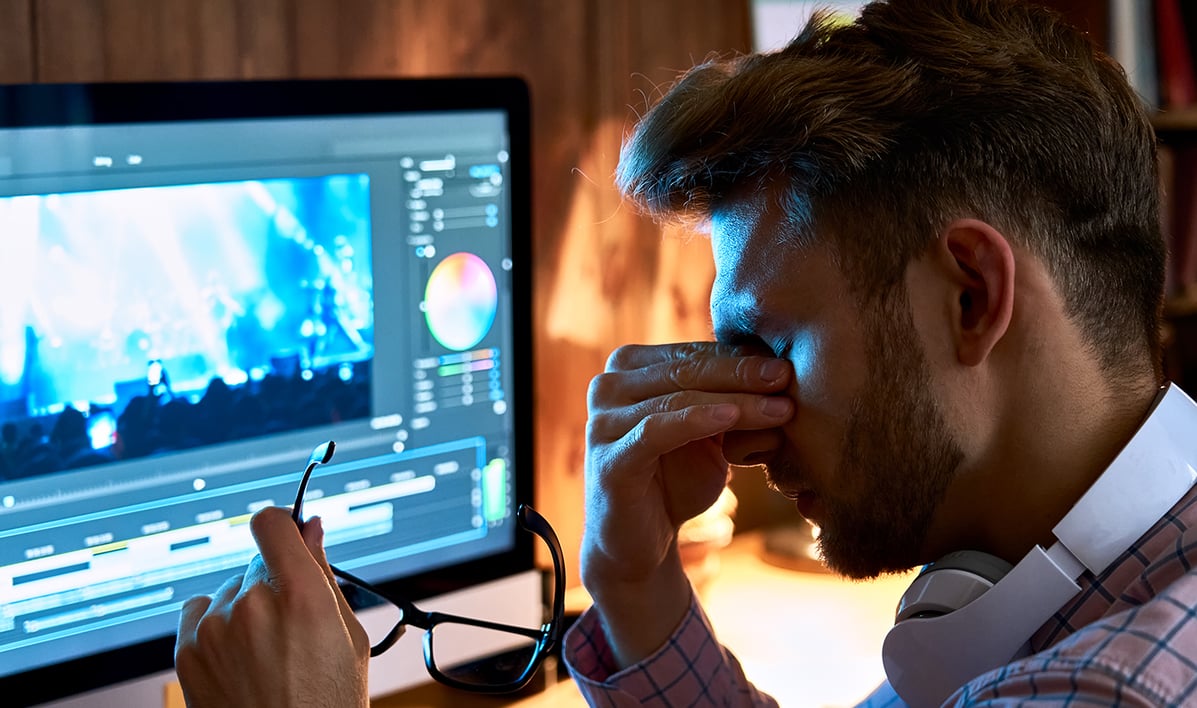
Screen fatigue, also known as computer vision syndrome, is a relatively new phenomenon that has become a concern in the tech industry. It occurs when the muscles in and around the eye become strained from prolonged screen use. The prolonged exposure to screens can lead to digital eye strain, headaches, and mental fatigue. If left untreated, it can cause long-term vision problems.
Causes of Screen Fatigue
The widespread use of digital devices such as computers, smartphones, and tablets has led to an increase in screen time. Constantly staring at screens for extended periods can cause eye strain, which can lead to headaches, blurred vision, and dryness. Additionally, the blue light emitted by digital devices can disrupt the body's natural sleep-wake cycle, leading to fatigue and mood swings.
Symptoms of Screen Fatigue
The symptoms of screen fatigue can be disturbing and uncomfortable. They include:
- Digital eye strain
- Headaches
- Blurred or double vision
- Dry eyes
- Neck and shoulder pain
- Reduced concentration
Prevention Strategies for Screen Fatigue
Fortunately, there are several strategies to prevent and alleviate screen fatigue. Here are some tips:
- Follow the 20-20-20 rule: Every 20 minutes, look away from your screen and focus on something 20 feet away for 20 seconds.
- Adjust the display settings: Lower the brightness and adjust the color temperature of your screen to reduce blue light emission.
- Take breaks: Take regular breaks every hour to stretch, move around, and rest your eyes.
- Use blue light filtering glasses: Consider wearing blue light filtering glasses to reduce eye strain.
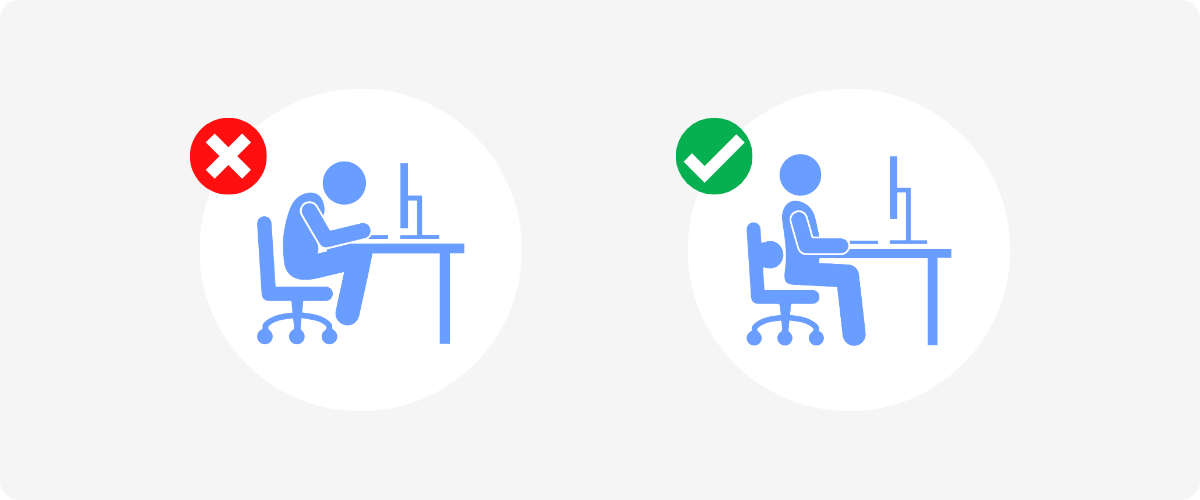
- Improve your posture: Maintain good posture while working or using digital devices to avoid straining your neck and shoulders.
- Exercise regularly: Regular exercise can help reduce stress and fatigue.

Managing Screen Time to Reduce Screen Fatigue
Setting limits on screen time can help reduce screen fatigue. Establish a routine that includes regular breaks and a balance of screen time with other activities. Prioritize self-care activities, such as exercise, meditation, and spending time with loved ones, to reduce stress and fatigue.
Conclusion
Screen fatigue is a common problem in today's digital age. It's essential to take preventive measures to alleviate digital eye strain, headaches, and mental fatigue caused by prolonged screen use. By following the prevention strategies outlined above, individuals can reduce their risk of screen fatigue and maintain their eye health.
Additional Tips for Managing Screen Fatigue
Irrespective of the prevention strategies, there are additional tips to help manage screen fatigue:
- Consider a digital eye exam to detect underlying eye problems.
- Stay hydrated by drinking plenty of water throughout the day.
- Practice good eye care habits by blinking regularly and avoiding rubbing your eyes.
- Use a humidifier to keep the air moist and prevent dryness in the eyes.
Conclusion
Screen fatigue is a growing concern in today's digital age. It's crucial to prioritize eye health, set limits on screen time, and take preventive measures to alleviate digital eye strain and mental fatigue. By following these tips and strategies, individuals can reduce their risk of screen fatigue and maintain their overall well-being.