Nomophobia Symptoms in Teenagers: A Growing Concern
Understanding Nomophobia
Nomophobia, or no-mobile phone phobia, is a psychological condition where individuals experience anxiety and discomfort when they are separated from their mobile phones. This fear can have a significant impact on the lives of teenagers, who are particularly vulnerable to this condition. The widespread use of smartphones has led to a significant increase in nomophobia among adolescents, making it essential to recognize the symptoms and take the necessary steps to address them.Prevalence of Nomophobia in Teenagers
A study published in 2025 revealed that 41.05% of adolescents experience mild nomophobia, while 21.86% have moderate nomophobia, and 5.1% have severe nomophobia. These statistics suggest that nomophobia is a common concern among teenagers and highlights the need for increased awareness and intervention.Symptoms of Nomophobia in Teenagers
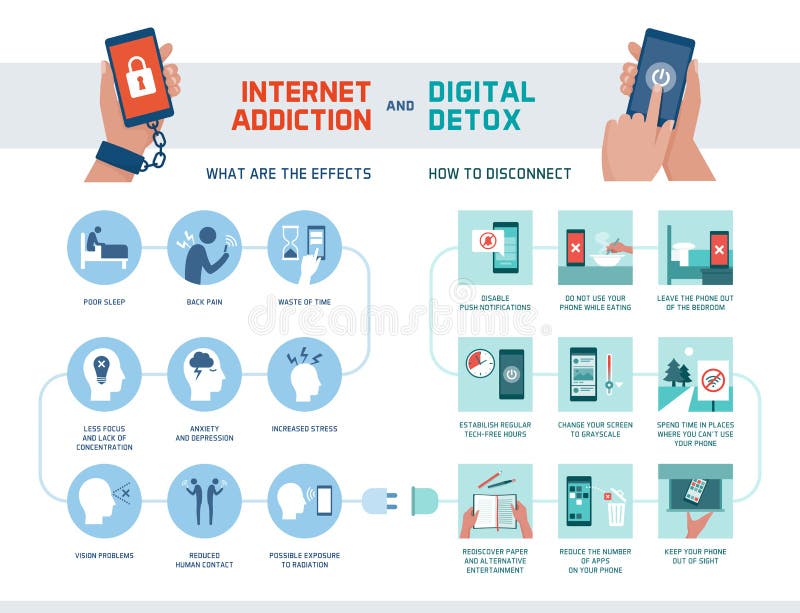
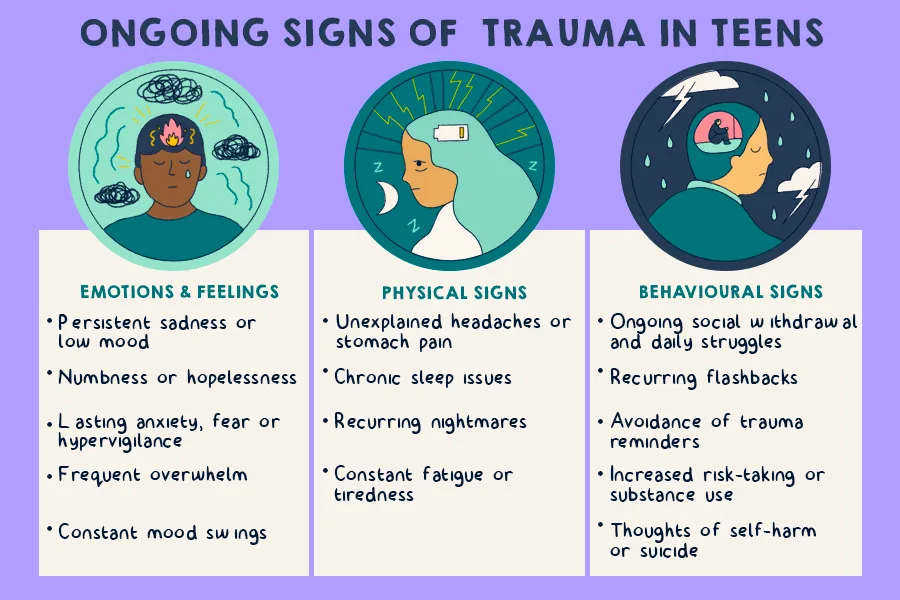
The symptoms of nomophobia in teenagers can vary, but some common signs include:- Anxiety and restlessness when separated from the phone
- Insomnia or difficulty sleeping due to the constant need to check the phone
- Impulsivity and compulsive behavior, such as constantly checking the phone for notifications
- Difficulty concentrating or paying attention due to the constant distraction caused by the phone
- Withdrawal symptoms, such as irritability, anxiety, and sadness, when the phone is taken away or lost
Causes of Nomophobia in Teenagers
Several factors contribute to the development of nomophobia in teenagers, including:- Increased usage of smartphones and social media
- Pressure to maintain a public image and stay connected with friends and peers
- Fear of missing out (FOMO) and anxiety about being left behind
- Low self-esteem and self-worth tied to phone usage
Consequences of Nomophobia in Teenagers

- Strained relationships with family and friends
- Decreased academic performance due to distraction and lack of focus
- Mental health concerns, such as anxiety, depression, and loneliness
- Physical health problems, such as sleep deprivation and eye strain






.png "Nomophobia - Wikipedia")