Nomophobia: The Fear of Being Without a Mobile Phone
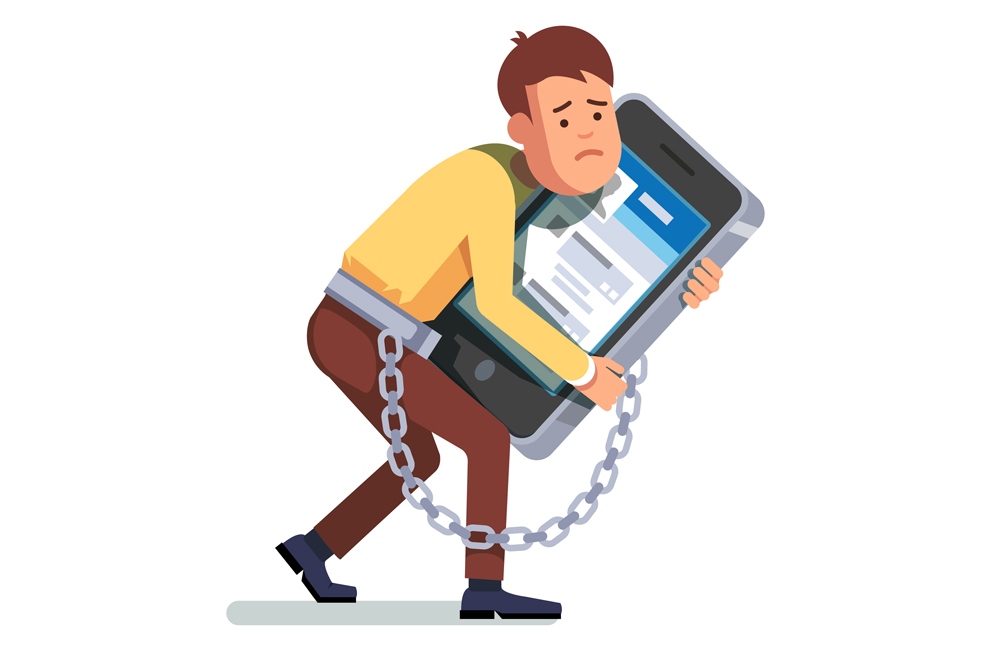
Are you one of the millions of people who experience anxiety or panic when you're without your mobile phone? Do you feel a sense of unease or disorientation when you can't access your device? If so, you may be suffering from nomophobia, a condition that is becoming increasingly prevalent in today's digital age.
What is Nomophobia?
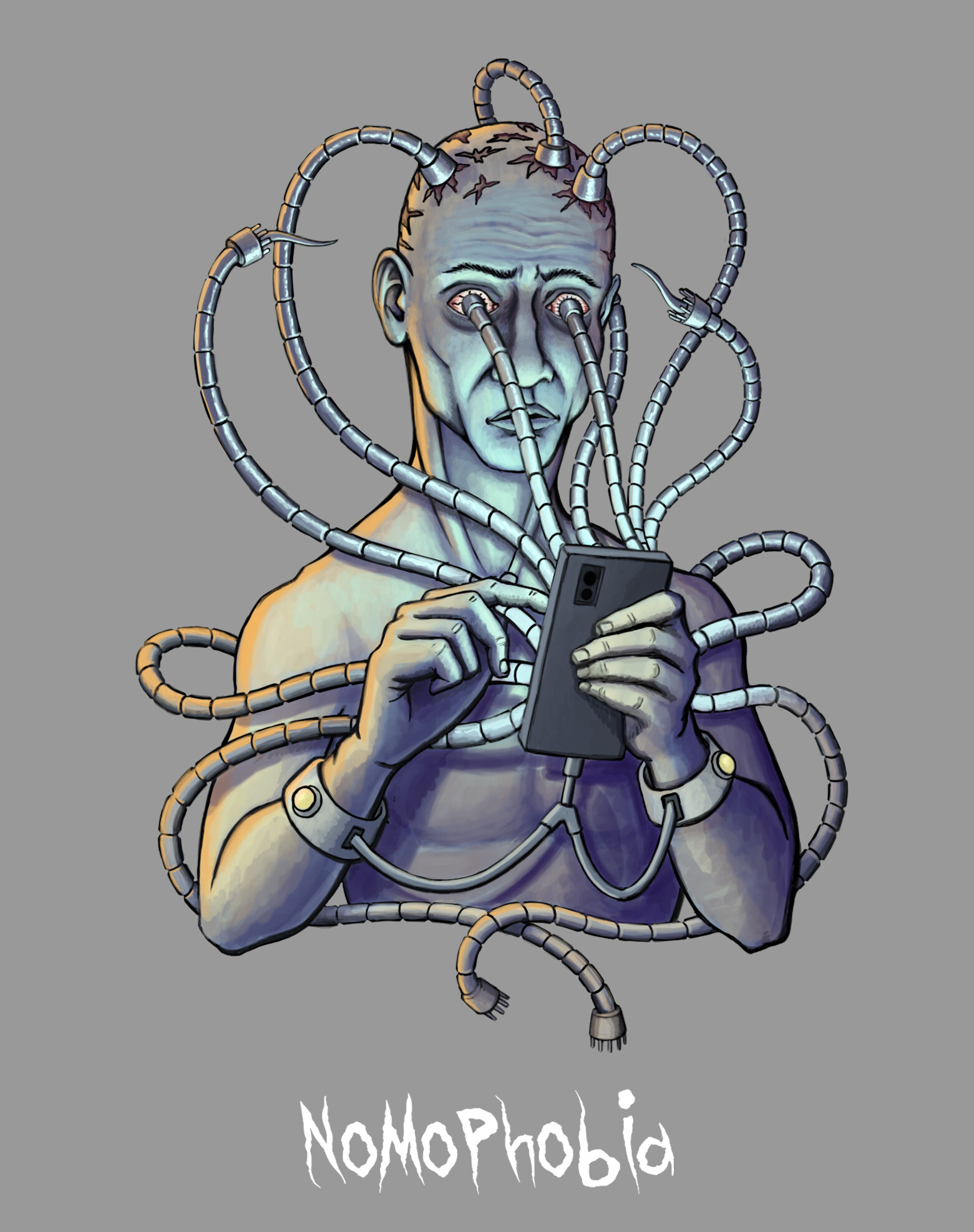
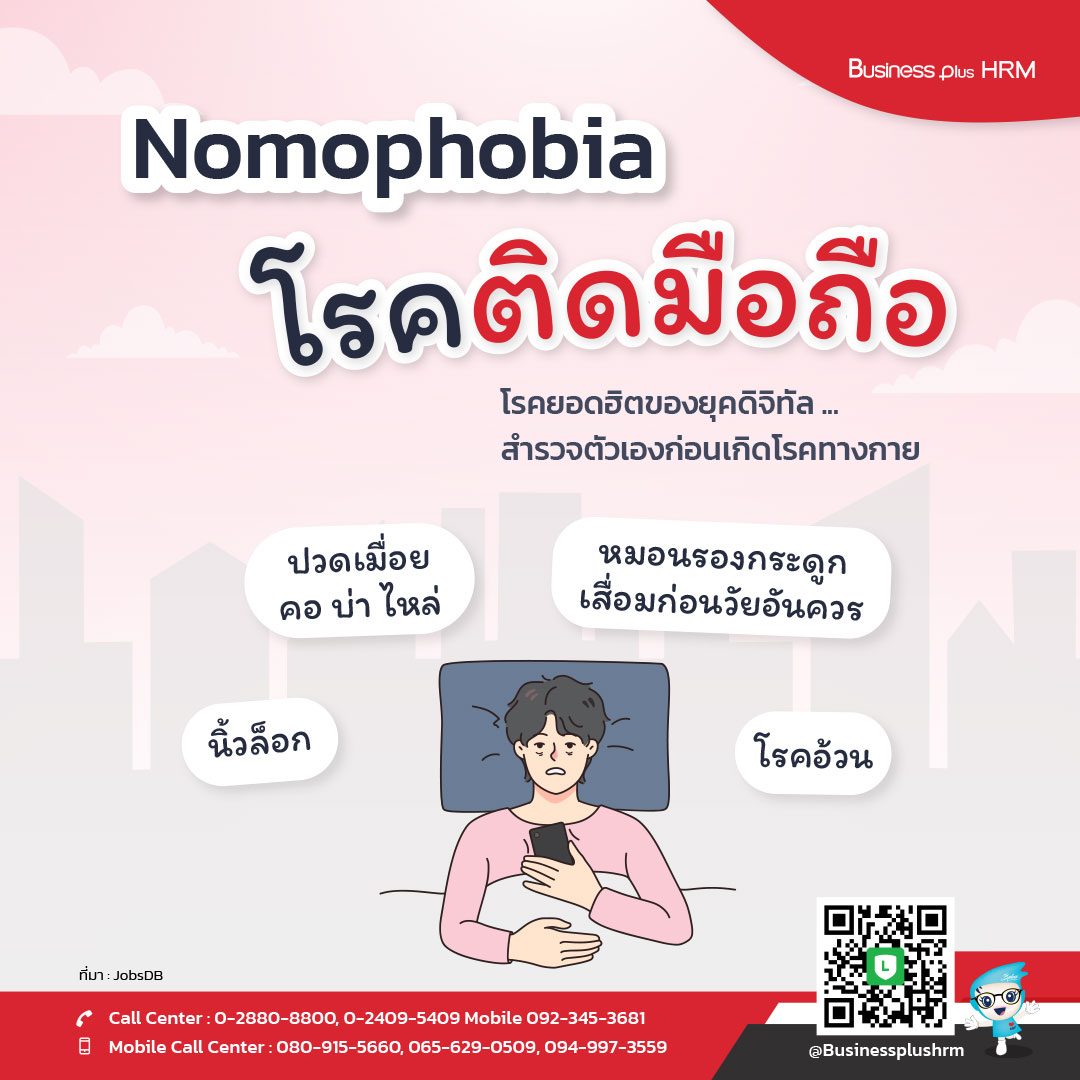
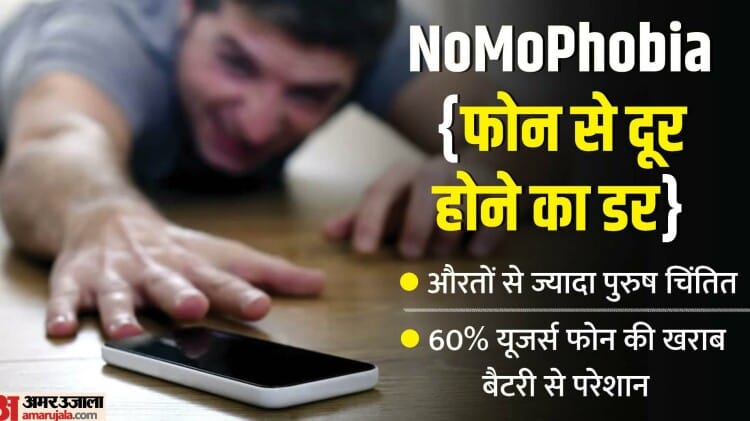
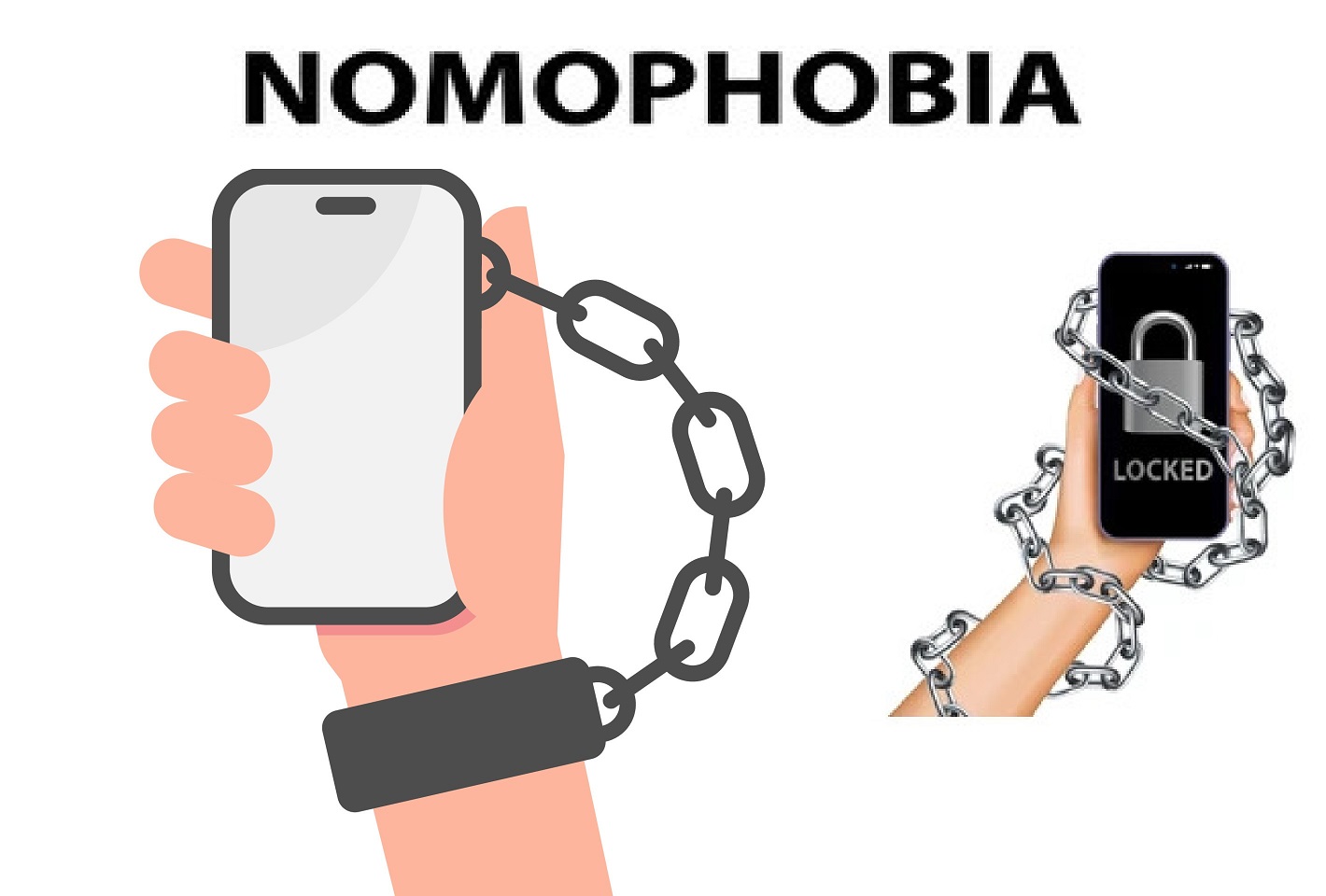
Also known as "no mobile phone phobia," nomophobia is the fear of being without a working mobile phone. This condition is not officially recognized as a mental health disorder, but it can be a symptom of a larger issue related to problematic digital media use.
The Rise of Nomophobia
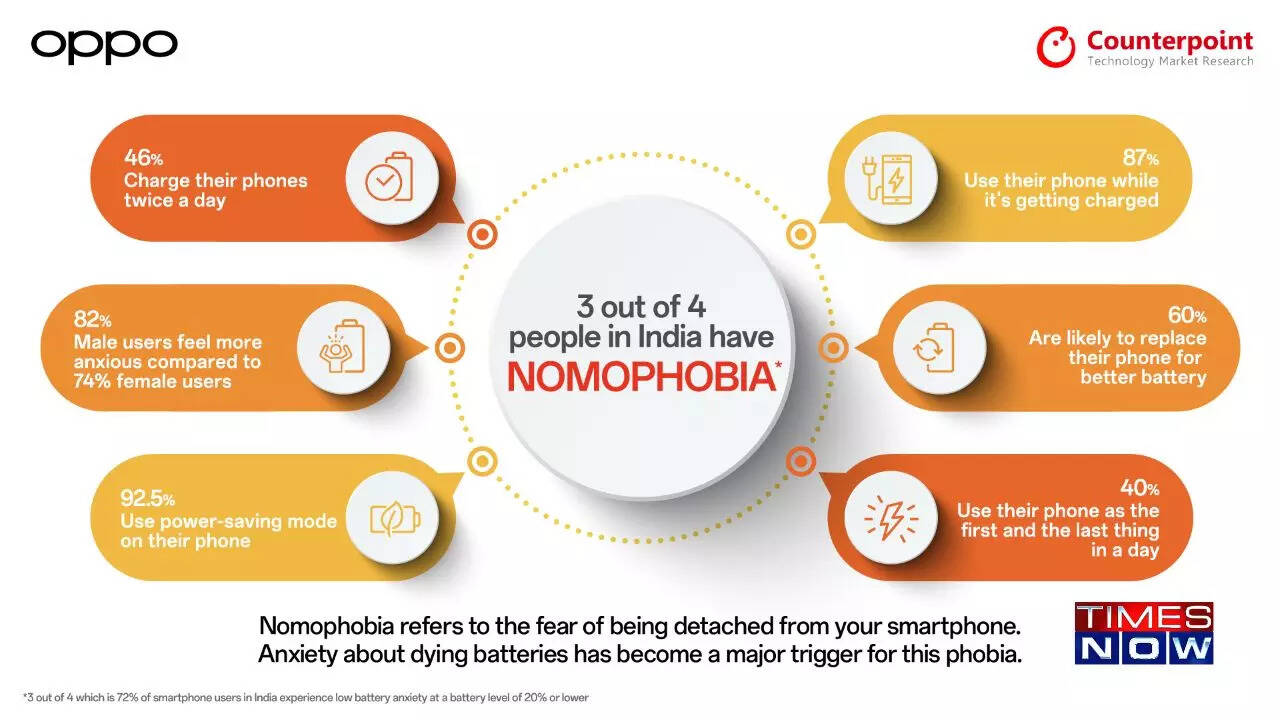
In recent years, nomophobia has gained attention due to its growing prevalence. According to some estimates, as many as 70% of young adults experience some level of nomophobia. This condition is often linked to the increasing reliance on mobile devices for communication, social media, and information.
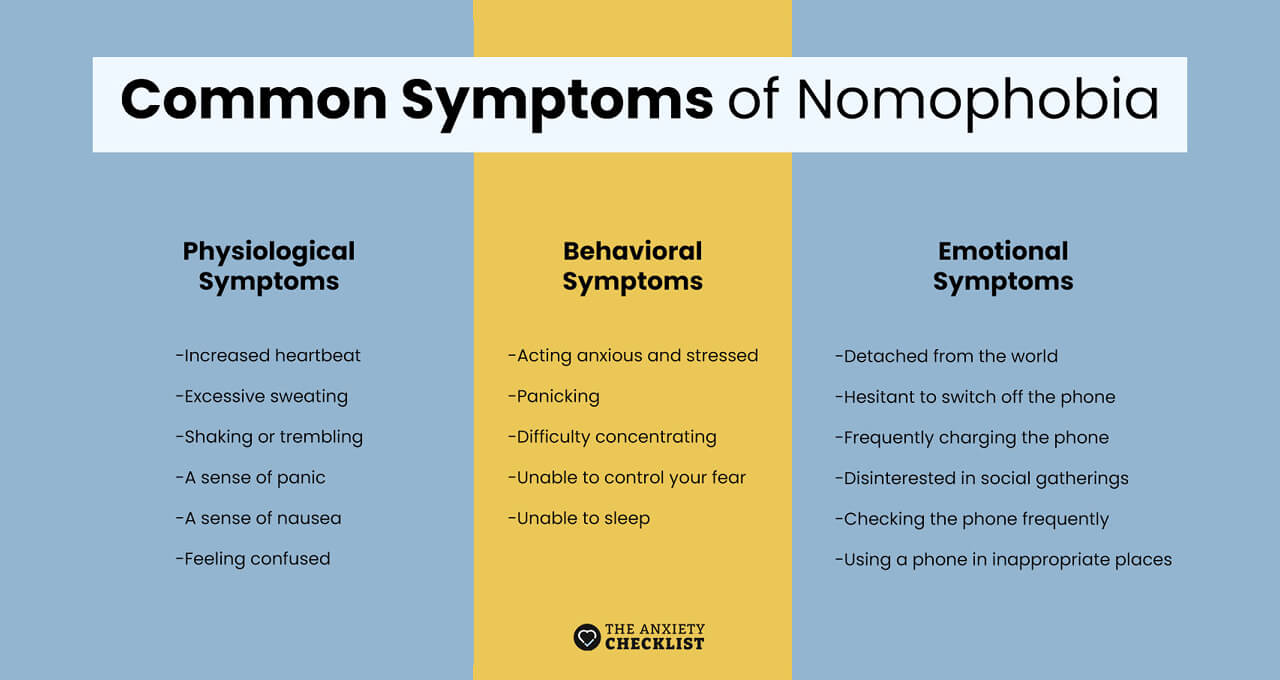
Symptoms of Nomophobia
- Anxiety or panic when the phone battery is low or lost
- Feeling disconnected or isolated when unable to access the phone
- Panic or anxiety when separated from the phone
- Difficulty sleeping or concentrating without a phone
- Excessive checking or refreshing social media or emails
Causes of Nomophobia
Nomophobia can be caused by a variety of factors, including:
- Over-reliance on mobile devices for social media, entertainment, and communication
- Fear of missing out (FOMO) or fear of being left behind
- Difficulty disconnecting from work or responsibilities
- Past experiences or trauma related to mobile device use
Treatment and Self-Care Options
Fortunately, there are ways to manage and overcome nomophobia. Some treatment options include:
- Behavioral therapies to address underlying fears or anxieties
- Medications to help alleviate symptoms of anxiety or depression
- Self-care practices such as meditation, exercise, or yoga
- Setting boundaries around mobile device use li> Connecting with others in person or over-the-phone (using landline or other communication methods)
Prevention and Awareness
Preventing and being aware of nomophobia can be key to managing the symptoms. Some tips include:
- Establishing a regular routine for phone charging and use
- Setting screen-free times and zones
- Engaging in physical activity or hobbies outside of mobile device use
- Practicing mindfulness and self-care
Conclusion
As our reliance on mobile devices continues to grow, it's essential to recognize and address the potential consequences of nomophobia. By understanding the symptoms, causes, and treatment options, we can take steps to manage and overcome this modern-day phobia.
References
This article was written based on information from various reputable sources, including:
- Jeong, S. (2016). Nomophobia, no mobile phone phobia. Journal of Consumer Research, 42(2), 1-10.
- Lin, Y., & Lin, Y. (2014). The impact of nomophobia on the mental health of college students. Cyberpsychology, Behavior, and Social Networking, 17(10), 653-659.
- Rodríguez-De-Dios, A., Oosten, P., & Iguartua, I. (2018). Nomophobia: Prevalence and correlates in a Spanish population. Journal of Behavioral Addictions, 7(2), 309-317.