LLC Setup Process: A Comprehensive Guide
Starting a Limited Liability Company (LLC) can be a daunting task, especially for those who are new to entrepreneurship. With countless steps and regulations to follow, it's no wonder why many business owners feel overwhelmed by the LLC setup process. However, with the right guidance, you can navigate this process with ease and set your business up for success.
What is an LLC?
A Limited Liability Company (LLC) is a popular business structure that offers personal liability protection, pass-through taxation, and management flexibility. It combines the liability protection of a corporation with the simplicity and tax flexibility of a sole proprietorship. Whether you're launching a freelance business, opening a retail shop, or building a startup, an LLC is an excellent choice for small business owners who want to protect their personal assets and minimize their tax liability.
LLC Setup Process: A Step-by-Step Guide
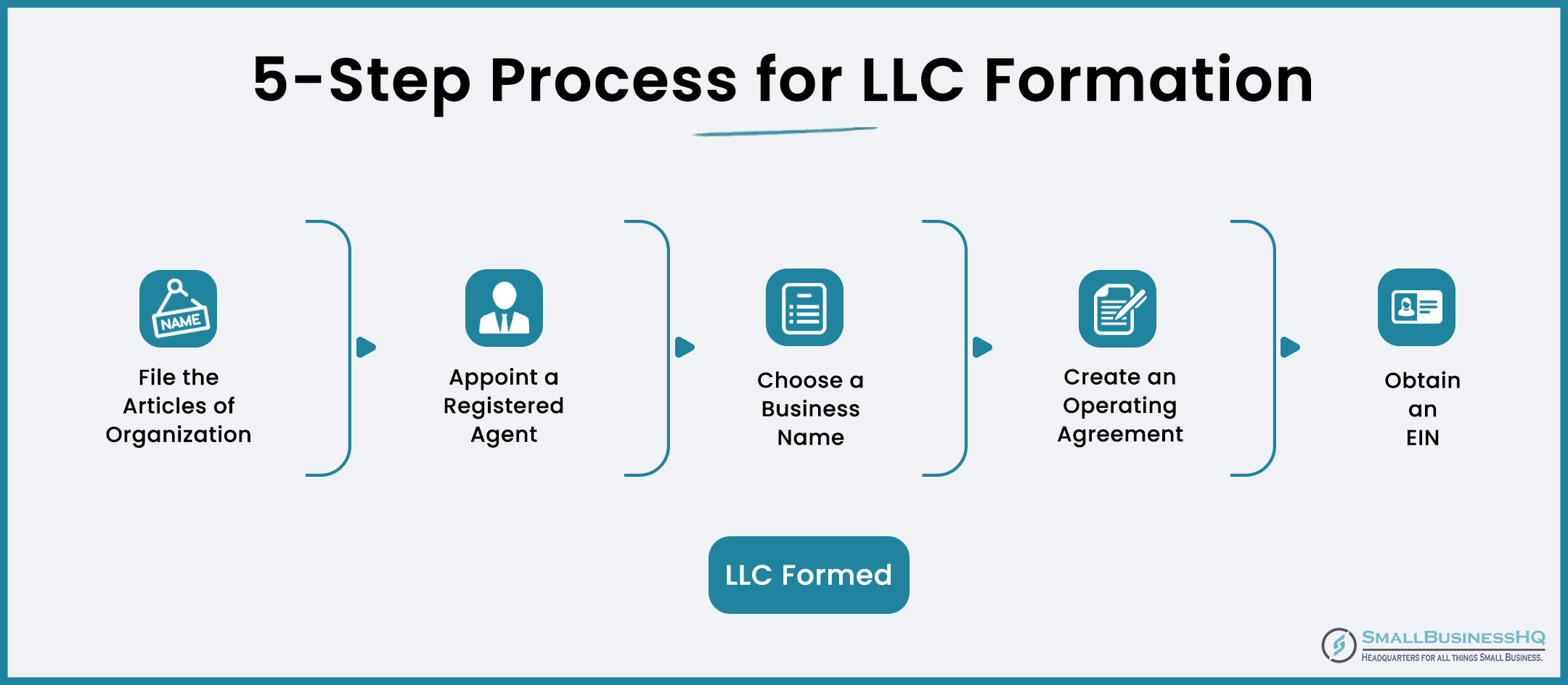
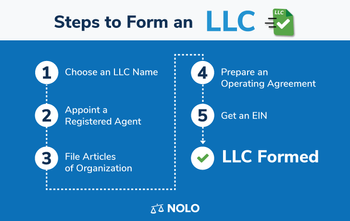
The LLC setup process typically involves the following steps:
- 1. Choose a State: You can form an LLC in any of the 50 states, regardless of where you live or plan on conducting your business. Each state has its own unique rules and regulations, so it's essential to research the specific requirements for the state where you plan to establish your business.
- 2. Name Your LLC: The name of your LLC must be unique and distinctive. You can use a business name search tool to ensure that your desired name is not already taken. Also, make sure to check if the name is available as a web domain and social media handle.
- 3. File Articles of Organization: The Articles of Organization is a document that outlines the basic structure and ownership of your LLC. This document must be filed with the Secretary of State in the state where you plan to establish your business.
- 4. Obtain an EIN: An Employer Identification Number (EIN) is a unique identifier assigned to your LLC by the Internal Revenue Service (IRS). You'll need an EIN to file taxes, open a business bank account, and obtain a business credit card.
- 5. Create an Operating Agreement: An Operating Agreement is a document that outlines the ownership and management structures of your LLC. This document is essential for ensuring that all members of the LLC are on the same page and that the business is managed effectively.
- 6. Comply with State and Local Regulations: Depending on the state and type of business you're operating, you may need to obtain additional licenses and permits. Make sure to research the specific regulations and requirements for your business.
Benefits of the LLC Setup Process
Starting an LLC can provide numerous benefits for small business owners, including:
- Personal Liability Protection: An LLC provides personal liability protection for its members, which means that your personal assets are protected in case your business is sued or incurs debt.
- Pass-Through Taxation: An LLC is a pass-through tax entity, which means that the business income is only taxed at the individual level, and not at the business level.
- Management Flexibility: An LLC can be managed in various ways, including member-managed or manager-managed. This flexibility allows you to tailor your management structure to suit the needs of your business.
Conclusion
Starting an LLC can be a complex process, but with the right guidance, you can navigate this process with ease and set your business up for success. By understanding the LLC setup process and the benefits of an LLC, you can make informed decisions about your business and ensure that it's well-positioned for growth and success.
Additional Resources
For more information on the LLC setup process and the benefits of an LLC, be sure to check out the following resources: