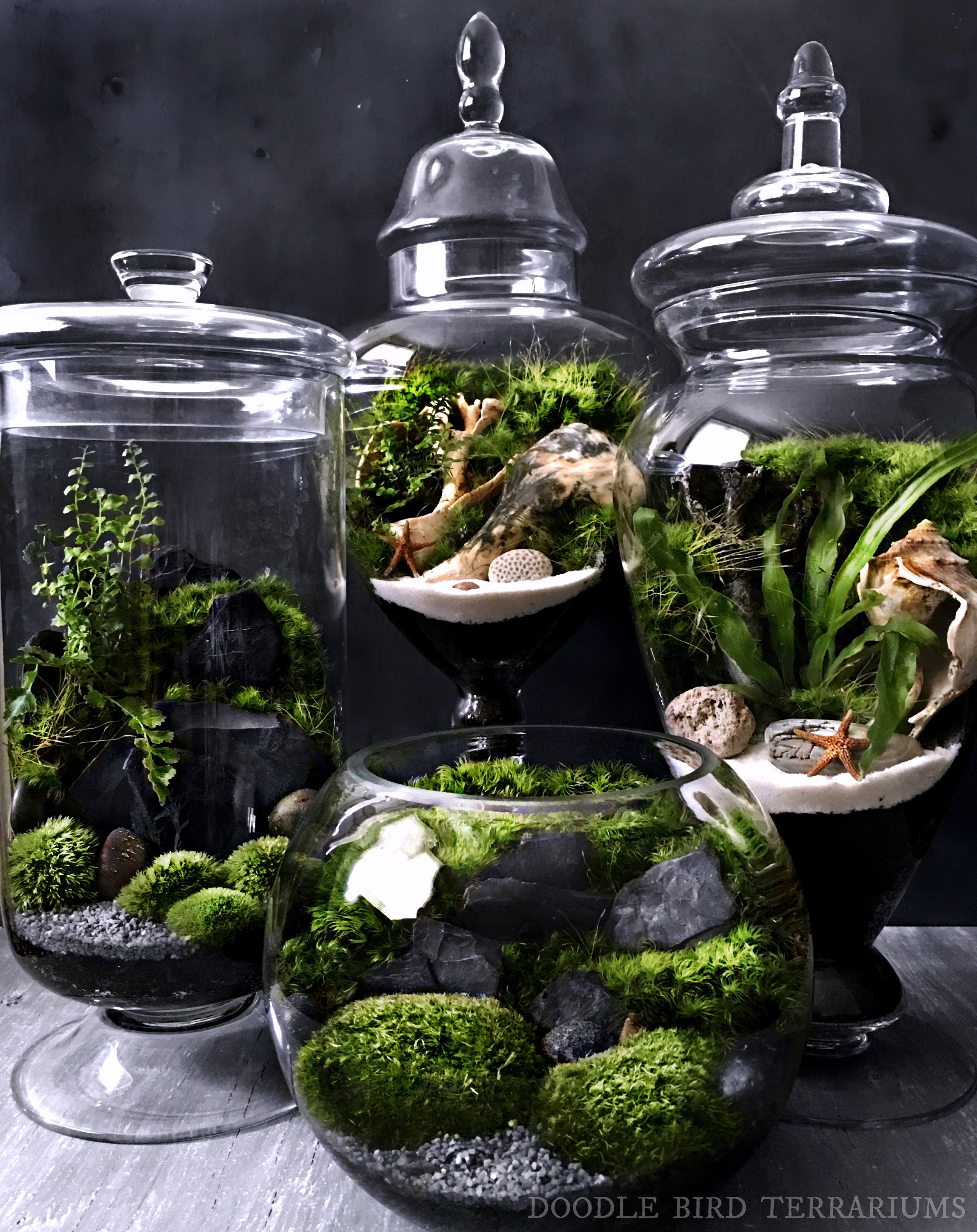
How to Set Up a Terrarium: A Step-by-Step Guide
Materials and Tools Required
- Container: Choose a clear glass or plastic container with a lid or an open-top, depending on your plant selection.
- Gravel or pebbles for drainage
- Activated charcoal to prevent bacterial growth and control odors
- Potting soil with good drainage
- Water spray bottle
- Tweezers or a small shovel for planting
- Optional: decorative rocks, shells, or other embellishments
Step 1: Choosing Your Container
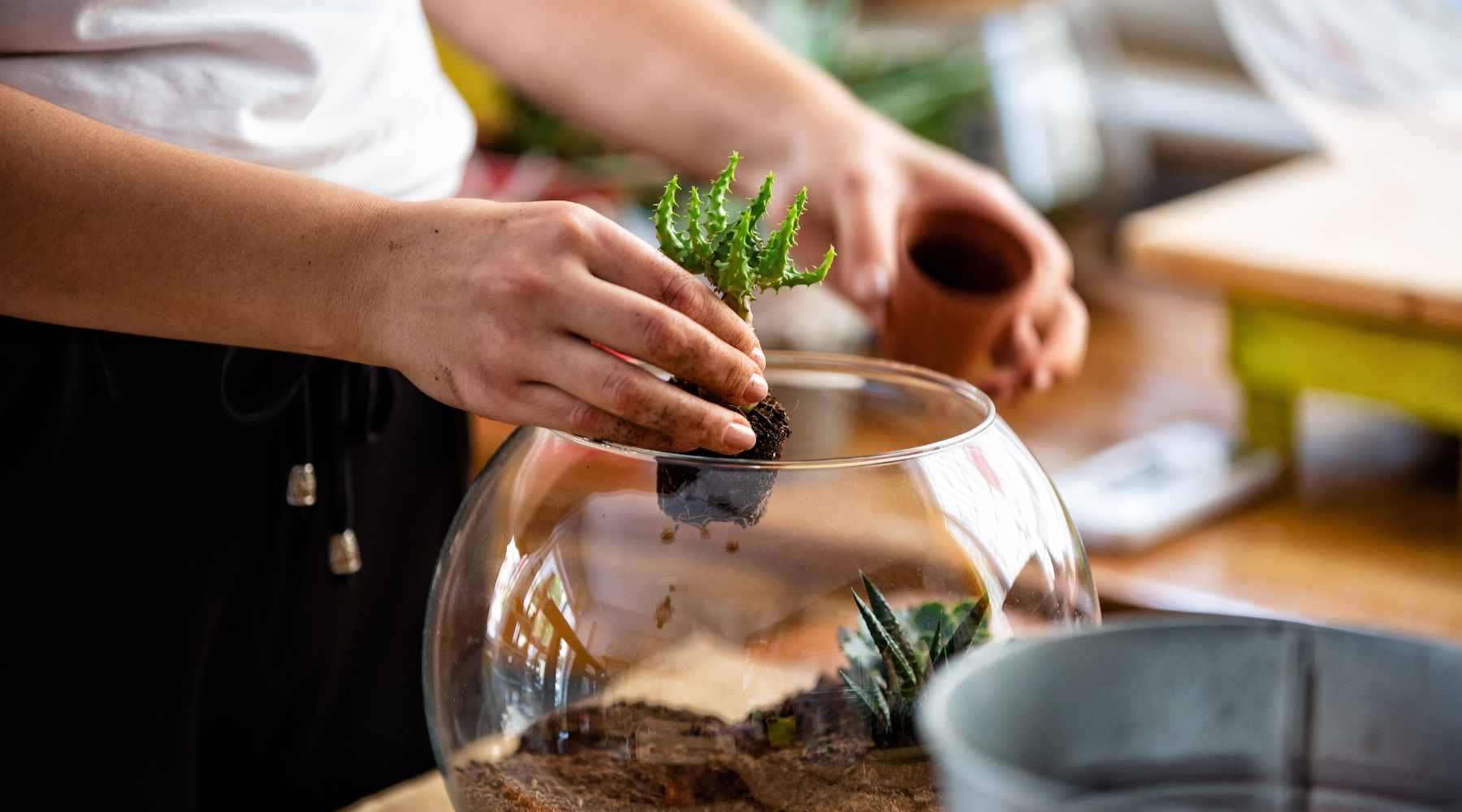
Almost any glass container can become a beautiful terrarium. However, the shape and size of the container has an effect on how easy it is to set up aterrarium. Wider containers with an opening are easier to work with, so it's best to avoid using bottle terrariums. Instead, opt for a wider glass container that allows for easier access to the plants and soil. Ensure the container is clean and dry before starting your project.
Step 2: Layering the Soil and Materials
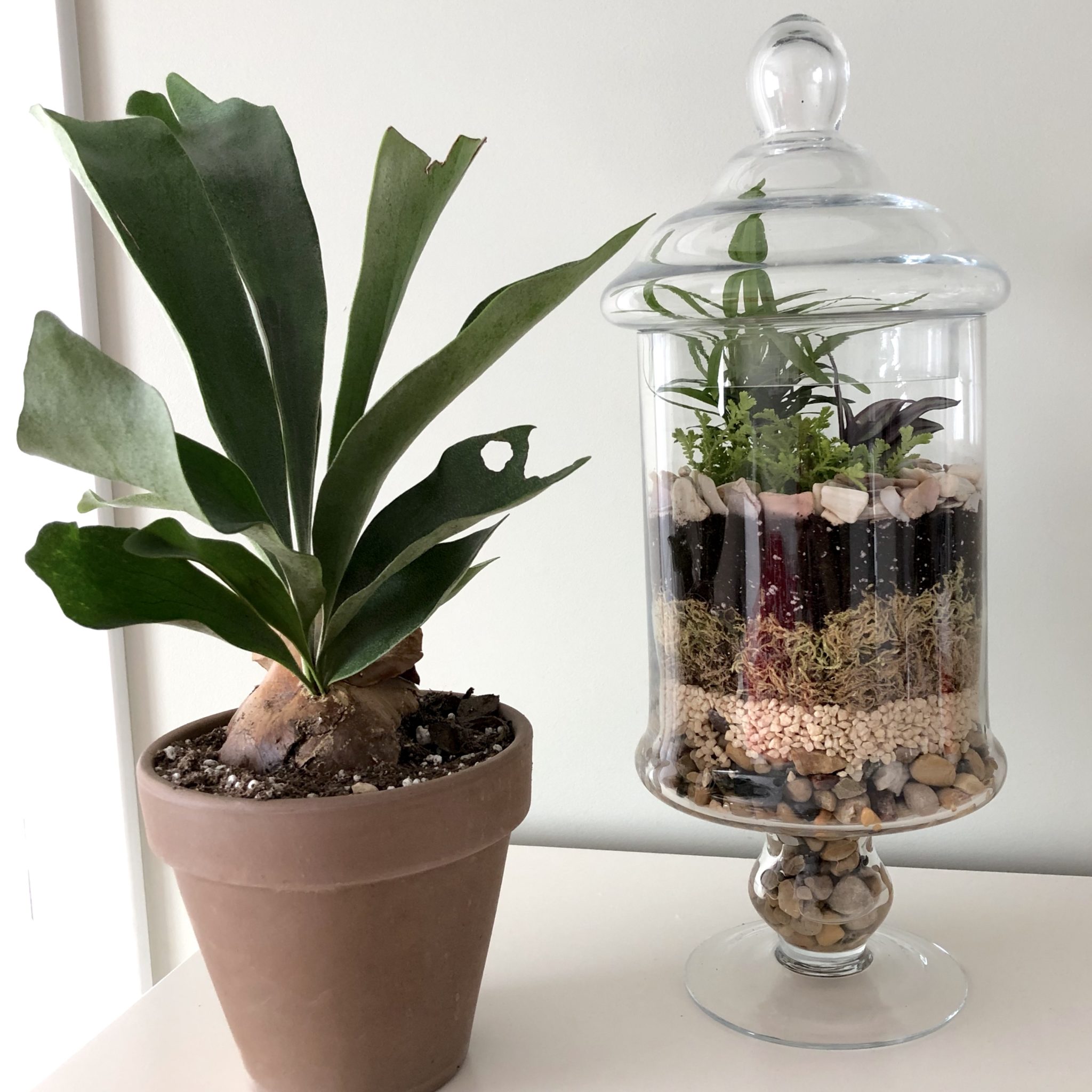
- Start by adding a 1-inch layer of gravel or pebbles to the bottom of the container for drainage.
- Add a layer of activated charcoal to prevent bacterial growth and control odors.
- Fill the container with potting soil, leaving about an inch at the top for watering.
- Optional: add decorative rocks or shells to the top layer for aesthetic appeal.
Step 3: Selecting and Planting the Terrarium
Choose plants that thrive in low-light conditions and have similar watering requirements. You can pick one type of plant or create a diverse and colorful mix of plants. Use tweezers or a small shovel to gently plant the plants in the soil, leaving enough space for proper growth.
Step 4: Watering and Maintenance
Water the terrarium sparingly, as overwatering can lead to mold and root rot. Use a water spray bottle to mist the plants with water, making sure the soil is moist but not waterlogged. Avoid opening the lid of the terrarium to prevent moisture from escaping, as this can disrupt the ecosystem. Check the terrarium regularly to ensure the plants receive the right amount of water and nutrients.
:max_bytes(150000):strip_icc()/how-to-make-terrariums-848007-20-c54312d99b1348cfa3b827d389a5fbdb.jpg)
Benefits of Creating a Terrarium
Closed terrariums require less attention once set up, but open terrariums allow for more flexibility and creativity. Benefits of creating a terrarium include:
- Low maintenance: terrariums need little daily care
- Space efficient: terrariums fit on desks, shelves, or tables
- Creates a miniature, self-sustaining ecosystem
- Can be customized to fit individual styles and preferences
Alternative Terrarium Ideas
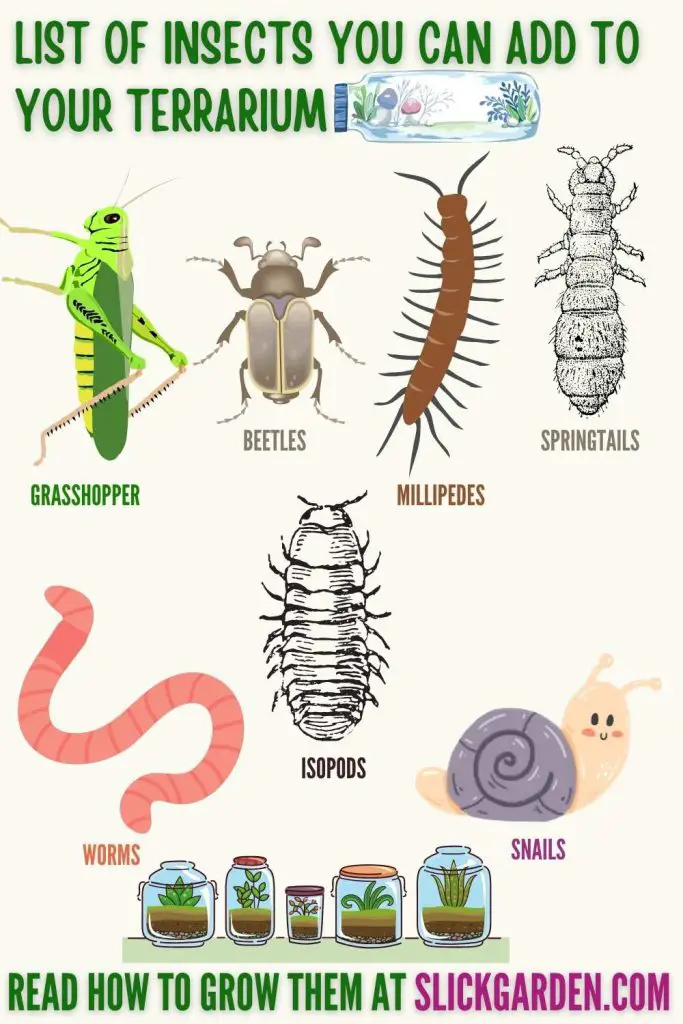
Consider setting up a closed terrarium or a multi-camera system for your terrarium to observe your plants and animals from different angles. For beginners, starting with a low-maintenance insect terrarium or a leopard gecko terrarium can be a fun and rewarding experience.
Tips and Tricks
For a healthier terrarium, add a small handful of sand to improve drainage, and be careful not to overwater the plants. Opening the terrarium occasionally to prevent a buildup of moisture can also help maintain a balanced ecosystem.
Conclusion
Creating a terrarium is a rewarding and enjoyable activity that allows you to bring the beauty of nature into your home or office. With the right materials and tools, and a little patience, you can create a thriving miniature ecosystem that adds a touch of wonder to your daily life.
Read More:
Learn more about creating different types of terrariums, including open terrariums and closed terrariums, as well as tips for customizing your terrarium with decorative elements and selecting the best plants for your terrarium project.