How to Install Printer on Raspberry Pi
Raspberry Pi has become an extremely popular single-board computer for a wide range of applications, from DIY projects to home automation and IoT systems. One of its many uses is as a print server that can share a printer across a network. In this article, we will guide you through the process of how to install printer on Raspberry Pi and set it up as a print server using CUPS (Common Unix Printing System) and Avahi.
Understanding the Print Server
A print server is a device that allows you to share a printer across a network. It receives print jobs from clients and sends them to the printer for printing. Raspberry Pi can be configured to act as a print server using CUPS and Avahi. Once set up, you can print from any device on your network by sending print jobs to the Raspberry Pi, which will then send them to the printer for printing.
Preparing Your Raspberry Pi
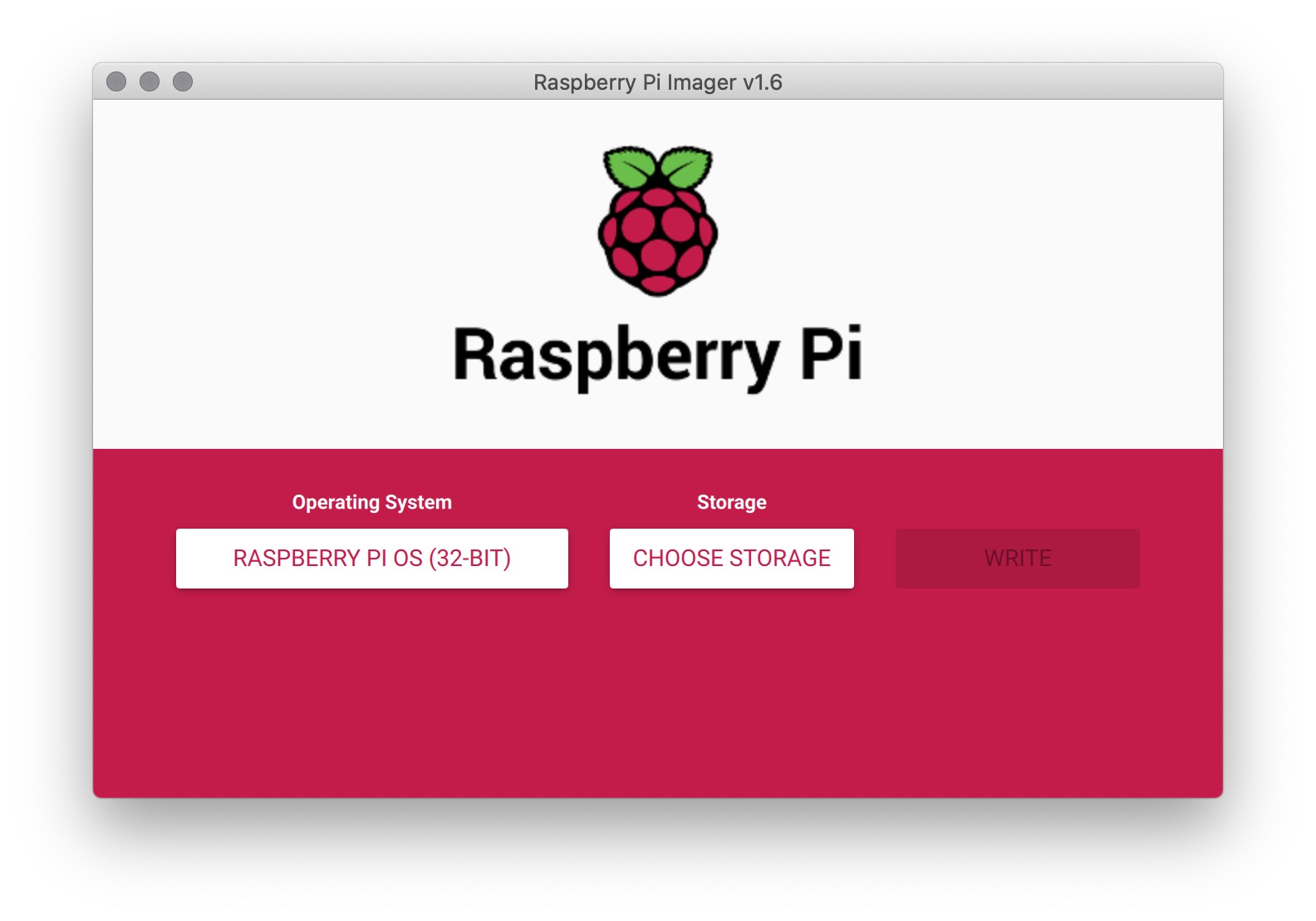
- Choose a compatible Linux distribution for your Raspberry Pi, such as Raspbian.
- Install the necessary packages using the following command:
sudo apt-get install cups avahi-daemon
Configuring CUPS
- Open the CUPS configuration file using the following command:
sudo nano /etc/cups/cupsd.conf - Comment out the line that says
Listen /var/run/cups/cups.sockby adding a#at the beginning of the line. - Save the changes by pressing
Ctrl+X, theny, and finallyEnter. - Restart the CUPS service using the following command:
sudo service cups restart
Configuring Avahi
- Open the Avahi configuration file using the following command:
sudo nano /etc/avahi/avahi-daemon.conf - Uncomment the line that says
use-nss-mdns = noby removing the#at the beginning of the line. - Save the changes by pressing
Ctrl+X, theny, and finallyEnter. - Restart the Avahi service using the following command:
sudo service avahi-daemon restart
Adding a Printer
- Open the CUPS web interface using a web browser by navigating to
http://localhost:631. - Log in with the username
adminand passwordraspberry. - Click on the
Add Printerbutton and follow the prompts to add your printer.
Testing the Print Server
- Print a test page from any device on your network using the following command:
lp -d/dev/null - If the print server is set up correctly, the test page should print successfully.
Conclusion
In this article, we have guided you through the process of how to install printer on Raspberry Pi and set it up as a print server using CUPS and Avahi. With this setup, you can share a printer across your network, making it accessible from any device that supports printing. This is a great DIY project for anyone looking to automate their home or office printing tasks.