How to Get Rid of Muscle Cramps: Tips, Remedies, and Prevention Techniques
Understanding Muscle Cramps
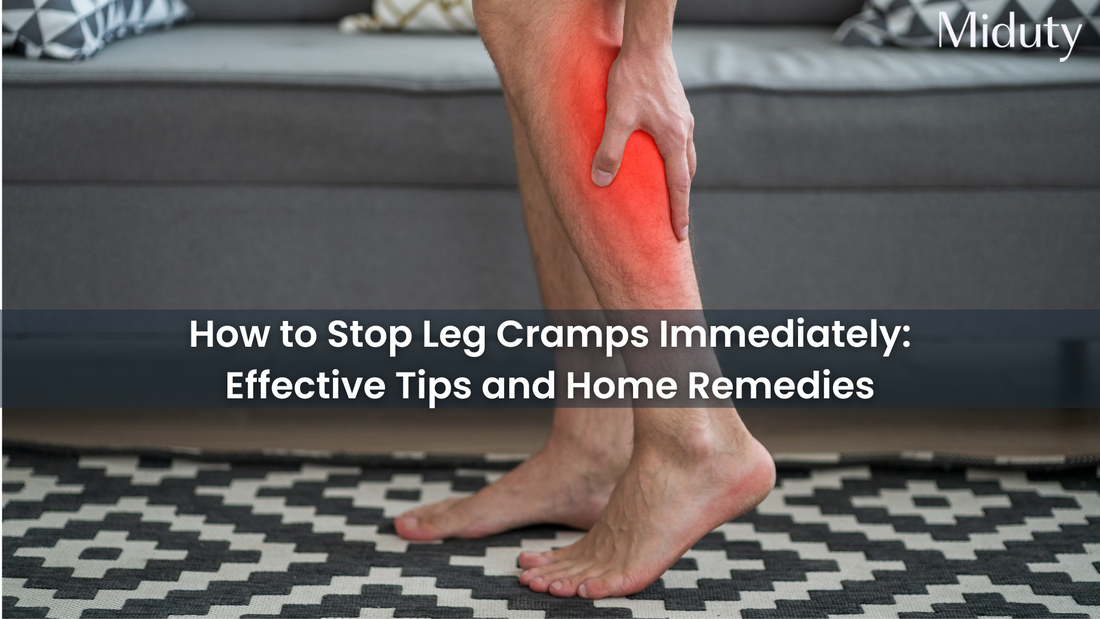
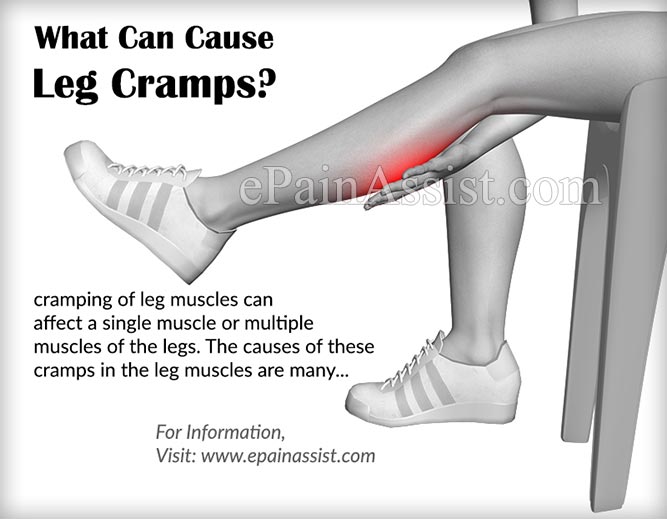
Muscle cramps are a sudden, involuntary contraction of one or more muscles, often occurring in the legs, feet, or hands. They can be mild or severe and may last from a few seconds to several minutes. While they can be a painful and debilitating experience, know that by making a few simple lifestyle changes and using some effective remedies, you can reduce the frequency and intensity of muscle cramps.Causes of Muscle Cramps
If you're older, have a nerve disorder, are pregnant or menstruating, or tend to overuse or strain your muscles, then you're more likely to experience muscle cramps. Additionally, dehydration, electrolyte imbalance, or a lack of essential nutrients can also contribute to muscle cramps.Preventing Muscle Cramps
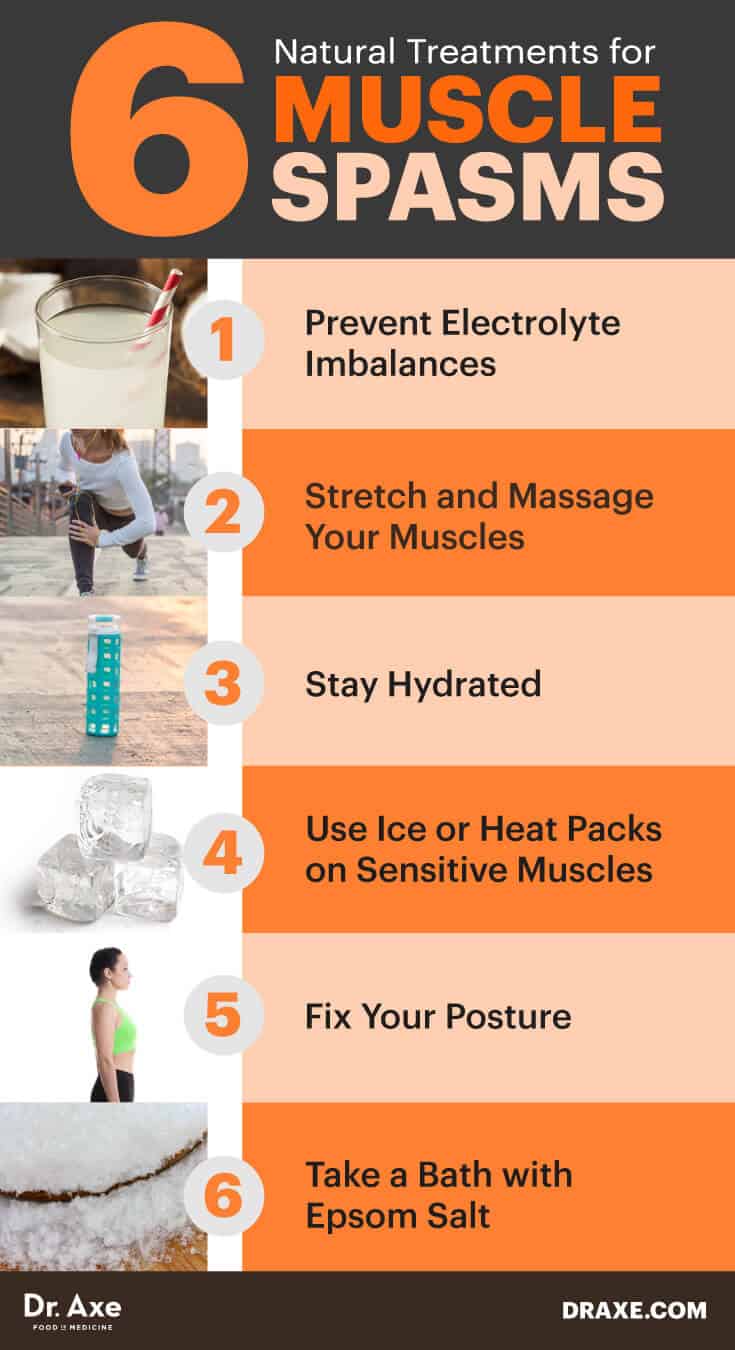
To prevent muscle cramps, follow these simple tips:- Stay hydrated: Drink plenty of water to maintain electrolyte balance and fluid levels in your body.
- Get enough electrolytes: Include potassium, sodium, calcium, and magnesium-rich foods in your diet to help prevent muscle cramps.
- Exercise regularly: Regular physical activity can help strengthen your muscles and improve circulation, reducing the risk of cramping.
- Stretch regularly**: Flexibility exercises can help relax your muscles and reduce the likelihood of cramping.
- Manage stress**: High stress levels can lead to muscle tension and cramping, so find healthy ways to manage your stress, such as through meditation or deep breathing exercises.
How to Get Rid of Muscle Cramps
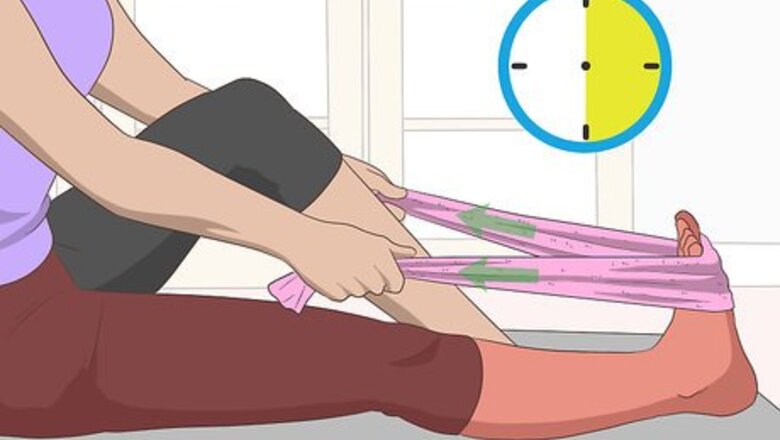
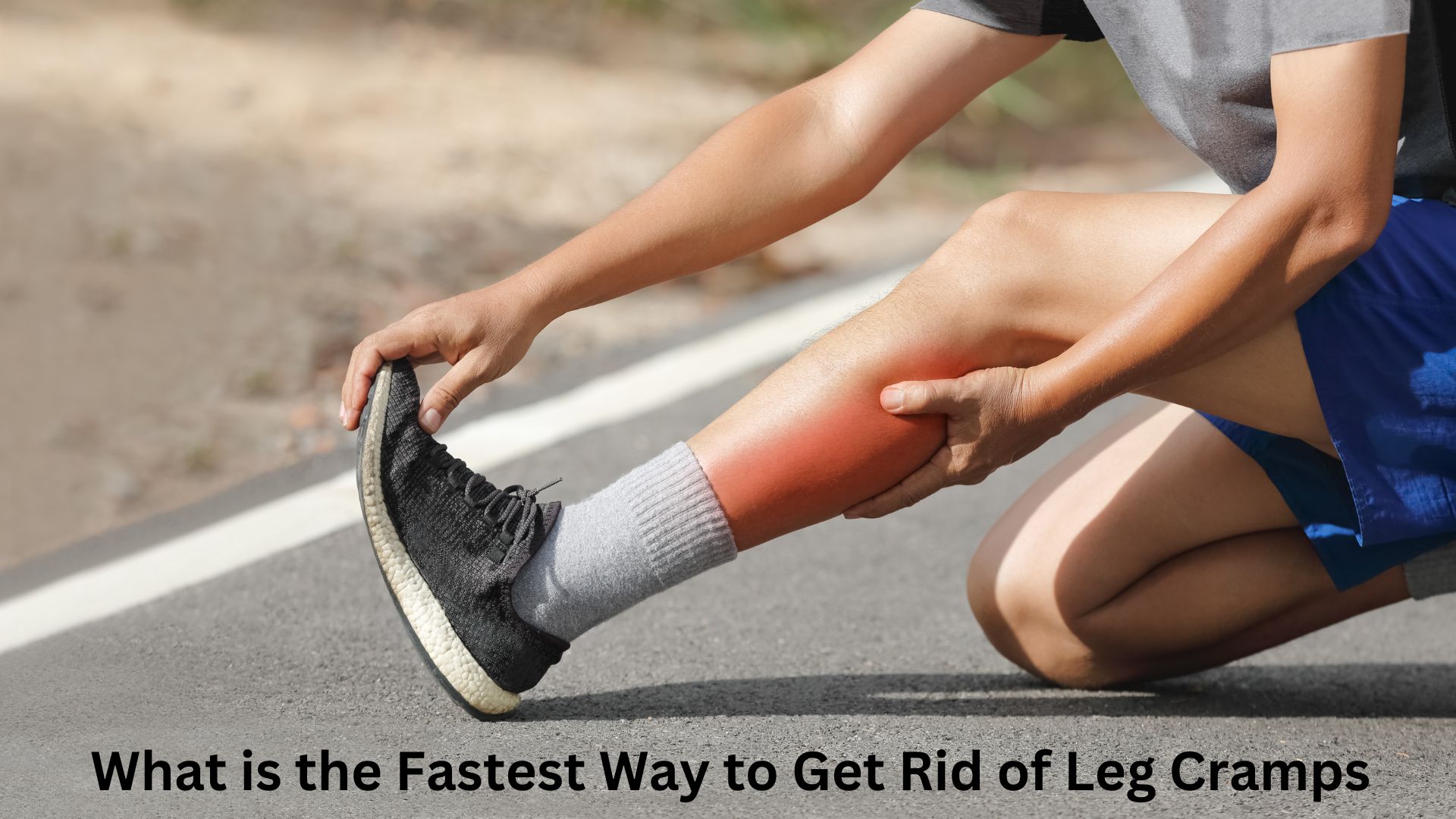
While prevention is key, if you do experience a muscle cramp, don't worry – there are several remedies that can help alleviate the pain and discomfort. Here are some effective techniques to try:- Stretch the affected area**: Gentle stretching can help relax the muscles and relieve tension.
- Apply heat or cold**: Warm or cold therapies can help relax the muscles and reduce pain.
- Massage the affected area**: Massaging the affected muscle can help relax and stretch the muscle fibers.
- Take a magnesium or potassium supplement**: These nutrients are essential for muscle function and can help alleviate muscle cramps.
- Rest and avoid strenuous activities**: Give your muscles time to recover and avoid activities that may have caused the cramp in the first place.

Additional Remedies for Leg Cramps
While the above remedies can be effective for muscle cramps in general, if you experience leg cramps, there are some additional remedies to try:- Walk or move around**: Gentle movement can help relax the muscles and improve circulation.
- Elevate your legs**: Raising your legs can help reduce swelling and alleviate pain.
- Apply a warm compress**: A warm compress can help relax the muscles and relieve pain.
- Try anti-inflammatory cream or gel**: Topical creams or gels containing arnica, capsaicin, or menthol can help reduce pain and inflammation.
When to Seek Medical Attention
While muscle cramps are usually harmless, in some cases, they can indicate an underlying issue that requires medical attention. If you experience:- Recurring or severe muscle cramps
- Cramps that interfere with sleep or daily activities
- Muscle weakness or numbness
- Swelling or pain that persists long after the cramp has resolved





/what-causes-muscle-spasms-and-cramps-3120487_color-9e3f11fd809e4c68b4b4f25bc7c83b38.png "Muscle Cramps: 8 Things That Cause Them & 4 Ways to Stop Them")