Improve Your Sleep: 15 Evidence-Based Tips to Get Better Sleep
Sleep is essential for optimal health, and getting better sleep is crucial for maintaining good physical and mental health throughout your life. The quality of your rest determines how you feel when you're awake, and engaging in restorative processes during sleep is vital for overall well-being.
Establish a Consistent Sleep Schedule
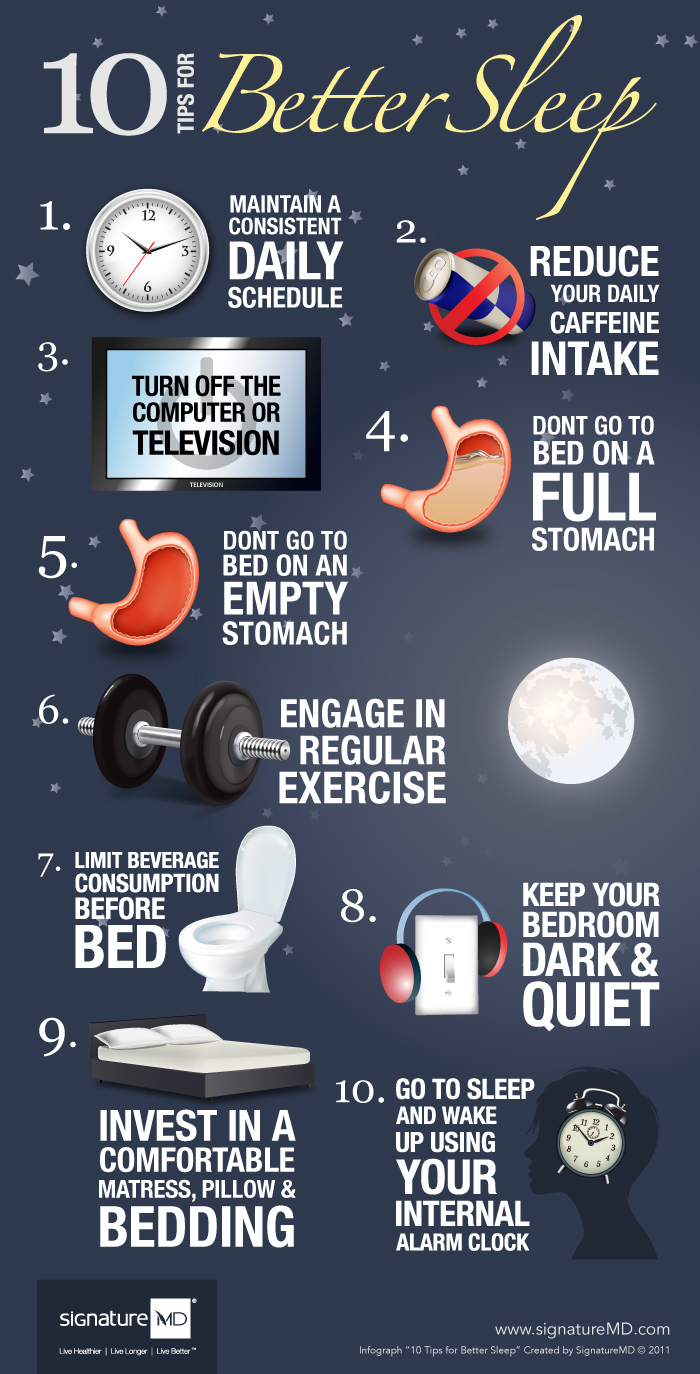
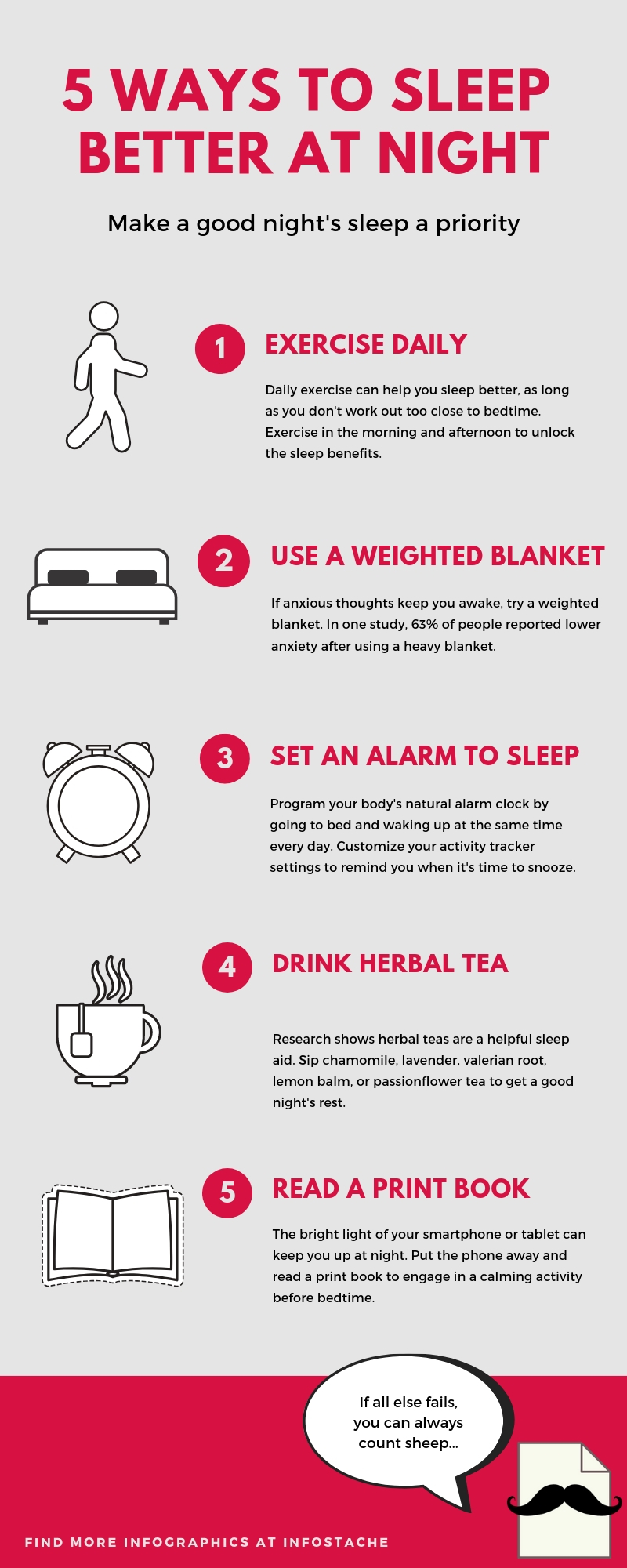
- Set a bedtime routine: Develop a calming pre-sleep routine to signal to your brain that it's time to wind down. This can include activities like reading a book, taking a warm bath, or practicing gentle stretches.
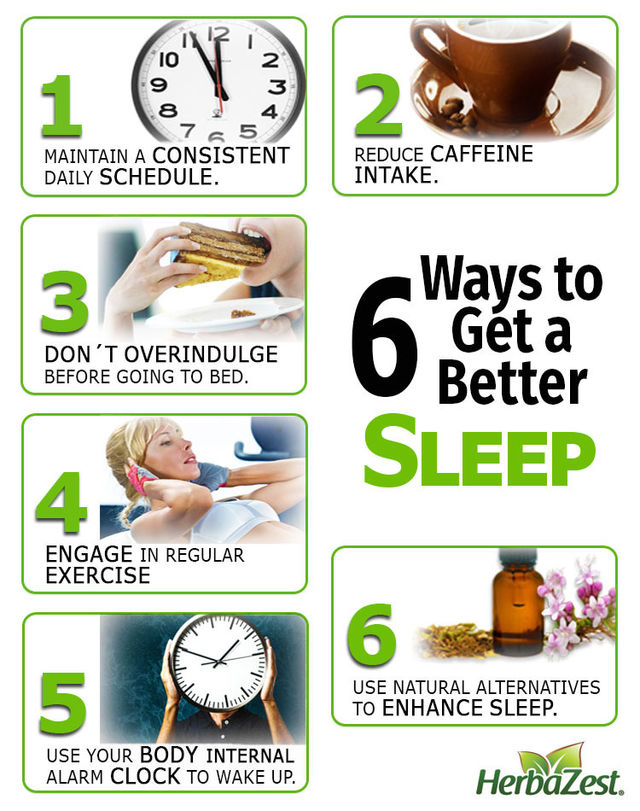
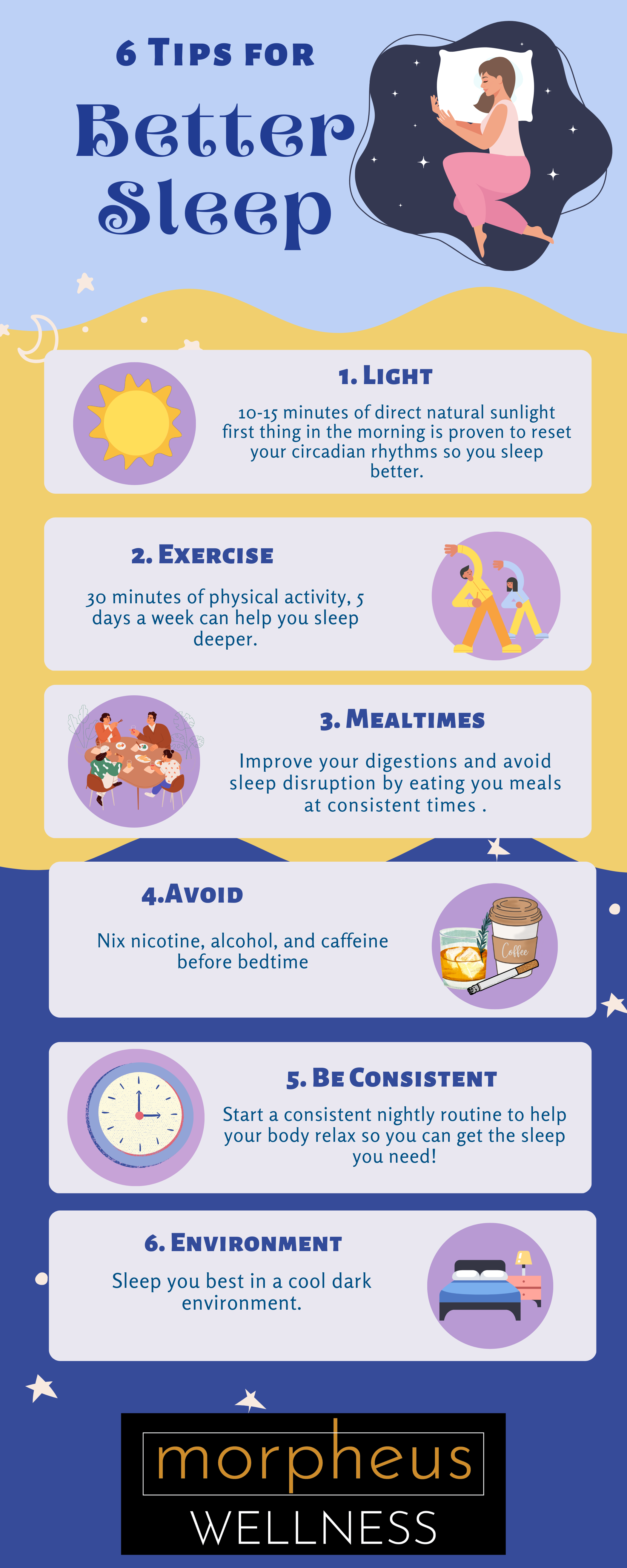
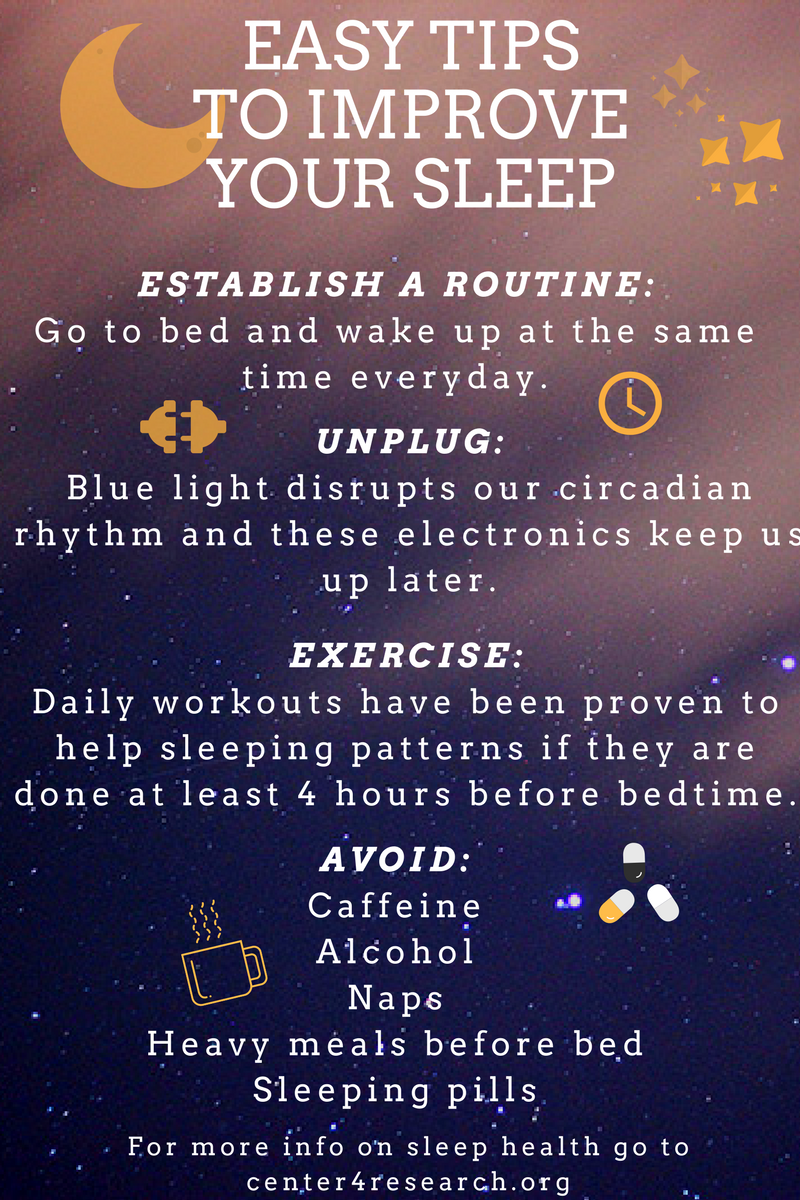
- Stick to a sleep schedule: Go to bed and wake up at the same time each day, including weekends, to regulate your body's internal clock and improve the quality of your sleep.
Nutritional Sleep Enhancers
Include sleep-promoting foods in your diet: Sesame seeds, walnuts, and pistachios are good sources of fiber, phytomelatonin (a plant-based version of melatonin), and magnesium, which can help you sleep longer, enjoy better quality sleep, and feel less tired. According to recent studies, dietary habits can play a significant role in improving sleep quality. Foods rich in melatonin, magnesium, and fiber can be beneficial in promoting better rest.
Stay Active, Stay Relaxed
- Regular physical activity: Engage in gentle yoga, stretching, or low-intensity exercise in the late afternoon or early evening to promote relaxation and prepare your body for sleep.
- Pre-bedtime stretches: Gently stretch your muscles before bed to release tension and calm your mind.
Maintain a Sleep-Friendly Environment

Optimize your sleep space: Create a cool, quiet, and dark environment that promotes relaxation and improves sleep quality.
Manage Stress and Anxiety
Practice relaxation techniques: Engage in activities that help you relax, such as meditation, deep breathing exercises, or progressive muscle relaxation.
Seek Professional Help When Needed
Consult a sleep specialist: If you continue to struggle with sleep, consult a healthcare professional or a sleep specialist to rule out underlying sleep disorders, such as insomnia, sleep apnea, restlessness, or narcolepsy.
Final Tips for Better Sleep
- Limit caffeine intake: Avoid consuming caffeine in the late afternoon or evening to prevent disrupting your sleep patterns.
- Stay hydrated: Drink plenty of water throughout the day to maintain a healthy body and promote better sleep.