How Long is Medicine Still Good: A Comprehensive Guide
Medication expiration dates are a source of confusion for many people. While it's common to think that expired medications are no longer safe or effective, the truth is more complex. In this article, we'll explore the concept of medication expiration dates, how long medicine is still good, and the factors that affect its potency.
The Basics of Medication Expiration Dates
Medication expiration dates are set by the manufacturer, usually based on the time it takes for the medication to degrade and lose its potency. However, this doesn't necessarily mean that the medication becomes unsafe or ineffective immediately after the expiration date.
According to the U.S. Food and Drug Administration (FDA), most medications are still safe to use for several years after the expiration date. In fact, a study published in the Journal of Pharmaceutical Sciences found that 90% of more than 100 drugs, both prescription and over-the-counter, were perfectly good to use even 15 years after the expiration date.
Factors Affecting Medication Potency
Several factors can affect a medication's potency over time, including:
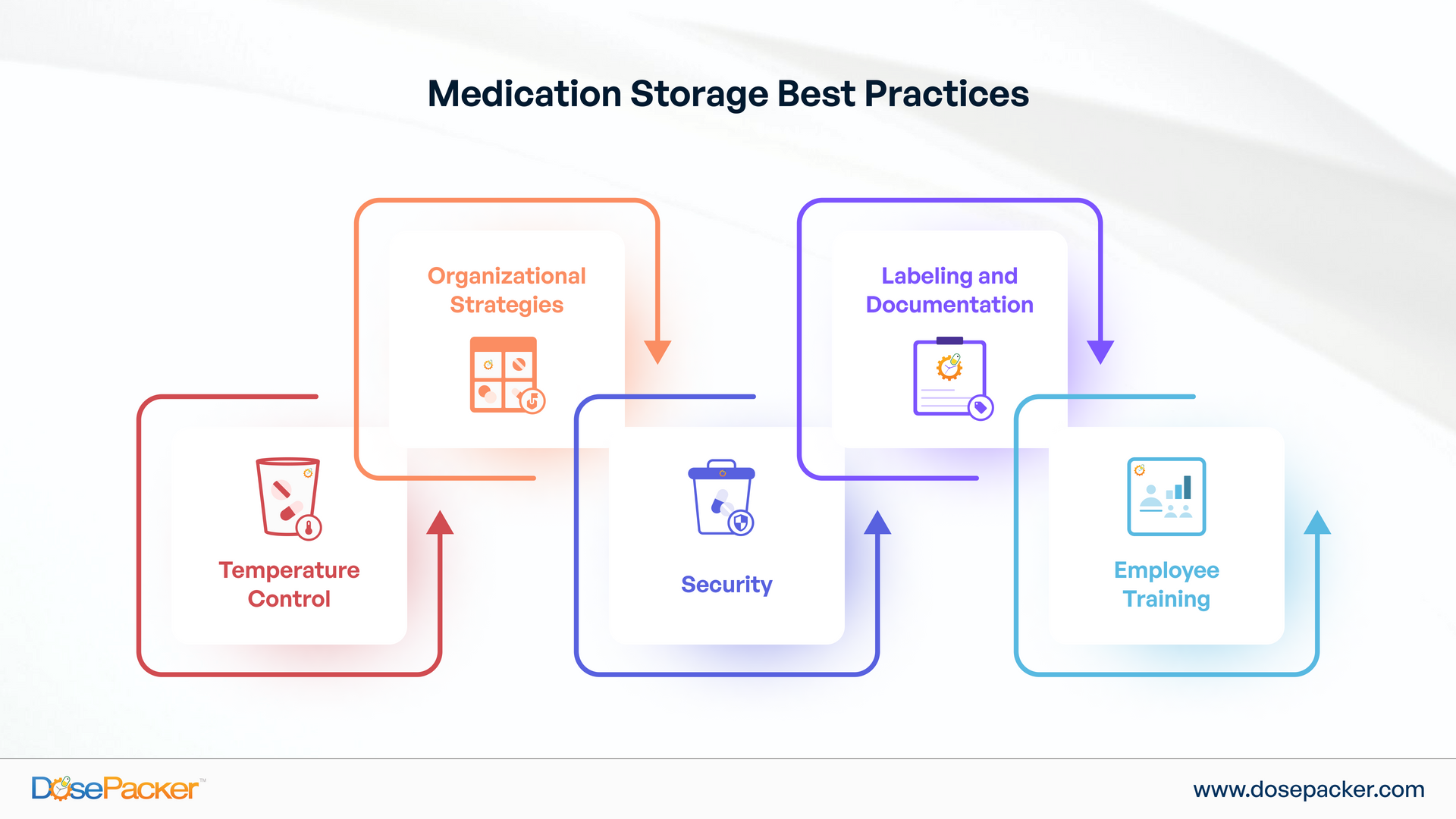
- Storage conditions: Medications that are exposed to high temperatures, humidity, or light may degrade faster than those stored in a cool, dry place.
- Packaging: Medications that are packaged in airtight containers or blister packs may retain their potency longer than those in glass bottles or cardboard boxes.
- Manufacturer's formulation: Some medications are formulated to be more stable than others, even when exposed to environmental stressors.
- Handling and transportation: Medications that are handled and transported improperly may be exposed to conditions that can cause them to degrade faster.
How Long is Medicine Still Good?

While the exact shelf life of a medication depends on various factors, here are some general guidelines:
- Liquids: Most liquids, including cough syrup and insulin, have a shorter shelf life than other medications and should be discarded after 1 to 2 years.
- Powders and pills: Many powders and pills, including antibiotics and antihistamines, can remain effective for 2 to 5 years after the expiration date.
- Capsules and tablets: These types of medications can retain their potency for 2 to 10 years or more, depending on the specific formulation.
What to Do with Expired Medications
While expired medications may still be safe to use, it's essential to exercise caution and consult with a healthcare professional before taking any medication that has exceeded its expiration date. Here are some tips:
- Check the expiration date: Make sure you have the correct expiration date for the medication, as some medications have multiple expiration dates.
- Consult with a healthcare professional: Discuss your medication options with a healthcare professional, who can advise you on the safety and efficacy of expired medications.
- Follow proper storage guidelines: Store medications in a cool, dry place, away from direct sunlight and heat sources.
- Dispose of medications properly: If you're unsure about the safety or efficacy of an expired medication, dispose of it properly and obtain a new prescription or medication.
Conclusion
Medication expiration dates are not a guarantee that a medication is no longer safe or effective. By understanding the factors that affect medication potency and following proper storage guidelines, you can ensure that your medications remain effective and safe to use. If you're unsure about the safety or efficacy of an expired medication, consult with a healthcare professional for advice.