Consequences of Excessive Screen Time: Why Limited Screen Use is Crucial
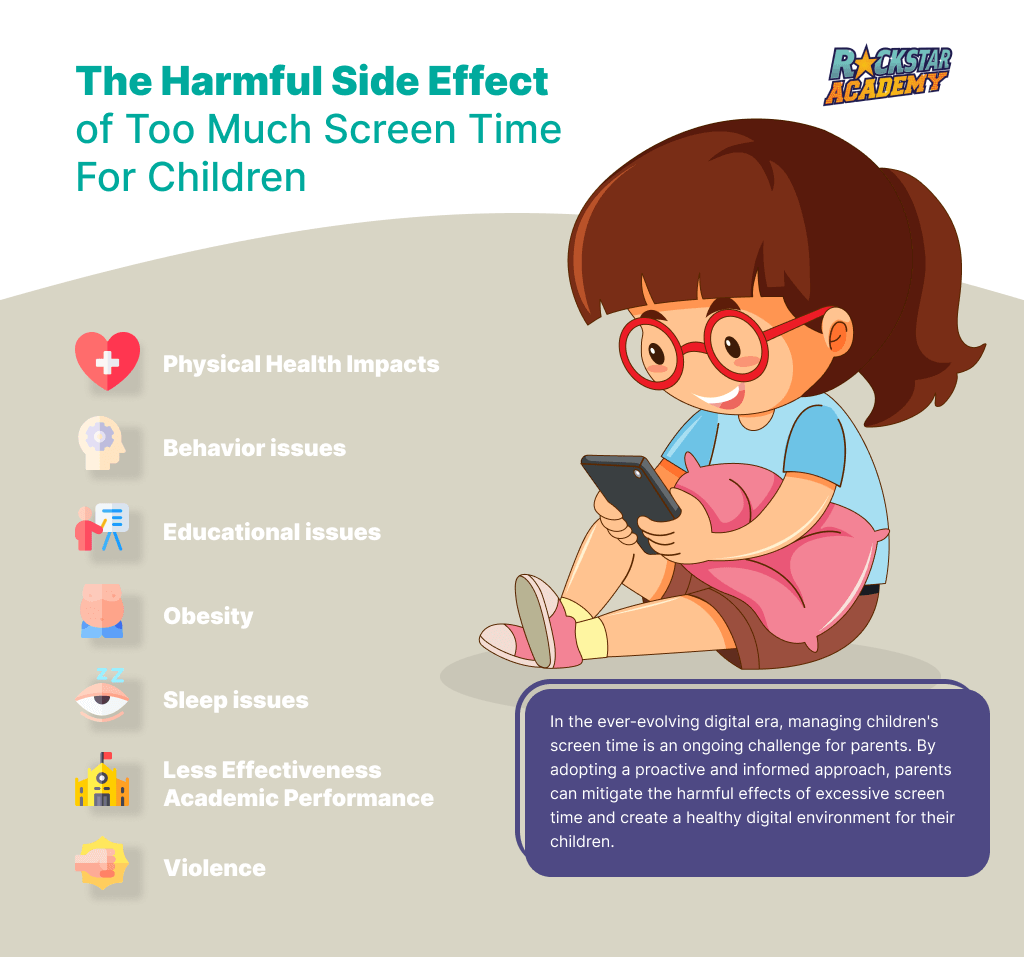
Excessive screen time has become a growing concern in modern society, with the proliferation of digital devices contributing to increased sedentary behavior and potential hazards to physical health, mental health, and overall well-being.
Physical Health Consequences
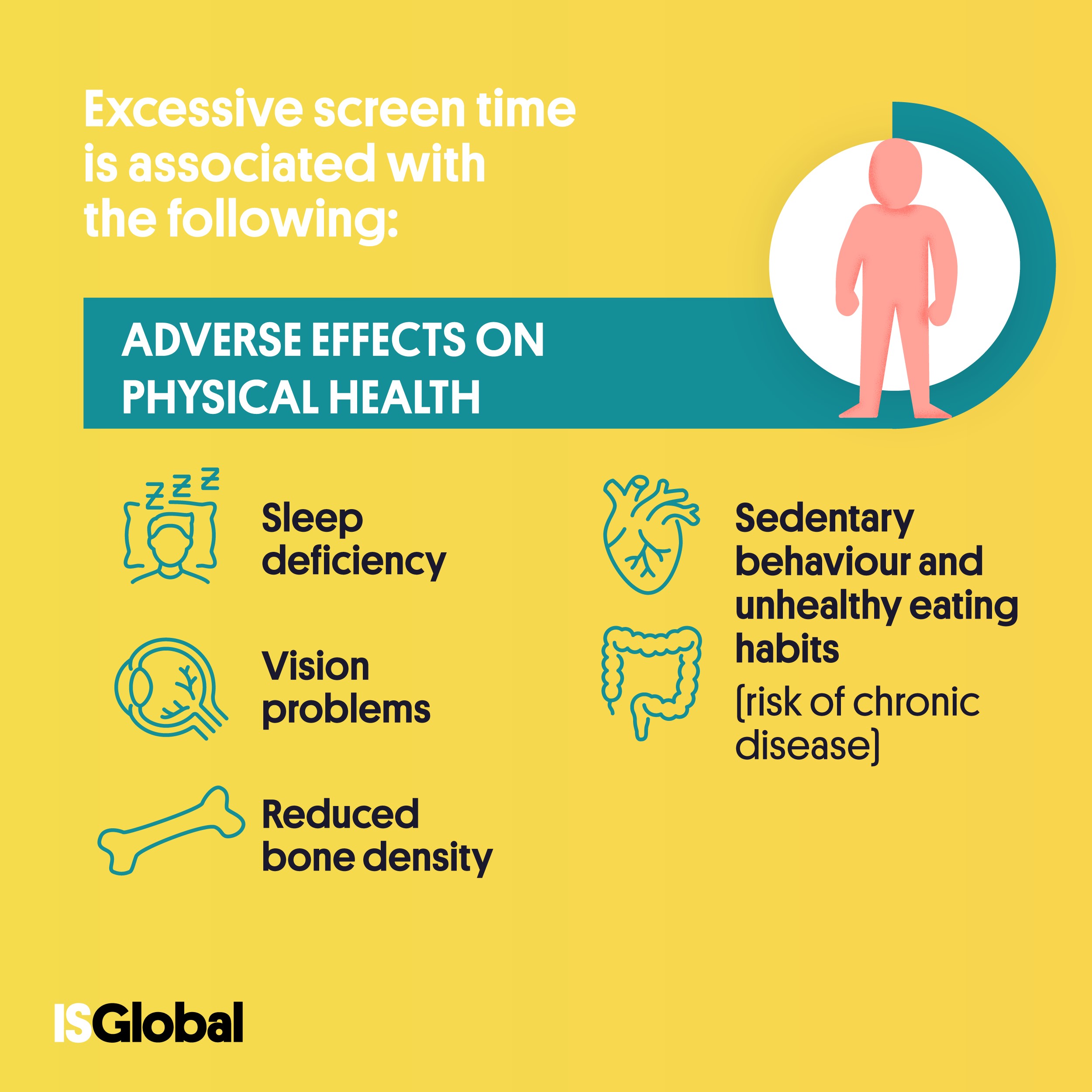
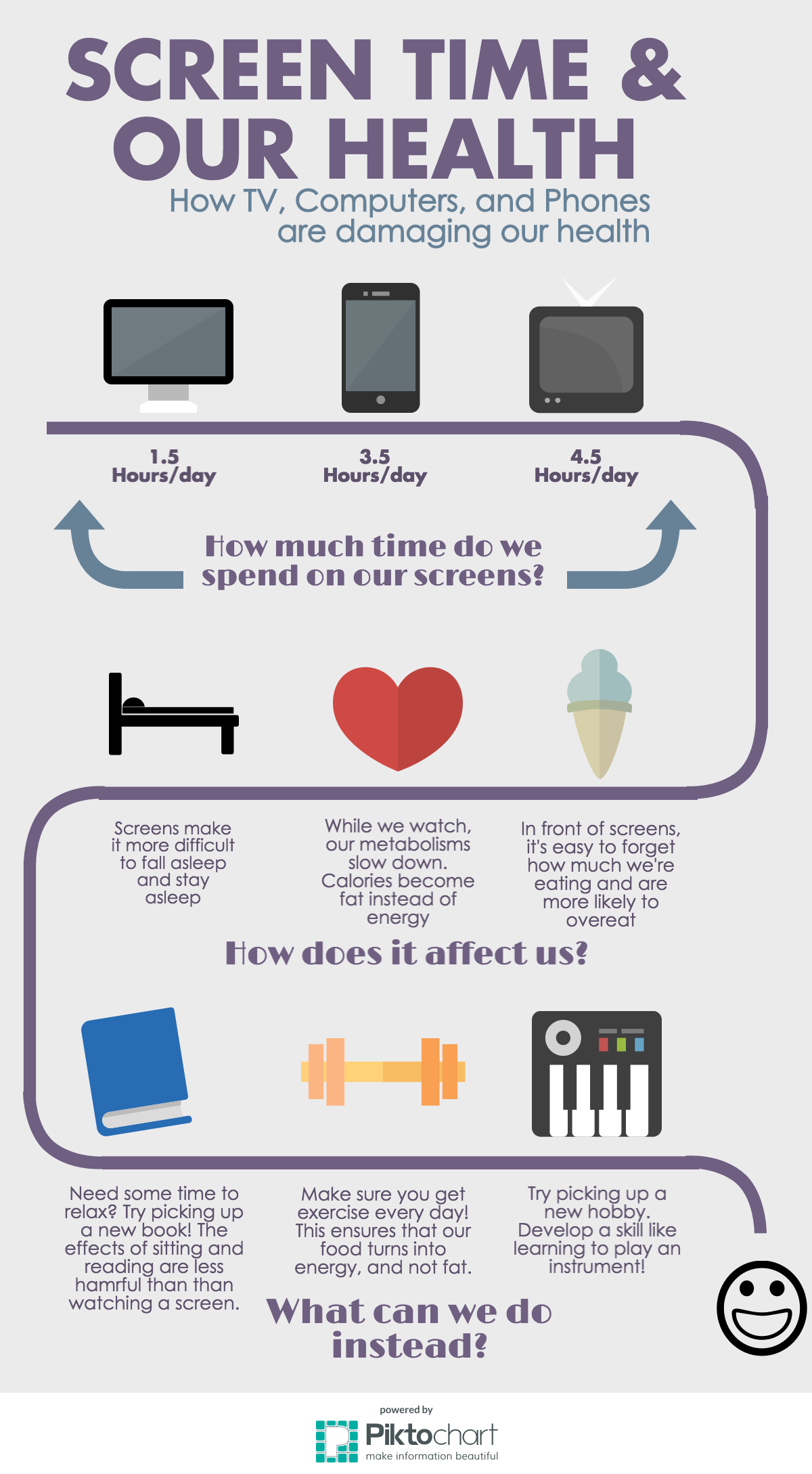
- Sleep deprivation: Excessive screen time can disrupt sleep patterns, leading to fatigue, decreased cognitive function, and other health problems
- Weight gain/obesity: Prolonged sitting and lack of physical activity can contribute to weight gain and obesity
- Cardiovascular disease: Excessive screen time has been linked to an increased risk of cardiovascular disease, including high blood pressure and heart disease
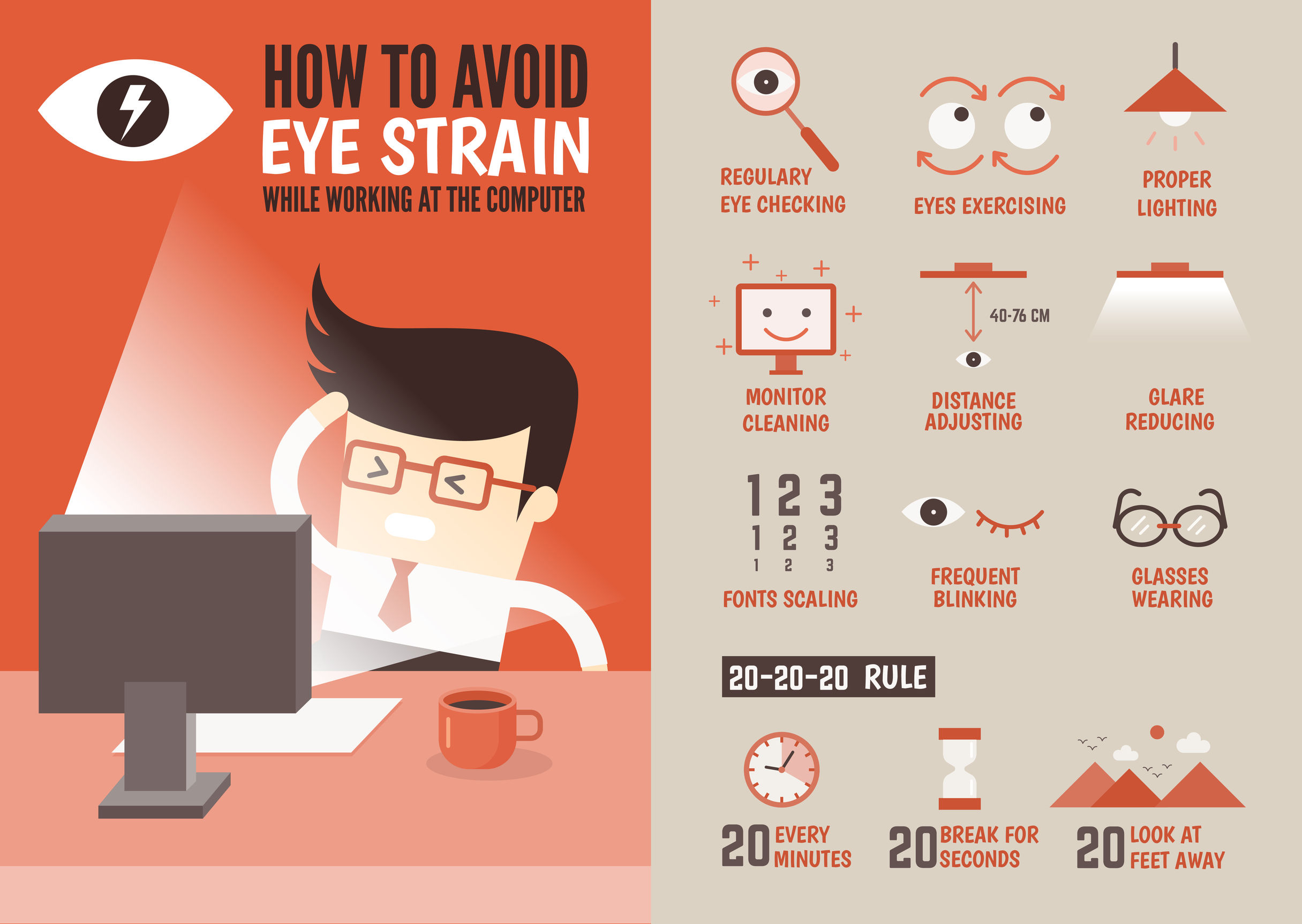
- Eye strain and vision problems: Staring at screens for extended periods can cause eye strain, headaches, and blurred vision
- Impaired motor skills: Excessive screen time can lead to delayed fine-motor skills development in young children
Mental Health Consequences
- Anxiety and depression: Excessive screen time has been linked to increased symptoms of anxiety and depression in adolescents and adults
- Attention deficit hyperactivity disorder (ADHD): Prolonged screen time can contribute to the development of ADHD symptoms, including inattention and hyperactivity
Relationship and Social Consequences
- Decreased face-to-face interaction: Excessive screen time can lead to a decrease in face-to-face interaction, which is essential for building social skills and strengthening relationships
- Miscommunication and conflict: Excessive screen time can lead to miscommunication, conflict, and decreased emotional intimacy in relationships
Long-term Consequences
- Reduced cognitive abilities: Excessive screen time has been linked to a reduction in cognitive abilities, including attention, memory, and executive function
Prevention and Mitigation Strategies
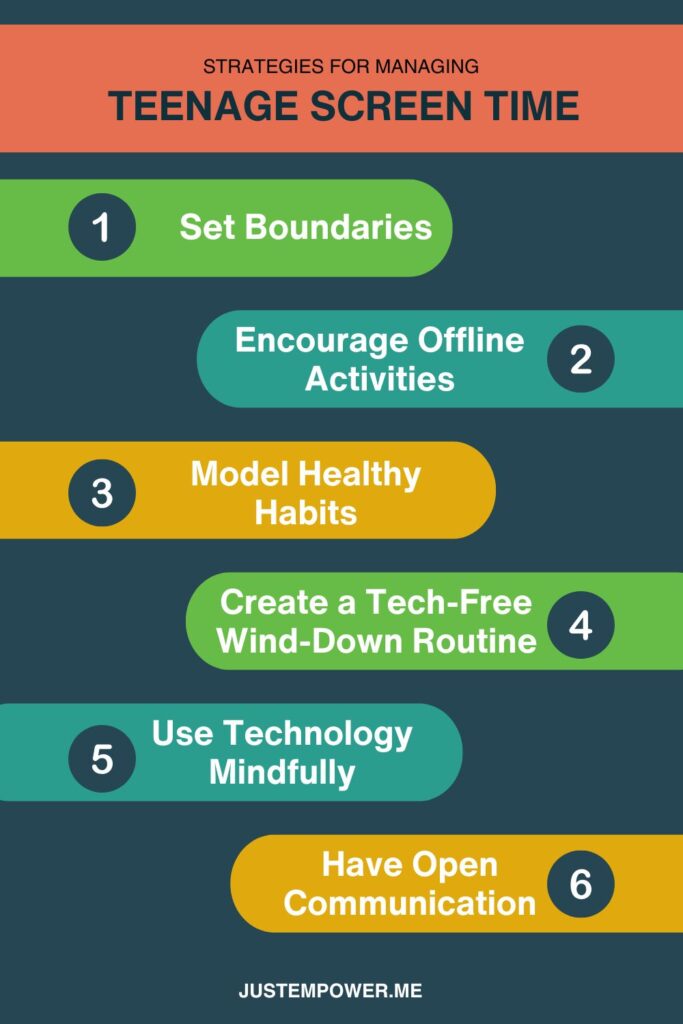
To mitigate the consequences of excessive screen time, implement the following strategies:
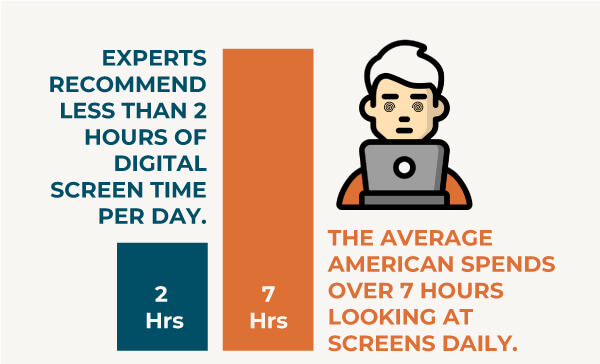
- Set screen time limits: Establish screen time limits for yourself and your family members, and enforce them consistently
In conclusion, excessive screen time has been linked to a range of physical, mental, and social health consequences, including sleep deprivation, weight gain, cardiovascular disease, anxiety and depression, and decreased relationships and social interaction. Implementing prevention and mitigation strategies, such as setting screen time limits, encouraging physical activity, and creating screen-free zones, can help reduce the negative consequences of excessive screen time and promote a healthy, balanced lifestyle.