Can I Take Expired Cough Medicine?
As the winter months approach, it's not uncommon for us to reach for over-the-counter medications to alleviate symptoms like coughs, colds, and allergies. But have you ever wondered what happens when the expiration date of these medications has passed? Is expired cough medicine still safe to use?
Understanding Expiration Dates
Expiration dates on medications are set by the manufacturer to ensure the product remains potent and effective until a certain point. However, it's essential to note that the expiration date is not a safety date but rather a potency date. In most cases, medications are still safe to use after the expiration date, but their effectiveness may be reduced.
Storing Medications Properly
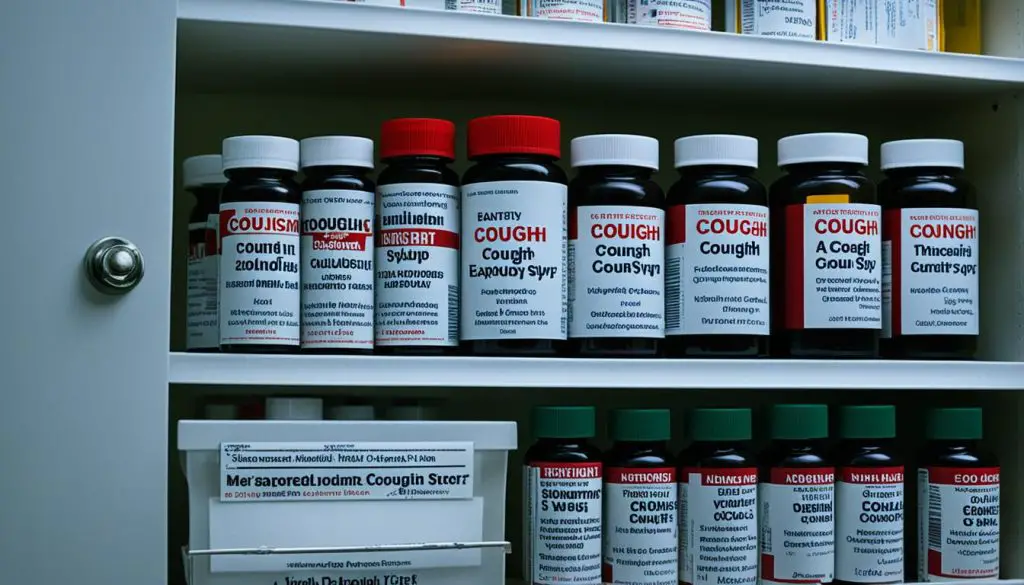
The way you store your medications can affect their potency and effectiveness. Medications that are stored properly, away from light, heat, and moisture, may retain their potency for a longer period. It's crucial to keep medications in their original containers, tightly sealed, and labeled correctly.
Types of Medications and Expiration Dates
- Prescription Medications: Generally, prescription medications, including cough medicines, should be discarded if they exceed their expiration date. Consult with your pharmacist or doctor for guidance on safely disposing of expired prescription medications.
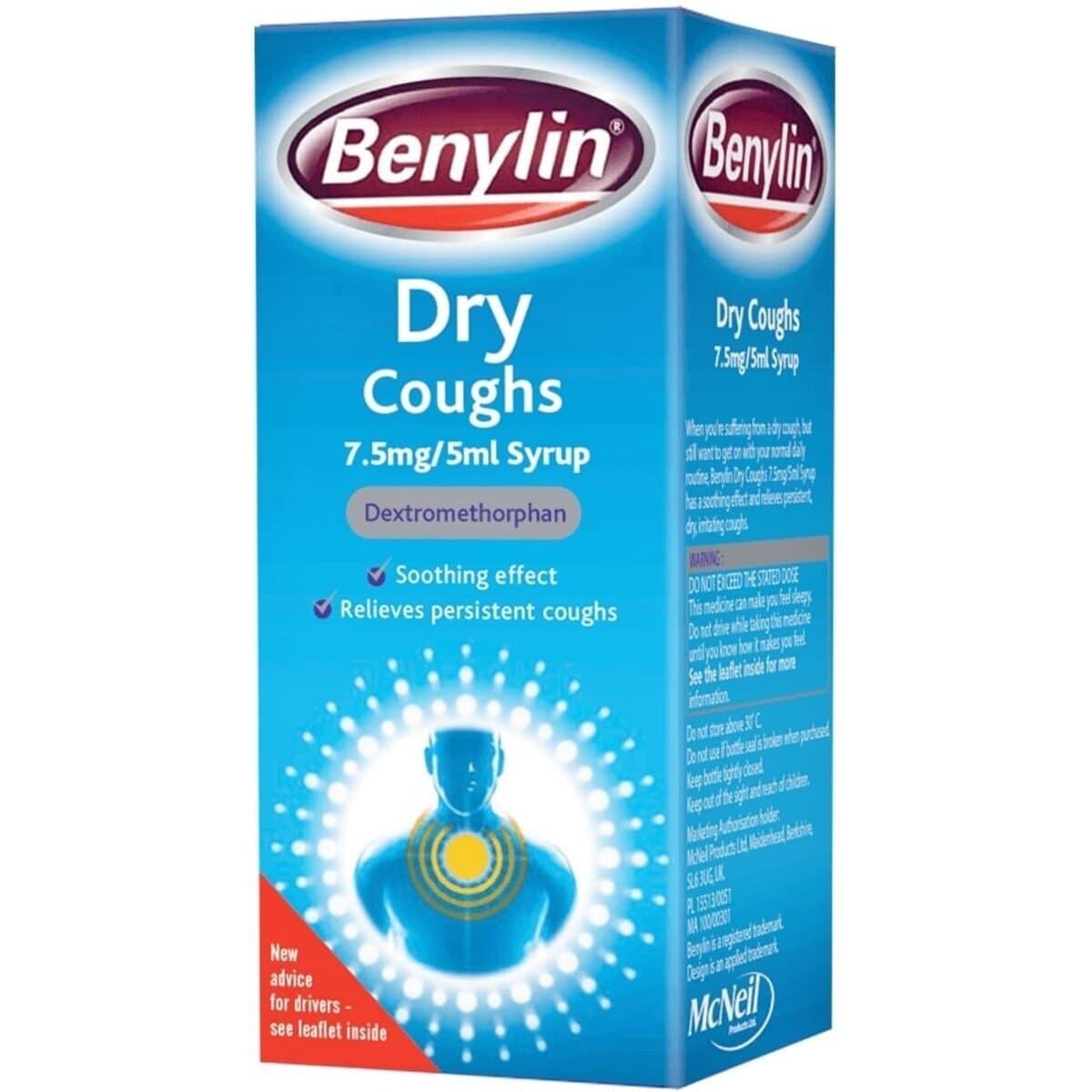
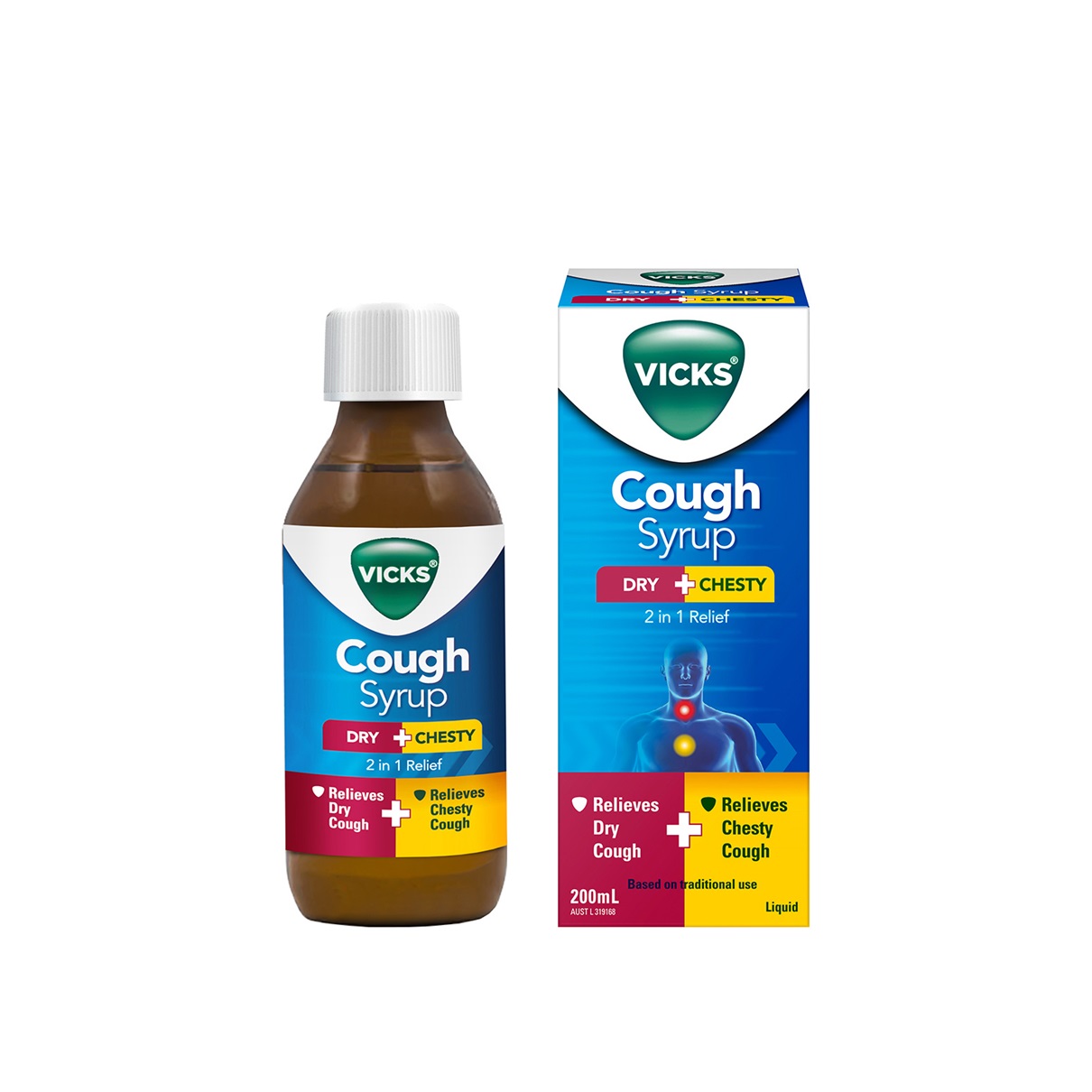
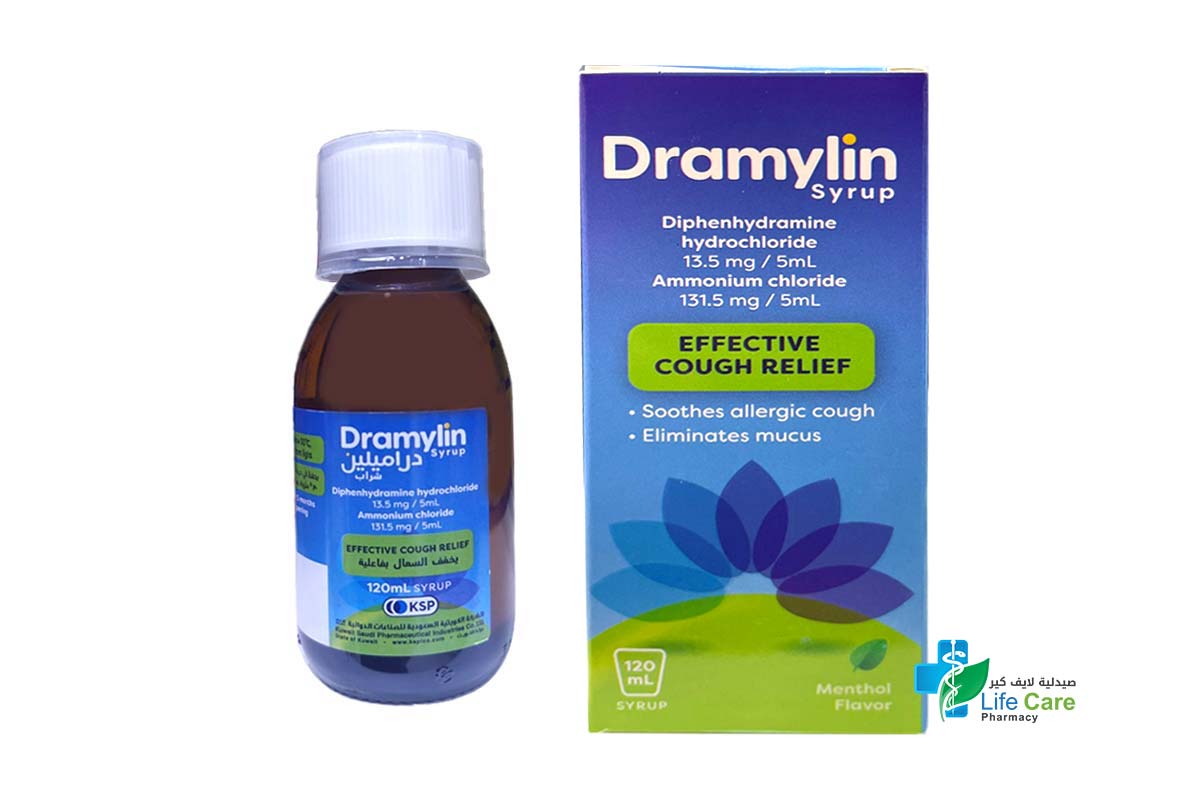
- Over-the-Counter (OTC) Medications: OTC medications like cough syrup can be a bit more forgiving when it comes to expiration dates. However, it's still essential to check the expiration date and store the medication properly to maintain its potency.
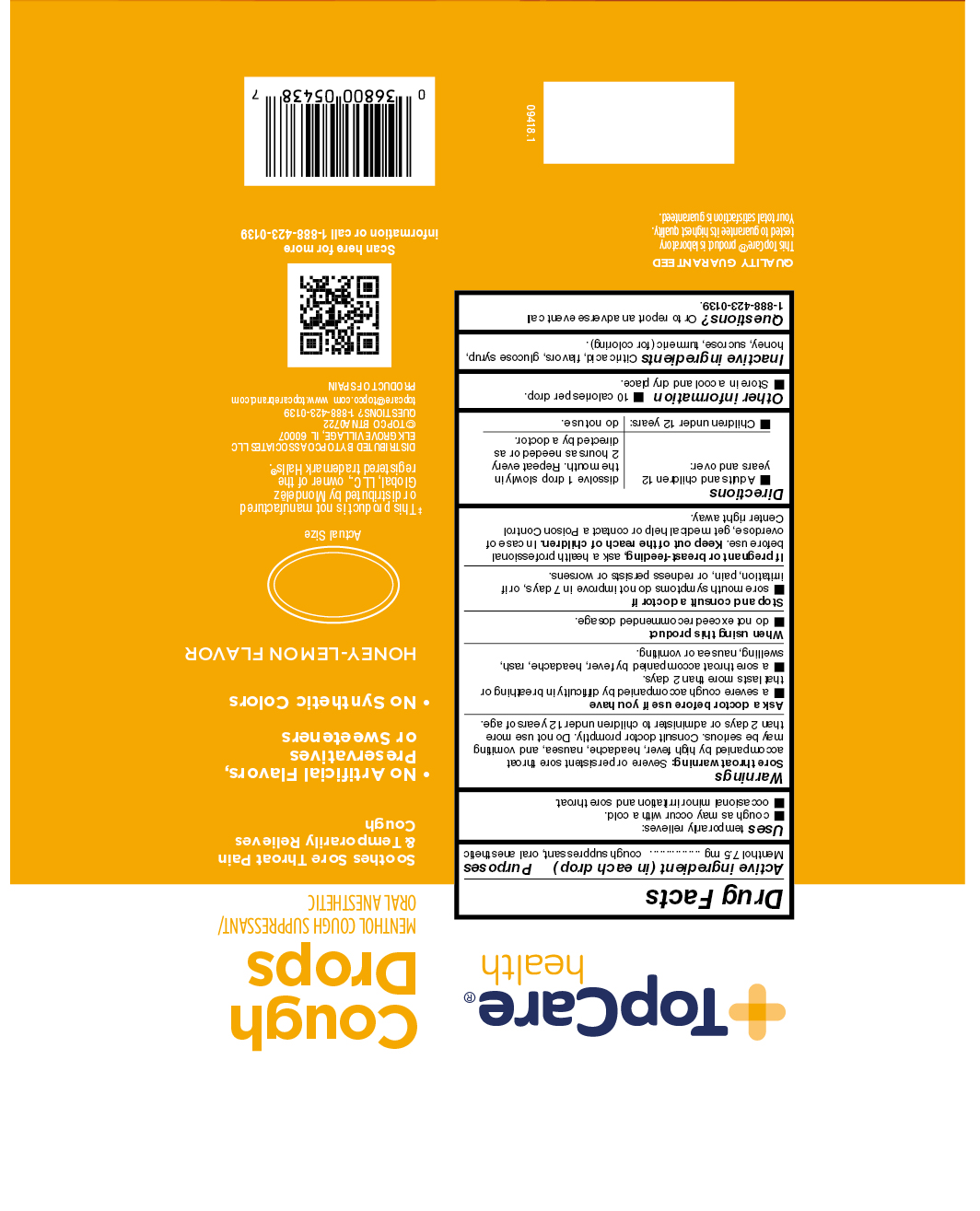
- Expired Cough Drops: While expired cough drops are unlikely to cause harm, their effectiveness in soothing throat irritation and suppressing coughs may be reduced.
Risks Associated with Expired Medications
While expired medications are generally not toxic, they can still pose some risks:
- Reduced Efficacy: Expired medications may lose their effectiveness in treating your medical condition, which can lead to inadequate treatment and potential harm.
- Contamination: Liquids and creams are more prone to bacterial growth and contamination, especially when exposed to heat, moisture, or light.
- Loss of Potency: Over time, medications can break down and lose their potency, making them less effective in treating your symptoms.
The Bottom Line
If you've used expired cough medicine without incident, it's unlikely to cause serious harm. However, it's essential to remember that expired medications may not work as well, and their effectiveness may be reduced. If you're unsure about the safety or efficacy of your medication, consult with your pharmacist or doctor for guidance.
Disposing of Expired Medications
Proper disposal of expired medications is crucial to prevent accidental ingestion, environmental contamination, and potential harm to others. Consider the following options:
- Drug Take-Back Programs: Participating pharmacies and law enforcement agencies often have designated drop-off locations for expired and unused medications.
- Household Trash: Mix expired medications with an undesirable substance like dirt, kitty litter, or used coffee grounds, place them in a sealed plastic bag, and dispose of them in the household trash.
- Proper Storage: Store your medications properly to maintain their potency and effectiveness, away from heat, moisture, and light.
Conclusion
The safety and efficacy of expired cough medicine depend on various factors, including the type of medication, storage conditions, and individual circumstances. While expired medications are generally not toxic, their reduced effectiveness can still lead to inadequate treatment and potential harm. By understanding expiration dates, storing medications properly, and disposing of expired medications safely, you can ensure your treatments are effective and safe.
Additional Resources
- Food and Drug Administration (FDA): Disposing of Unused Medicines
- Centers for Disease Control and Prevention (CDC): Get Rid of Old Medications
- World Health Organization (WHO): Adverse Effects of Using Expired Medicines