Can Dogs Take Benadryl for Itching?
Are you thinking of giving your furry friend Benadryl to relieve their itching symptoms? While Benadryl can be a helpful treatment for allergies and itchiness in humans, it's essential to weigh the pros and cons before administering it to your dog. In this article, we'll dive into the world of Benadryl for dogs, exploring its benefits, risks, and proper dosage.
Understanding Benadryl for Dogs
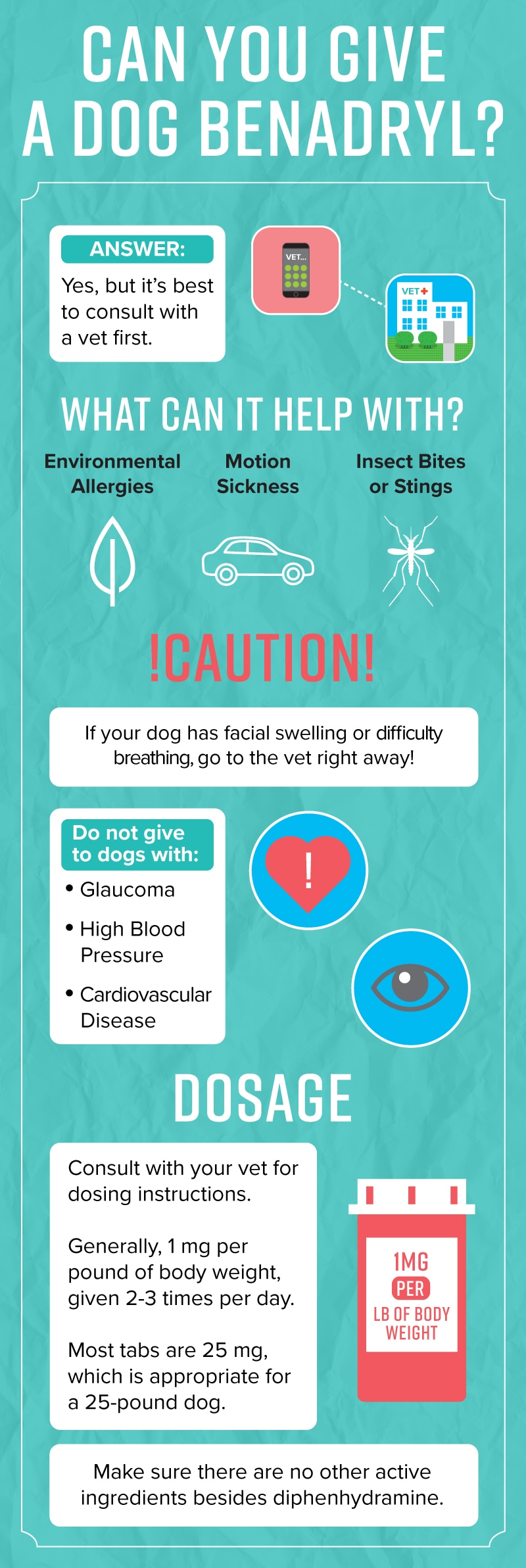
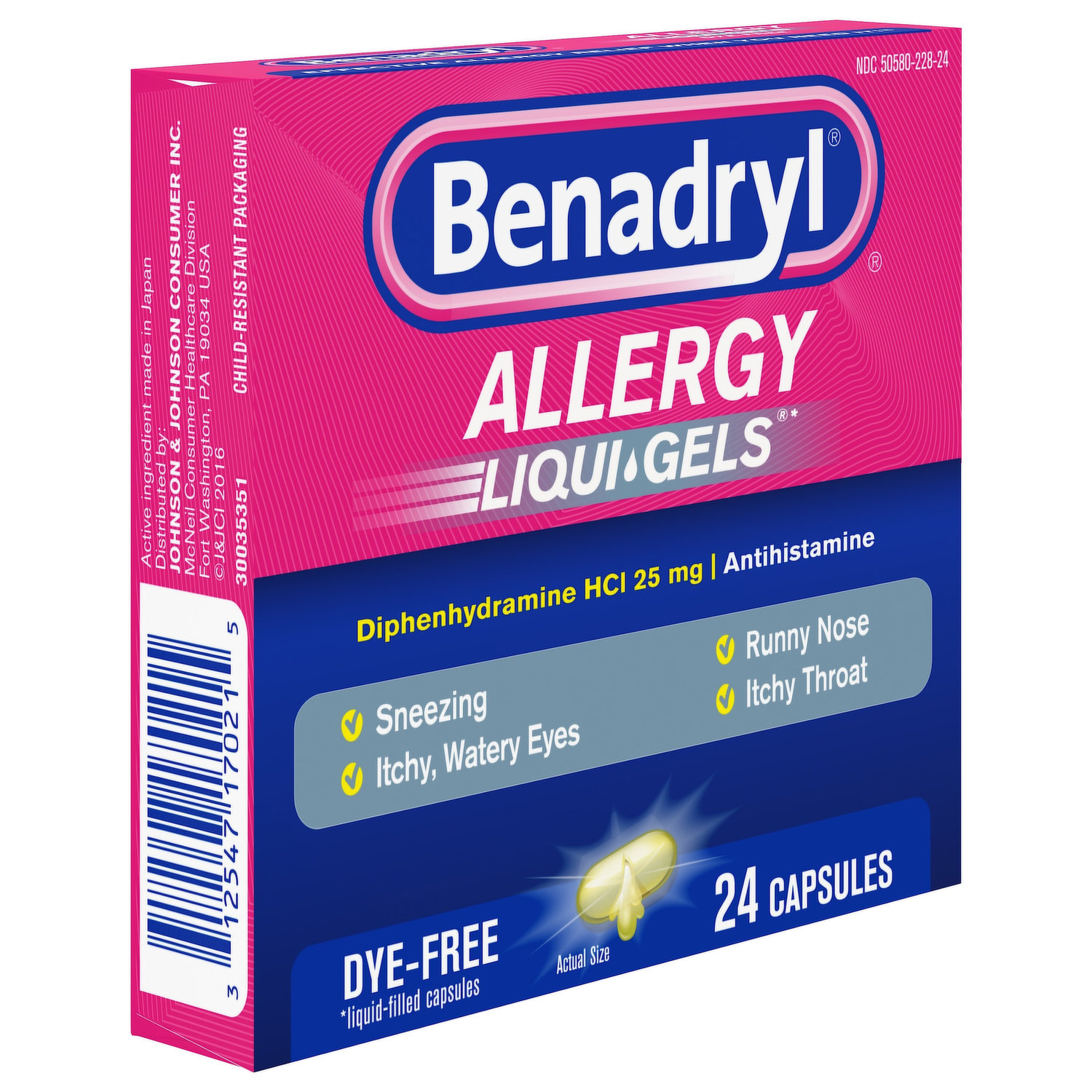
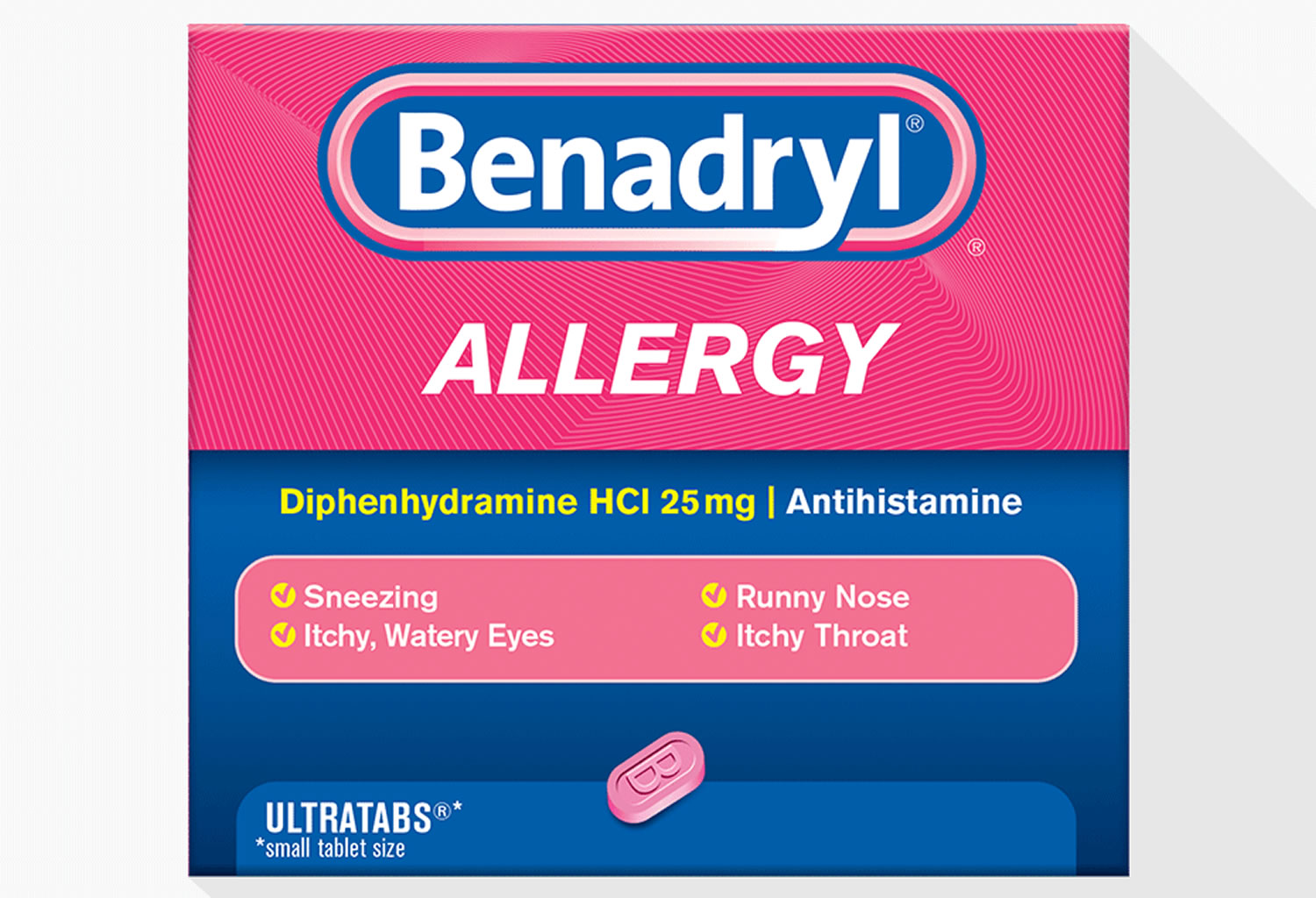
Benadryl, also known as diphenhydramine, is an antihistamine that can help alleviate allergy symptoms in humans. In dogs, it's commonly used to treat mild to moderate environmental allergies, itching, hives, and hotspots. Benadryl works by reducing the immune system's response to allergens, providing relief from itching, scratching, and other symptoms.
Benefits of Benadryl for Dogs
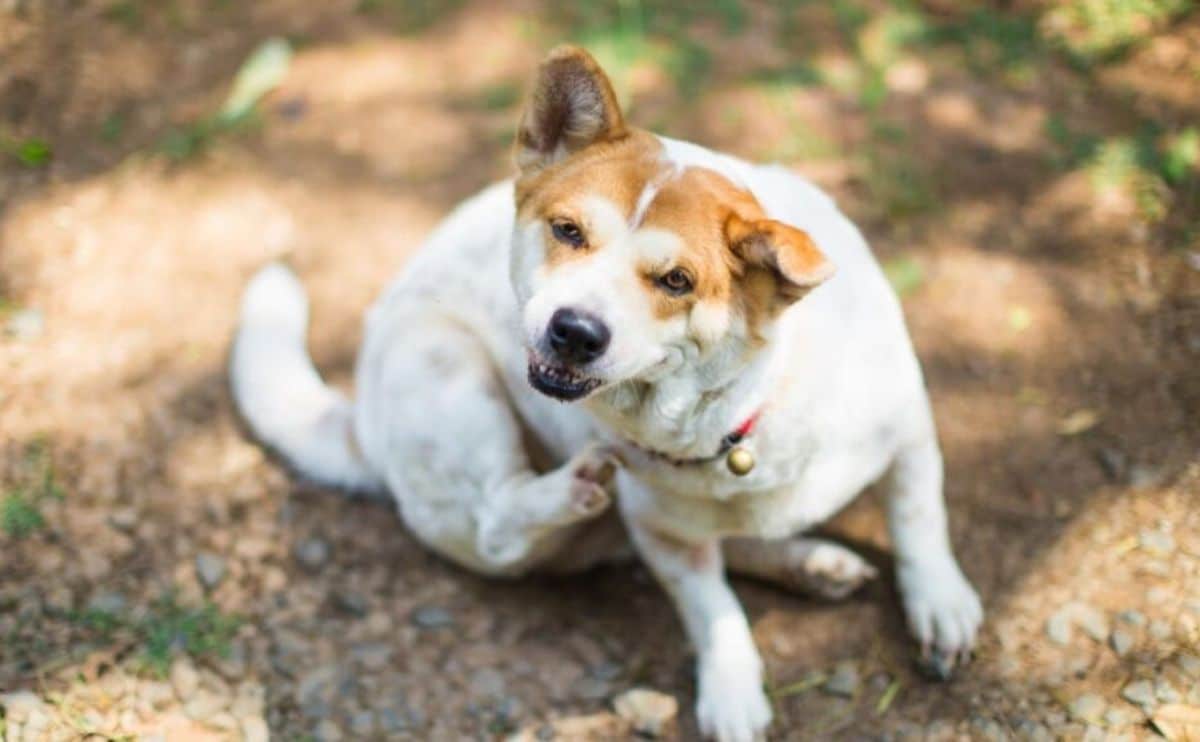
- Relieves itching and scratching caused by skin allergies
- Reduces hives and hotspots
- Provides temporary relief from mild to moderate environmental allergies
- Can help with motion sickness in dogs
Risks and Side Effects of Benadryl for Dogs
- Sedation and drowsiness
- Dry mouth and constipation
- Increased heart rate and blood pressure
- Can interact with other medications, such as sedatives and anesthetics
Can Dogs Take Benadryl for Itching? Yes, But with Care
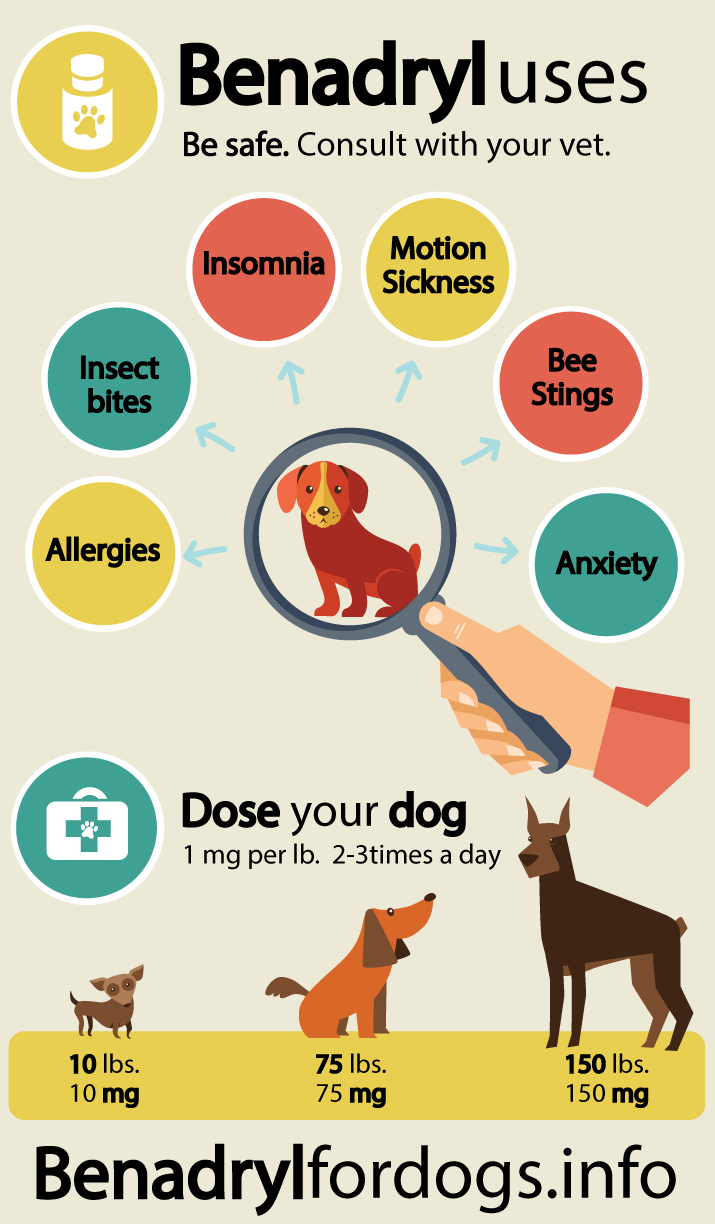
While Benadryl can be a helpful treatment for itchiness in dogs, it's crucial to use it under a veterinarian's guidance. The correct dosage and administration are essential to avoid any potential risks or side effects. The recommended dosage for dogs is 1 mg per pound of body weight, taken every 12 hours as needed.
Important Considerations Before Administering Benadryl to Your Dog
- Always consult with a veterinarian before giving Benadryl to your dog
- Use plain diphenhydramine without decongestants or alcohol
- Administer Benadryl according to the recommended dosage and schedule
- Monitor your dog's behavior and watch for any signs of side effects
Time It Takes for Benadryl to Take Effect in Dogs
The time it takes for Benadryl to take effect in dogs with itching can vary depending on several factors, including the dosage, severity of the itching, and individual dog response. It's essential to be patient and monitor your dog's behavior closely after administering Benadryl.
Conclusion
In conclusion, while Benadryl can be a helpful treatment for itchiness in dogs, it's essential to use it with caution and under a veterinarian's guidance. By understanding the benefits, risks, and proper dosage of Benadryl, you can make informed decisions about your furry friend's health and well-being.
Final Tips and Reminders
Before giving Benadryl to your dog, make sure to:
- Consult with a veterinarian for personalized advice
- Use plain diphenhydramine without decongestants or alcohol
- Administer Benadryl according to the recommended dosage and schedule
- Monitor your dog's behavior and report any signs of side effects to your veterinarian
Remember, your dog's health and well-being are crucial, and it's always better to err on the side of caution when it comes to administering medication.