The Psychology of FOMO: Understanding the Fear of Missing Out
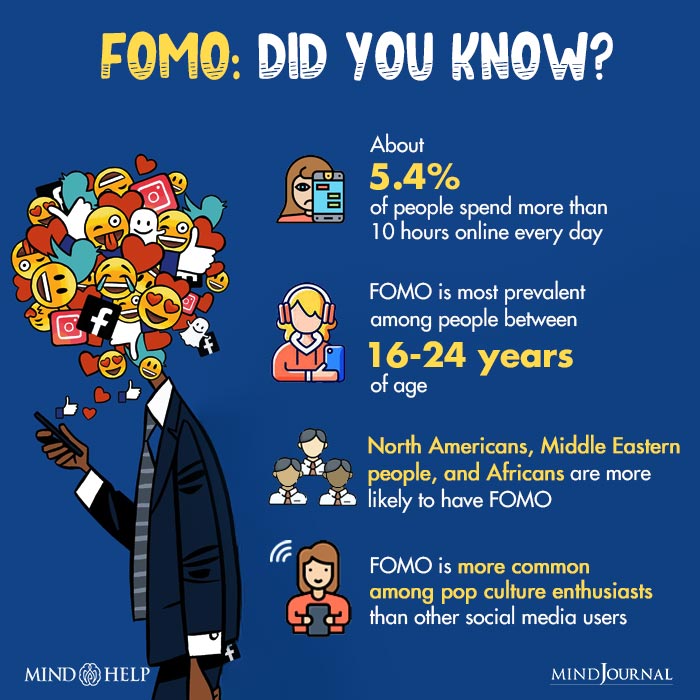
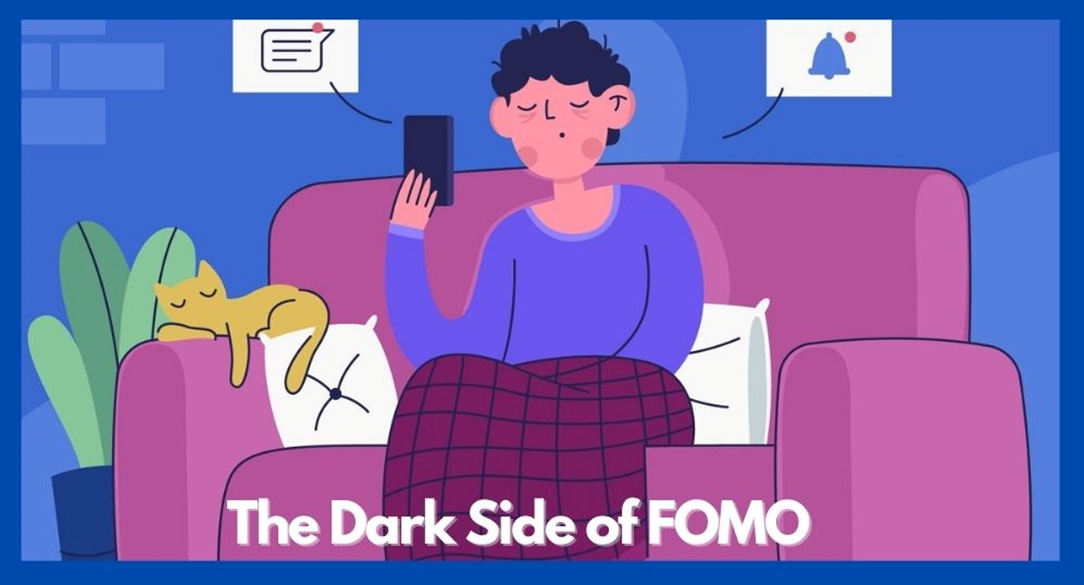
The fear of missing out, or FOMO, is a phenomenon that has become increasingly prevalent in today's digital age. With the rise of social media, it's easier than ever to compare our lives to those of others and feel like we're missing out on important events, experiences, or opportunities. But what is FOMO, and how can we understand its psychological roots?
What is FOMO?
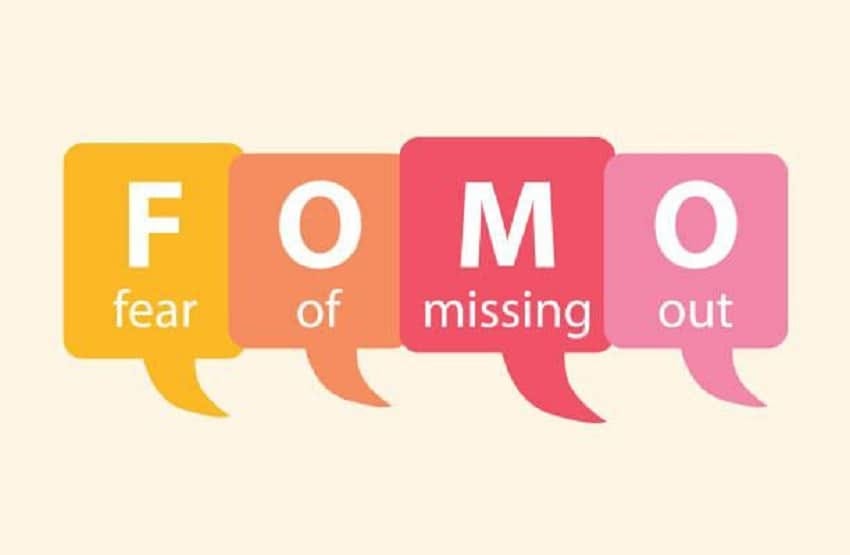
FOMO is the feeling or idea that one is missing out on something important or enjoyable that others are experiencing. It's often exacerbated by social media, where individuals frequently witness the highlights of others' lives, leading them to believe they're missing out on exciting events, opportunities, or social interactions.
The Psychological Factors Behind FOMO
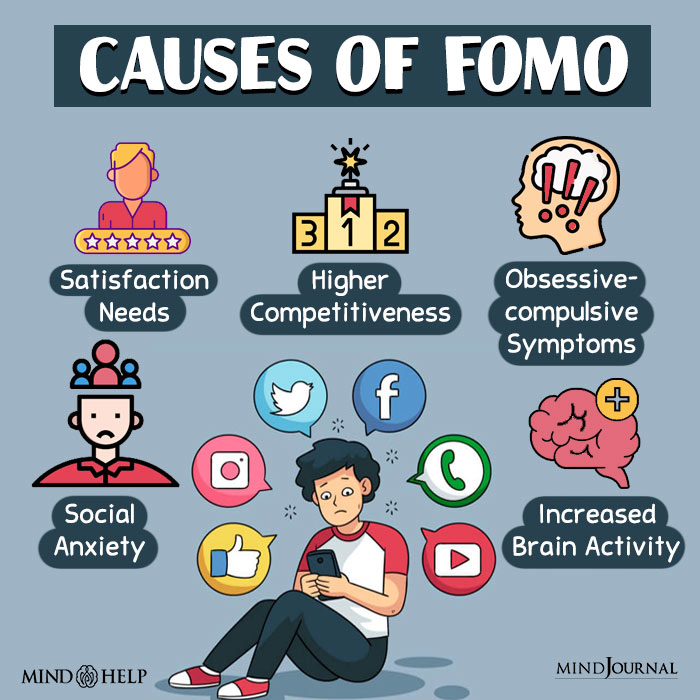
FOMO doesn't arise out of nowhere—it's deeply connected to several psychological factors that influence how we think, feel, and behave in social contexts. Understanding these factors can shed light on why FOMO feels so powerful and pervasive, particularly in the age of social media.
1. Social Comparison
One major driver of FOMO is social comparison, a concept that suggests we tend to evaluate ourselves in relation to others. When we see others' highlight reels on social media, we often feel like we're not measuring up, which can lead to feelings of inadequacy and FOMO.
2. Insecurity and Self-Doubt
FOMO is often rooted in insecurity and self-doubt. When we feel uncertain or insecure about our own lives or choices, we may feel compelled to keep up with others' lives to avoid feeling left behind.
3. Fear of Loss

FOMO is often fueled by the fear of loss, whether that's the fear of missing out on a social event, a business opportunity, or a relationship. This fear can be particularly intense when we're faced with the idea of losing something valuable or meaningful.
4. Social Pressure
Social pressure can also contribute to FOMO. When we see others engaging in certain behaviors or activities, we may feel pressure to do the same, even if it's not something we're interested in or have the time for.
The Impact of FOMO on Mental and Emotional Health
A clinical health psychologist explains how FOMO has a direct impact on your physical, mental, and emotional health. FOMO can lead to feelings of anxiety, depression, and burnout, as well as negatively impact relationships and overall well-being.
Practical Strategies to Manage FOMO
So, how can we manage FOMO and reduce its negative impact on our lives? Here are some practical strategies to consider:
- Set boundaries with social media and limit your use of it.
- Practice self-compassion and self-care.
- Focus on your own goals and aspirations, rather than comparing yourself to others.
- Engage in activities that bring you joy and fulfillment.
- Seek out opportunities to connect with others in meaningful ways.
Conclusion
FOMO is a complex and multifaceted phenomenon that can have a significant impact on our mental and emotional health. By understanding its psychological roots and practical strategies to manage it, we can take control of our lives and reduce the negative effects of FOMO. So, the next time you feel like you're missing out, remember that FOMO is a normal part of life, and it's okay to take a step back and focus on what truly matters.