The Benefits of a Mindfulness-Based Approach to Mental Health
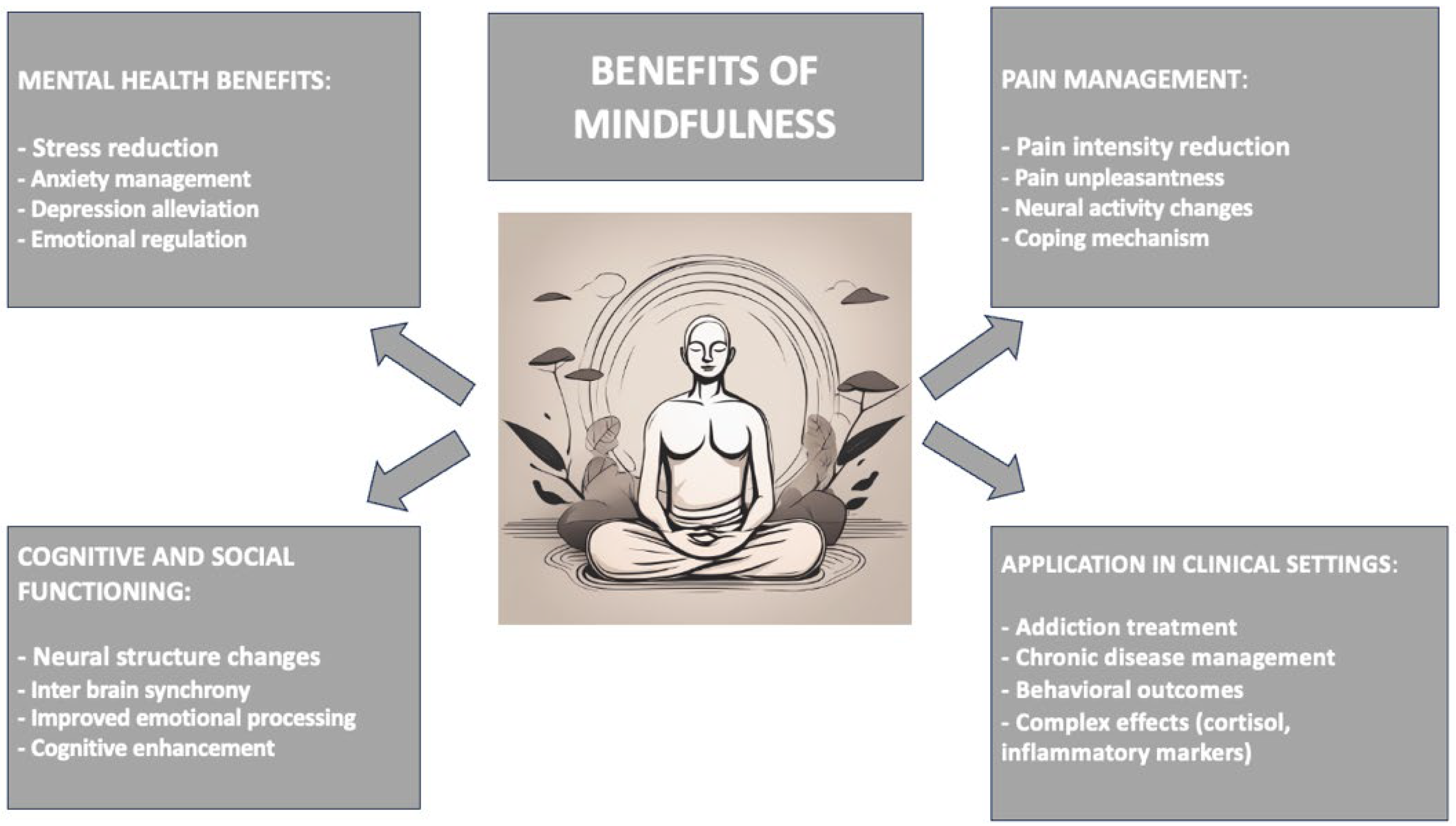
Mindfulness has become increasingly popular in recent years as a holistic approach to managing mental health. By fostering a state of awareness and acceptance, mindfulness has been shown to have numerous benefits, from reducing symptoms of anxiety and depression to enhancing emotional regulation and overall well-being. In this article, we will explore the benefits of a mindfulness-based approach to mental health, including how it can be incorporated into daily life and the key takeaways for individuals looking to adopt this practice.
What is Mindfulness-Based Mental Health?
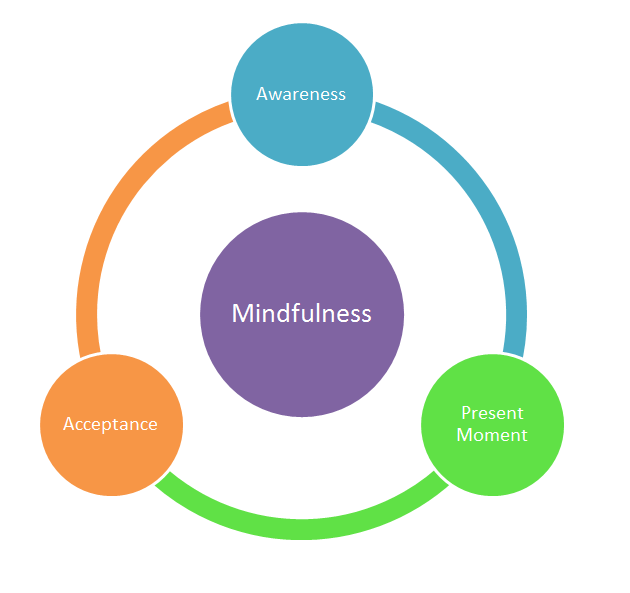
Mindfulness is the practice of paying deliberate, non-judgmental attention to the present moment. This involves cultivating awareness of one's thoughts, emotions, and physical sensations without becoming overwhelmed by them. Through mindfulness, individuals can develop a greater understanding of themselves and their surroundings, leading to increased self-awareness and emotional regulation.
- Mindfulness-Based Stress Reduction (MBSR) is a therapeutic intervention that involves weekly group classes and daily mindful exercises to practice at home over an 8-week period.
- MBSR teaches people how to increase mindfulness through yoga and meditation.
The Benefits of Mindfulness-Based Mental Health
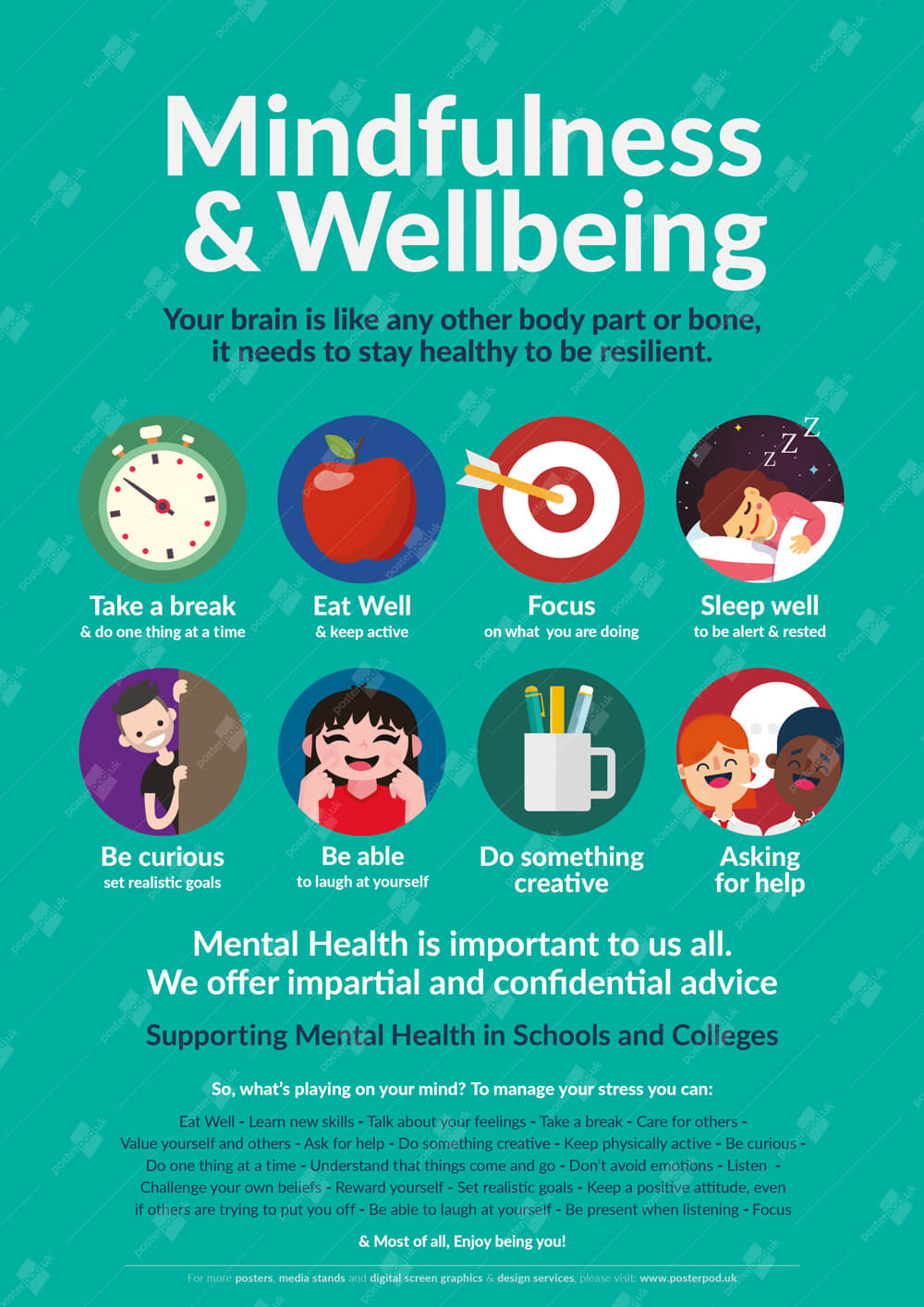
Research has shown that mindfulness-based mental health interventions can have a positive impact on both mental and physical health. Some of the key benefits of mindfulness-based mental health include:
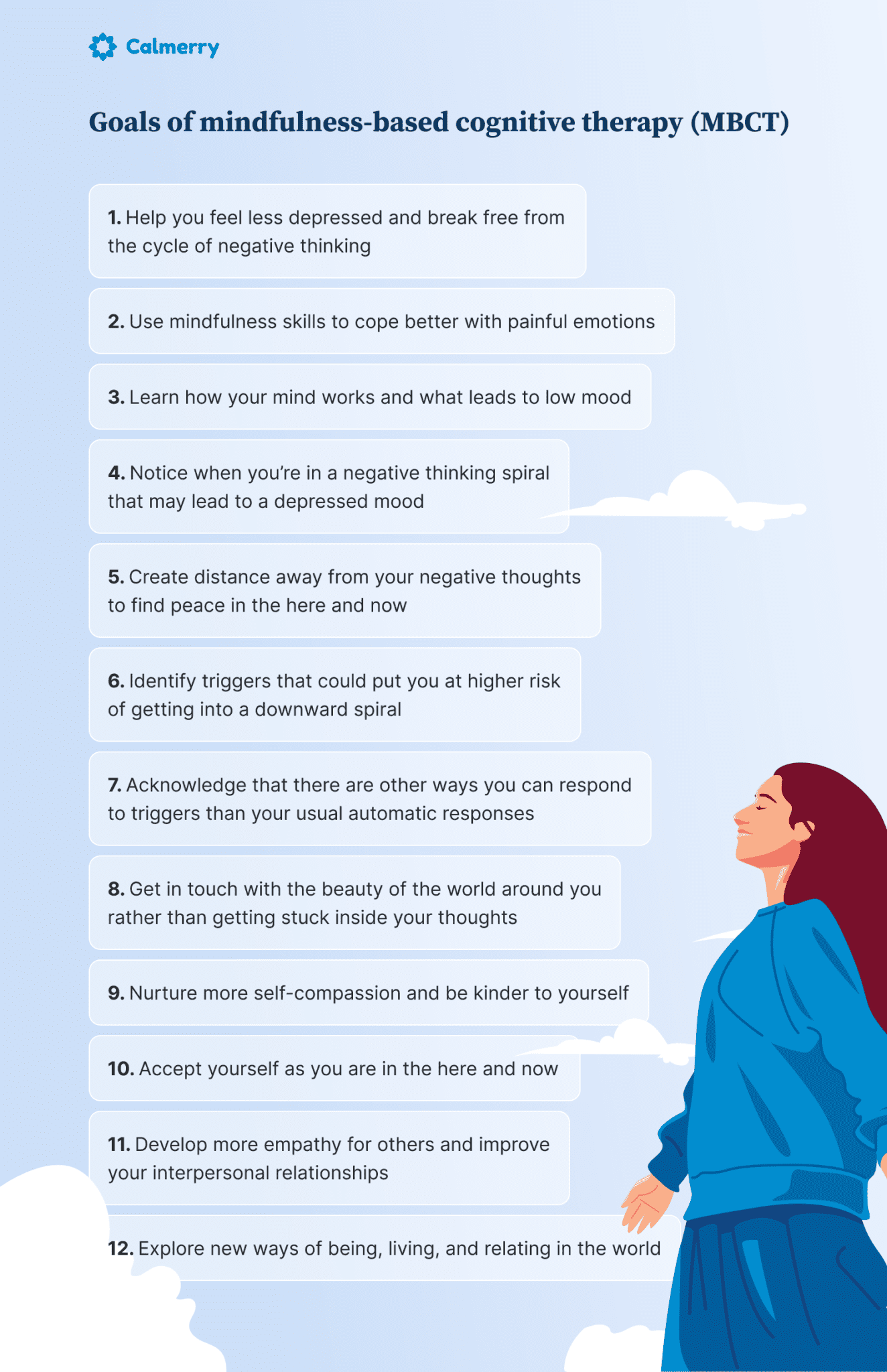
- Reduced symptoms of anxiety and depression
- Improved emotional regulation and self-awareness
- Enhanced cognitive function and memory
- Increased resilience and coping skills
- Improved sleep quality
- Boosted immune system

Why Mindfulness-Based Mental Health is Effective
Mindfulness-based mental health is effective because it addresses the root causes of mental health issues, rather than just treating the symptoms. By teaching individuals to be present in the moment and observe their thoughts and emotions without judgment, mindfulness helps to reduce stress and anxiety, which are common contributors to mental health issues.
How to Incorporate Mindfulness-Based Mental Health into Your Life
There are several ways to incorporate mindfulness-based mental health into your life, including:
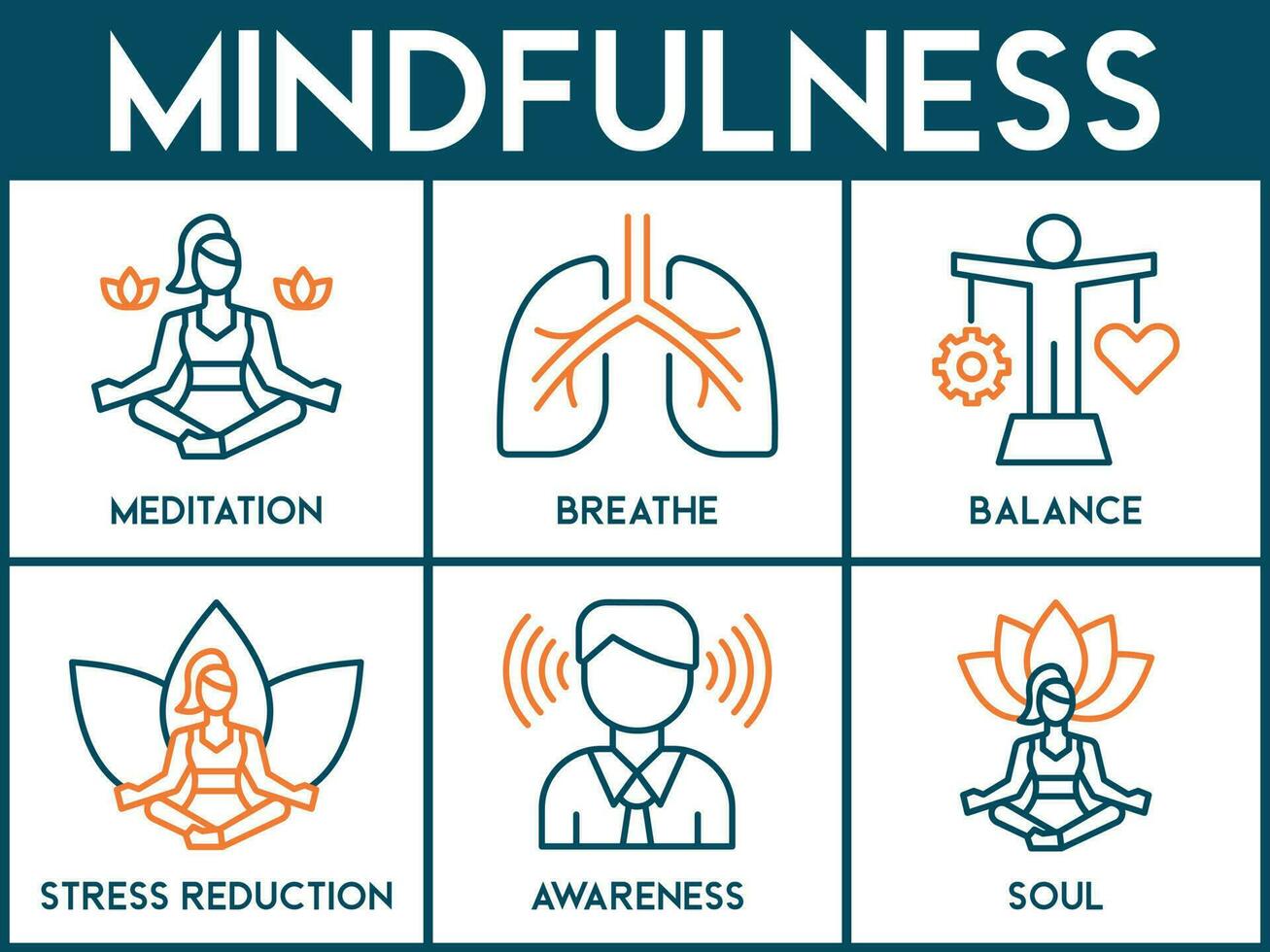
- Practicing meditation or yoga
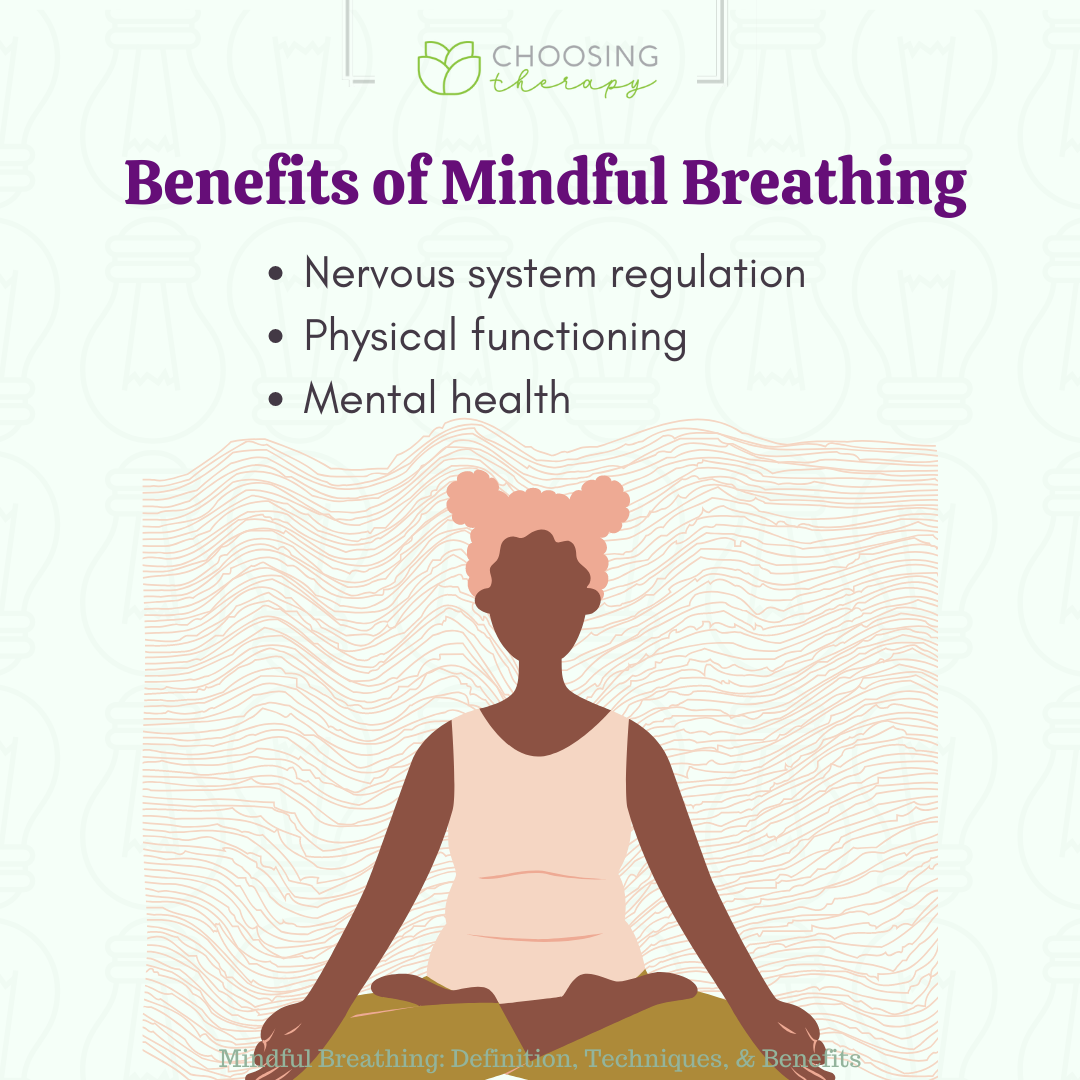
- Engaging in mindful breathing exercises
- Participating in mindful movement activities, such as tai chi or qigong
- Using a mindfulness app or guided meditation
- Keeping a mindfulness journal
Conclusion
The benefits of a mindfulness-based approach to mental health are numerous and well-documented. By incorporating mindfulness practices into daily life, individuals can reduce symptoms of anxiety and depression, improve emotional regulation, and enhance overall well-being. Whether through meditation, yoga, or mindful breathing exercises, there are many ways to experience the benefits of mindfulness-based mental health. By taking the first step and incorporating mindfulness into your life, you can begin to cultivate a greater sense of awareness, acceptance, and inner peace.