Safe Use of Online Event Registration: Best Practices to Protect Attendees and Their Data
With the rise of online events, safe and secure registration processes have become a critical concern for event organizers. As you plan and execute your upcoming event, it's essential to prioritize the safety and security of your attendees and their personal data.
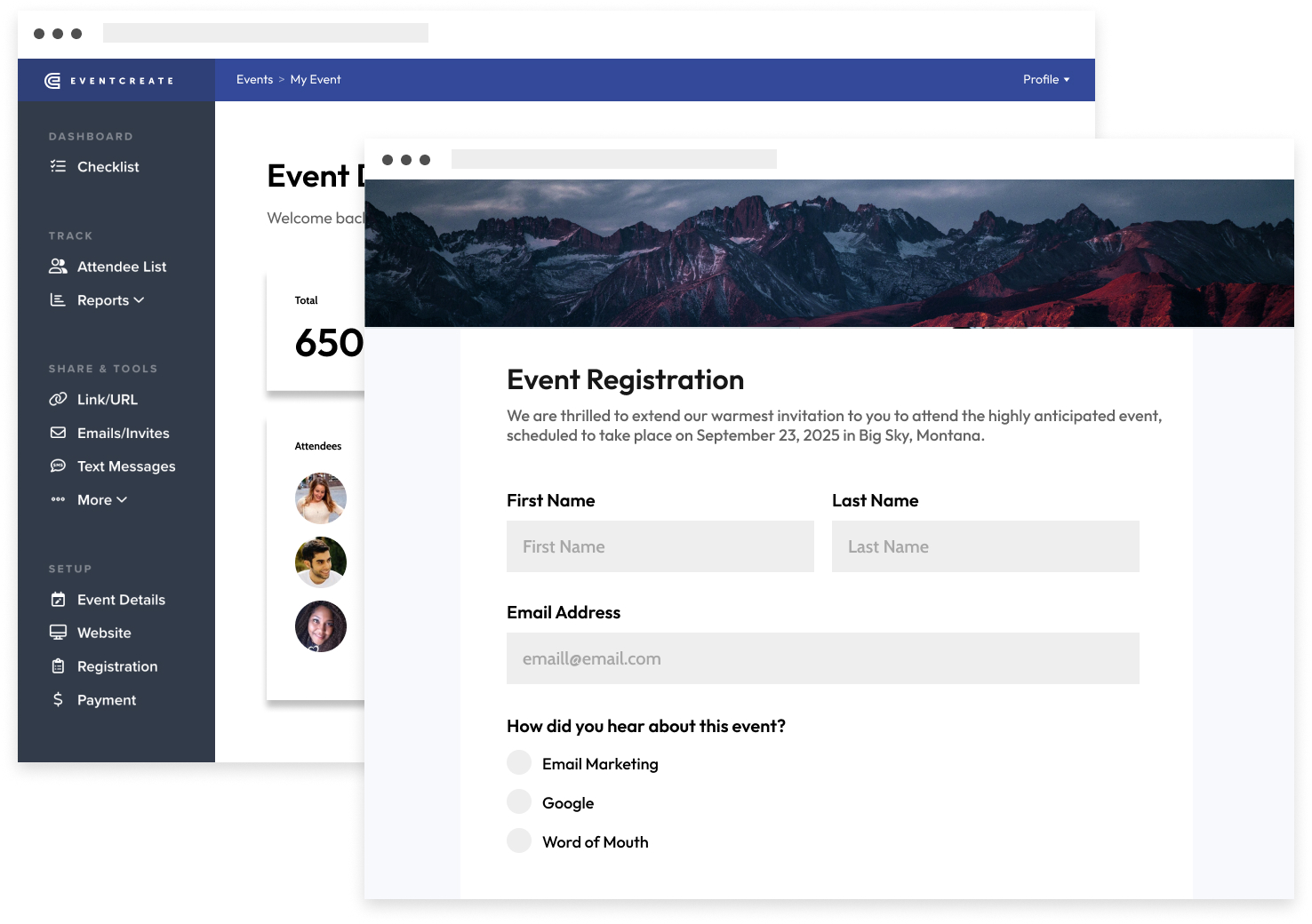
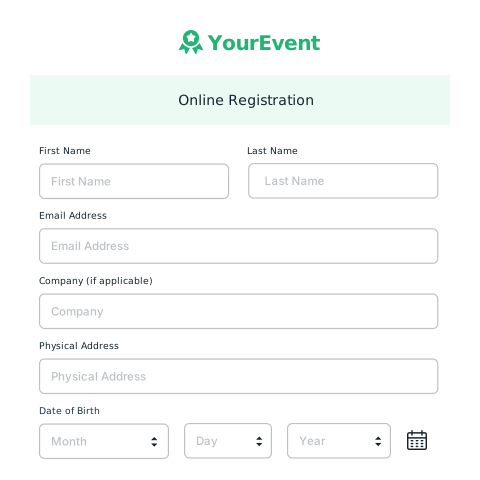
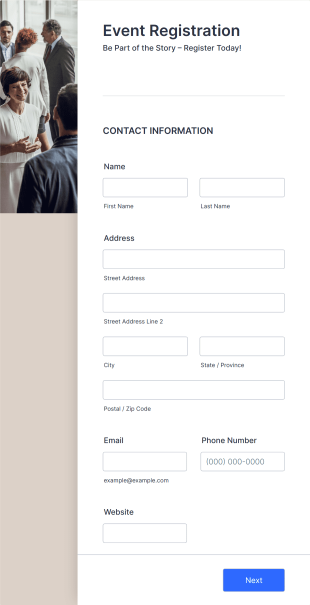
When you register for events, you often provide sensitive personal information such as your name, email address, and company affiliation. This attendee data is valuable for event organizers, but it also needs to be protected from unauthorized access or misuse.
Protecting Attendee Data: Top Tips for Safe Use of Online Event Registration
- Use Secure Registration Platforms: Ensure that you use a reputable and secure online registration platform that adheres to industry standards and best practices for data protection.
- Clear and Transparent Registration Policies: Be open and transparent about how you will use and protect attendee data. Clearly outline your data collection and privacy policies on your registration page.
- Limit Access and Permissions: Restrict access to your event platform and features based on user roles and permissions to prevent unauthorized access and maintain the integrity of your event.
- Regularly Update and Review Security Measures: Regularly update and review your security measures to ensure they are effective and aligned with industry standards.
- Employee and Speaker Expectations: Set clear expectations for employee and speaker behavior during the event, including guidelines for interacting with attendees and maintaining a safe and respectful environment.
- Attendee Pre-Event Information: Provide attendees with clear instructions and guidelines before the event, including information on how to participate safely and securely.
- Real-time Monitoring: Monitor activity in real-time to quickly identify and address any potential security issues or concerns.
Benefits of Safe Online Event Registration
Implementing safe and secure online event registration processes can provide numerous benefits, including:
- Protection of attendee data: By prioritizing data protection, you can ensure that attendee information is secure and confidential.
- Increased trust and credibility: A secure registration process can increase attendee trust and credibility, leading to a more positive experience and a higher level of engagement.
- Reduced risk of data breaches: By regularly updating and reviewing security measures, you can reduce the risk of data breaches and associated reputational damage.
- Improved attendee satisfaction: A safe and secure registration process can lead to a more seamless and enjoyable experience for attendees, increasing their satisfaction and overall engagement.

Best Practices for Safe Online Event Registration
Implement the following best practices to ensure a safe and secure online event registration process:
- Use a secure registration platform that meets industry standards and best practices for data protection.
- Clearly outline data collection and privacy policies on your registration page.
- Limit access to your event platform and features based on user roles and permissions.
- Regularly update and review your security measures.
- Provide clear instructions and guidelines for attendees before the event.
- Monitor activity in real-time to quickly identify and address any potential security issues or concerns.
Conclusion
Safe and secure online event registration is crucial for protecting attendees and their data. By following the best practices outlined above, you can ensure a seamless and enjoyable experience for your attendees while also protecting their personal and sensitive information.
Don't forget, a secure online registration process is the foundation of a successful event. With the right tools and strategies, you can create a safe and engaging experience for your attendees, and set yourself up for success with your next online event.