Ransomware Prevention Techniques For Home: A Comprehensive Guide to Protecting Your Data
Ransomware attacks have become increasingly common and sophisticated, posing a significant threat to individuals and businesses alike. To prevent these attacks and protect your data, it's essential to understand the techniques used by cybercriminals and take proactive measures to secure your home network.
Understanding Ransomware
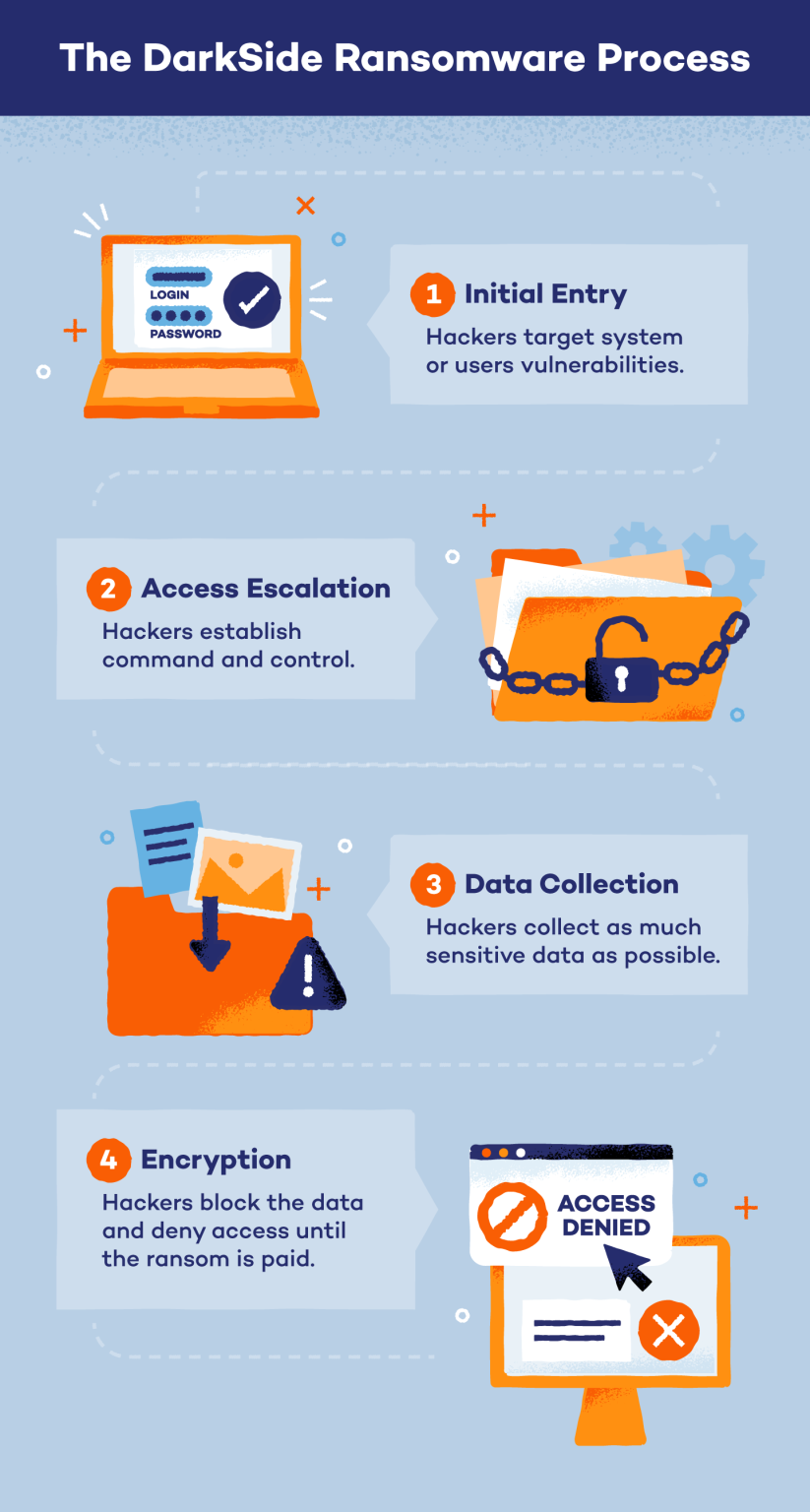
Ransomware is a type of malware that encrypts your files and demands a ransom in exchange for the decryption key. This type of attack can be devastating, as it can render your files and data inaccessible, causing significant disruption to your daily life and business operations.
Prevention is Key
Preventing ransomware attacks is crucial to protecting your data and preventing financial loss. Here are some effective ransomware prevention techniques for home users:
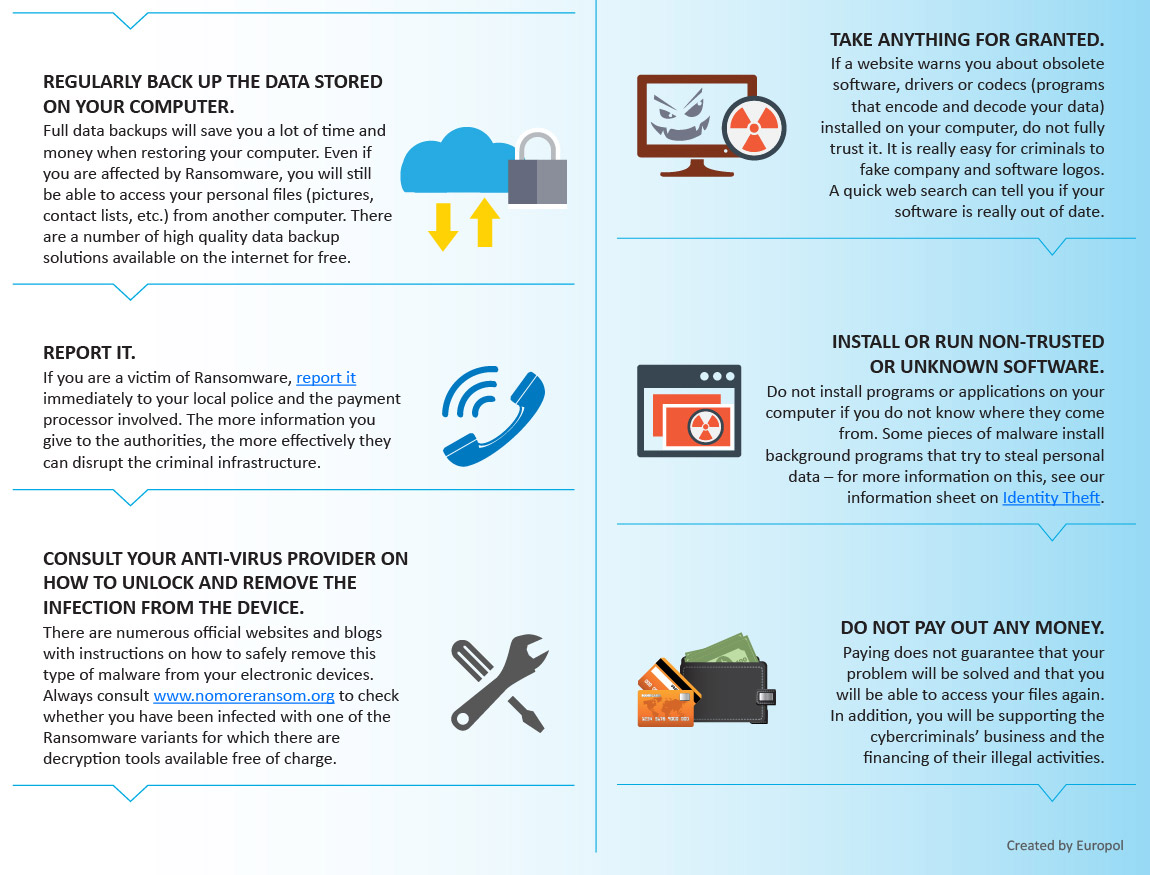
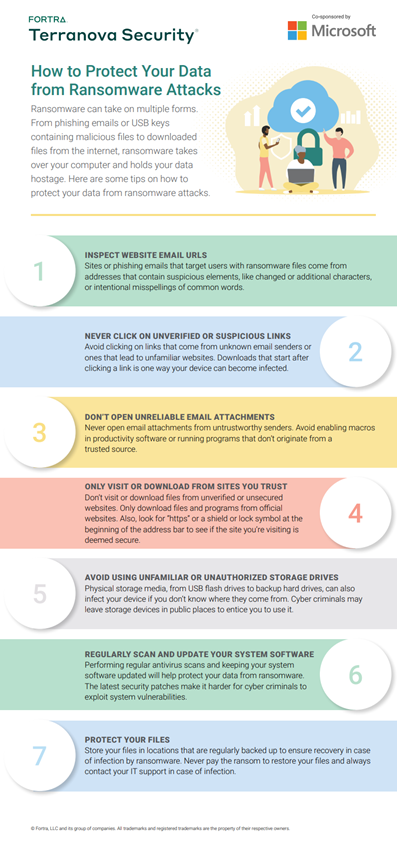
- Use antivirus software: Install reputable antivirus software that includes anti-ransomware features. Regularly update your software to ensure you have the latest protection.
- Keep your operating system and software up-to-date: Ensure that your operating system, browser, and other software are updated with the latest patches and security fixes.
- Use strong passwords and enable two-factor authentication: Use unique and complex passwords for all accounts, and enable two-factor authentication (2FA) to add an extra layer of security.
- Backup your data regularly: Regularly backup your important files to an external hard drive, cloud storage, or both. This will ensure that you can restore your data in case of a ransomware attack.
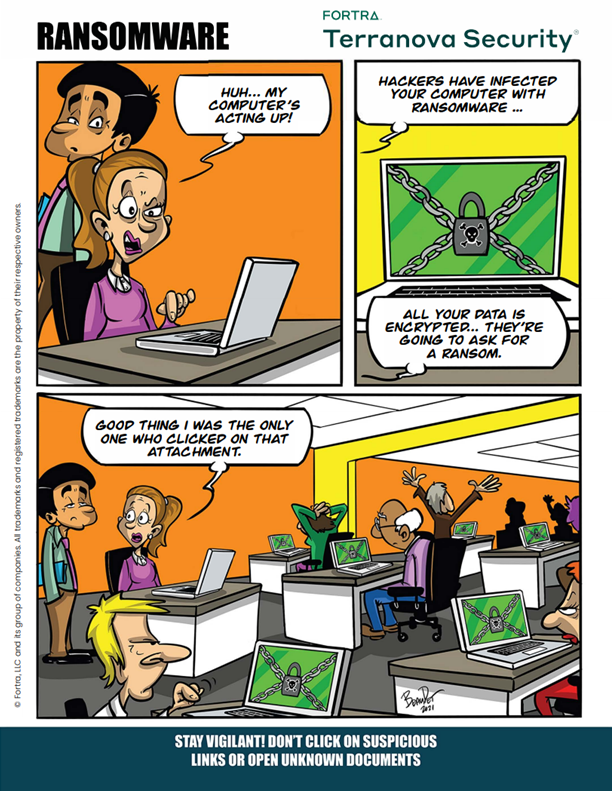
- Be cautious with emails and attachments: Avoid opening suspicious emails and attachments, as they may contain malware or phishing attacks.
- Use a firewall and enable network segmentation: Use a firewall to block unauthorized access to your network, and enable network segmentation to isolate sensitive data and systems.
- Use a secure internet connection: Use a secure internet connection, such as a virtual private network (VPN), when accessing public Wi-Fi networks.
- Monitor your network and systems for suspicious activity: Regularly monitor your network and systems for suspicious activity, such as unusual login attempts or data transfers.
Additional Tips for Home Users

In addition to the above techniques, here are some additional tips for home users to prevent ransomware attacks:
- Use a reputable security suite: Consider using a reputable security suite that includes anti-ransomware features, password management, and other security tools.
- Disable macros in Microsoft Office: Disable macros in Microsoft Office to prevent malicious scripts from running.
- Use a secure browser: Use a secure browser, such as Tor or a browser with built-in security features.
- Avoid using public computers or public Wi-Fi for sensitive activities: Avoid using public computers or public Wi-Fi networks for sensitive activities, such as online banking or shopping.
Conclusion
Ransomware prevention techniques for home users are essential to protecting your data and preventing financial loss. By understanding the techniques used by cybercriminals and taking proactive measures to secure your home network, you can significantly reduce the risk of a ransomware attack. Remember to use antivirus software, keep your operating system and software up-to-date, use strong passwords and enable two-factor authentication, backup your data regularly, and be cautious with emails and attachments. Additionally, consider using a reputable security suite, disabling macros in Microsoft Office, using a secure browser, and avoiding public computers or public Wi-Fi networks for sensitive activities.
Resources
For more information on ransomware prevention techniques and to stay up-to-date with the latest security threats and trends, visit the following resources: