Ransomware Prevention Techniques: Protect Your Organization from the Growing Threat
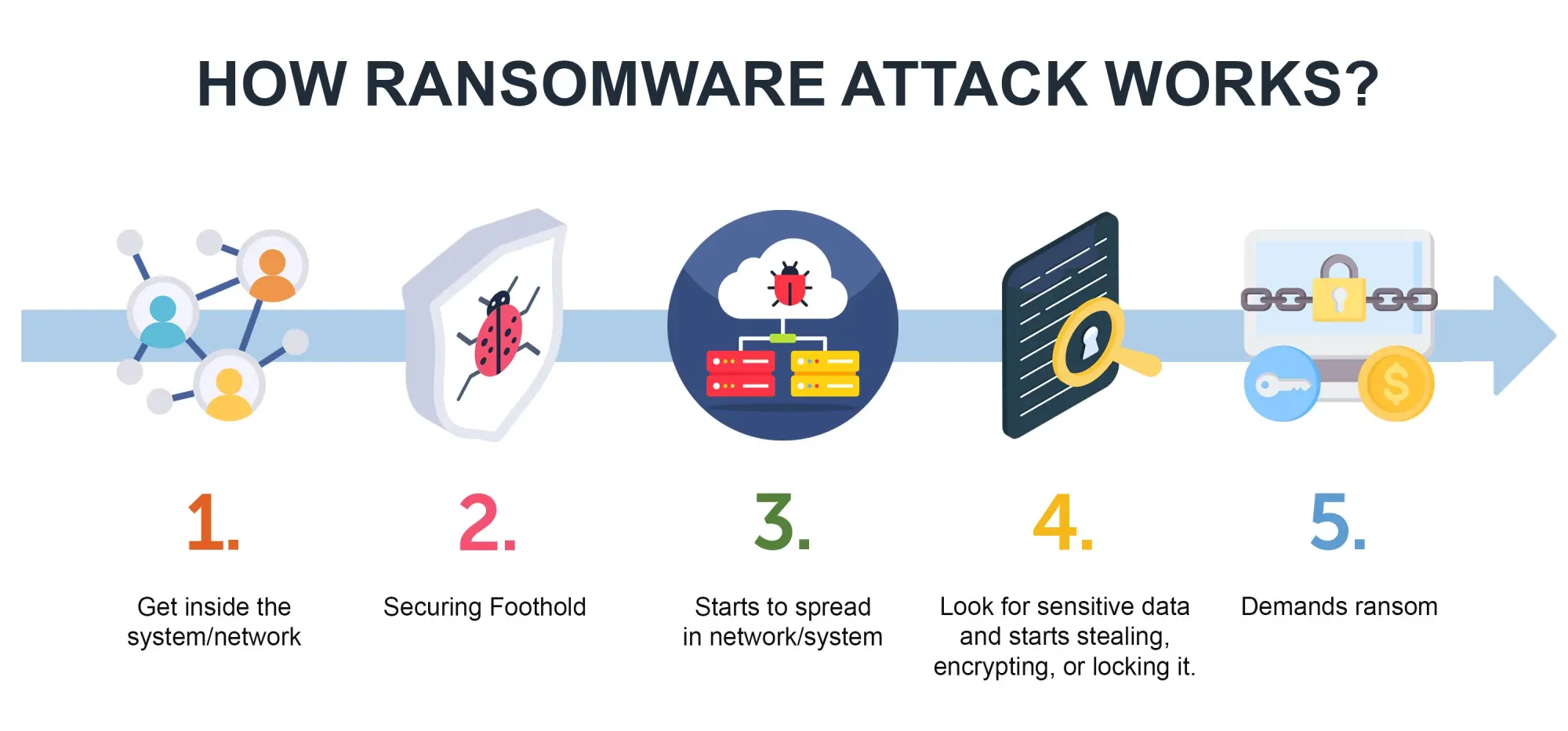
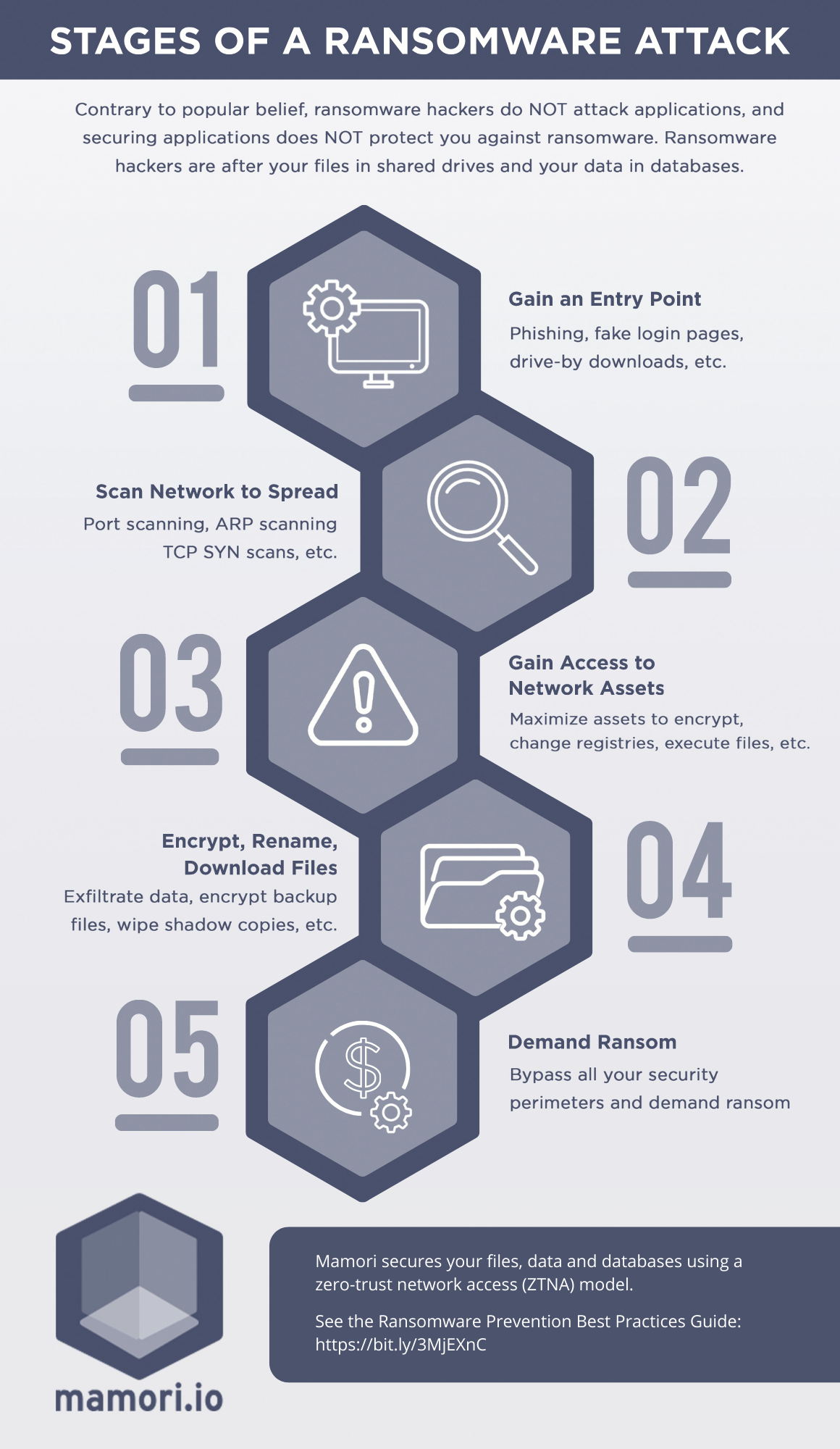
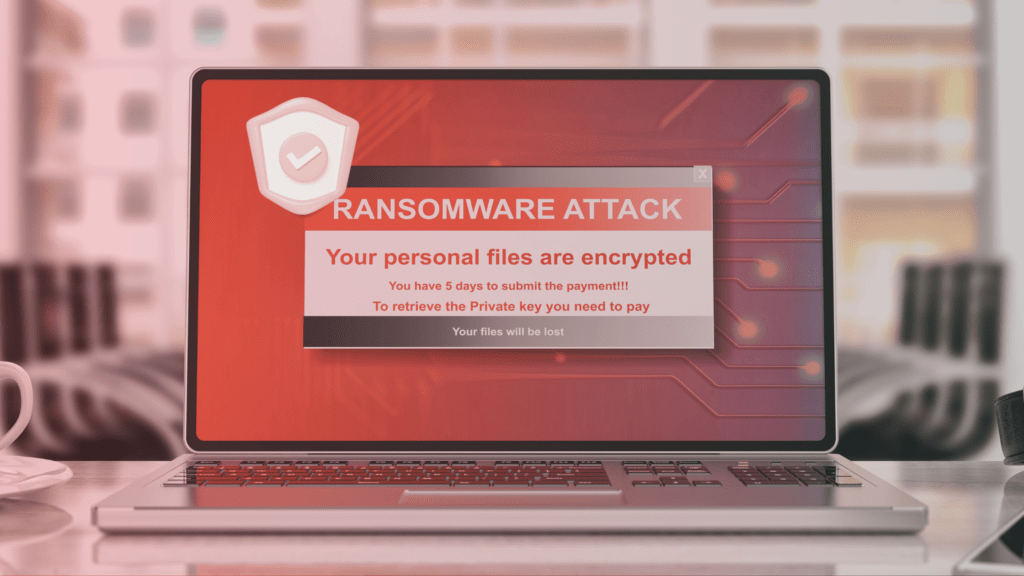
In the ever-evolving world of cybersecurity, one threat stands out as a persistent and growing concern: ransomware. A type of malicious software that encrypts files and demands payment in exchange for the decryption key, ransomware has become a favorite tool of cybercriminals due to its high profitability and relatively low-risk profile. However, with the right knowledge and strategies, organizations can prevent ransomware attacks and protect their data. In this article, we will delve into the world of ransomware prevention techniques and provide you with the insights you need to safeguard your organization.Why Ransomware Matters
Ransomware attacks have become commonplace in today's digital landscape. According to various reports, the number of ransomware attacks has increased significantly in recent years, with the cost of these attacks rising exponentially. In fact, the average ransom demand is now estimated to be over $100,000, with some attacks demanding as much as $10 million or more. The consequences of a ransomware attack can be dire, including data loss, financial loss, and reputational damage.Prevention is the Best Defense
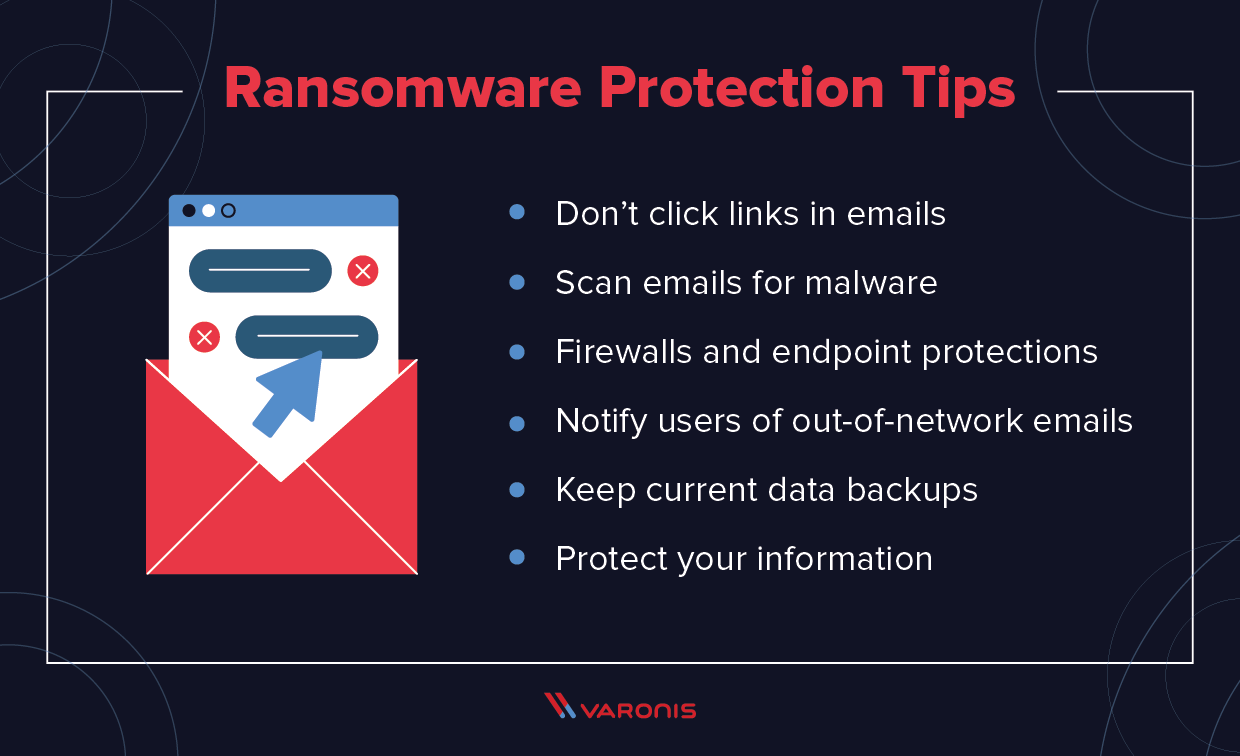
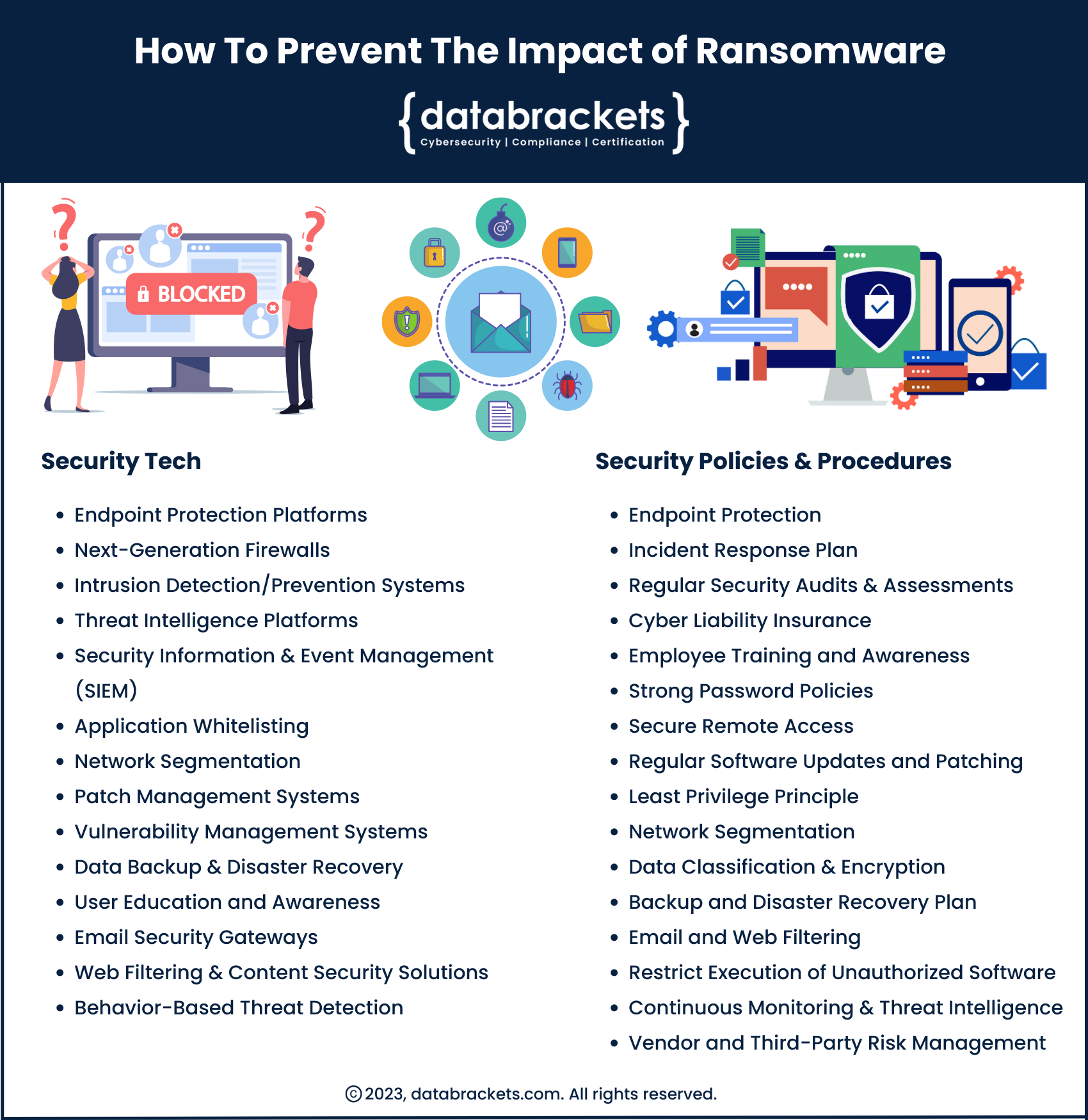
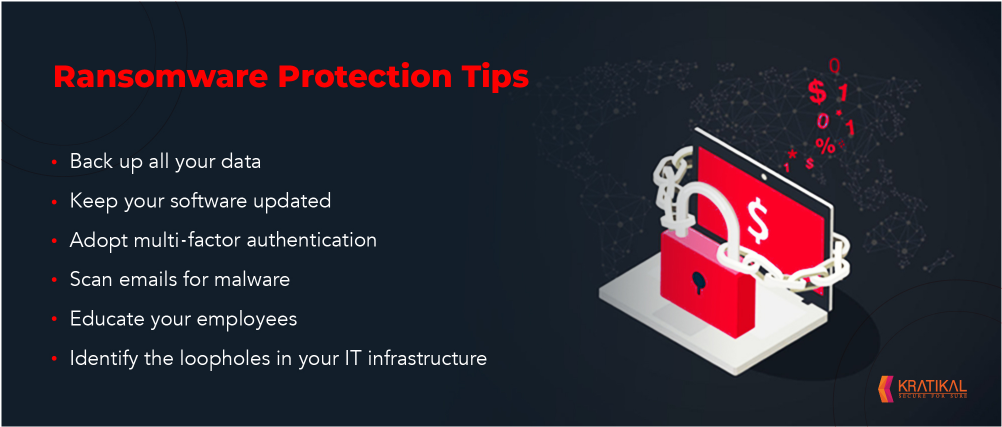
The age-old adage "an ounce of prevention is worth a pound of cure" holds true when it comes to ransomware. By implementing robust prevention techniques, organizations can significantly reduce the risk of a ransomware attack. Here are some effective ransomware prevention techniques to consider:- Keep Your Software Up-to-Date: Ensure that your operating system, software, and applications are always updated with the latest security patches.
- Use Anti-Virus Software: Install and regularly update anti-virus software to protect against known malware threats.
- Backup Your Data: Regularly back up your critical data to prevent data loss in the event of a ransomware attack.
- Implement a Multi-Layered Defense: Use a combination of security technologies, including firewalls, intrusion detection systems, and encryption to prevent ransomware attacks.
- Train Your Users: Educate your employees on the dangers of phishing and the importance of avoiding suspicious emails and attachments.
- Use DNS Filtering: Implement DNS filtering to block access to known ransomware websites and domains.
- Monitor Your Network: Regularly monitor your network for suspicious activity and implement a rapid response plan in case of a ransomware attack.