Protecting Your Digital Life Online: Essential Strategies for a Safer Experience
In today's increasingly digital world, protecting your online life is no longer a choice, but a necessity. With the rise of cyber threats, identity theft, and online harassment, it's essential to take proactive steps to safeguard your digital existence. As a consumer advocate and cybersecurity expert, I'm here to guide you through the essential strategies for protecting your digital life online.
Understanding the Risks
The internet has become an integral part of our daily lives, and with it, the risks associated with online activity have increased exponentially. Cyber threats, such as malware, phishing, and identity theft, can compromise your personal and financial information, leaving you vulnerable to financial loss and reputational damage. Moreover, online harassment and abuse can have severe emotional and psychological consequences.
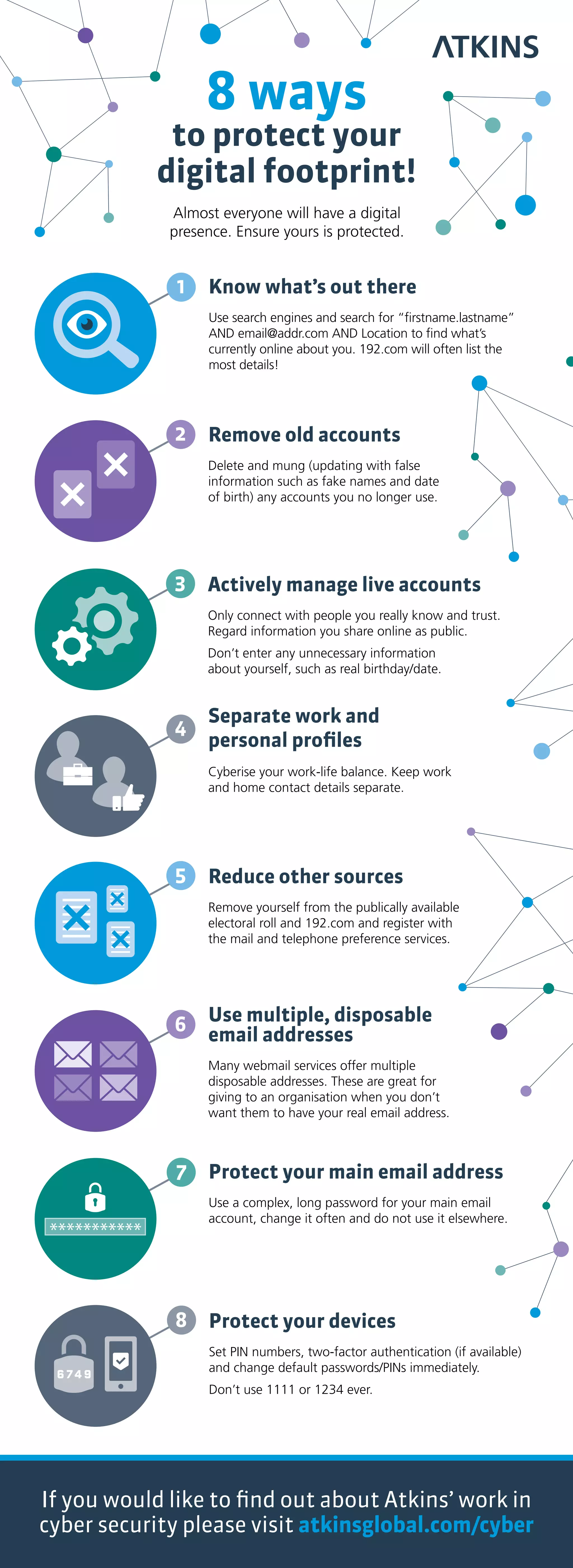
7 Essential Strategies for Protecting Your Digital Life Online
-
Use Strong Passwords and Two-Factor Authentication
Use unique and complex passwords for each account and enable two-factor authentication to add an extra layer of security. This will prevent unauthorized access to your accounts, even if your password is compromised.
-
Keep Your Devices and Software Up-to-Date
Regularly update your operating system, browser, and other software to ensure you have the latest security patches and features. This will help prevent exploitation of known vulnerabilities.
-
Install a Reliable Antivirus and Antimalware Program
Invest in a reputable antivirus and antimalware program that can detect and remove malware, including ransomware and spyware. This will help prevent your device from getting compromised.
-
Use a VPN (Virtual Private Network) and Secure Your Network
Use a VPN to encrypt your internet traffic, making it difficult for hackers to intercept your data. Additionally, secure your home network by using a strong password and enabling WPA2 encryption.
-
Be Cautious with Public Wi-Fi and Avoid Suspicious Links and Attachments
Avoid using public Wi-Fi for sensitive activities, such as online banking or shopping. Also, be wary of suspicious links and attachments in emails or messages, as they may contain malware or phishing scams.
-
Use a Data Backup System and Store Sensitive Information Securely
Regularly back up your important files and store sensitive information, such as financial documents and identification, securely in a password-protected location.
-
Monitor Your Accounts and Credit Report Regularly
Regularly check your bank and credit card statements for suspicious activity, and monitor your credit report for signs of identity theft.
Taking It Further: Advanced Online Protection
While the above strategies provide a solid foundation for protecting your digital life online, there are additional measures you can take to further secure your online presence. Consider using a comprehensive online protection service that offers features such as identity theft protection, social media monitoring, and advanced threat detection.
Conclusion
Protecting your digital life online is an ongoing process that requires vigilance and proactive measures. By understanding the risks and implementing the essential strategies outlined above, you can significantly reduce the likelihood of cyber threats, identity theft, and online harassment. Remember, a secure online experience is not just a right, but a responsibility – take control of your digital life today.