Protecting Your Bank Account from Overdrafts: A Step-by-Step Guide
Have you ever worried about taking too much money out of your checking account and facing the consequences of an overdraft? With hundreds of thousands of people experiencing overdrafts every year, it's essential to understand how to protect your bank account from these costly fees. In this article, we'll delve into the world of overdraft protection and explore the strategies to avoid these nasty surprises.
What is Overdraft Protection?
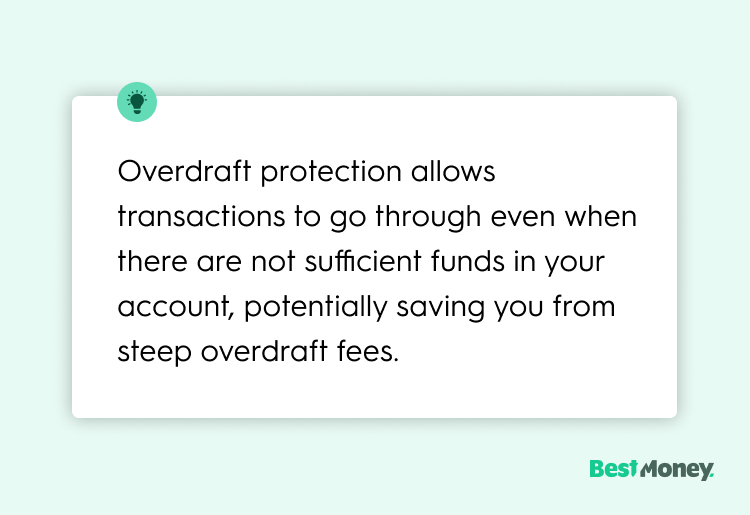
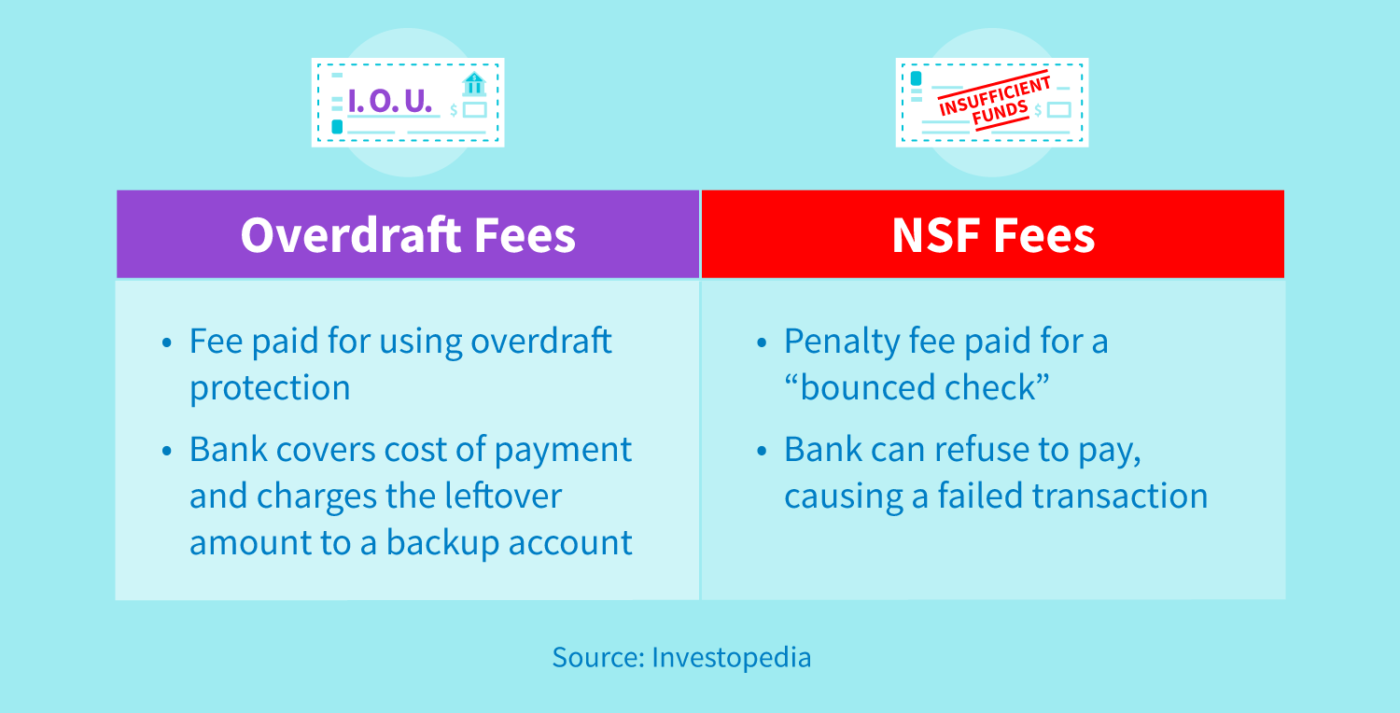
Overdraft protection is a service offered by banks that helps you cover transactions when your account is overdrawn. When you link a savings account, credit card, or line of credit to your checking account, the bank will automatically transfer funds from the linked source to cover any overdraft fees. This way, you won't have to worry about declined transactions or costly overdraft fees.
Benefits of Overdraft Protection
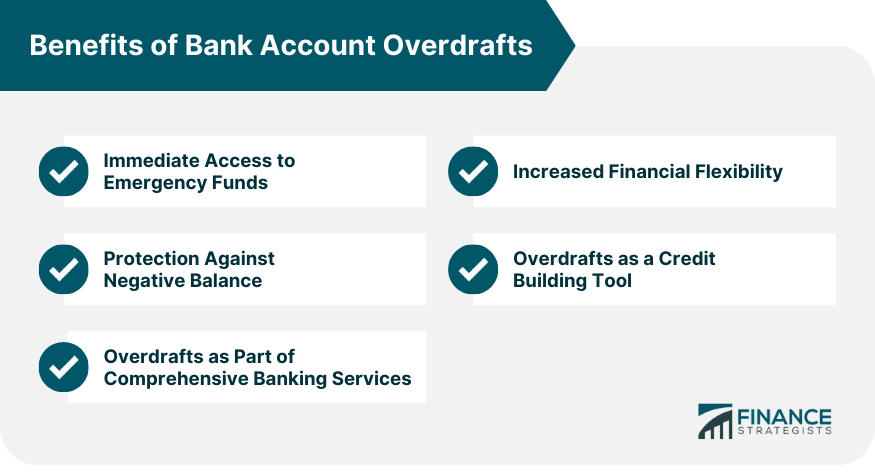
- Prevents declined transactions and declined debit card transactions.
- Helps avoid costly overdraft fees.
- Provides a safety net for unexpected expenses.
- Offers financial stability and peace of mind.
Types of Overdraft Protection
Before opting for overdraft protection, it's crucial to understand the different types of overdraft services offered by banks. Some common types include:
- Linking a savings account to your checking account.
- Using a credit card to cover overdrafts (if your bank allows it).
- Establishing a line of credit to cover overdrafts.
How Overdraft Protection Works
Here's a step-by-step breakdown of how overdraft protection works:
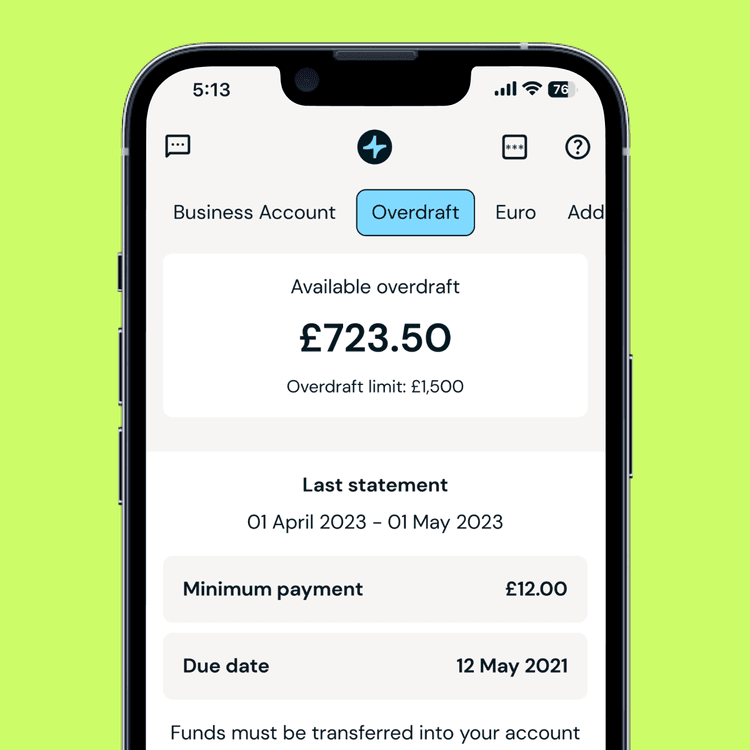
- Link your savings account, credit card, or line of credit to your checking account.
- Set up overdraft protection through your bank's online banking portal or mobile app.
- If your checking account balance falls below a certain threshold, the bank will automatically transfer funds from the linked account to cover the overdraft fee.

Alternatives to Overdraft Protection
If you don't want to opt for overdraft protection, there are still ways to avoid overdraft fees:
- Keep a cushion in your checking account.
- Set up balance alerts to monitor your account activity.
- Review your budget and adjust your spending habits.
- Use a budgeting app to track your expenses.
- Consider using a reloadable debit card or spending well.
Choosing the Right Bank for Overdraft Protection
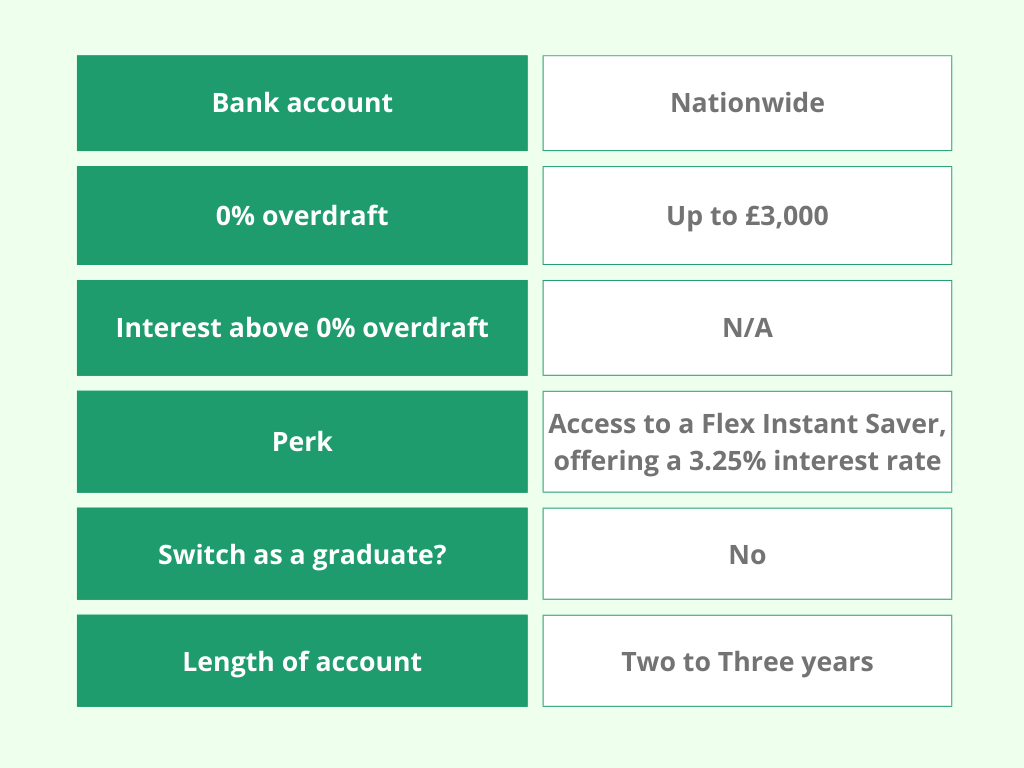
Before selecting a bank for overdraft protection, research and compare fees, interest rates, and terms. Consider the following factors:
- Monthly maintenance fees.
- Transaction fees.
- Interest rates on linked accounts.
- Overdraft protection transfer fees.
Conclusion
Protecting your bank account from overdrafts is a smart financial move that can save you money and reduce stress. By understanding overdraft protection and exploring alternatives, you can take control of your finances and stay on top of your bank account. Always review your bank's terms and conditions, and make an informed decision about overdraft protection to safeguard your financial well-being.
Additional Resources
For more information on overdraft protection and how to avoid overdraft fees, visit your bank's website or consult with a financial advisor. Stay ahead of the game by staying informed and taking charge of your finances.


:max_bytes(150000):strip_icc()/can-checking-account-go-negative.asp-final-1e2da6e358ab4ec2bbaa30e2e54c49ec.png "Know your overdraft options - Consumer Financial Protection Bureau")